
NATO sees $145B in munitions needs, as members all hit 2 percent GDP for first time
"That is clearly one of the main areas we will focus on at the next NATO summit," Rutte said regarding munitions production.
"That is clearly one of the main areas we will focus on at the next NATO summit," Rutte said regarding munitions production.
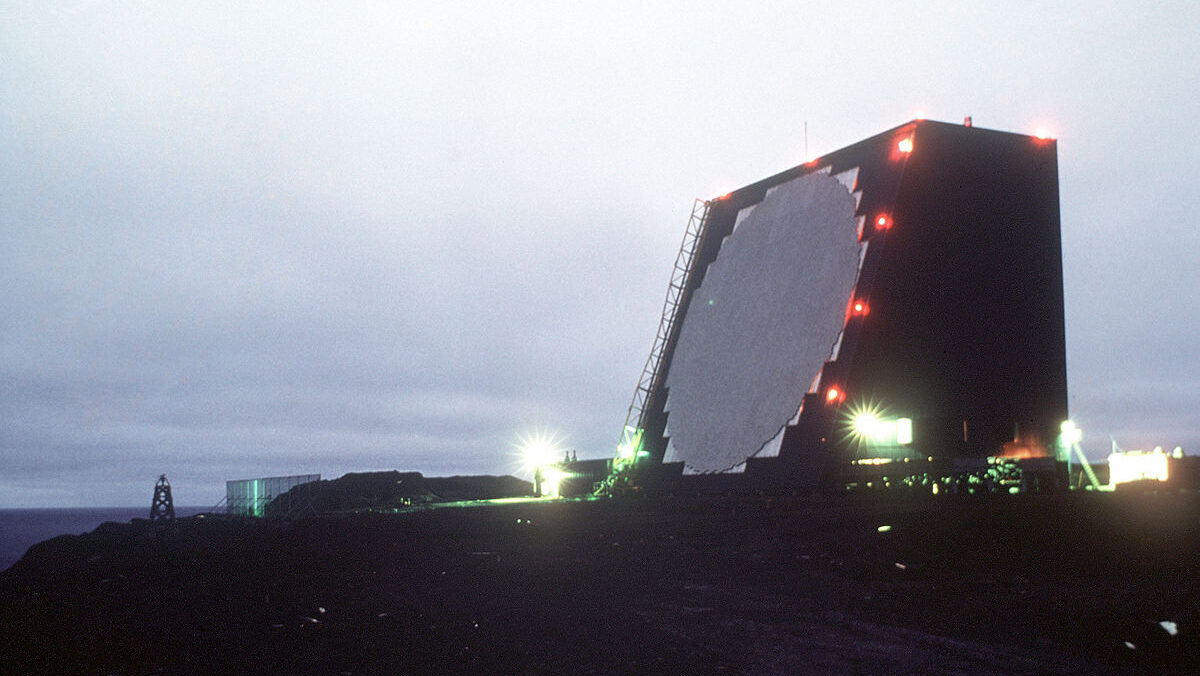
The sweeping new update plan will include development of a single computerized brain for all eight radar, as well as modernized front end antennas to improve detection of smaller, faster missiles, an SSC spokesperson said.


AI, autonomous systems, cyber, and EW converge as industry targets faster battlefield effects.

The SDN will provide the communications pathways for integrating and moving data from missile warning/tracking sensors to interceptors in near-real time under the Golden Dome construct.

“We're working very closely with MDA right now on that transfer plan and that memorandum of understanding and agreement,” Lt. Gen. Frank Lozano said.

By raising the cost estimate to $185 billion, Gen. Michael Guetlein said it would accelerate development of the Airborne Moving Target Indication, space data network and the Hypersonic Ballistic Tracking Space Sensor.

Leonardo expects its air defense system to draw €21 billion in new business opportunities by 2035, an executive said.


The Sixth Domain is not defined by geography. It’s a new kind of conflict in which autonomy and networked systems allow thousand-dollar consumer electronics to destroy multi-million-dollar conventional weapons systems.
Anduril intends to "fully absorb" ExoAnalytic's team of some 130 people rather than create a separate subsidiary, a senior Anduril exec said.

Gen. Chance Saltzman, Space Force chief, said the work already done to design a satellite system for tracking ground targets should also help speed AMTI capabilities to orbit.

Two major trade groups are working on studies to scope the supply chain issues, hone in on the most pressing problems, and identify early mitigation strategies.

The spending plan, obtained by Breaking Defense, pumps billions into munitions, missile defense and shipbuilding, among other priorities.

Government can’t stop to update systems, so modernization has to happen without interruptions.

“Those [Golden Dome] conversations are ongoing, and we will only participate if it is right for both parties,” a spokesperson with Canada’s Minister of Defense told Breaking Defense.
The contract is part of DHS efforts to protect spectators of the 2026 World Cup.

Marcia Holmes, DoD deputy director for Golden Dome, said AI and autonomy will "change how we deploy and use our weapons."
Once finalized, the agreement will allow THAAD interceptor production to grow from its current rate of 96 missiles a year to an annual rate of 400 interceptors.