
DARPA is playing both sides of the ball with both offensive and defensive hypersonics
HAWC and Glide Breaker are DARPA’s offensive and defensive hypersonic programs, respectively, and their program managers discuss what’s been done and what’s next.
HAWC and Glide Breaker are DARPA’s offensive and defensive hypersonic programs, respectively, and their program managers discuss what’s been done and what’s next.

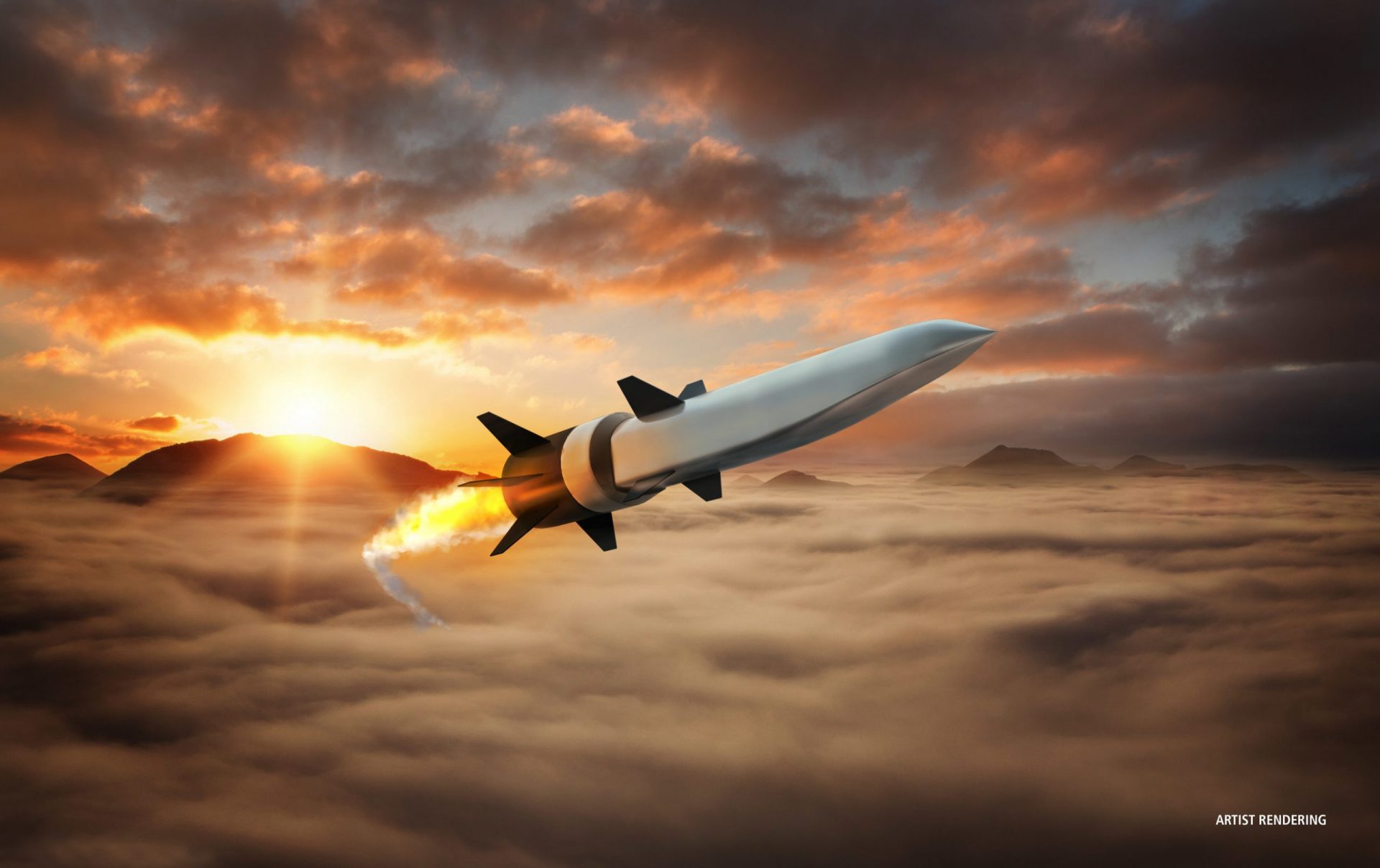
Because DARPA’s Hypersonic Air-breathing Weapon Concept doesn’t exit and re-enter the atmosphere like boost-glide hypersonics, it is less reliant on costly exotic materials for thermal management.

Government can’t stop to update systems, so modernization has to happen without interruptions.
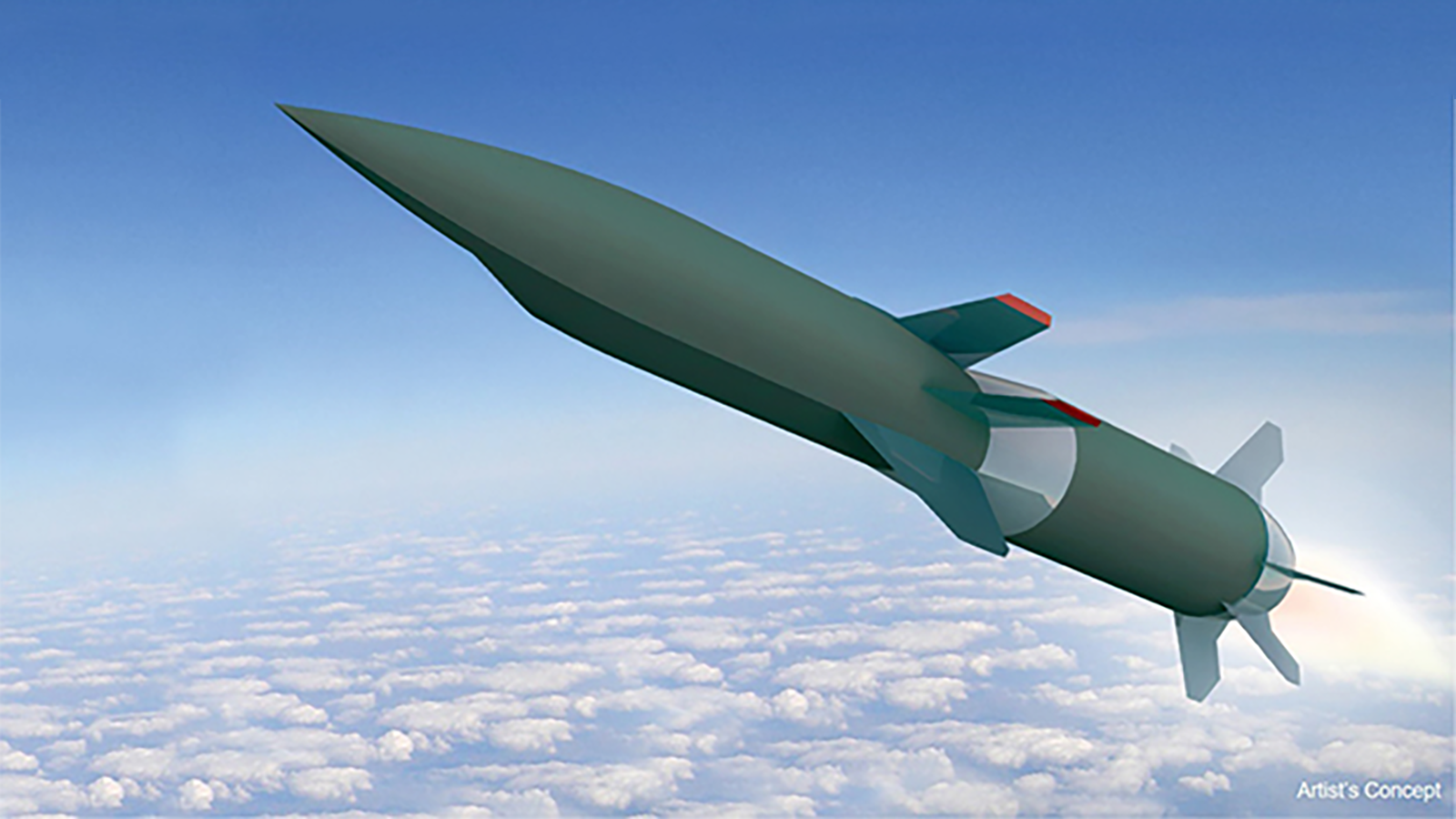
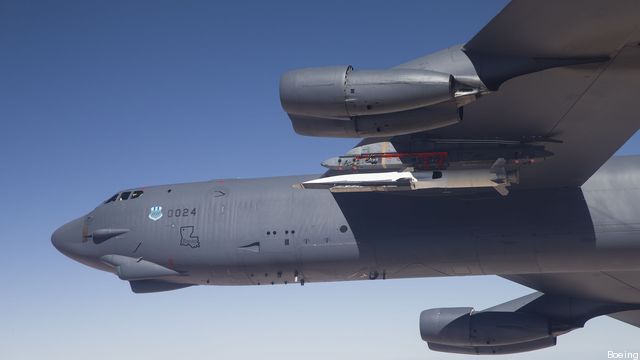
The US reportedly kept the test a secret for weeks for fear of spooking Moscow, following Russia's own hypersonic use.

The goals of the test were "vehicle integration and release sequence, safe separation from the launch aircraft, booster ignition and boost, booster separation and engine ignition, and cruise," DARPA said today, adding that the "primary test objectives were met."
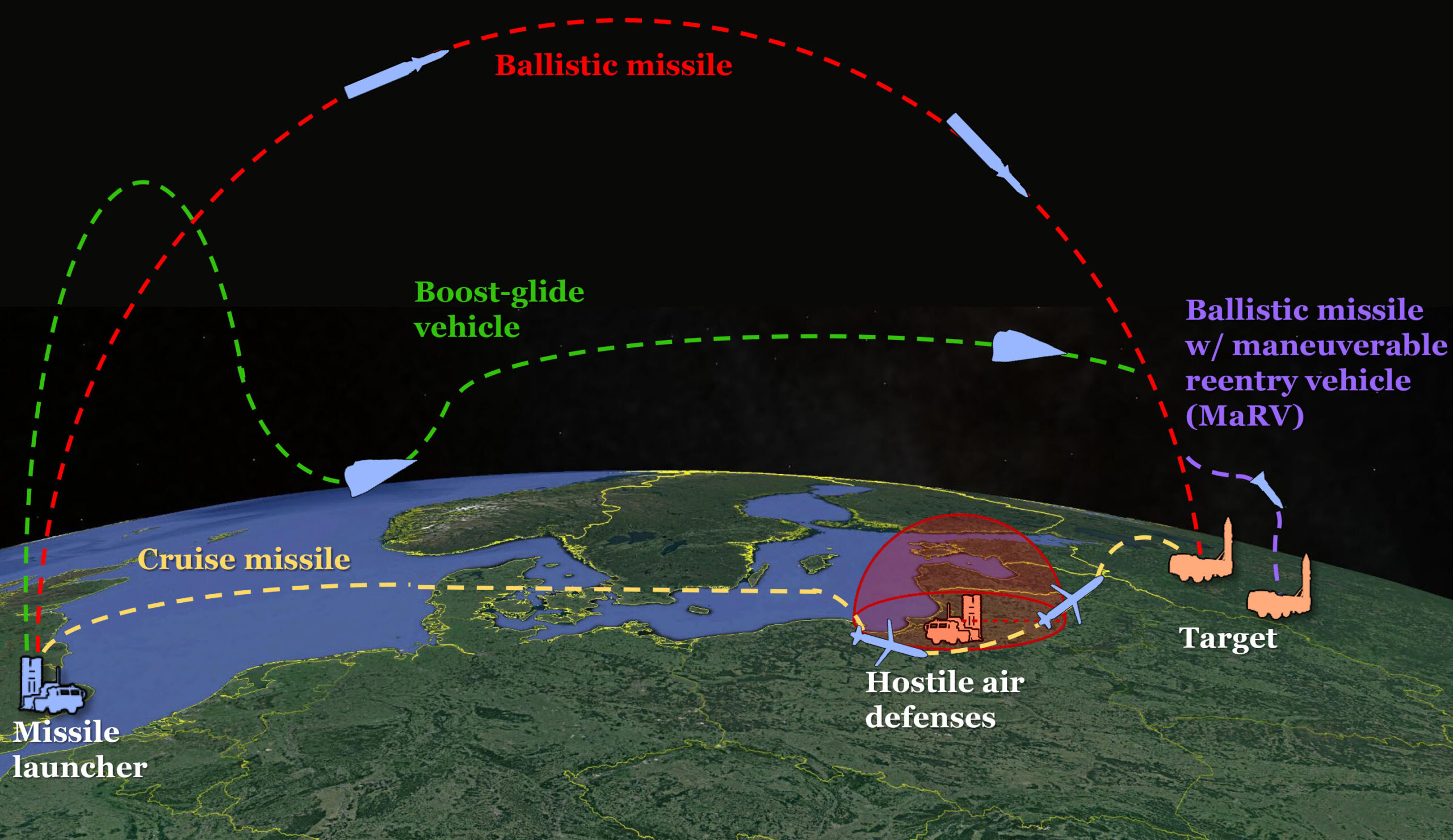
“We want to deliver hypersonics at scale,” said R&D director Mark Lewis, from air-breathing cruise missiles to rocket-boosted gliders that fly through space.

While Army and Navy spending nearly double, Air Force and independent agency spending drops almost 40 percent.


On today’s battlefield, mobility isn’t optional - it’s mission-critical.

The hard part is no longer the technology to fly at more than Mach 5: It's putting together all the parts to build hypersonic missiles in bulk.
WASHINGTON: The Pentagon will ramp up research on hypersonic weapons with a stunning 136 percent increase in the 2019 budget request. Here’s the breakdown of the $257 million: DARPA wanted more money, director Steven Walker said bluntly, particularly to build up an R&D infrastructure currently half the size of China’s. But, he said, this budget […]
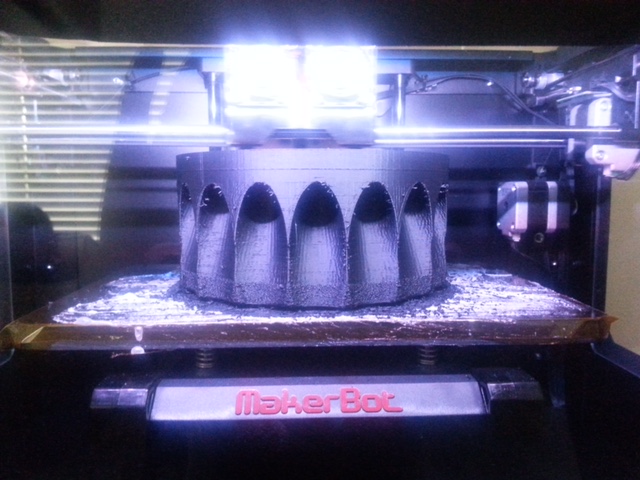
UPDATED with independent analysis from ICFI ARLINGTON: The race is on to build hypersonic weapons, missiles that blow through a target’s defenses at more than five times the speed of sound. Or should that be “the race to grow hypersonic weapons”? It turns out an unrelated cutting-edge technology, 3D printing, may be the key to making hypersonics work. […]