
How the industrial base is responding to Air Force, Space Force needs
Demand signals from leadership are shaping investments in design, engineering and manufacturing.

Demand signals from leadership are shaping investments in design, engineering and manufacturing.

Andrew Magliochetti, who previously served as the director of the Navy’s Office of Small Business Programs, will oversee the Office of the Defense Industrial Base.

From AI adoption and agentic systems to Zero Trust and cyber resilience, Breaking Defense’s latest eBook brings together key reporting from DoDIIS 2026 on the technologies and strategies shaping the future of defense intelligence.

A brief chat with the chief of the Army's Space and Missile Defense Command.

US arms-sale regulations are causing some European firms to reassess their approach toward military modernization.

An executive order on sourcing critical minerals could shake up supply chains for industry.

As warfare evolves, the US defense industrial base must adapt to provide opportunity for non-primes.


Traditional thinking about how to protect facilities must adapt to new threats such as drones or downstream attacks.
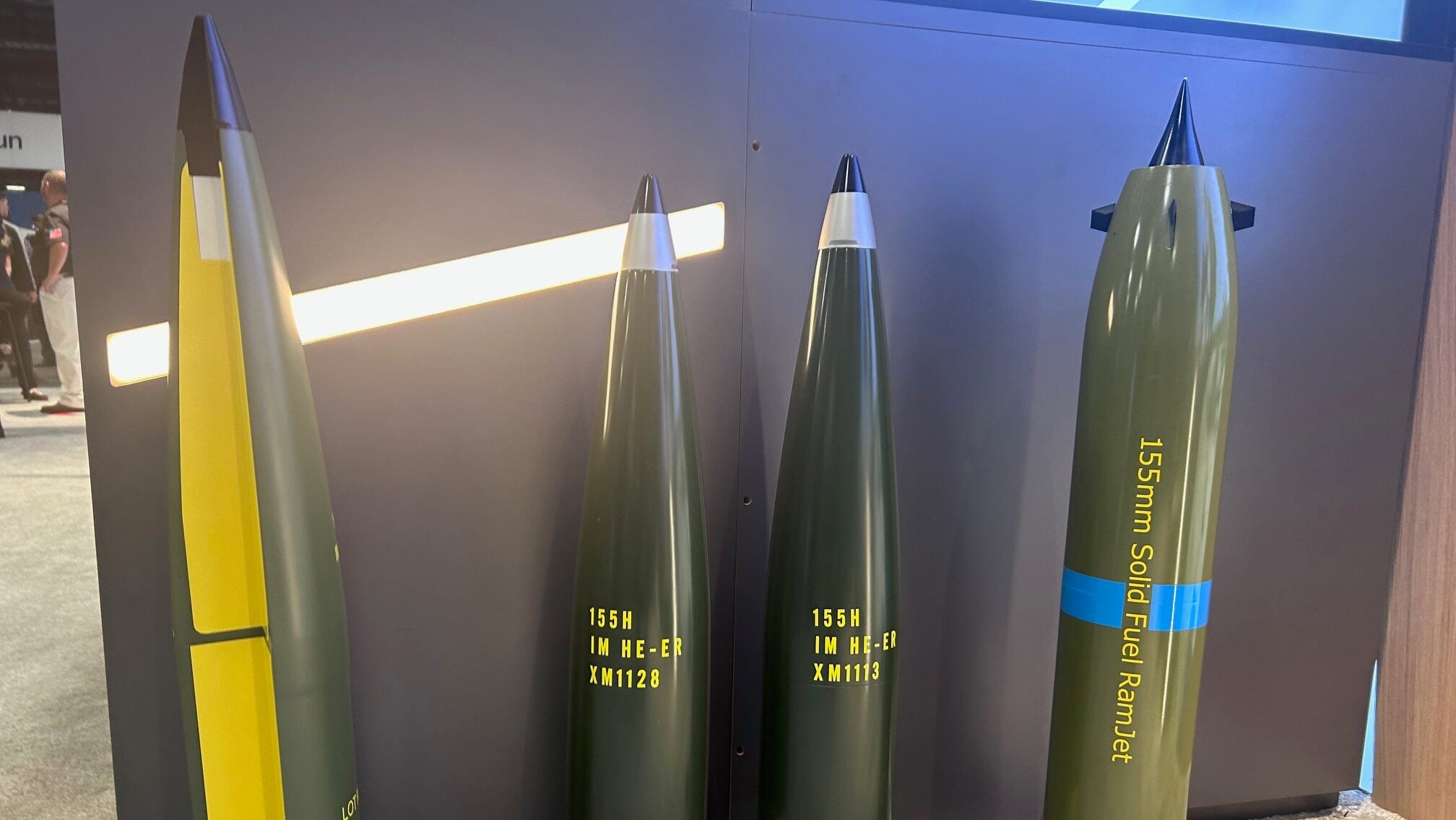
When it comes to predicting the needs of future conflicts, Maj. Gen. John Reim said, “the Army’s gotten it wrong 100 percent of the time.”

Over $1 billion would pass through the Pentagon, researching shelf-stable blood for casualties, new lubricants for engines, more powerful explosives, and more. Commission Chairman Sen. Todd Young hopes to get the first funds in the 2026 NDAA.

The program manager for the Future Long Range Attack Aircraft breaks down what the supply chain needs to be doing now for production.

Brig. Gen. Michael B. Lalor, head of the Army Tank-Automotive & Armaments Command (TACOM), told Breaking Defense this week the service plans to break ground in FY25 on the Long Range Precision Fires Facility at Watervliet Arsenal, NY.


Lightning Surge exercises are turning soldier feedback on NGC2 into operational software changes in days, not years.

On the cusp of NATO's 75th Anniversary Summit, the House Armed Services Committee sent a first-ever international delegation focused on space security to Europe.

If a a new department or, alternatively, a "National Space Agency," were to be established, the DIU-supported report recommends that it be modeled on the Department of Energy (DoE), rather than the Department of Homeland Security that still suffers from an abundance of red tape.
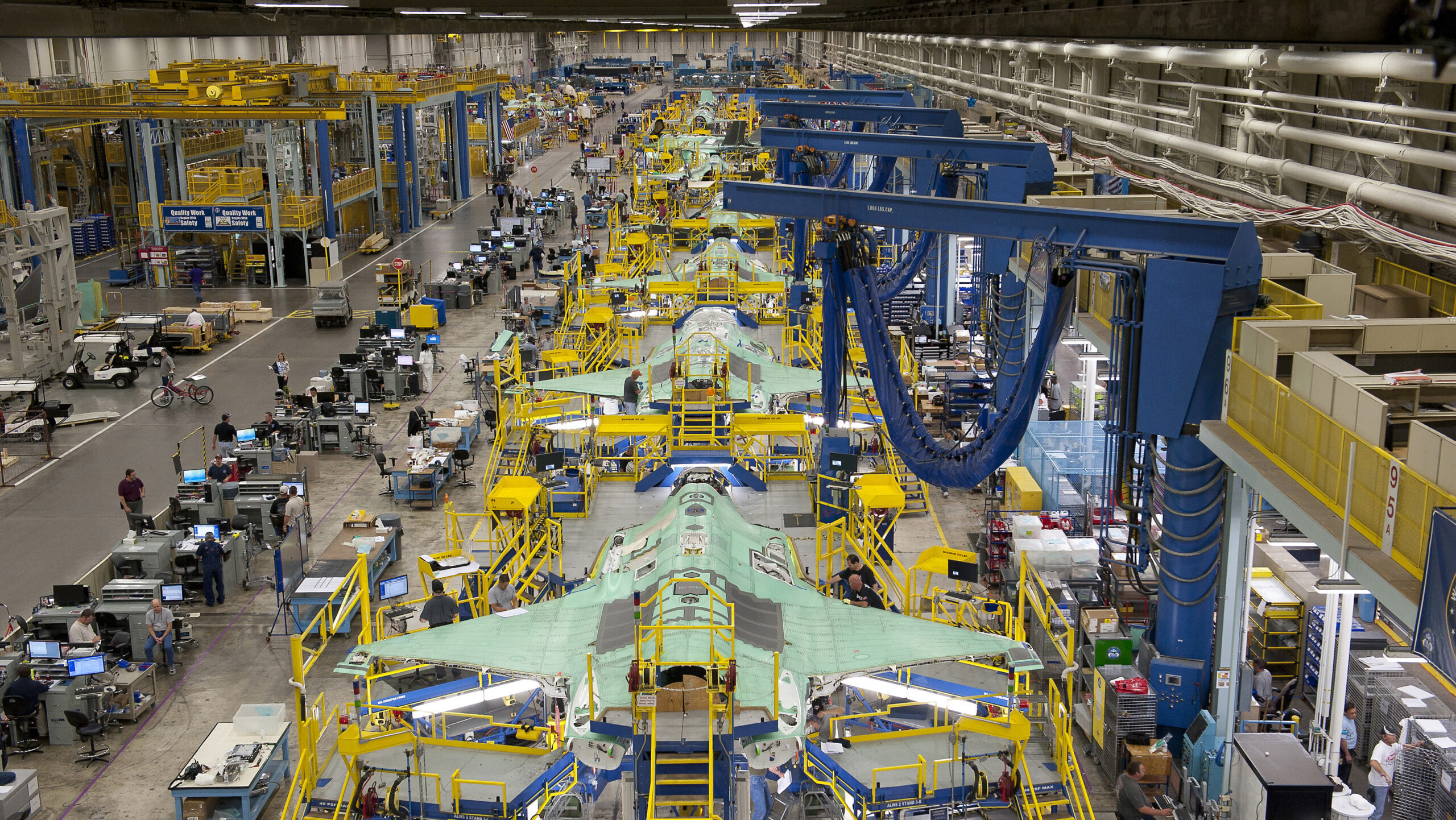
"The current and future strategic environment requires immediate, comprehensive, and decisive action in strengthening and modernizing our defense industrial base ecosystem to ensure the security of the United States and our allies and partners. As this strategy makes clear, we must act now," Deputy Defense Secretary Kathleen Hicks writes in a forward to the new National Defense Industrial Strategy.

“Logistics really matters, sustaining really matters and we are doing that right now with Ukrainians and learning a lot because it’s interesting what you have to do when you can’t send your own US citizens into the country to keep the equipment going,” William LaPlante said.