The Army’s coming C2 challenge is fighting across thousands of miles
Breaking down stovepipes, managing data and enabling better decision making are key components of the Army’s NGC2 plan.

Breaking down stovepipes, managing data and enabling better decision making are key components of the Army’s NGC2 plan.
AI and software can improve logistics, but only if they work with limited bandwidth.


Lithium-metal batteries are one way to break the weight and endurance limits of today’s unmanned systems.

Autonomous capabilities give the Navy a way to clear mines without putting sailors in harm’s way.
With minesweepers retired, the US is turning to remote and robotic mine-neutralization tactics.
There is no single answer to the drone threat, pushing the Pentagon toward a broader mix of defenses.

Connecting platforms and data across domains is key to keeping ISR effective under attack.

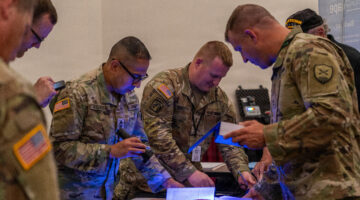
Ensuring SI models and their underlying data are kept secure is critical to building digital tools that can be deployed readily in warfighting environments.

While overall effectiveness is high, damage to US bases and assets in the Iran conflict shows gaps in air-and-missile-defense.
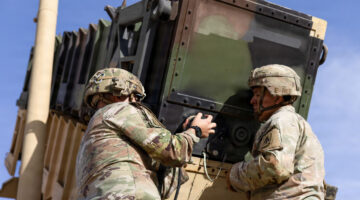
Resupply of SRMs during a high-tempo engagement like Iran could take years without procurement changes.
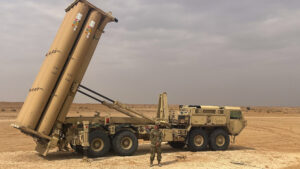
Supply shortages, damaged radars raise concerns about air and missile defense.
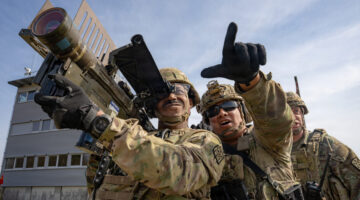
“It's not about the cost per round. It's about achieving operational success,” says Tom Karako from CSIS.

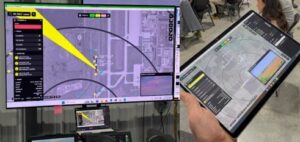
Architecture that linked sensors, C2, RF effects, and lasers into a distributed c-UAS kill chain.

Drones will play a critical role in surveillance, logistics, and both offensive and defensive operations in the region.

As warfare evolves, the US defense industrial base must adapt to provide opportunity for non-primes.

Defending a country the size of the US from attacks such as hypersonics and drones creates major challenges.