Pentagon plans for reconciliation slush fund make a perfect case against another round
The Pentagon’s plan to spend all $152 billion from reconciliation by end of year diverges from its budget request.
The Pentagon’s plan to spend all $152 billion from reconciliation by end of year diverges from its budget request.

America's armed forces already suffers damages and handicaps due to climate change, and recent action is only going to make it worse, writes Will Rogers of Johns Hopkins University.

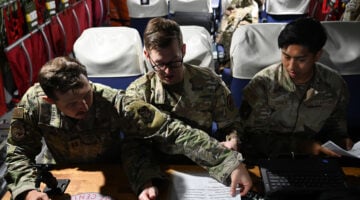
Do more with less: streamline workflows, reduce duplication, invest upfront to save long-term.

Focusing on the Coast Guard's development can help the US match countries like China who have already moved on the trend.

An executive from Textron argues that while new entrants can help the Pentagon, the department needs to remember that experience matters.

Proxies, such as the Houthis, should be heavily considered by the US while measures are taken against Iran.

A unified force in Japan's House of Representatives opens the door for widespread military reform under Prime Minister Sanae Takaichi, writes analyst Ronny Sasmita.

Breaking Defense Europe will launch May 4 with Tim Martin and Elisabeth Gosselin-Malo as co-editors.
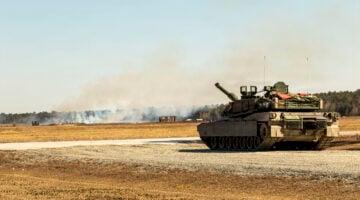
Current policy strongly prohibits the Army from ordering small quantities of spare parts with short notice. That currently acts as an Achilles heel for their Abrams tank fleets.
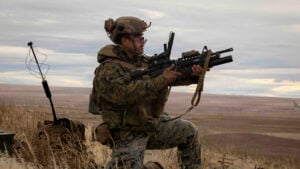
Columnist Robbin Laird visited a major Marine exercise in December, and left with a few key impressions for the future of the Corps.
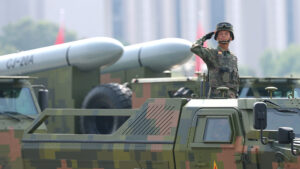
The Chinese PLA has gone through wide-scale restructuring in recent years, leading to questions as to why and what the effects may be.
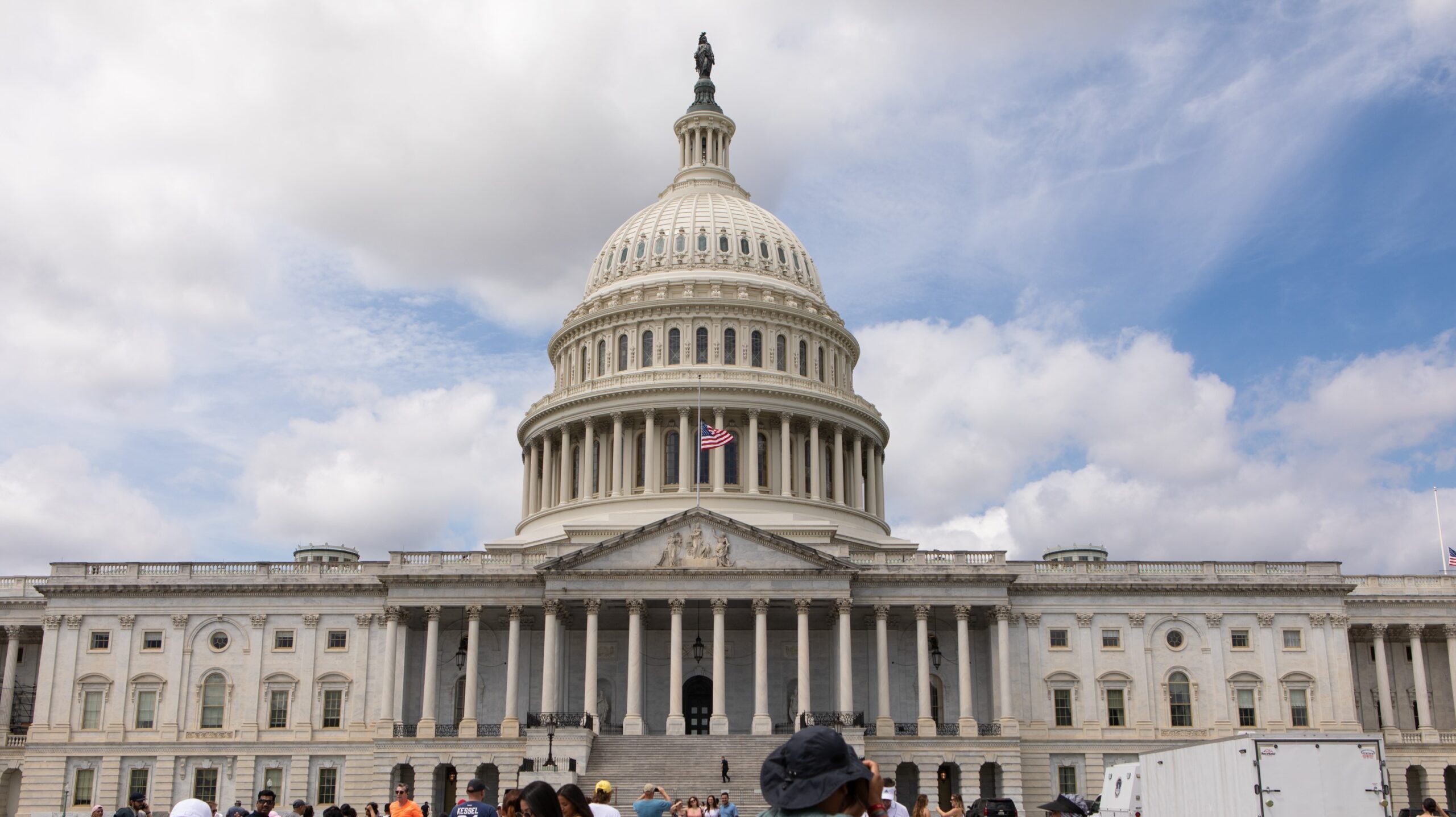
A $600 billion increase to the budget in reconciliation will be needed to get to $1.5T in spending, say a pair of AEI analysts.


The Sixth Domain is not defined by geography. It’s a new kind of conflict in which autonomy and networked systems allow thousand-dollar consumer electronics to destroy multi-million-dollar conventional weapons systems.

For the last 16 years, the US has not had any nuclear nonproliferation policies. Henry Sokolski in this op-ed argues why that needs to change.
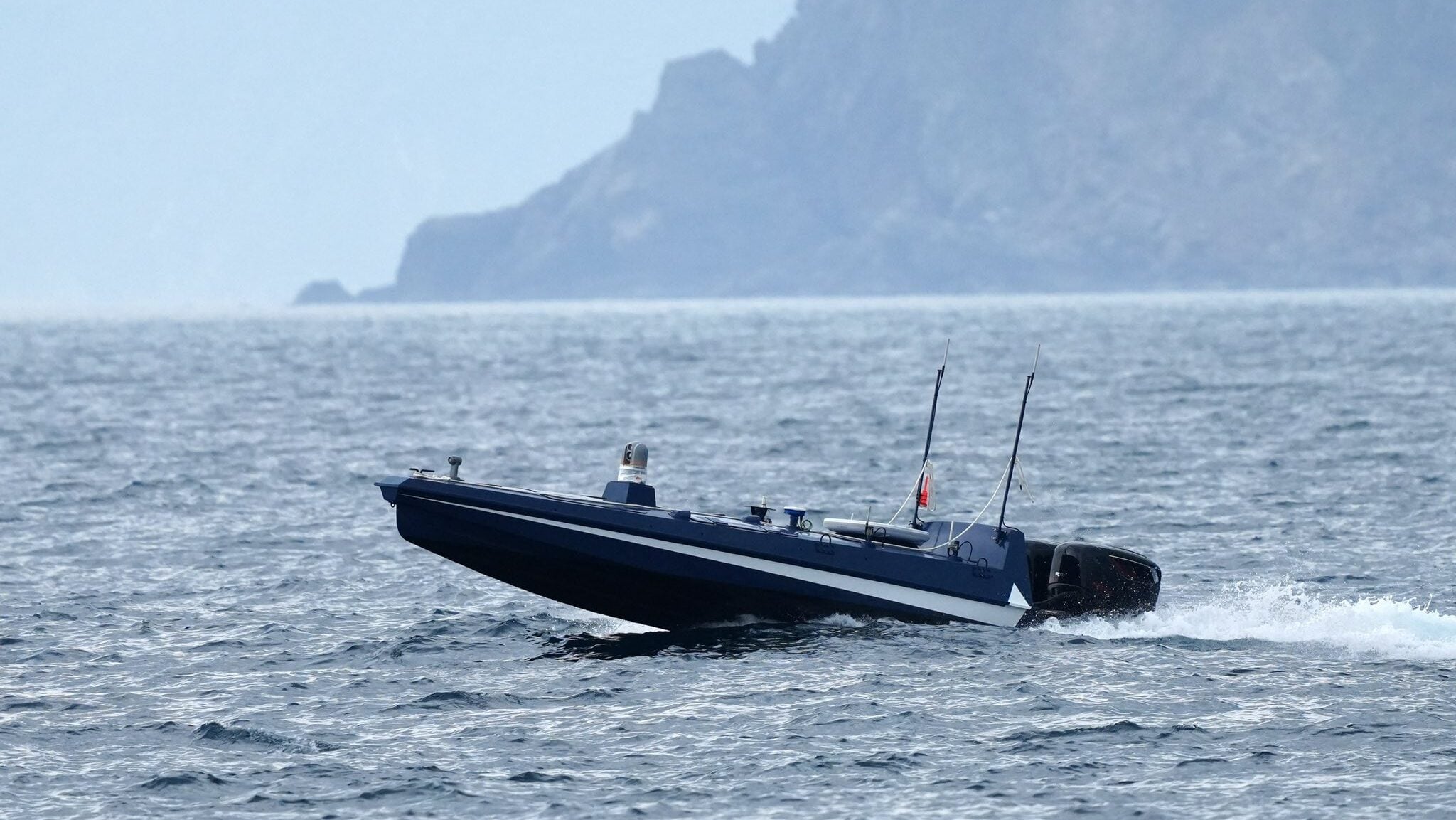
Analysts are expecting a Taiwan conflict to begin as early as 2027. As that date draws near, the US needs to look to European nations for support.

In this op-ed, leaders of the congressionally mandated commission lay out an ambitious plan to assess the Navy's woes and recommend solutions.

One way for Greenland and the US to have defense cooperation is through a Compacts of Free Association agreement, writes Jeffery M. Fritz in this op-ed.