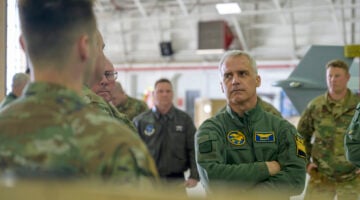
Sweden allocates $1.6B to build territorial air defense capability, $140M for space
The decision reflects a shift in how Sweden’s military looks at air defense.
The decision reflects a shift in how Sweden’s military looks at air defense.

“Almost all the systems that we use for homeland defense rely on that part of the spectrum that's being considered to be either sold or shared,” Gen. Gregory Guillot, commander of US Northern Command, said.


On today’s battlefield, mobility isn’t optional - it’s mission-critical.

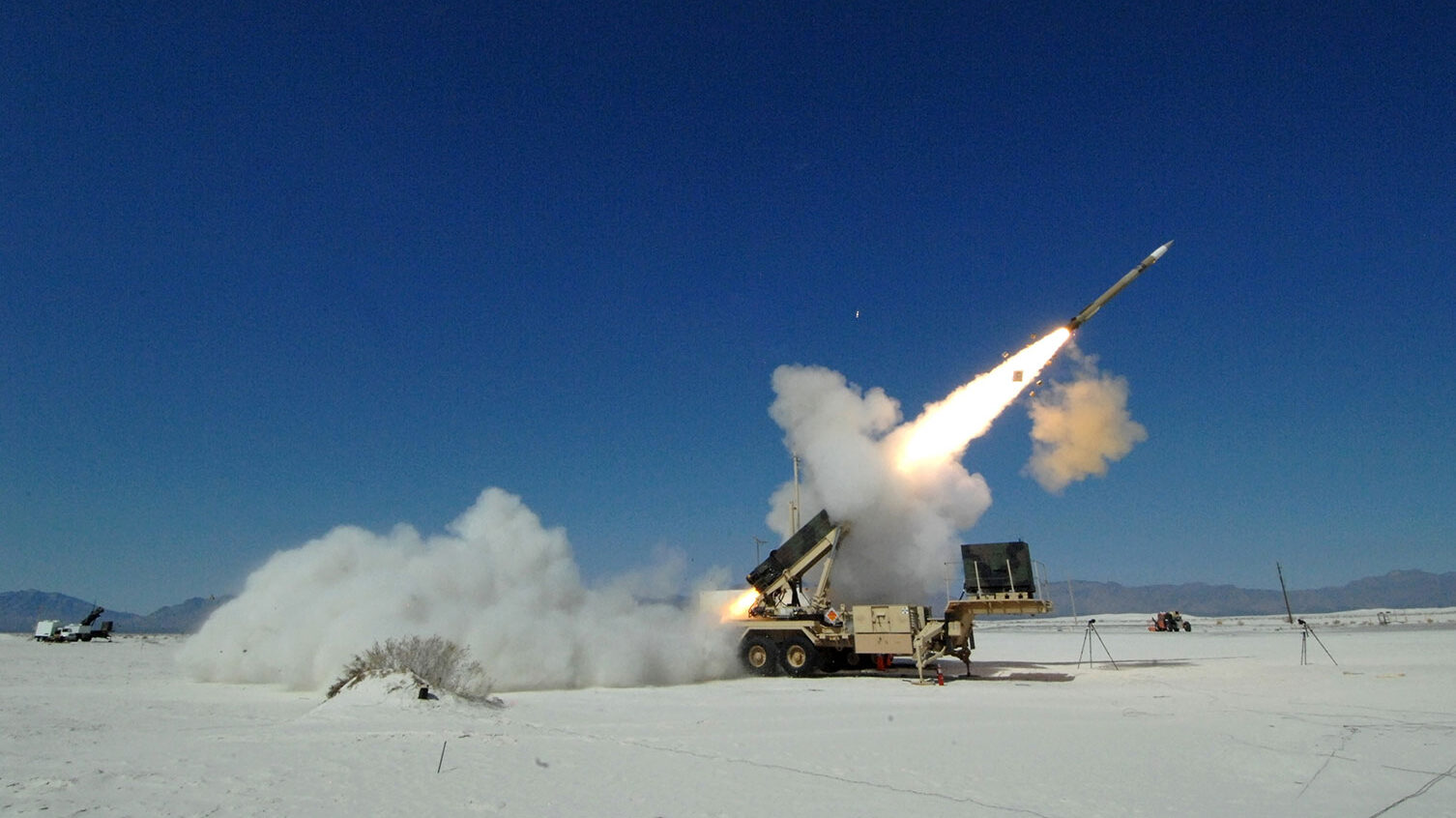
If all options are exercised under the contract, the European nations will buy a combined total of 1,000 Patriot Guidance Enhanced Missiles (GEM-T), according to manufacturer RTX.

The Netherlands has been a vital weapons supplier to Kyiv, throughout the war against Russia, most recently pledging an additional $2.2 billion in military aid for 2024.

Citing China, North Korea and Russia, Maj. Gen. Joel Vowell said he'd "champion for [...] a more integrated air and missile defense protection in the first island chain."
It is more of a repositioning rather than a withdrawal and "does not reflect any political orientation similar to the one to withdraw troops from Afghanistan,” strategic expert and political researcher Abdullah Al Jenaid tells Breaking Defense.

Discover how unmanned systems and emerging technologies are shaping the future of U.S. naval power in Breaking Defense’s new eBook.

"The Saudis might be demonstrating that they can go to other sources and solutions for air defense through building on the worsening of US-Turkish relations, at the heart of which is US unhappiness over Turkish acquisition of the Russian S-400 air defense system,” Yezid Sayegh, senior fellow at the Carnegie Middle East Center, says.

Gulf countries must build a centralized command center linked to sub-command centers spread across all countries and able to share and receive data in a synchronized real time way, says Mohamed Al-Kenany, military researcher and defense analyst at the Arab Forum for Policy Analysis in Cairo.


Being built under rapid prototype authority, the Lower Tier Air and Missile Defense Sensor radar has a 360-degree capability to sense threats from all directions.
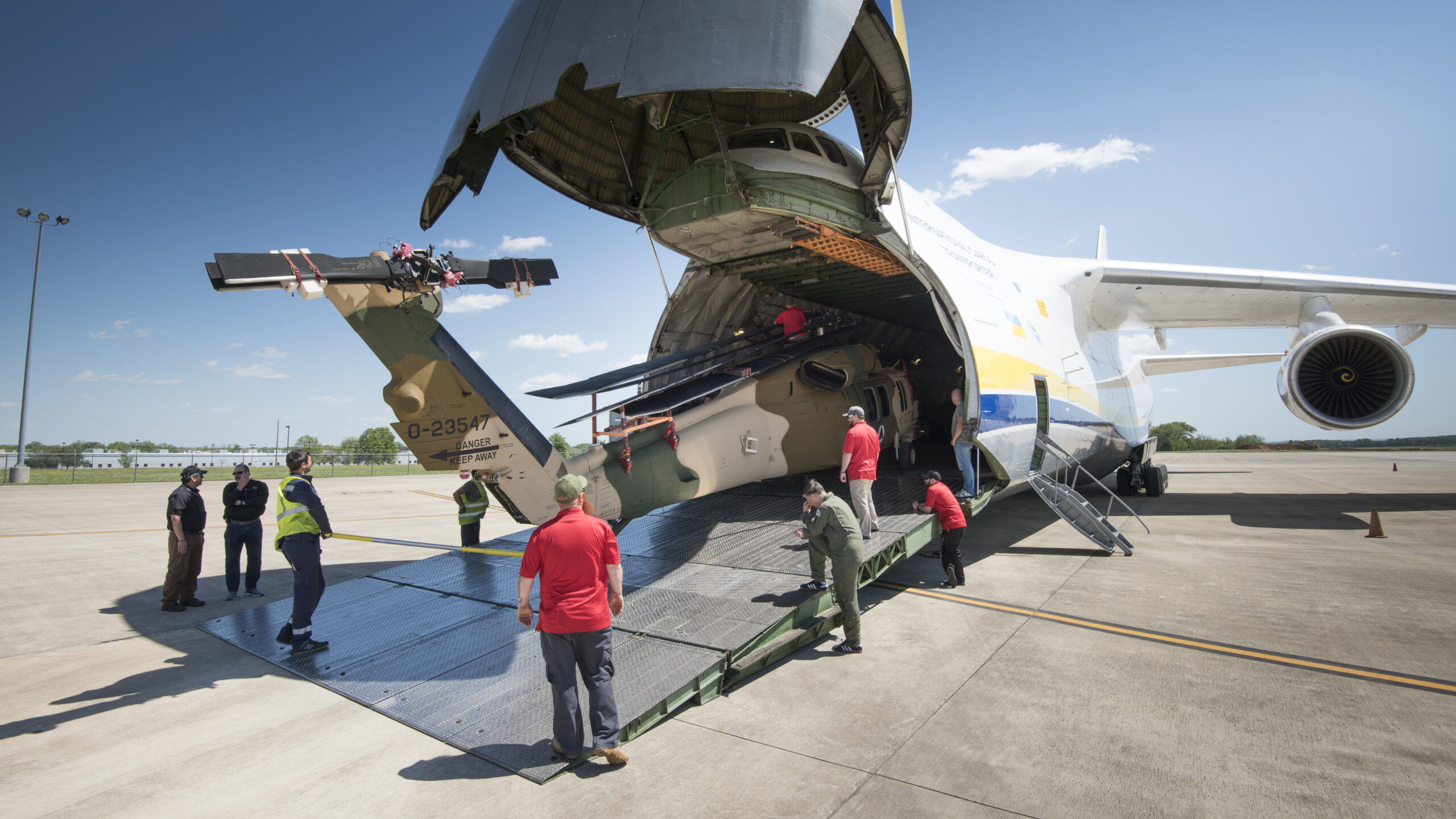
"We have seen countries around the world leap at the chance to obtain high-tech, low cost defensive capabilities only to see their significant investments crumble and rust in their hands."


Agentic AI helps defense manufacturers speed up production, cut complexity and improve decision-making across global supply chains.

“The threat that we face has developed faster,” than countermeasures, giving adversaries like Russia, and Iran, some asymmetric advantages.
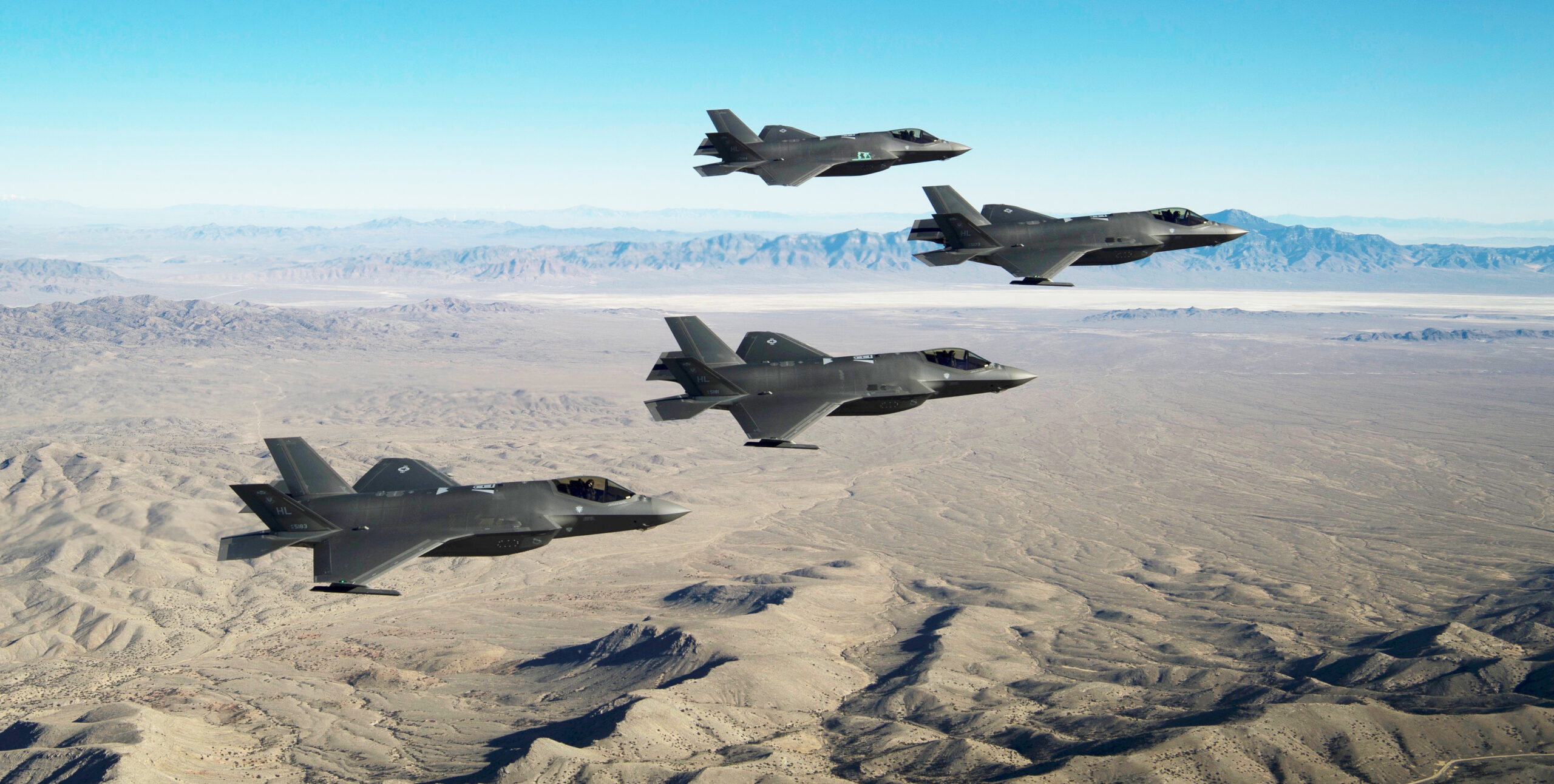
Washington finally removes Turkey from the F-35 program, but Pentagon officials decline to say whether there's a path for it to come back.

Despite the Navy's misgivings over having dozens of its ships sailing in boxes hunting for missiles, plans remain in place for more Aegis-capable hulls, as well as new radars, and mobile missile defense batteries.
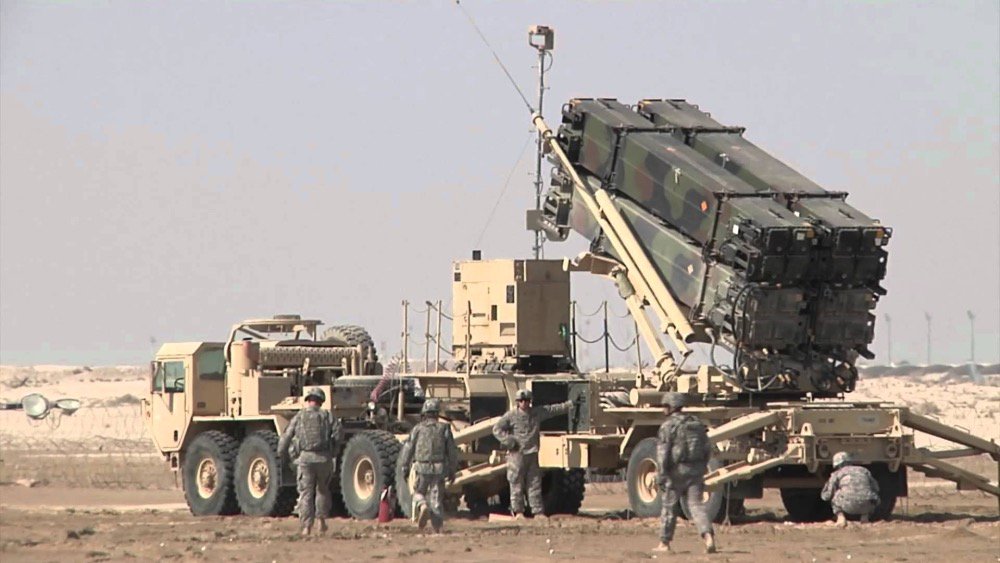
The $4.75 billion air defense deal gives NATO a significant new defense against growing Russian threats in the Baltic.