
Mission management on the move
A new Collins Aerospace system enhances U.S. Army mobile command and control.

A new Collins Aerospace system enhances U.S. Army mobile command and control.
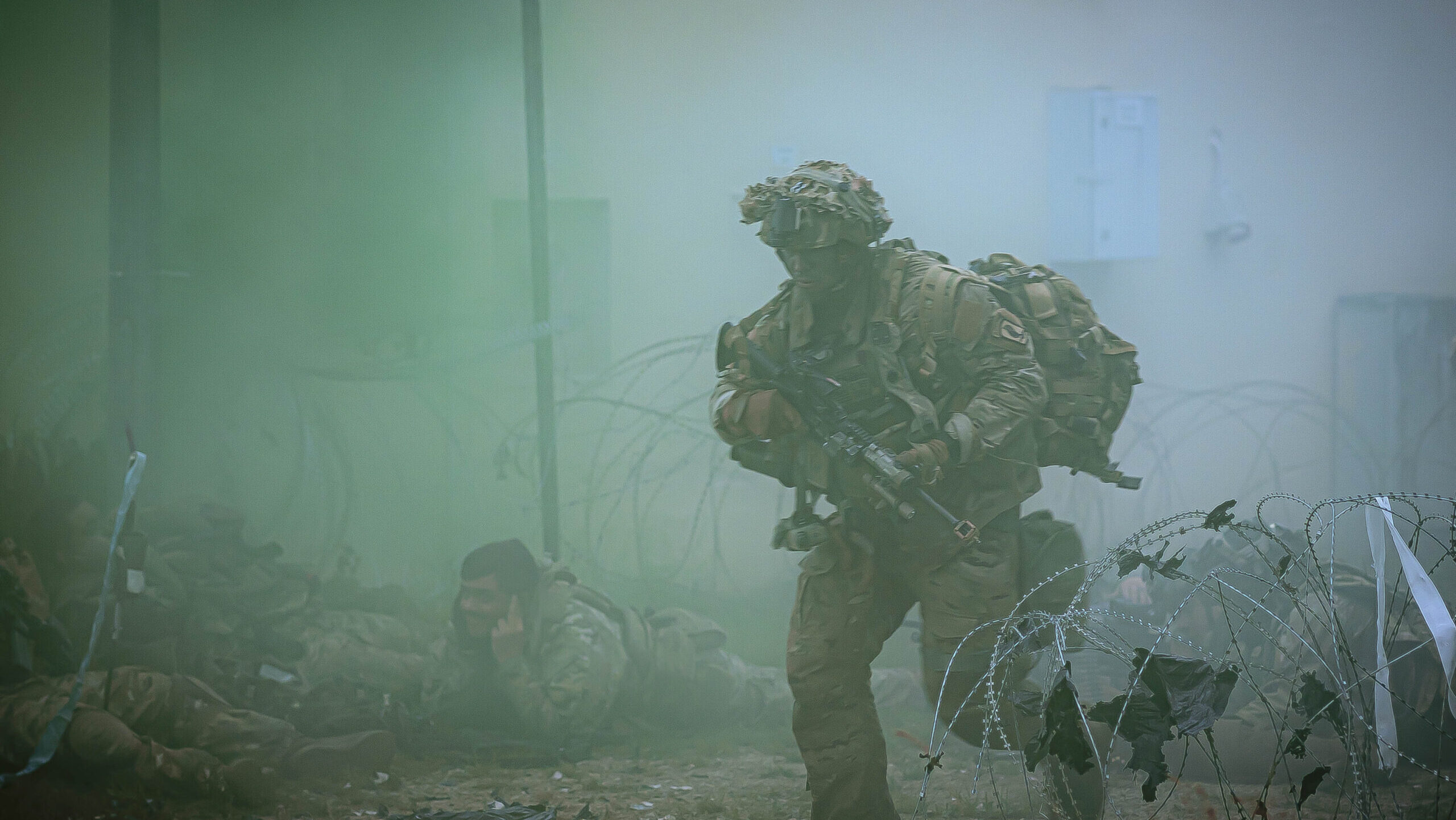
Mobile, distributed command and control requires a common operating picture even in contested environments.

Reducing cognitive overload on warfighters while improving “time to trust” for autonomous systems is a matter of design.

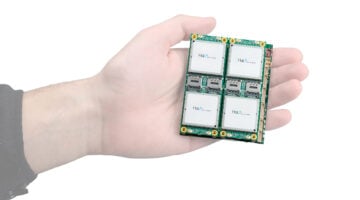
An open digital architecture leads to increased interoperability, affordability, upgrades and enhanced capabilities like launched effects and autonomy.
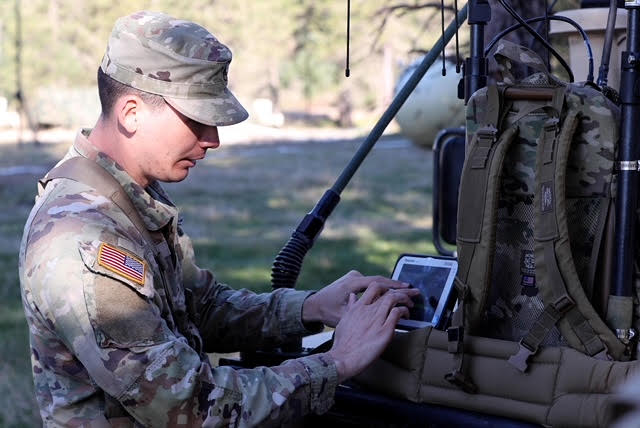
When it comes to a common operating picture, not everyone needs the same equipment. What they need is the same situational awareness.

DoD uses FAR Part 12 acquisitions to save hundreds of millions of dollars in “of a type” systems like civil landing systems with applicability to military aircraft.
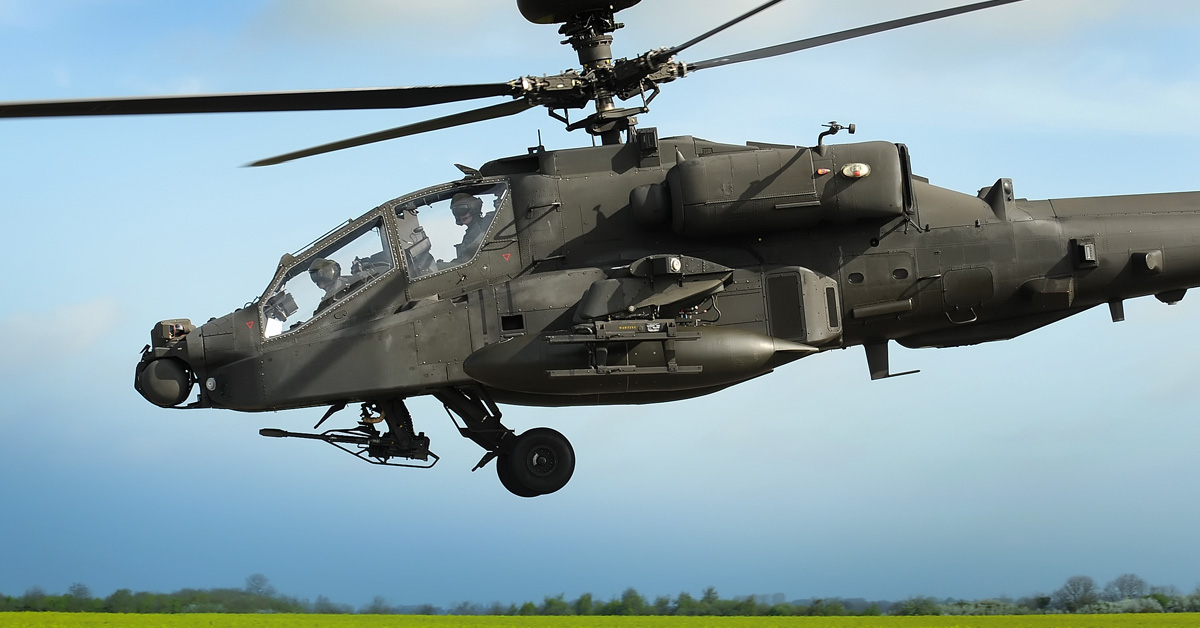
Overmatch is fleeting and while traditional acquisitions can’t always keep up with new threats, a different and approved practice can.

Standoff capability means warfighters stay connected and remain remotely located in a safer environment while making it harder for adversaries to target them.
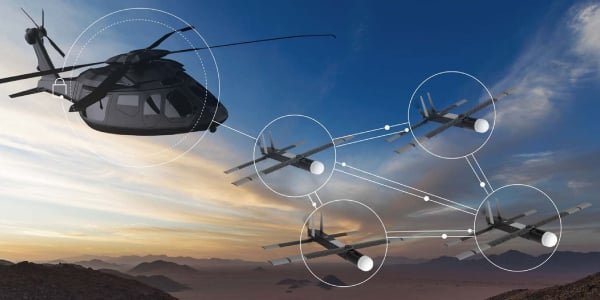
There are many critical connections being made across the FVL ecosystem that will also serve to modernize the current fleet.
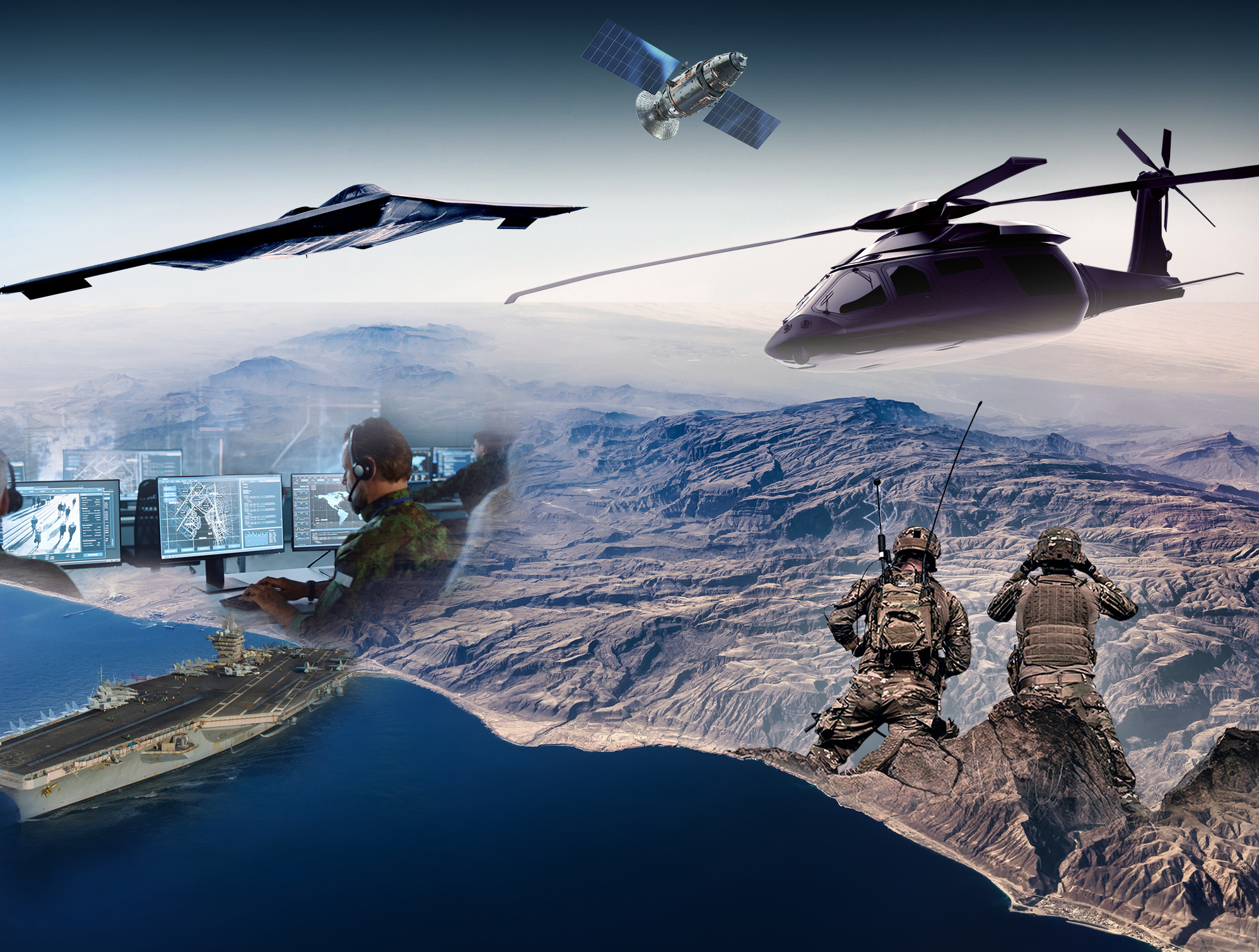
The key is creating intelligent gateways that connect networks and the cloud across security domains and translate data so the joint services can speak the same language

Innovative integration approaches and open systems architecture can bring revolutionary improvements to the performance of FLRAA and FARA, as well as the current fleet.
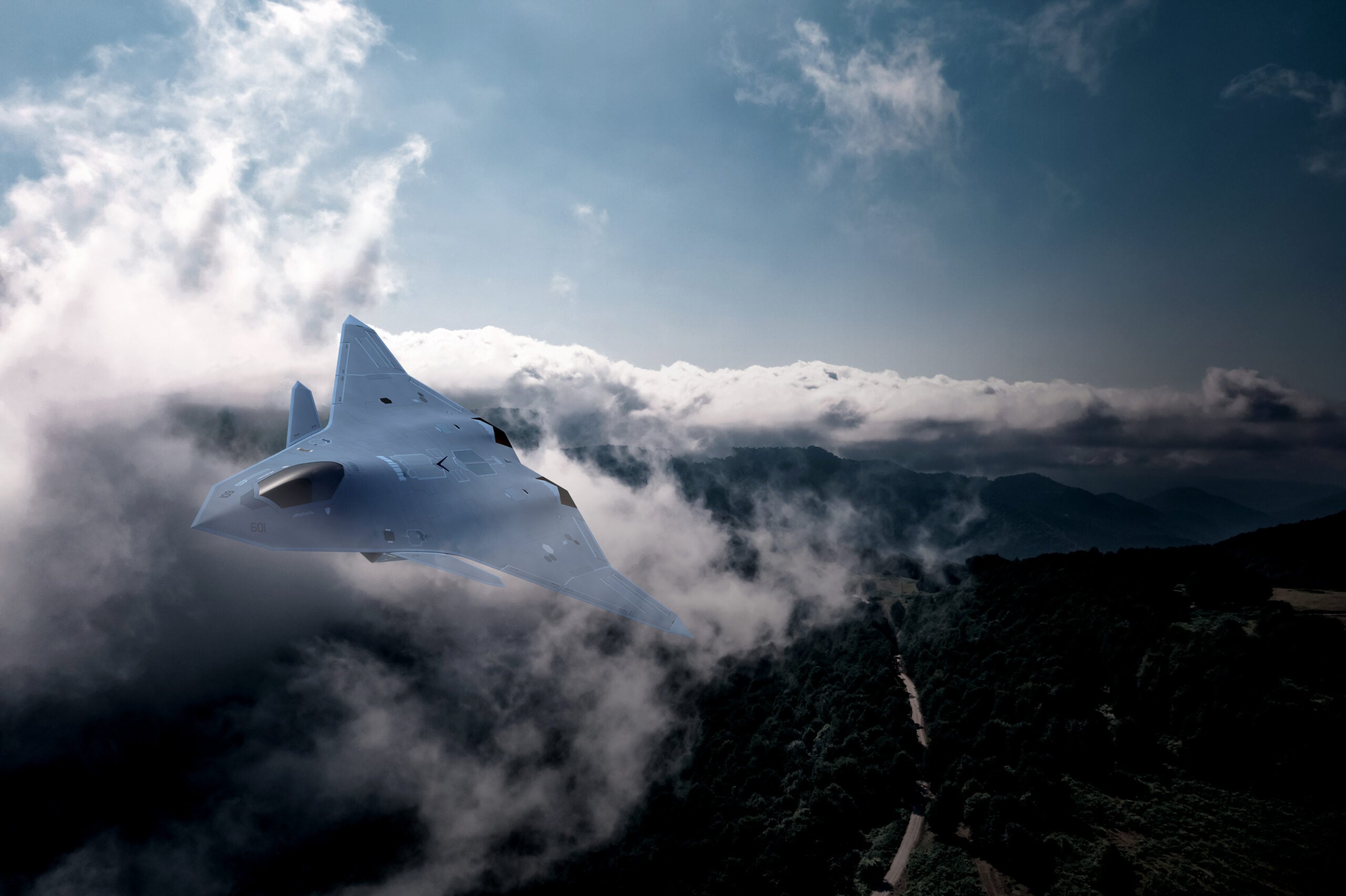
While the National Defense Authorization Act (NDAA) defined “open systems” at a high-level, each branch of the U.S. military is determining what that means for them. Collins Aerospace Mosarc™ solutions can address that across next-gen systems like NGAD, FVL, and KC-X.

Balancing security and access to data are critical to providing users with trustworthy, reliable data for real-time decisions.

You get higher speeds with less weight and drag. Meeting speed, range and payload targets for the Army’s two Future Vertical Lift programs can be partially accomplished with transformational integrations of systems that have never been brought together before.
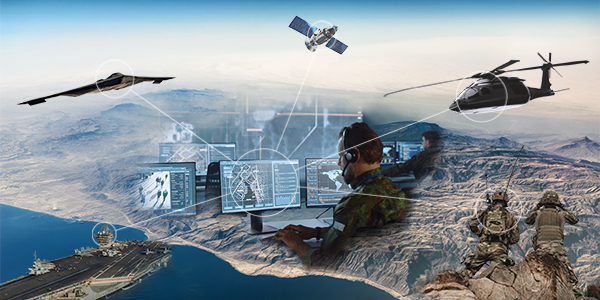
The DoD has partnered with the aerospace and defense industry to help solve one of the most complex challenges for the warfighter – enabling Joint All Domain Operations (JADO) and implementing Joint All-Domain Command and Control (JADC2).

There's no one software application, wave form, or set of capabilities that can win the day against near peers. Open systems, however, are that one thing that will keep Army systems relevant in all stages of conflict.
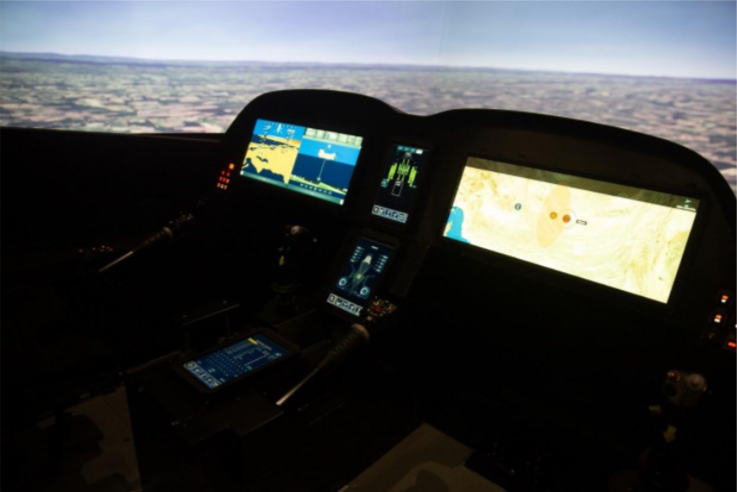
Success can only be achieved by finding common ground between the US government’s desire for MOSA and industry’s incentive to modify its current business cases.