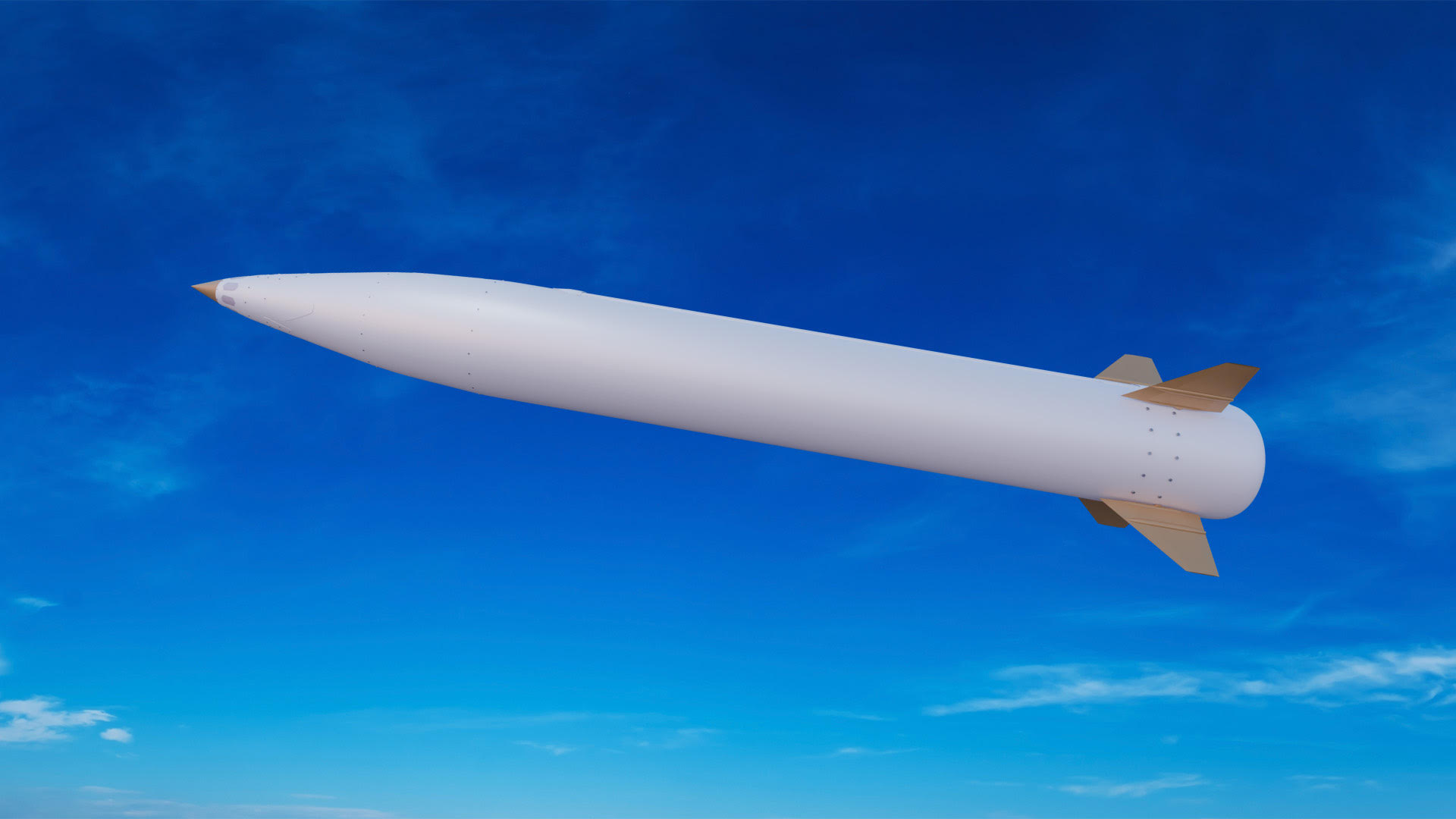
Army awards Lockheed $1.2B contract for PrSM Inc 2 system
Monday’s announcement comes after Lockheed successfully launched its first PrSM Increment 2 missile in February.
Monday’s announcement comes after Lockheed successfully launched its first PrSM Increment 2 missile in February.

Kyiv has sought more Patriot interceptors to aid in its defense against Russian missiles and drones.


Throttleable systems, boost-phase interception, and new manufacturing capacity expand missile defense options.
The planned buy is not designed to supplant work with Germany on a Deep Precision Strike weapon, the UK said.
The HIMARS buy will come to $2.3 billion AUD, as the Australian military aims to "significantly enhance" its long-range strike capability.
“We're making them put skin in the game … and we expect them to meet the ramp rates that they agree to. And, if they don't, there'll be penalties for them,” said Jules “Jay” Hurst, who is performing the duties of the Pentagon comptroller.
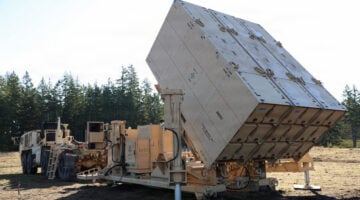
The Army has spent years evolving itself for a China fight and now needs Congress to back the systems it requires for a fight in the Pacific.


An airborne layer pushes drone engagements farther from defended assets and changes the cost-per-kill equation.
BAE Systems and Honeywell Aerospace have also inked new framework deals designed to boost munition production over the coming years.
Lockheed’s announcement comes shortly after the Army announced its Increment 1 PrSM capabilities were used for the first time in combat during the ongoing conflict in Iran.
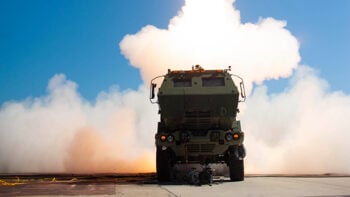
Head of Army acquisition Brent Ingraham said the service will initially focus on the sale of integrated air and missile defense, long-range fires, UAS and counter-UAS weapons.

In a social media post today CENTCOM said the missile provided “an unrivaled deep strike capability” against Iranian targets.

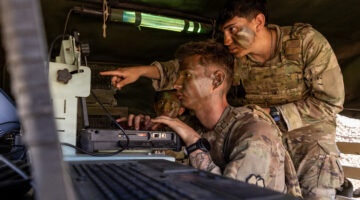
Lightning Surge exercises are turning soldier feedback on NGC2 into operational software changes in days, not years.

“While envisioned as a primary munition for CAML, Blackbeard GL is designed to be compatible with existing HIMARS platforms as an interim solution," the Army's fiscal 2026 budget said.
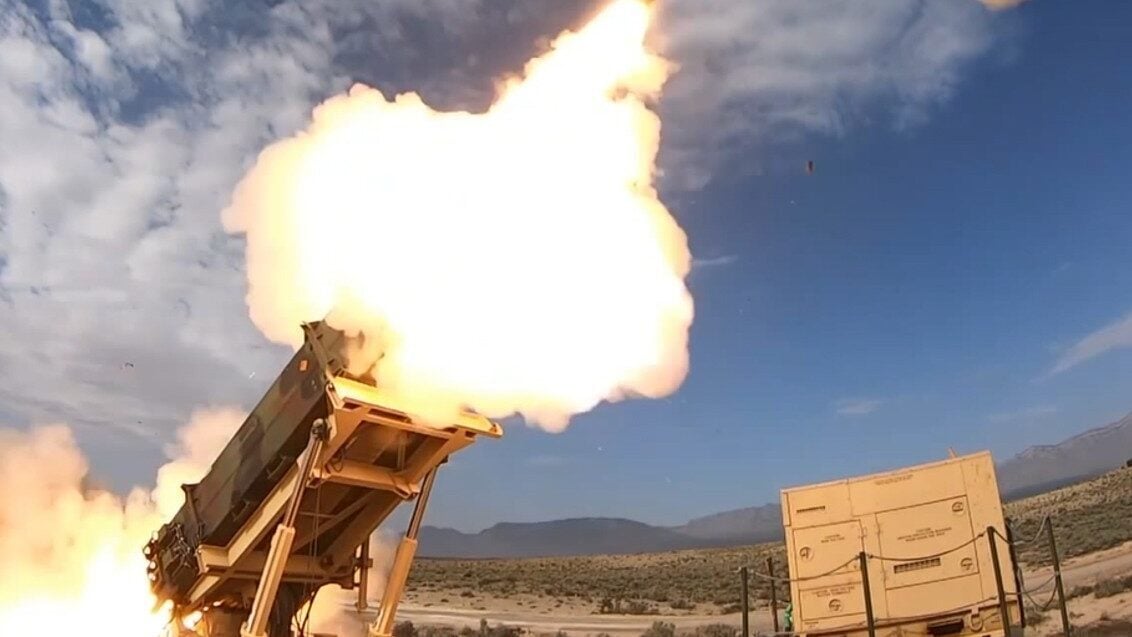
The Army's Unfunded Priorities List features, for instance, an additional $581 million for small drones and counter-unmanned aerial systems, as both are “changing faster than our budget can react," according to Army Chief of Staff Gen. Randy George.

"If we can build this better, faster, cheaper, both sides should be rewarded for that," said Bryon Hargis, Castelion’s founder and CEO.
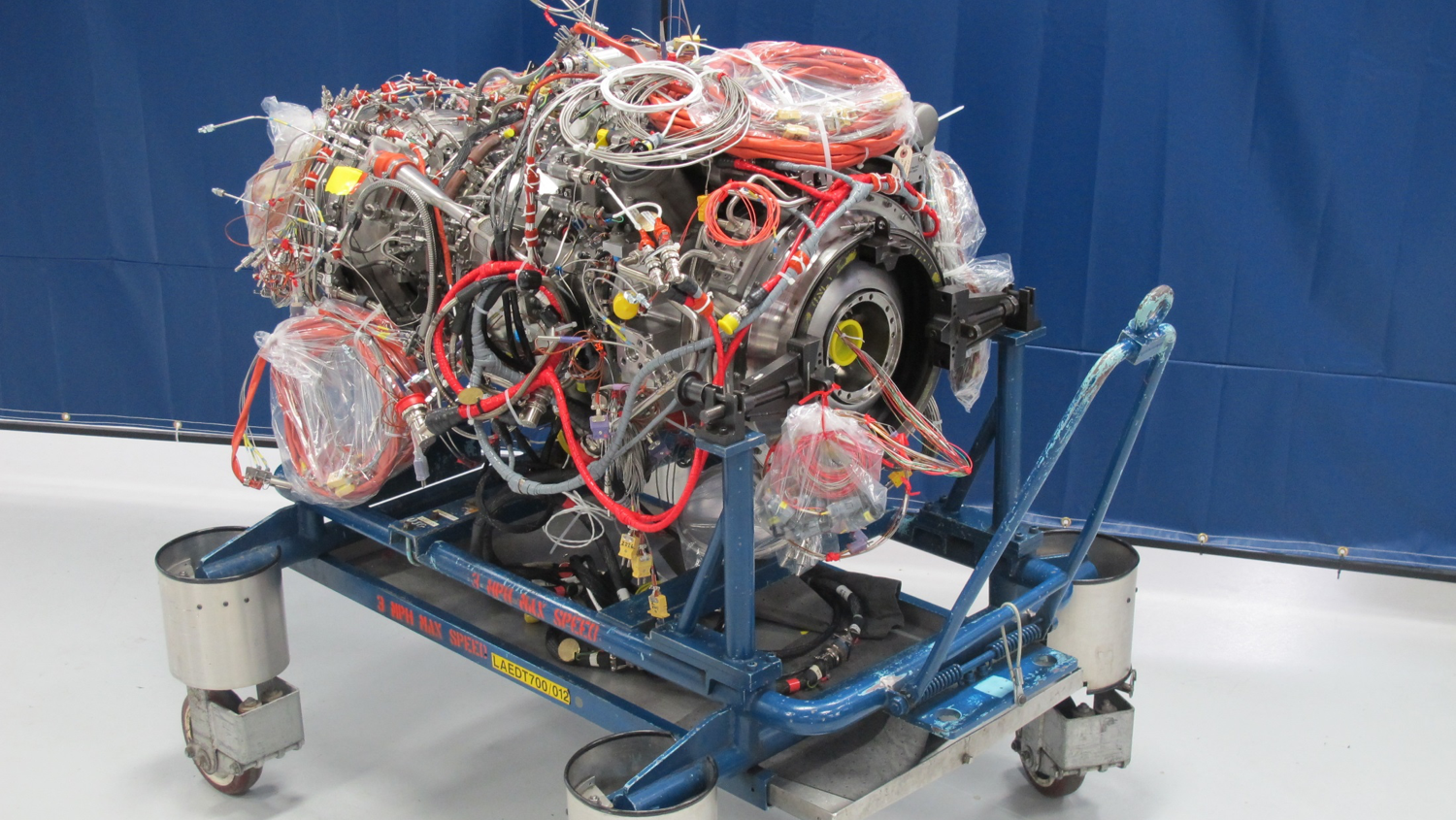
GE executive Mark Rettig said the company’s recent foray into hypersonic technology has opened a new range of opportunities for the engine maker.