
Green Berets, weaponized robots team up for offensive operations
The Army's Project Origin tech demonstrator helped clear objectives and mask soldier movements during a two-week experiment at Dugway Proving Ground, Utah.
The Army's Project Origin tech demonstrator helped clear objectives and mask soldier movements during a two-week experiment at Dugway Proving Ground, Utah.

US investments, from scout robots to anti-drone and anti-missile defenses, look remarkably smart after Russian forces ran into repeated ambushes in Ukraine.

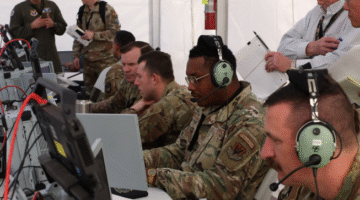
As threats rapidly evolve, digital engineering, manufacturing capacity and robust supply chains are critical to meeting challenges.
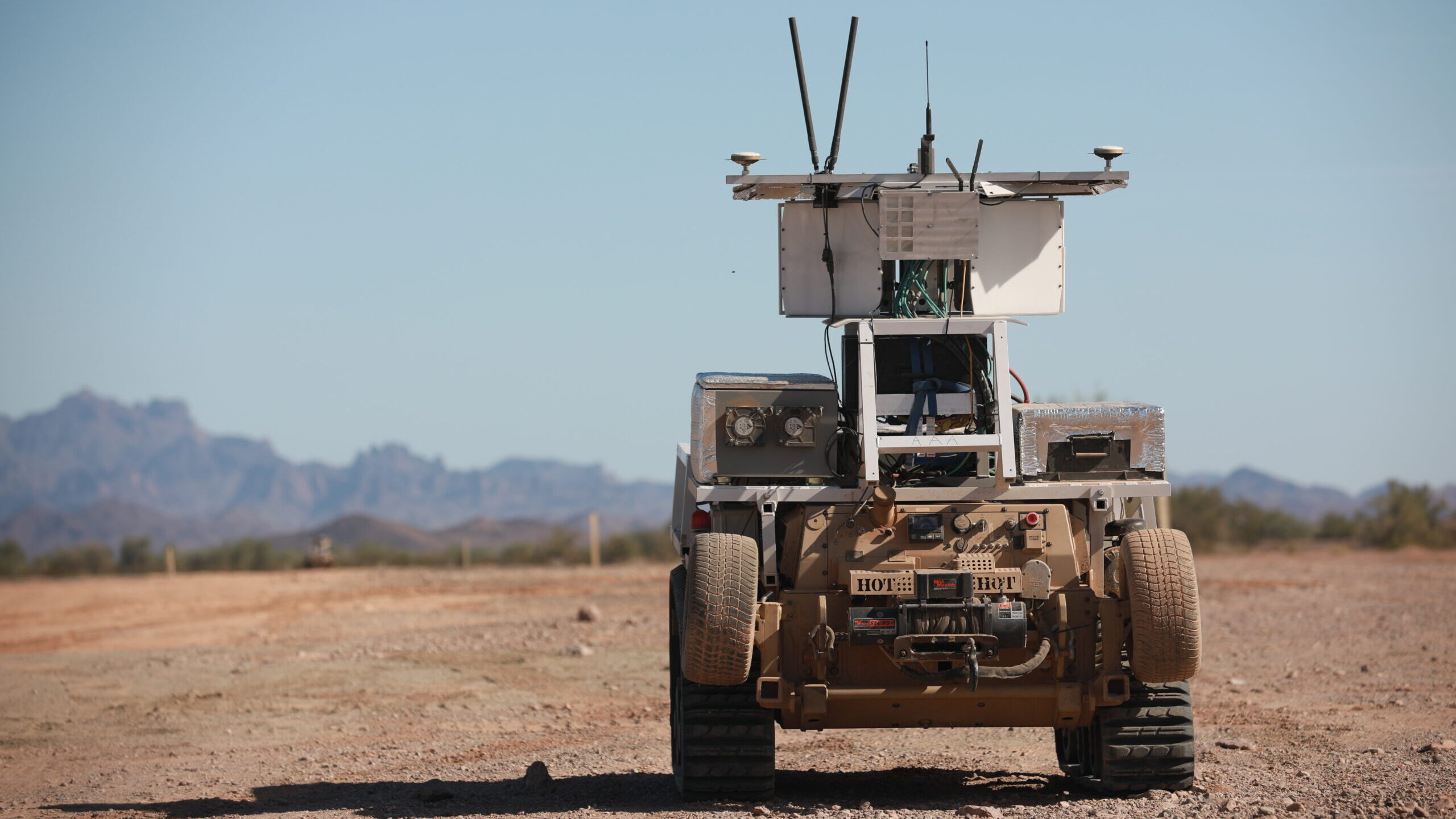
Without a soldier in the driver's seat, the Army wants high-tech sensors to sound the alarm when something is wrong, or even predict when it will be.
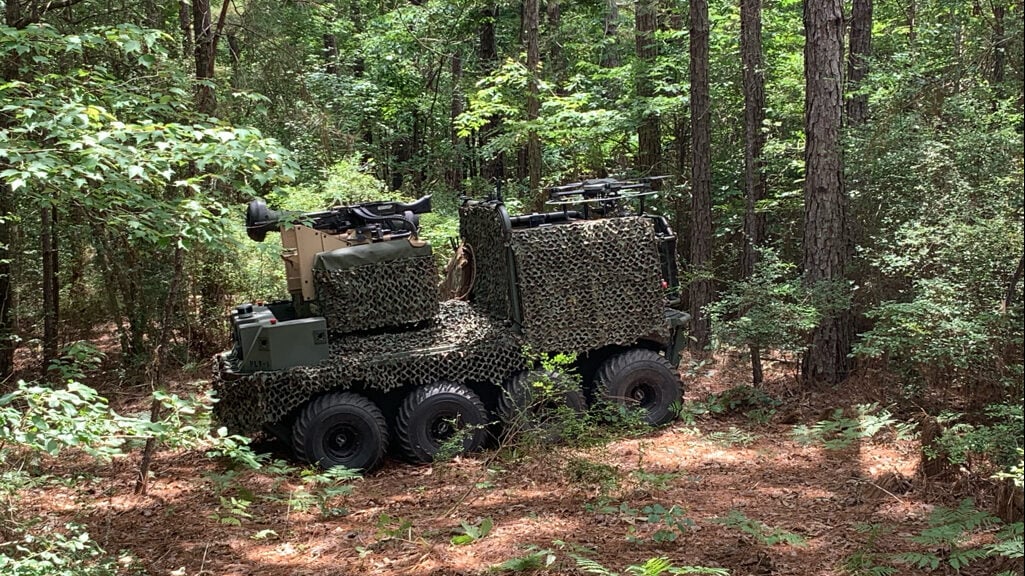
Two robot vehicles provided route reconnaissance, blocked an intersection and denied a helicopter landing zone during the JRTC rotation — all critical but potentially deadly tasks for soldiers.

Brig. Gen. William Glaser, head of the Army's Synthetic Training Environment effort, said his team is "very proud" of One World Terrain because it "really just started off as an idea within the simulations community, but it's expanded out significantly into the operational community."

Army Chief of Staff said modernization efforts are "already paying off."


The Sixth Domain is not defined by geography. It’s a new kind of conflict in which autonomy and networked systems allow thousand-dollar consumer electronics to destroy multi-million-dollar conventional weapons systems.

Artificial intelligence, machine learning, and edge computing are key enablers for distributed, multi-domain operations.
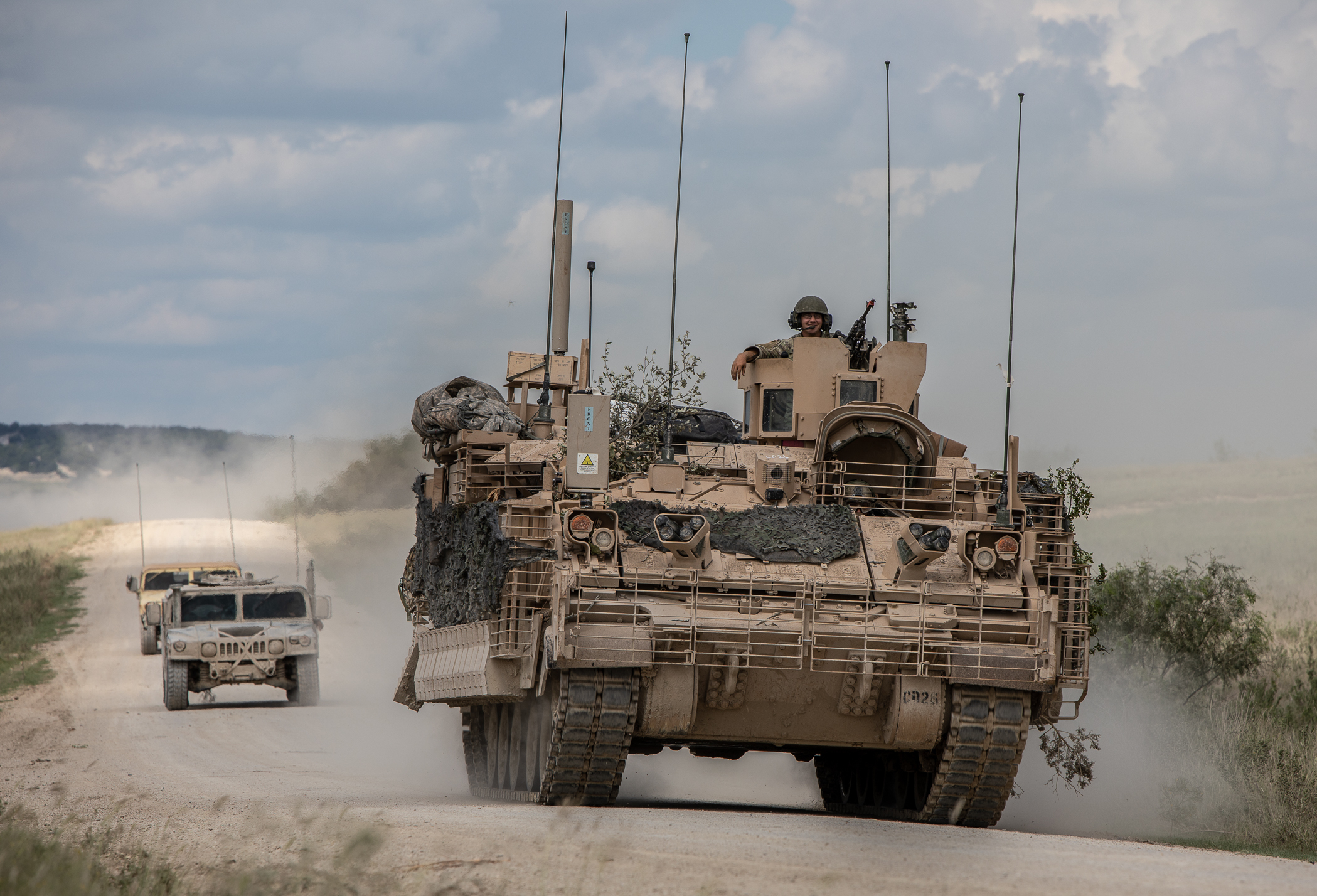
Adding robot scouts and replacing vintage vehicles – the M113, the M2 Bradley, and potentially even the M1 Abrams – will make heavy brigades much more mobile, lethal, and aware of threats, Maj. Gen. Richard Ross Coffman says.
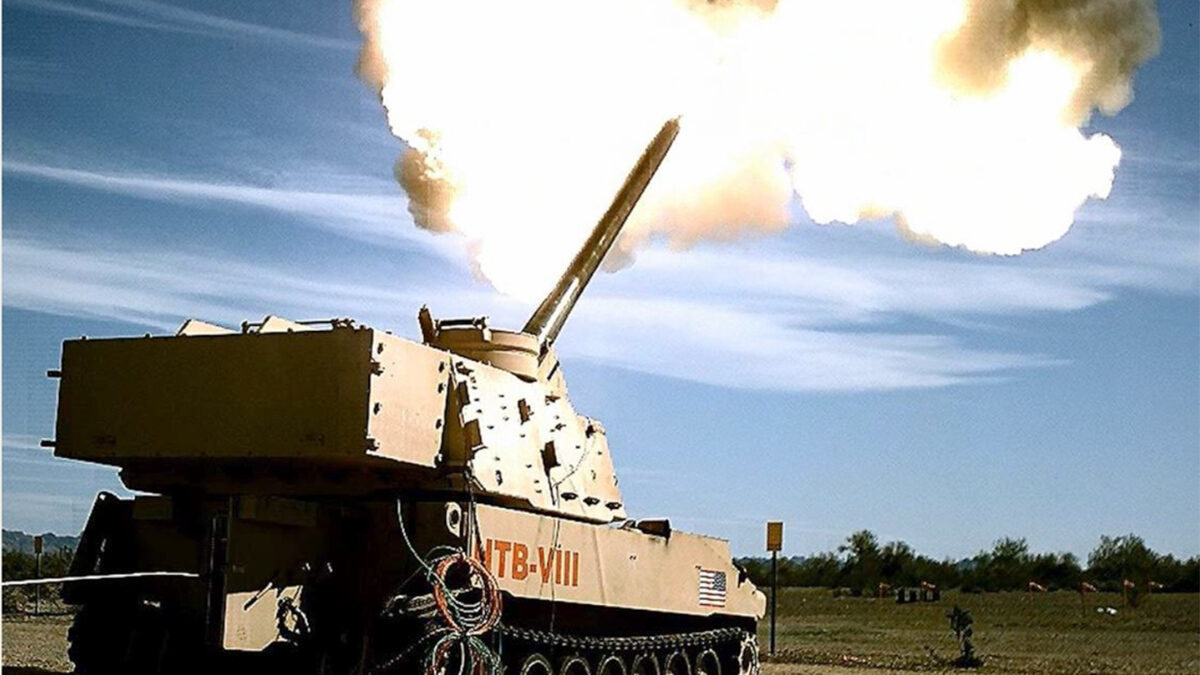
The Army is testing the MPF light tank; evaluating concepts for the OMFV troop carrier; preparing for major tests of high-tech Robotic Combat Vehicles and workhorse Armored Multi-Purpose Vehicles in 2022; and will test a full battalion of 18 ERCA howitzers in 2023.
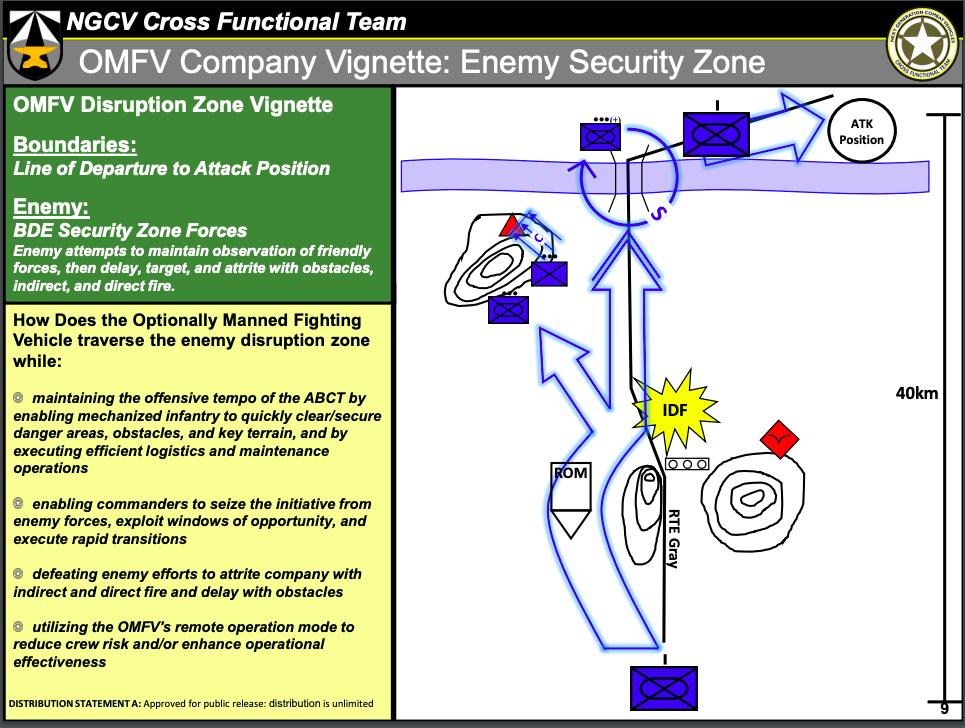
Want to make a mini-tank that carries two passengers in back? Or put the heavy weapons on one vehicle and the passengers in another? Go for it, the Army’s armor modernization director told industry.

Government can’t stop to update systems, so modernization has to happen without interruptions.

The Robotic Combat Vehicle (Light), which can shoot missiles, launch mini-drones, and spot targets for artillery, combines a Marine Corps-tested unmanned vehicle with Army weapons and autonomy software.

The Army has outlined draft objectives for a range of Robotic Combat Vehicles, from an expendable light scout armed with a single anti-tank missile to a 30-ton unmanned tank as tough as the 70-ton M1 Abrams.

New technologies and organizations will give soldiers an edge, Maj. Gen. Patrick Donahoe said, but tanks and foot troops will still face brutal close combat.
“Should we bias training data towards the weird stuff?,” asks Patrick Biltgen of Perspecta. “If there’s a war, we’re almost certain to see weird things we’ve never seen before.”