
EU lays out $18B satellite constellation plan, with Spanish firm winning key role
Overall investment in the high profile program is expected to push beyond $18 billion, with first satellite launches slated for 2029.
Overall investment in the high profile program is expected to push beyond $18 billion, with first satellite launches slated for 2029.
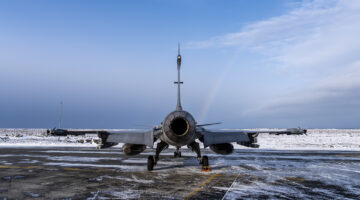
The contract is just the first step in a broader MoD plan to develop a secure Arctic communications grid.

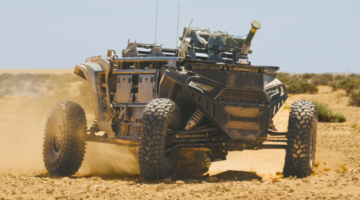
One commander, many robots: Fully autonomous ground vehicles are reshaping the battlefield.
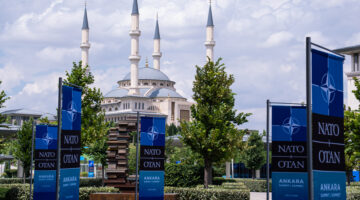
The network will involve Denmark, Canada, Finland, Germany, Norway, the Netherlands, Sweden and Turkey.
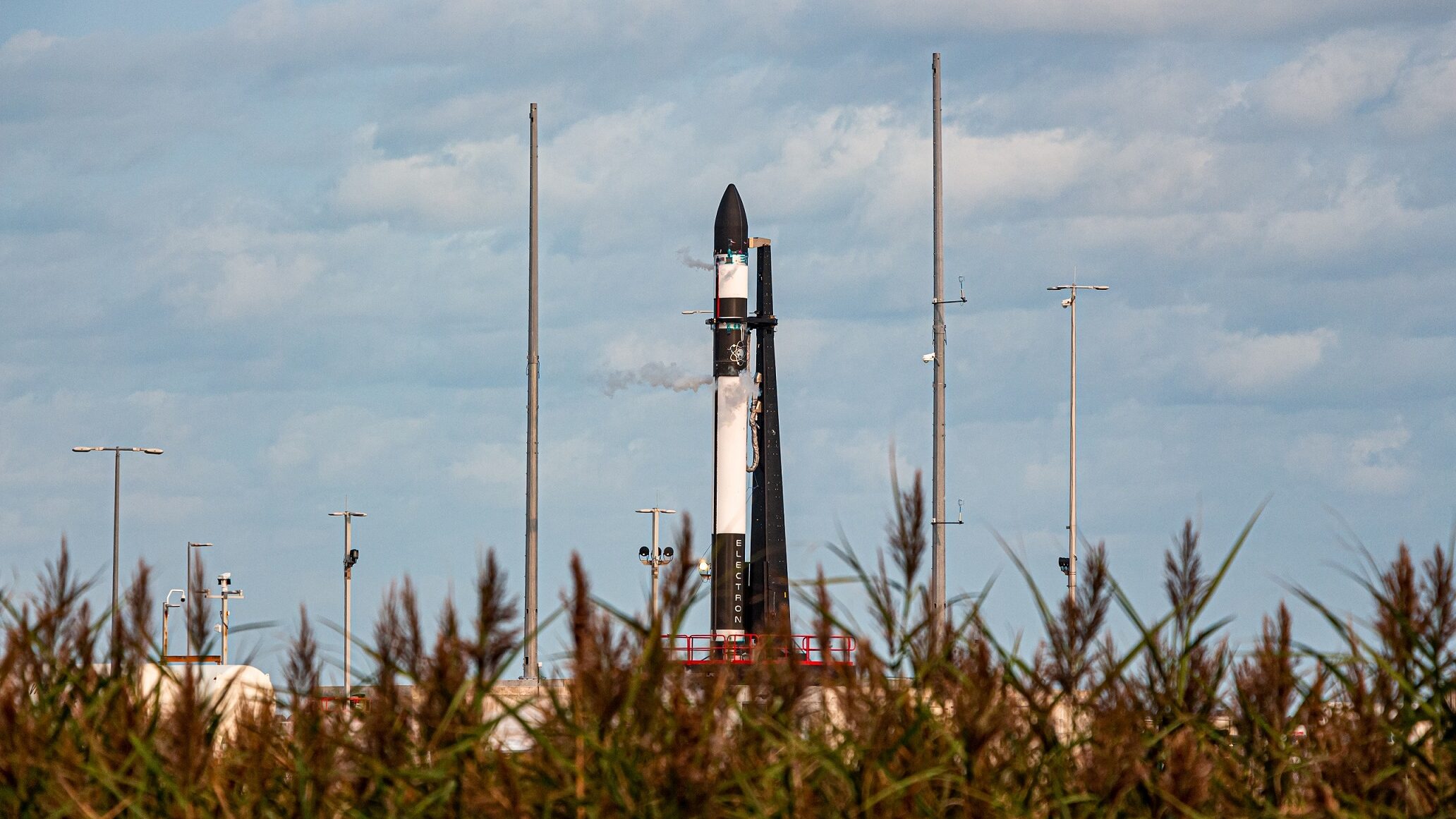
"Vertical integration is at the heart of this combination ― the ability to build, launch, and operate our own spacecraft quickly and cost-effectively," a Rocket Lab spokesperson told Breaking Defense.
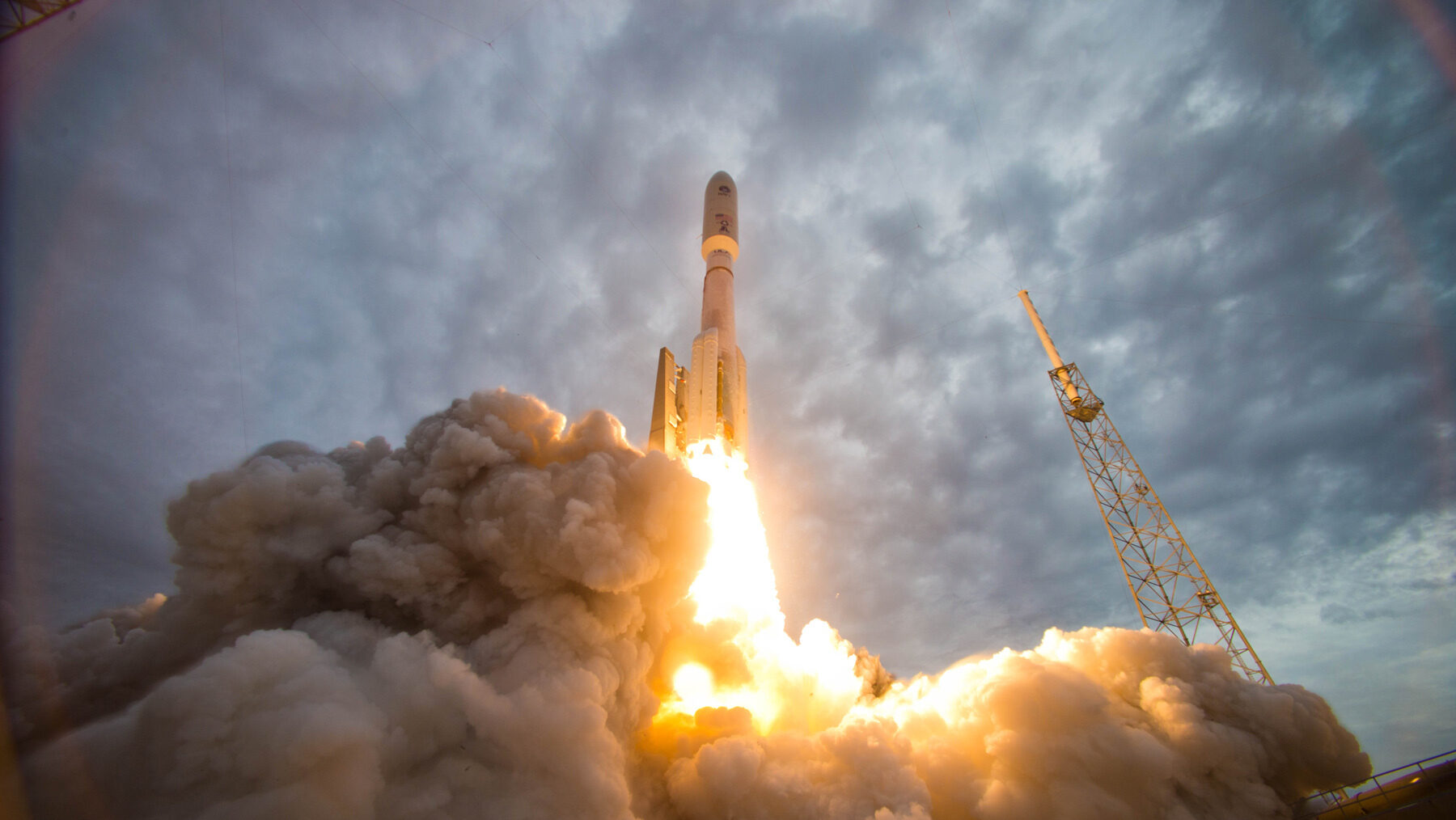
Set to be launched "no earlier" than 2031 and 2032, the new satellites will extend the life of the MUOS constellation through 2035, according to SSC.

The Secure World Foundation's annual report also identified a trend towards bodyguard satellites that shadow and defend high-value military and intelligence satellites from adversary attack.

Army vehicles like Bradley need greater power at the sprocket for speed, braking, and manueverability.
The SDN will provide the communications pathways for integrating and moving data from missile warning/tracking sensors to interceptors in near-real time under the Golden Dome construct.
While senior officials have offered praise with few details, experts told Breaking Defense space ops likely include jamming or spoofing satellite communications.
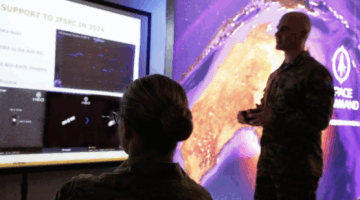
"The ADF will seek space advantage to enable freedom of action by temporally assuring access and disrupting or denying an adversary use of the space domain, as required," states Australia's Concept SELENE outlining military space operations.
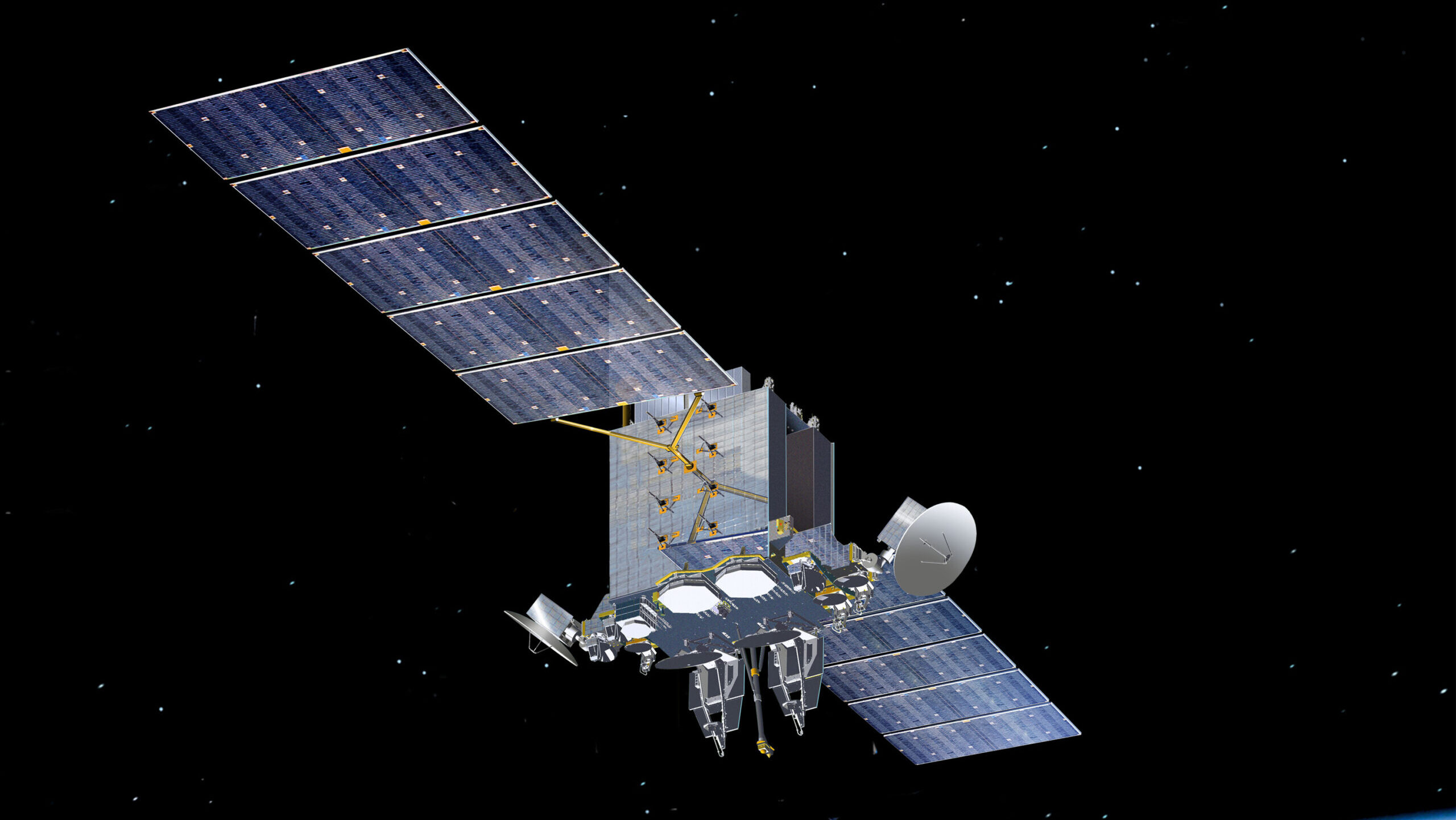
The Protected Tactical Satellite Communications-Global awards are representative of a wider shift in Space Force acquisition strategy aimed at using commercial tech to speed new capabilities to the field.

APKWS® laser‑guidance kit provides reliable precision‑guided munitions across missions and platforms, delivered quickly to meet evolving operational demands.
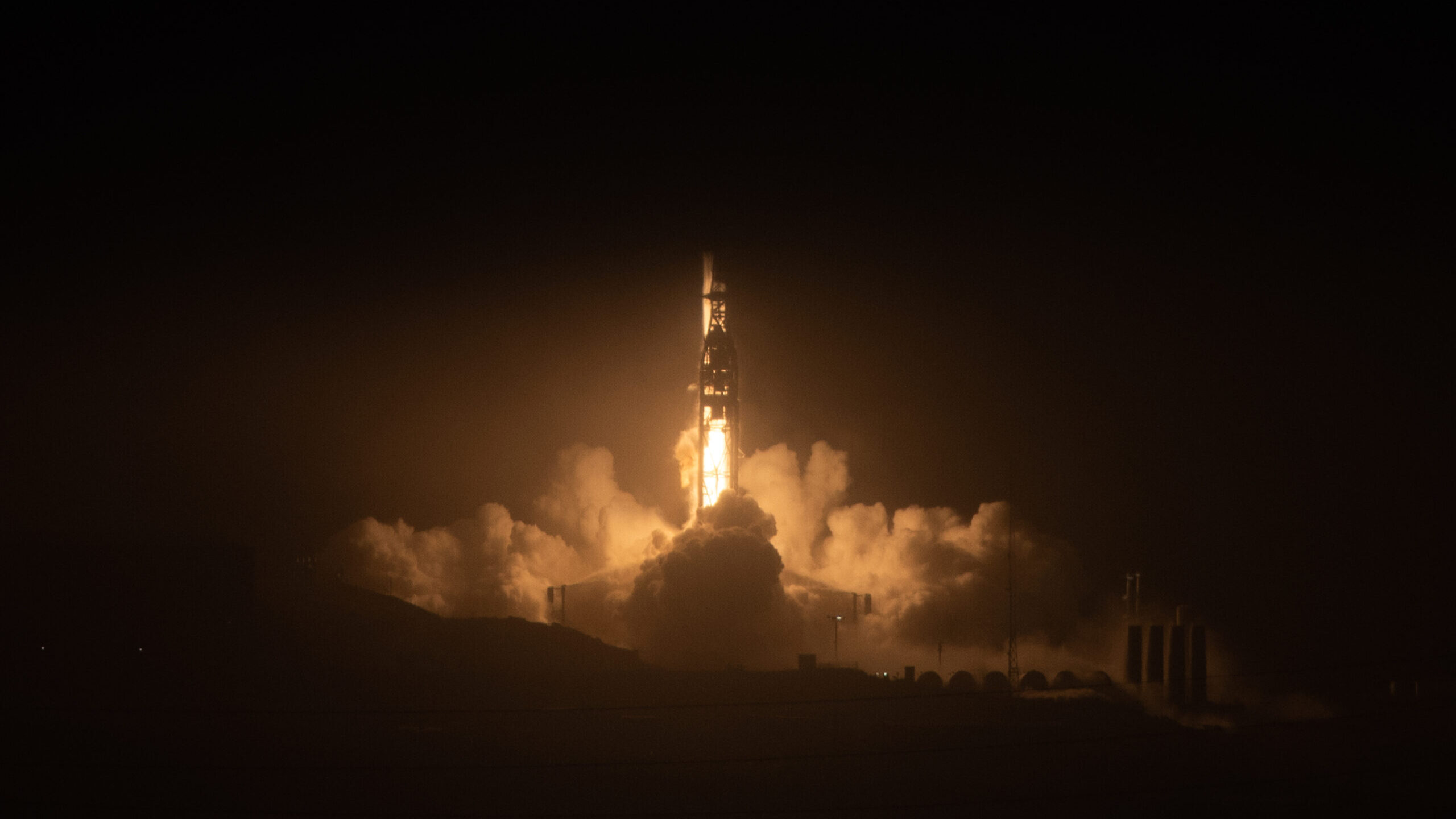
Contracts for the next-generation Tranche 3, which will replace the earliest Transport Layer satellites, have been paused until the Space Force study is completed, five sources with knowledge of the program told Breaking Defense.

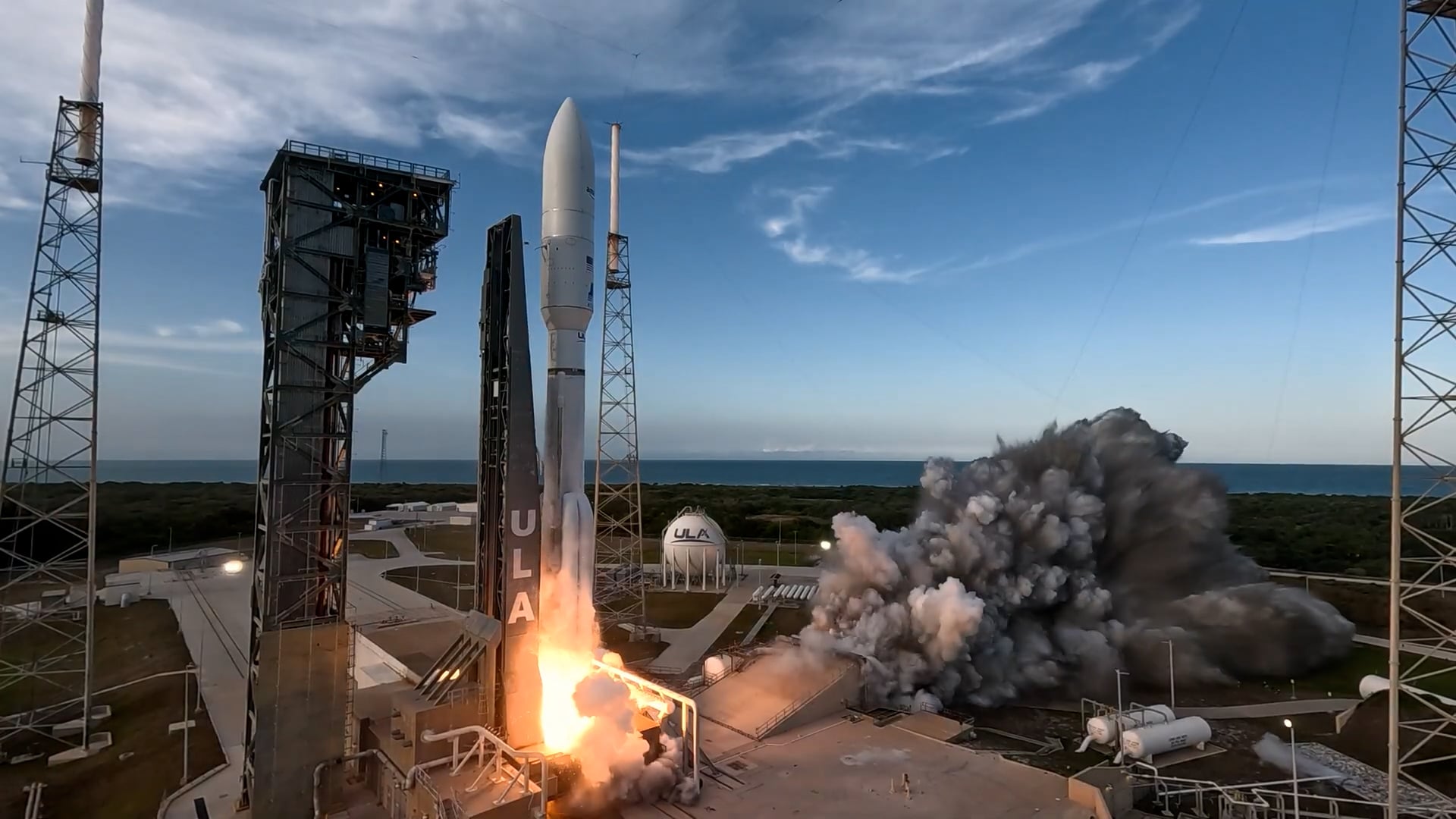
Amazon Kuiper is building a space network that can withstand attacks by rapidly reconstituting capabilities.

HSA is aimed at creating a "hack-proof" internet in space comprising commercial and government SATCOM birds to underpin the Defense Department's Combined Joint All Domain Command and Control concept to link sensors and shooters in real time.
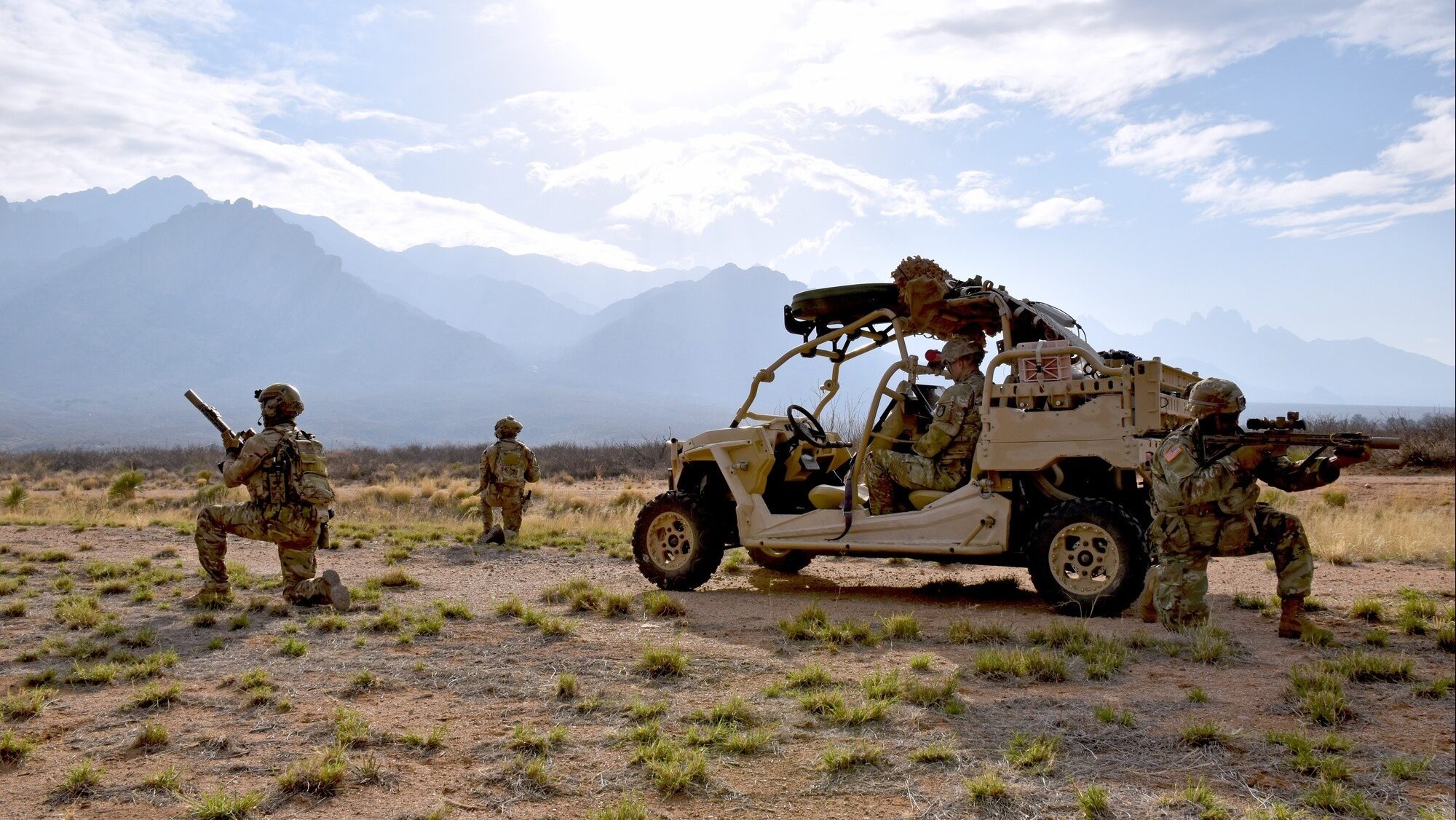
"We're very much complimentary to the Space Force and to the other services, but we truly do see space as that critical component to set the theater well in advance of phase one operations," Col. Donald Brooks, commandant of the Space and Missile Defense Center of Excellence, told Breaking Defense. "When the first round is shot, the missile is shot, space needs to be there months, if not years, in advance to help set those conditions."