
Pentagon inks SM-3 framework deals with RTX, Boeing on critical components
The seven-year framework deals cover key SM-3 components including avionics and ejector assemblies.
The seven-year framework deals cover key SM-3 components including avionics and ejector assemblies.

In the face of growing air and missile threats in the Pacific, robust radar coverage and command networks will be critical to US and Japanese defense objectives, Tom Karako writes.

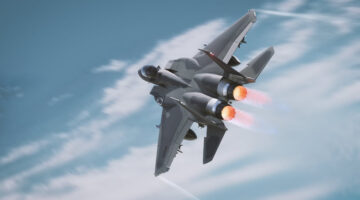
GE Aerospace’s investments in the F110 are paying off in both production and delivery performance.

"If boost-phase intercept from space is not affordable and scalable, we will not produce it, because we have other options to get after it," said Space Force Gen. Michael Guetlein.

The inclusion of space-based interceptors is a particularly hard nut for Moscow to swallow, given long-standing Russian belief that such weapons are aimed at undercutting the country’s nuclear retaliatory capability following a US first strike.
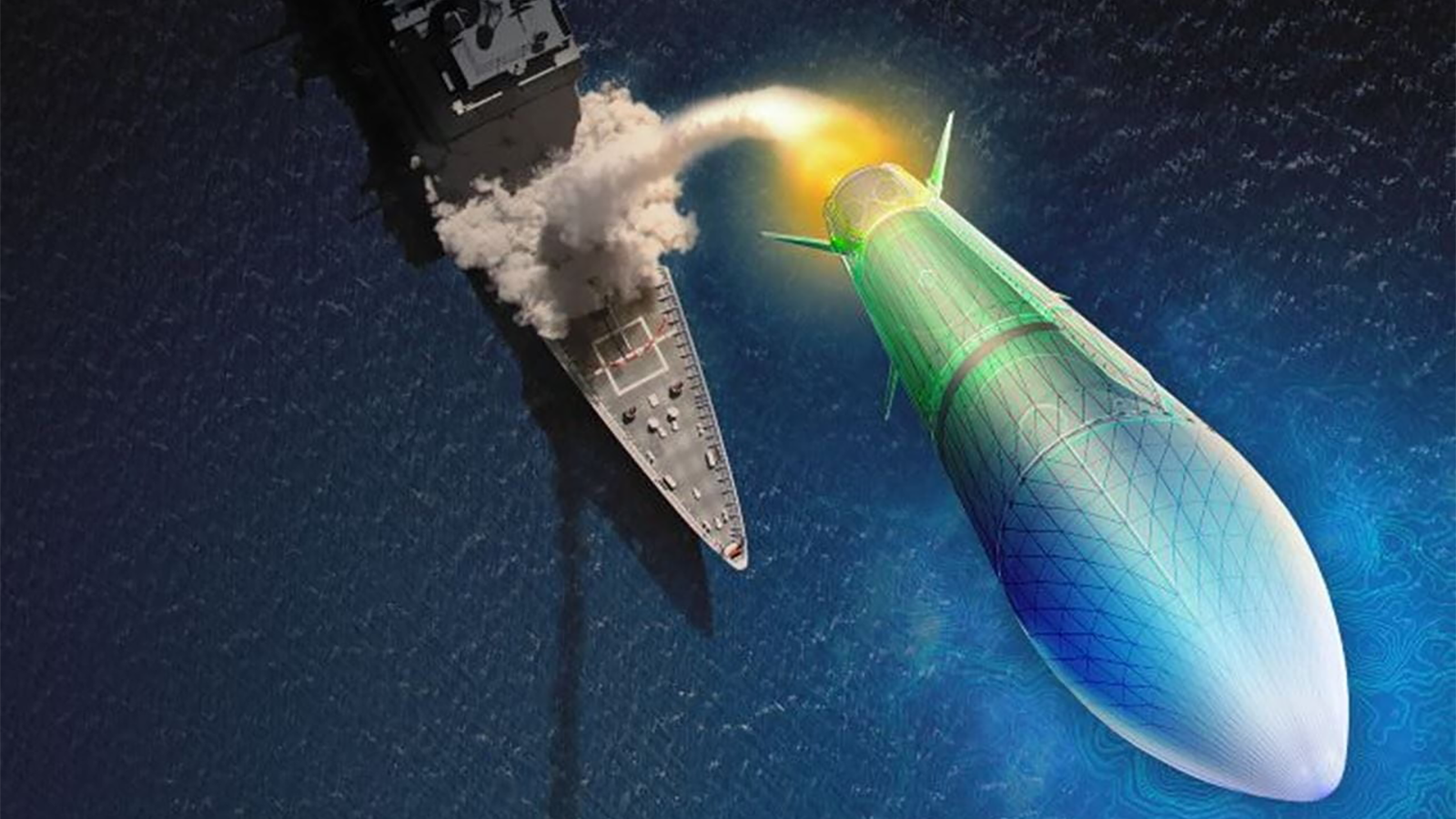
Washington and Tokyo hope to nail down co-funding details for the Glide Phase Interceptor by next year, according to a Pentagon spokesperson.
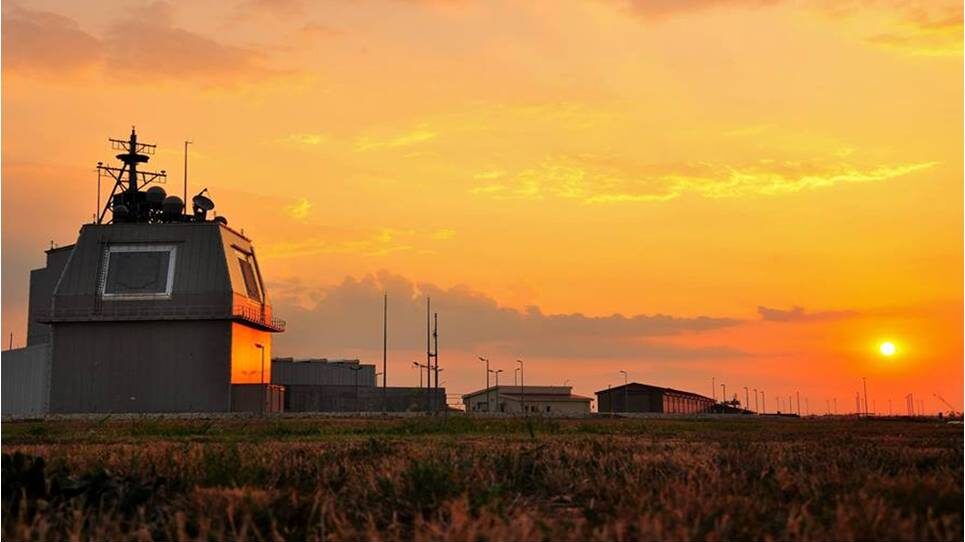
MDA Acting Director Rear Adm. Doug Williams said that the agency's plans include beginning tests of its Next-Generation Interceptor in 2027, "with the anticipation of operational testing of NGI at the end of 2029."

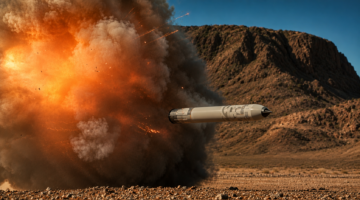
The goal of such weaponization is to tie warfighter needs to the RDT&E cycle.

The agreement is designed to both stabilize and low costs of the supply chain under Raytheon's long-running contracts with the Missile Defense Agency (MDA) and the Navy.

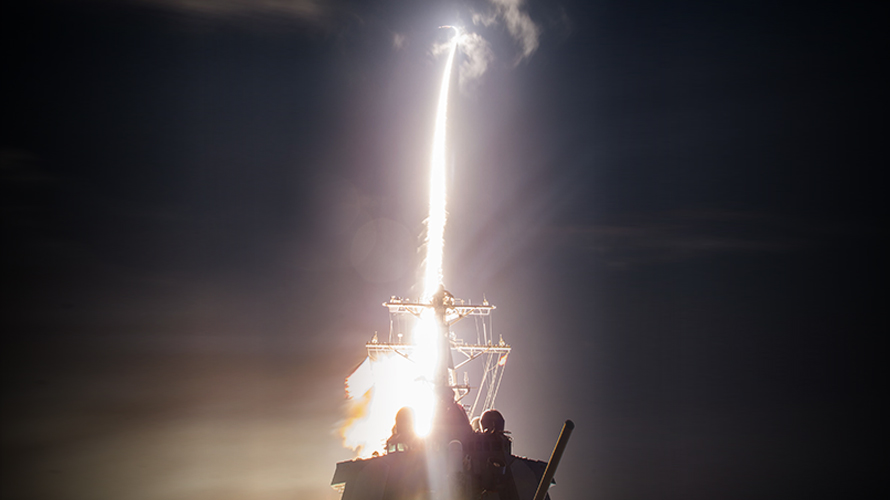
The joint venture on the SM-3 Block IIA interceptor between Raytheon and the Japanese defense industry could point the way for international defense cooperation in the future.

By 2021, plans call for Japan to have eight Aegis destroyers, four of them capable of launching the SM-3 Block IIA missiles, whose second successful test in a row comes as a vindication after two previous failures.