
Countering missile threats with enhanced warning and tracking payloads
Missile speed, maneuverability, and destructive power requires more capable payloads for accelerated kill chain timelines.

Missile speed, maneuverability, and destructive power requires more capable payloads for accelerated kill chain timelines.

Space Systems Command (SSC) in recent weeks has issued a flurry of contracts for the key hardware and software "thrusts" that make up the FORGE program, following a restructuring in 2023 that broke the effort into more manageable pieces.

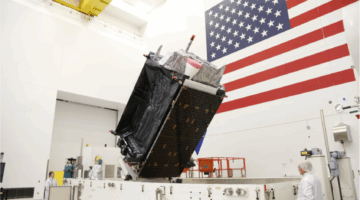
The GPS network continues to prove its unmatched reliability, and it’s only getting stronger.

"We are leaning forward establishing this technical IPT to try to pull together all of the systems and start thinking about it from an overarching perspective," Chief of Space Operations Gen. Chance Saltzman said.

The Space Force expects the multi-faceted Future Operationally Resilient Ground Evolution (FORGE) program to cost a total of $2.4 billion.

The contract, announced by the company today, will support Space Systems Command's Program Executive Office for Space Sensing, which is responsible for the service's missile warning, weather monitoring and "persistent tactical surveillance" programs.

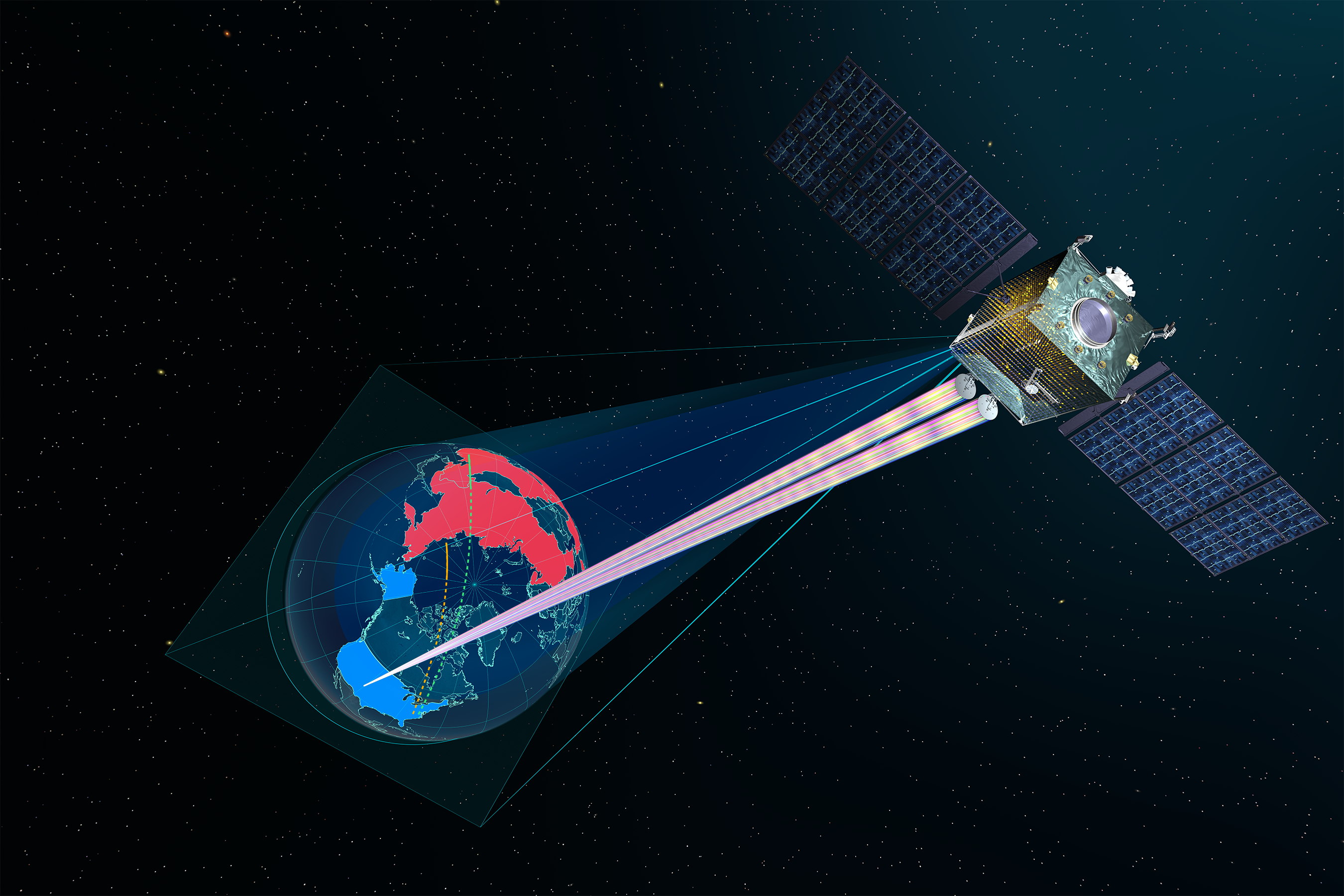
Two of the five OPIR missile warning satellites will be polar-oriented to sense ballistic missile threats from adversaries. All five are designed to not only detect launches but to track missiles as they maneuver.

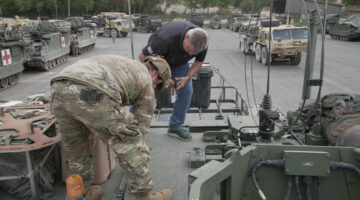
The network transport architecture for NGC2 could be a hybrid approach that combines high assurance communications with 5G, WiFi, and multi-orbit satellites.
Raytheon Intelligence & Space and Boeing's Millennium Space Systems are now on contract to deliver flight-ready prototypes by 2026.

For the newest military arm, this year saw it plant the seeds for important changes in everything from strategy to acquisition.


A new breed of small sat for the U.S. Space Force launches into orbit.

"We'll do away with the GEOs, and the big, exquisite expensive satellites," said SDA Director Derek Tournear.


Knowing when to build on commercial systems and when to develop something new can be the difference between parity and information dominance.
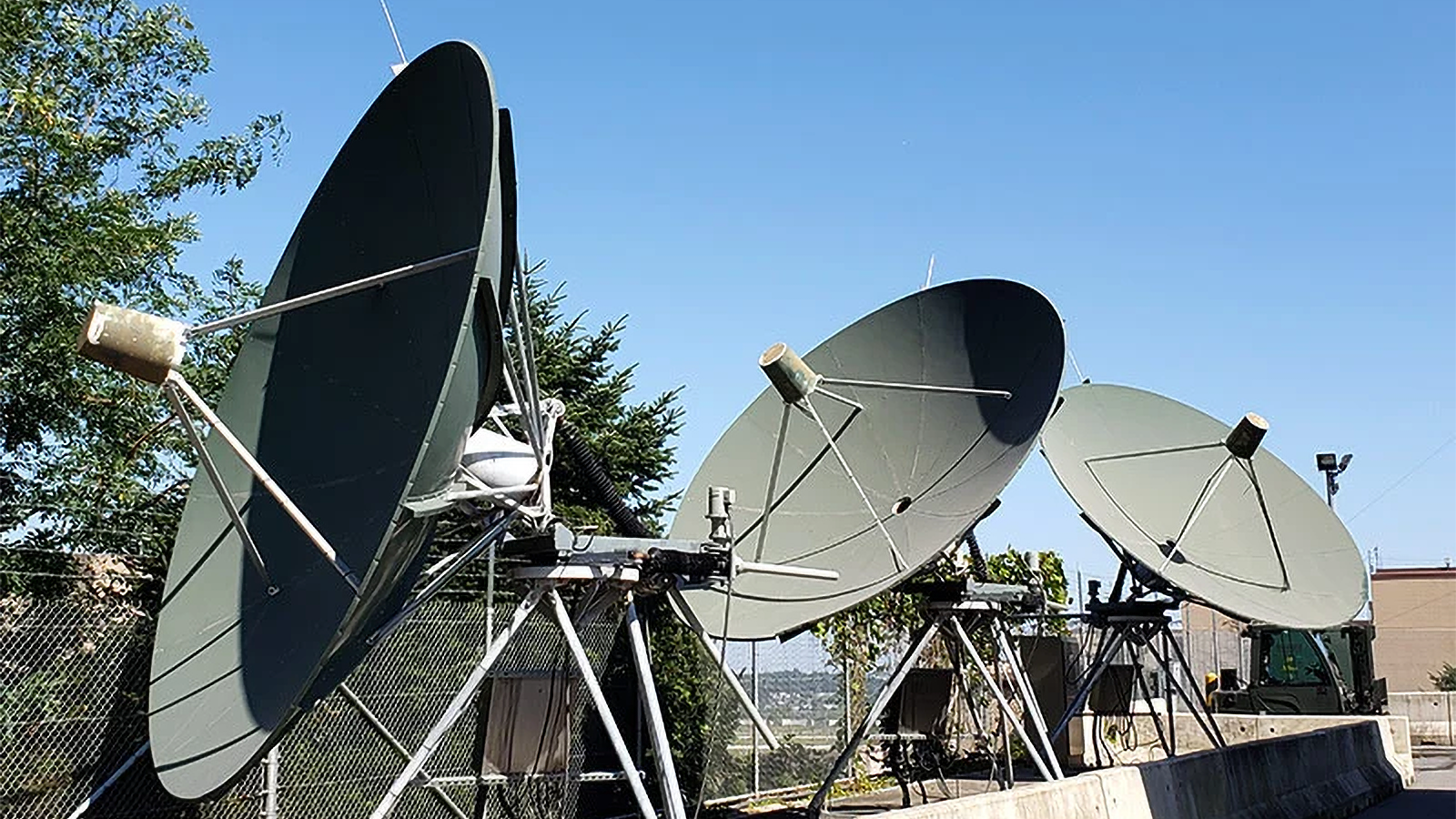
If and when the Army's Joint Tactical Ground System is transferred, all mission warning functions will be underneath one Space Force operational command Delta, said Maj. Gen. Doug Schiess, vice commander of Space Operations Command (SpOC).

Assuming the Thursday launch goes as planned, the last of the satellites, SBIRS GEO-6, is expected to be up and running by "late spring, early summer" next year, according to Maj. Matt Blystone.
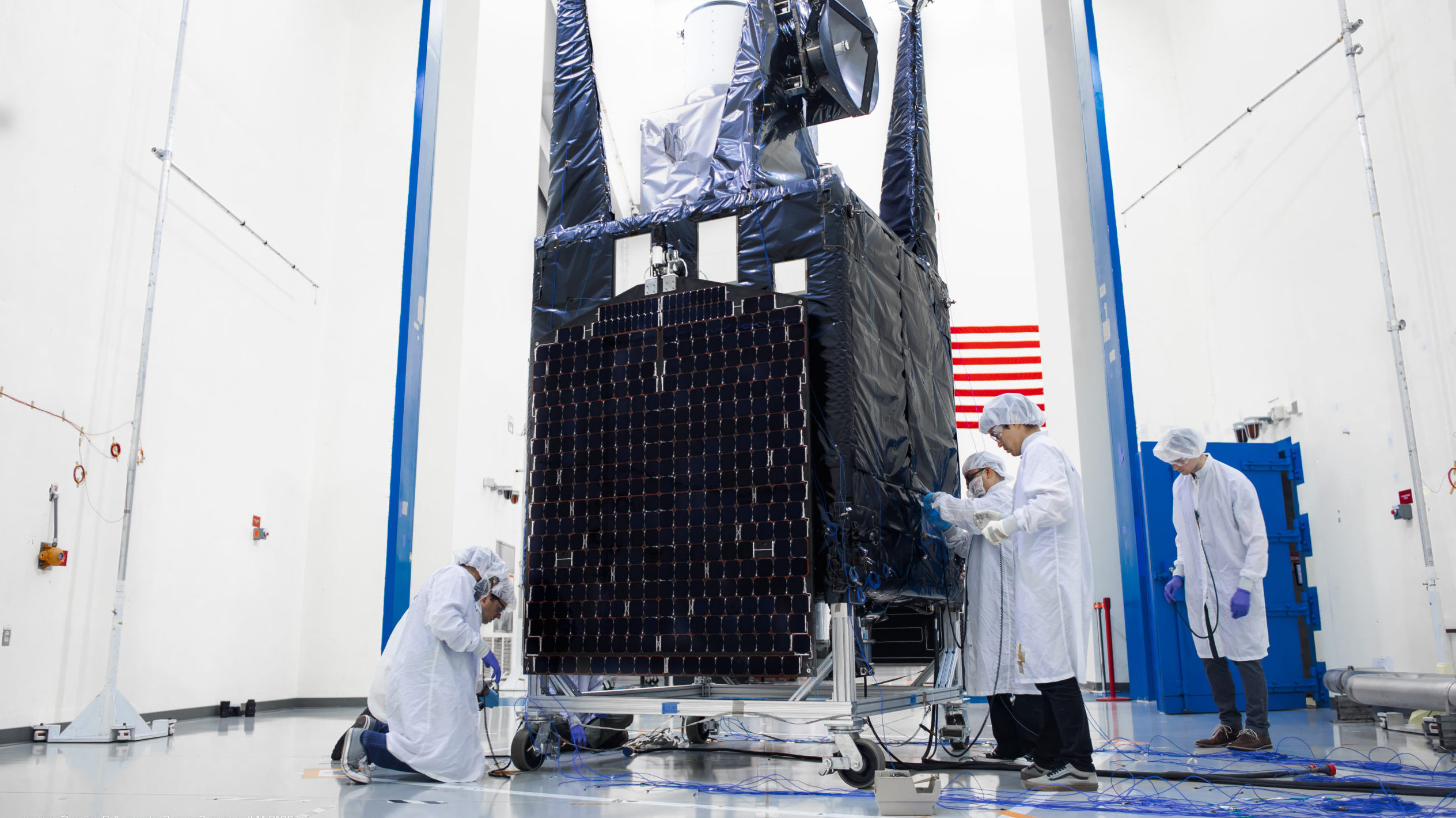
The WFOV satellite, being built by Boeing's Millennium Space Systems, is expected to launch this evening on a United Launch Alliance (ULA) Atlas 5 rocket, under the National Security Space Launch program.

A study by the Space Warfighting Analysis Center that determined a multi-layered network of satellites in Geosynchronous Orbit (GEO), highly-elliptical polar orbit, Low Earth Orbit (LEO) and Medium Earth Orbit (MEO) is necessary to provide comprehensive ballistic and hypersonic missile warning and tracking.