Japan launches second US military payload to monitor space above Indo-Pacific
The data from the hosted payloads on QZS-7 and its predecessor QZS-6 will feed into the US Space Surveillance Network operated by the 18th Space Defense Squadron.
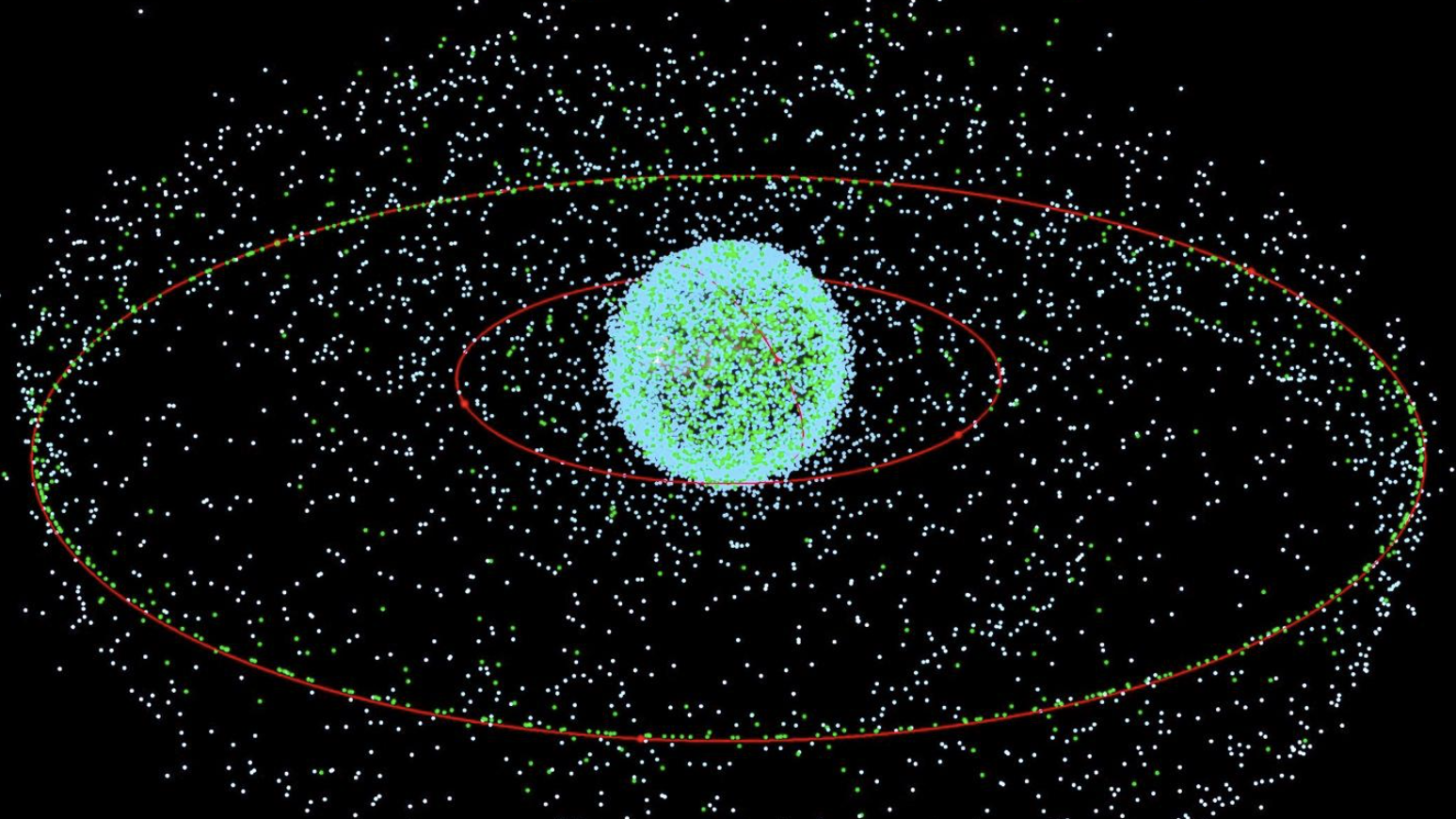
Satellite operators make decisions based on the quality and confidence of orbital data they receive. But new research indicates that such data must be improved in order for space safety and security to be effective, argues Dan Oltrogge.
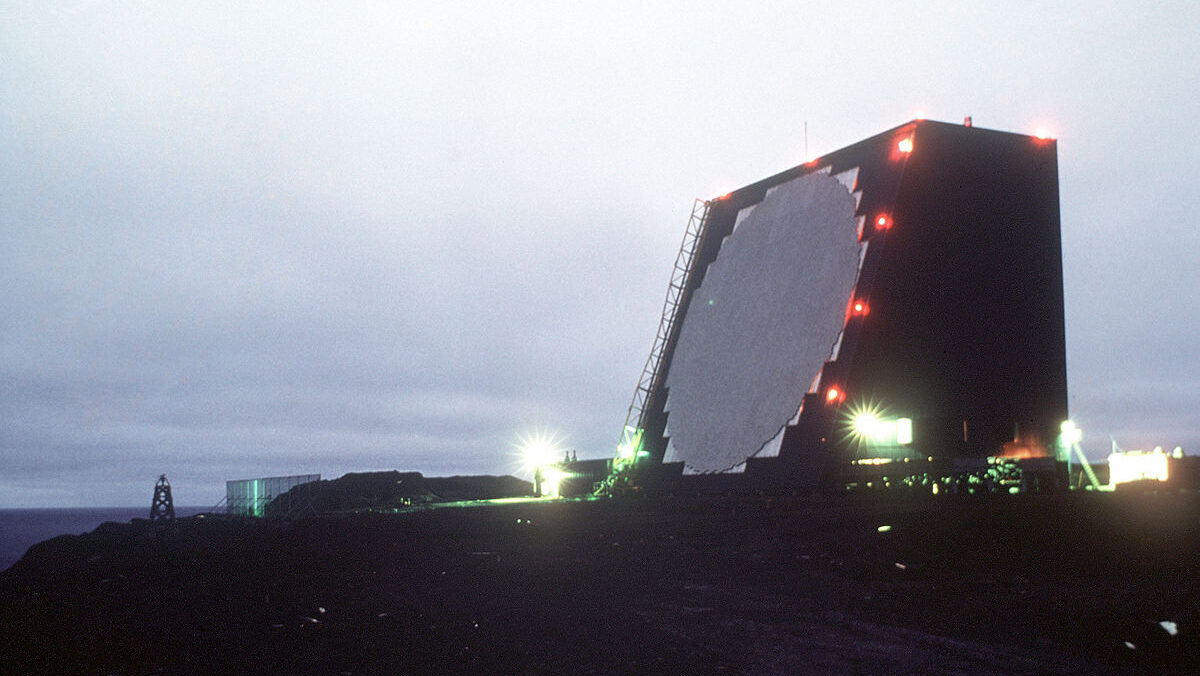
The sweeping new update plan will include development of a single computerized brain for all eight radar, as well as modernized front end antennas to improve detection of smaller, faster missiles, an SSC spokesperson said.
Anduril intends to "fully absorb" ExoAnalytic's team of some 130 people rather than create a separate subsidiary, a senior Anduril exec said.
A recent study co-sponsored by NATO's Innovation Fund found that investment in European "Defence, Security and Resilience" startups increases by 55 percent in 2025.
US officials say they hope the talks spur greater transparency from China in particular about satellite operations.
Stargaze, which will publish space monitoring data free of charge, uses startrackers carried on all Starlink satellites to calculate possible collisions in low Earth orbit, according to SpaceX.
Spaceflux data is being provided to the National Space Operations Centre (NSpOC) jointly managed by the UK Defence Ministry and the UK Space Agency.
The new strategy calls on German MoD to develop a number of new space-based capabilities, including "effectors" to counter adversary threats on orbit such as agile spaceplanes and "bodyguard" satellites with shoot-back systems.
The reorganization of the JCO will involve two elements: setting up processes for JCO to provide commercial space monitoring data directly to operators and establishing an acquisition pathway for that data.
After a drastic reduction proposed by the White House, the Senate Appropriations Committee would fund the Office of Space Commerce at $60 million in FY26 to continue with TraCSS.
The Trump administration’s budget would dramatically shrink the Office of Space Commerce and cancel an effort to transition responsibilities for keeping tabs on civil satellites from the Pentagon to the Commerce Department.
The new strategy strongly echoes the US Space Force's Commercial Space Strategy published in April 2024, and copies some of the implementation tools the service has put into place.
"While this type of close approach activity does not automatically signify a military mission, it obviously could provide a co-orbital counterspace capability," expert Victoria Samson told Breaking Defense.