
Senate takes next steps toward confirming key Pentagon officials
Lawmakers voted en bloc, setting up a next round of votes to confirm a new Pentagon comptroller, along with other influential positions.
Lawmakers voted en bloc, setting up a next round of votes to confirm a new Pentagon comptroller, along with other influential positions.
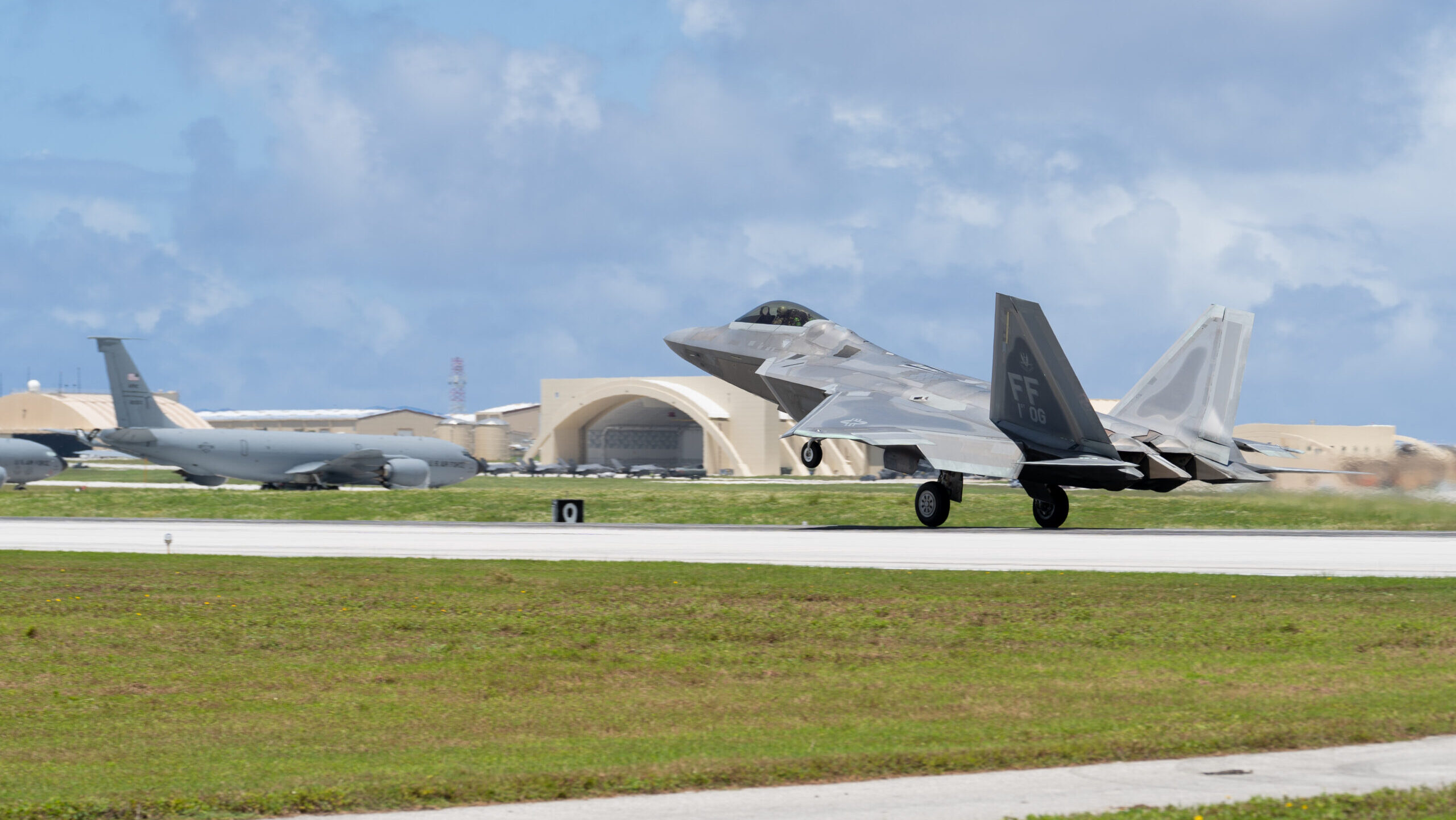
“I think we've done a pretty good job of identifying, amongst commanders, where we're going to take risk or how we manage the risks as we prioritize… [efforts] in the CENTCOM region right now and what are those things that you know we are able to absorb as commanders elsewhere in the Air Force enterprise,” said PACAF Commander Gen. Kevin Schneider.

AI is reshaping the Army’s approach to cyber, electronic warfare and command and control. At TechNet Augusta 2026, leaders outlined how they’re turning emerging technology into capabilities for the battlefield.

In an at times contentious hearing, the defense secretary said the administration urgently needed nearly $90 billion in supplemental funding in part to cover Iran conflict-related costs.

The sum falls slightly short of the $67 billion requested by the White House for expenses related to the Iran War.

The department has already issued guidance to its program offices on how to spend the money before the deadline hits.

The request includes $21 billion to recoup munitions used in the conflict, as well as other pots of money - some related to the Iran war, some not.


Manufacturing scale, global sustainment, and next-gen tech are becoming inseparable.

Two top appropriators — Sens. Mitch McConnell and Susan Collins — expressed doubt that a third reconciliation bill with defense funding will pass.

"We're not making an estimate for MILCON [military construction] at this time. We don't know what our future posture is going to be," said Pentagon comptroller Jules Hurst.

Members of the House Armed Services Committee also pressed Defense Secretary Pete Hegseth on the recent firing of Army and Navy leaders.

OMB Director Russell Vought defended the use of reconciliation to pay for $350 billion in defense, saying the move would ensure that funds “aren’t held hostage” during traditional the appropriations process.


Traditional thinking about how to protect facilities must adapt to new threats such as drones or downstream attacks.

President Donald Trump has indicated plans to request $1.5 trillion in defense funding in FY27, but it is unclear whether that sum will stem purely from the base budget.

“Obviously it takes … money to kill bad guys so we're going back to Congress and folks there to ensure that we're properly funded for what's been done, for what we may have to do in the future,” said US Defense Secretary Pete Hegseth.

The Trump administration has not disclosed if that figure will be spread between the base budget and supplemental for operations against Iran.

Jules Hurst did not say when lawmakers could expect to receive the funding request, which is said to be over $50 billion.