
Mine hunting goes remote as the Navy replaces minesweepers with robots
With minesweepers retired, the US is turning to remote and robotic mine-neutralization tactics.
With minesweepers retired, the US is turning to remote and robotic mine-neutralization tactics.
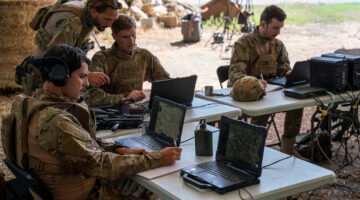
“We do believe that there is an operational need and a solution based on our open standard, being able to address the sovereignty for the countries. We do believe that this solution is already fit for purpose regarding the Gulf,” Thales Vice President for Multi-Domain Operations Patrick Moreau told Breaking Defense.


Decentralized Embodied Collaborative intelligence enables better reconnaissance, logistics and combat capabilities.
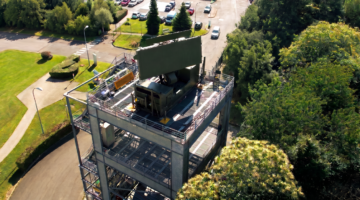
Dublin said last year that a “record” €1.5 billion defense budget would allow “significant progress” to be made on the radar project.

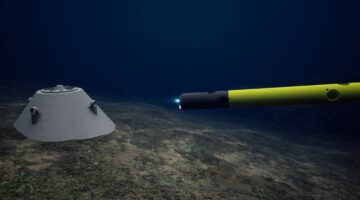
Remote mine hunting combines autonomy, AI, and advanced sonar to clear waterways faster with less danger.

Belgian defense officials said the cooperation will strengthen European security of rocket supply.

A recent sequence of undersea-focused defense acquisitions is a welcome pivot to a critical warfighting domain, two CSIS experts argue.

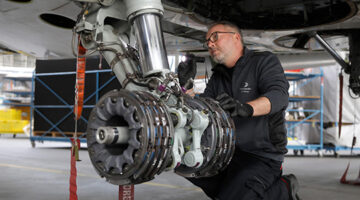
A commitment to long-term operational value.

The coalition's flagship project will be centered around the Ukraine-developed Freyja, while a European industry group separately announced that exo-atmospheric interceptor project is now also in the works.
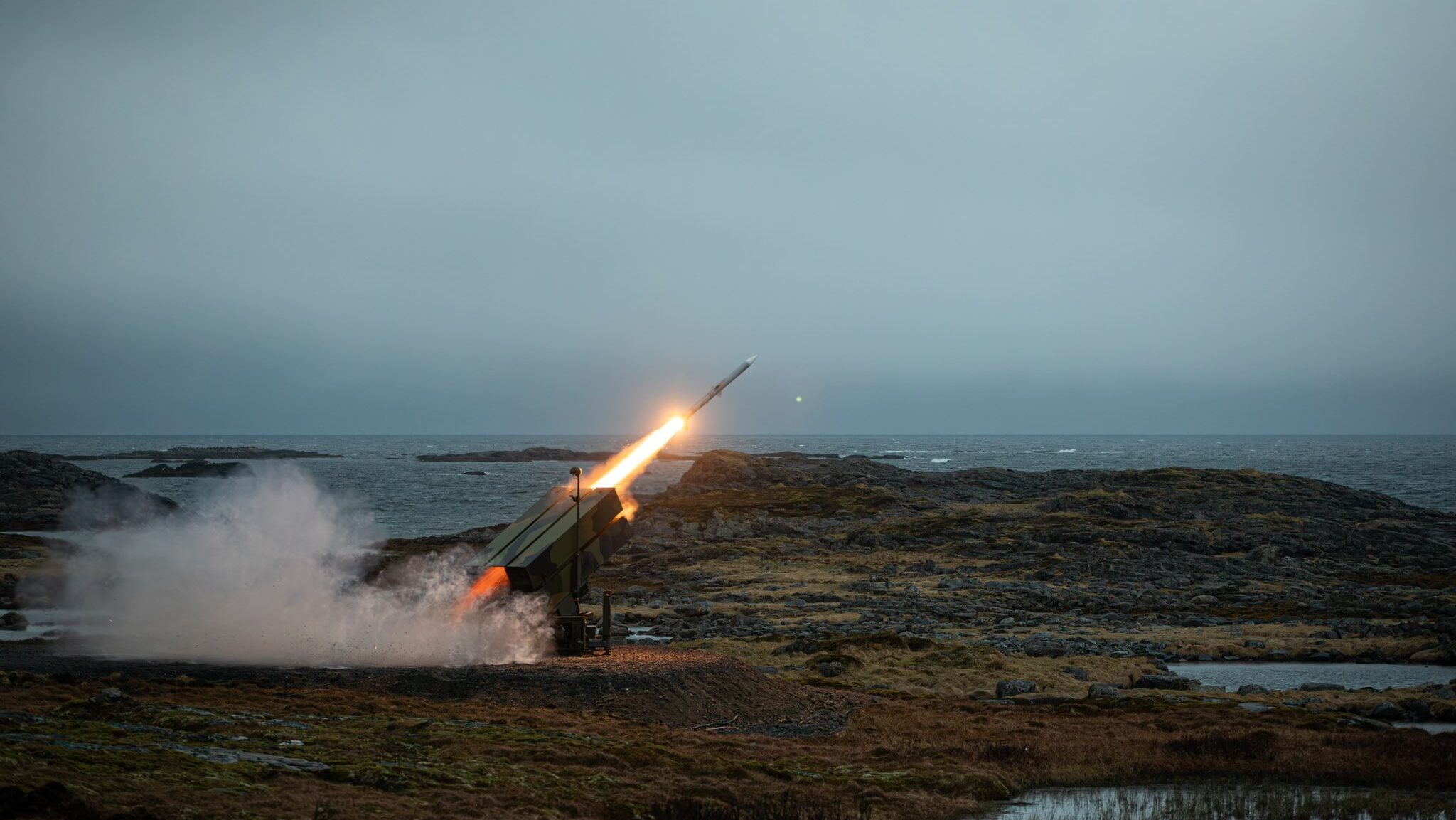
"After twenty years without one, Belgium will build again its own powerful air defence capability through this joint procurement,” said Belgian Defense Minister Theo Francken.

Italian shipbuilding company Fincantieri also announced today an agreement to acquire four underwater technology firms.

“France fears we might see high intensity combat on its territory and to prepare for this possibility we need to be ready,” Thales' Marc Dehondt said.


Traditional thinking about how to protect facilities must adapt to new threats such as drones or downstream attacks.

France has allocated approximately €600 million ($692 million) to replace its legacy LRU launchers.
"We more than doubled the [production] number, considering the situation at the moment in the Middle East,” a company executive told Breaking Defense.
The move to open talks comes after The Hague and Washington signed a 2024 Letter of Offer and Acceptance to initially acquire the deep strike capability.

Britain's BAE Systems, as well as the British arms of US-based Anduril, Portugal’s Tekever and French manufacturer Thales, have been chosen for the concept demonstrator effort, dubbed Project NYX.