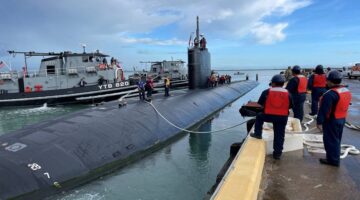
Submarine maintenance delays, ‘idle time’ cost $3.4 billion, GAO says
While the report said the Navy had made progress cutting delays for operational subs, the problem would get worse — and costlier — for those destined for decommissioning.
While the report said the Navy had made progress cutting delays for operational subs, the problem would get worse — and costlier — for those destined for decommissioning.

General Dynamics Electric Boat and HII’s Newport News Shipbuilding jointly build the Virginia and Columbia-class submarines.

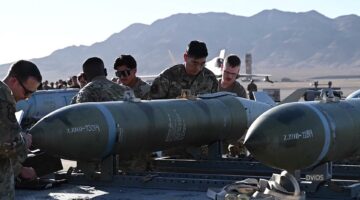
Threats have changed the range, seeking and attack capabilities necessary to ensure effectiveness.
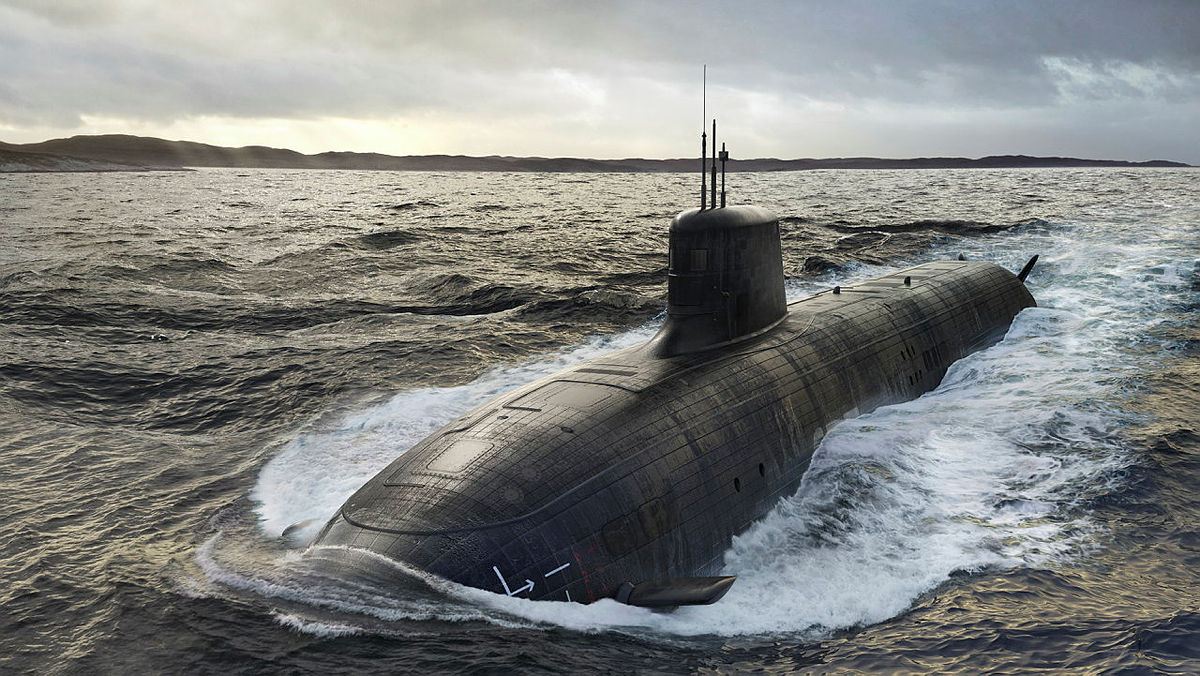
The contingency dry dock "is a critical pre-condition of Australia receiving its first Virginia class submarine" under AUKUS, the Australian government said.
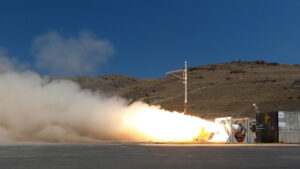
The GAO determined that the Navy is already roughly two years behind schedule on modernizing the Zumwalt-class destroyers as part of the more than $50 billion hypersonic effort.

Australia will now forgo the purchase of a new build Virginia-class submarine and acquire another ex-US Navy boat instead.

Secretary of the Navy John Phelan said that the public-private arrangement is a “novel transaction” that ensures the service is investing in “outcomes, not promises.”


A decorated combat aviator and biotech CEO advocates preparing for novel viral threats before the next crisis.
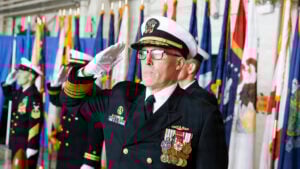
Vice Adm. Robert Gaucher is now the Pentagon's first submarine 'czar.'
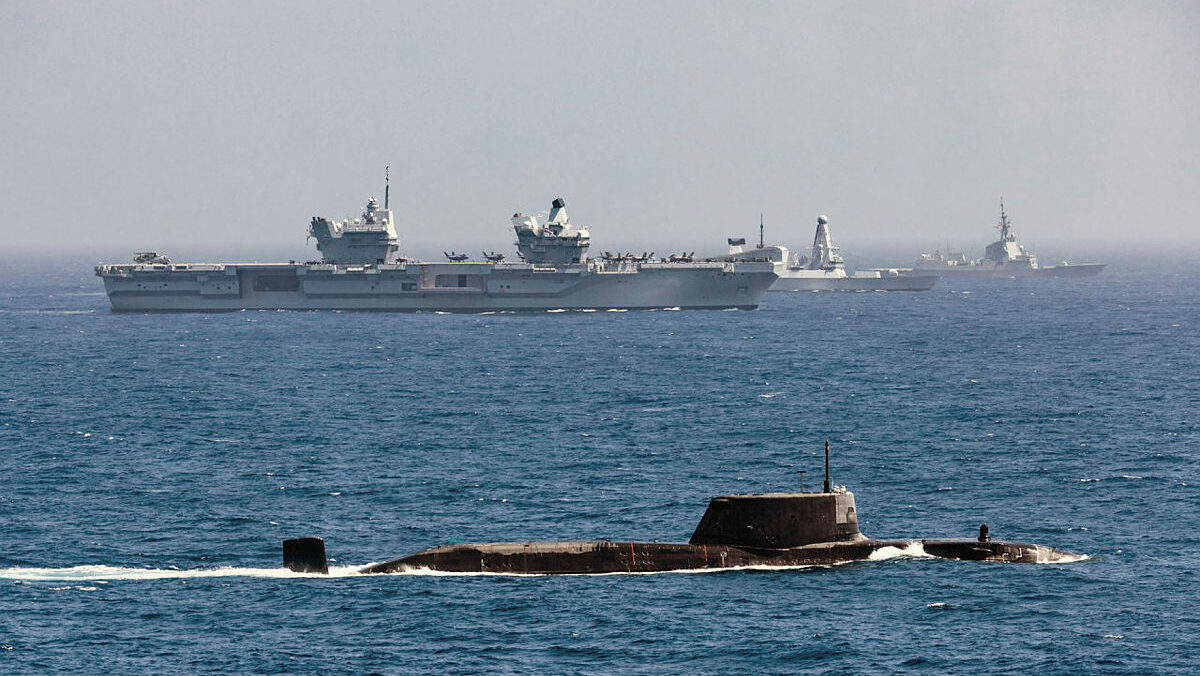
“The reviews are done. It's time to deliver,” said John Healey, the UK’s Secretary of State for Defense.

One Lockheed executive argued the company has scores of workers available for the job after a different sub program was scrapped in favor of the American boats.

Navy Secretary John Phelan said the ongoing review is designed to make the original deal “better," to clear up some of the “ambiguity” and be a “win-win for everybody.”


Avoiding vendor lock and providing more room for sensors and upgrades are critical considerations.

The continuing resolution does not include $3.9 billion requested by the White House for the Columbia-class submarine, but gives funding flexibility to other key programs.

“There's a schedule of payments to be made. We have an agreement with the United States as well as with the United Kingdom, it is about increasing their capacity, their industrial capacity,” Australian Prime Minister Anthony Albanese said.

Republicans successfully batted down a number of Democratic amendments during the 14-hour markup session.
“While there is some risk and mixed signals from the Trump [administration], especially on the issue of US willingness to transfer Virginia-class subs to Australia, there is a potential upside if this review drives a more coherent US approach and cost/benefit approach towards AUKUS," analyst Euan Graham told Breaking Defense.