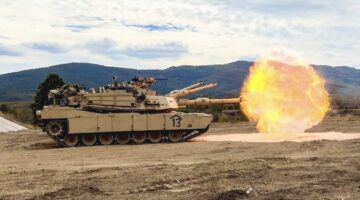
General Dynamics taps Primordial to build AI assistant for combat vehicle crews
Like a militarized Alexa, Primordial Labs’ Anura AI is trained to understand soldiers’ voice commands and translate them into specific actions — but not deadly ones.
Like a militarized Alexa, Primordial Labs’ Anura AI is trained to understand soldiers’ voice commands and translate them into specific actions — but not deadly ones.
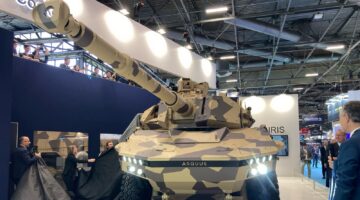
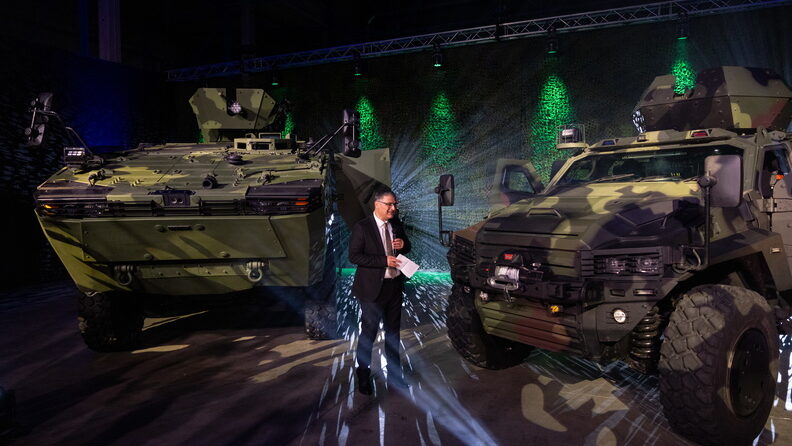
Company officials said the vehicle was created in response to battlefield lessons learned from Ukraine.

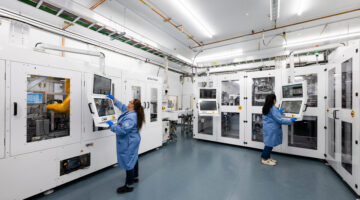
Lithium-metal batteries are one way to break the weight and endurance limits of today’s unmanned systems.
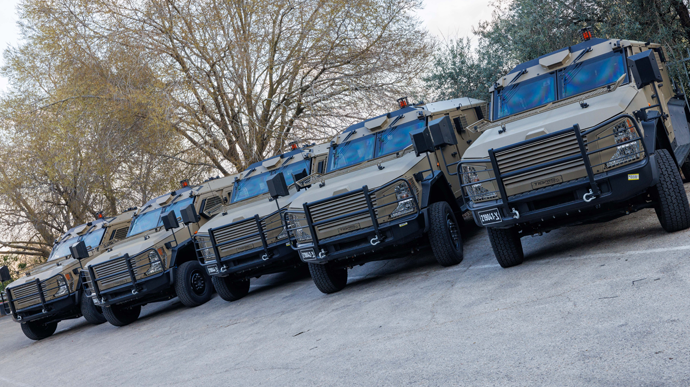
Given the demand from the IDF, the company was charged with keeping production up at normal or higher rates, despite the potential dangers of being so close to the border.
“Some of the implications are that we now have batteries or, hopefully we'll have batteries, that are not reliant on rare earth minerals. We don't have to rely on those coming from adversarial nations such as China," Jen Sovada, president of SandboxAQ’s Global Public Sector division, told Breaking Defense.

A Defence Equipment and Support (DE&S) official at the IQPC International Armoured Vehicles conference in London today said that while they had “some sympathy for industry covering excessive supply chain challenges” caused by COVID-19 and cyber hacking, manufacturers only reacted after feeling an “impact.”
"All Baltic states are boosting military capabilities because of the mounting Russian threat," one expert said.

The goal of such weaponization is to tie warfighter needs to the RDT&E cycle.
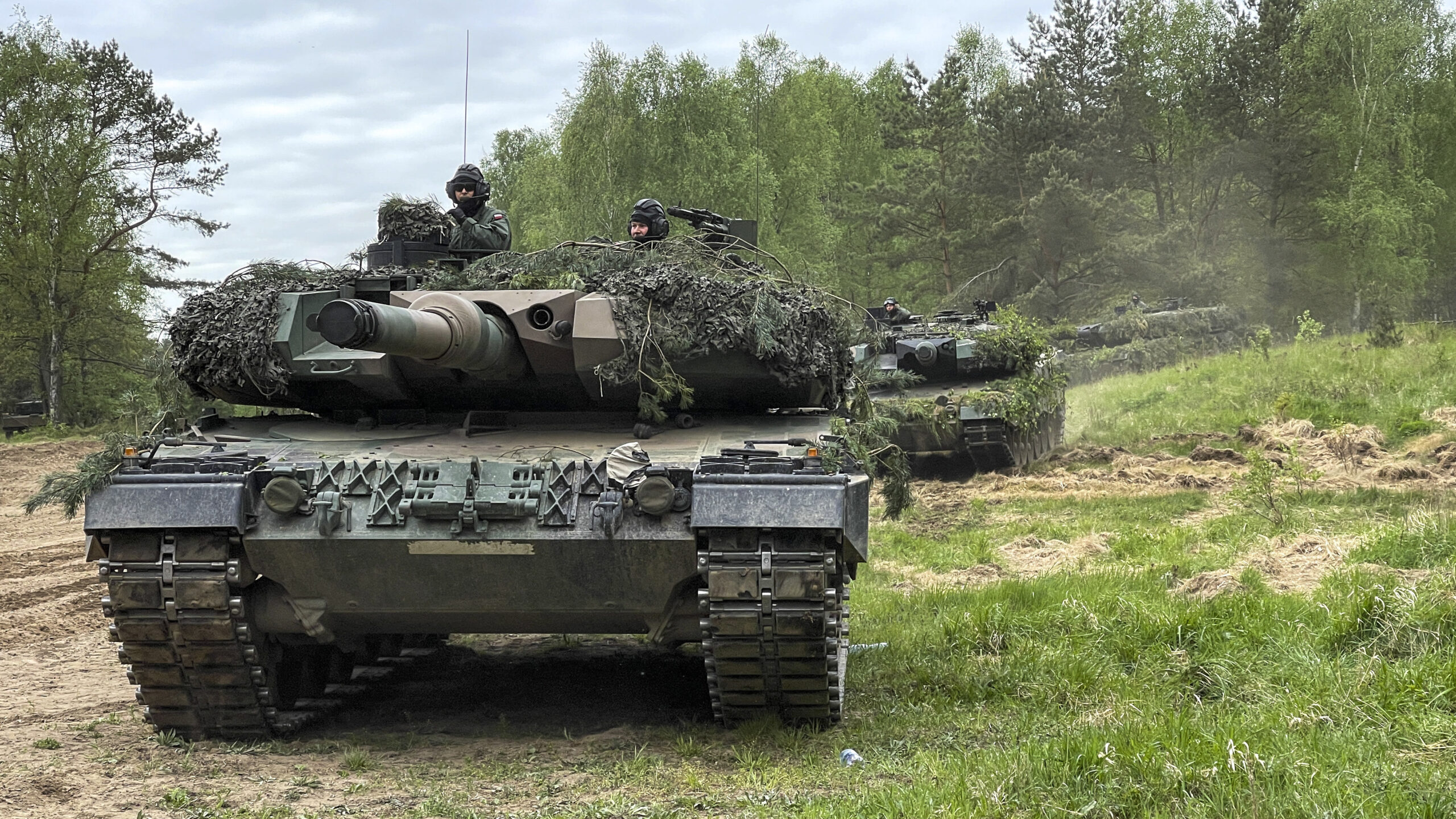
Poland has offered to train Ukrainians on its soil using its own Leopards, bypassing Berlin’s reluctance to allow allies to send the heavy tanks to Ukraine. But delivering 300 battle-ready Leopard 2s will not be simple.
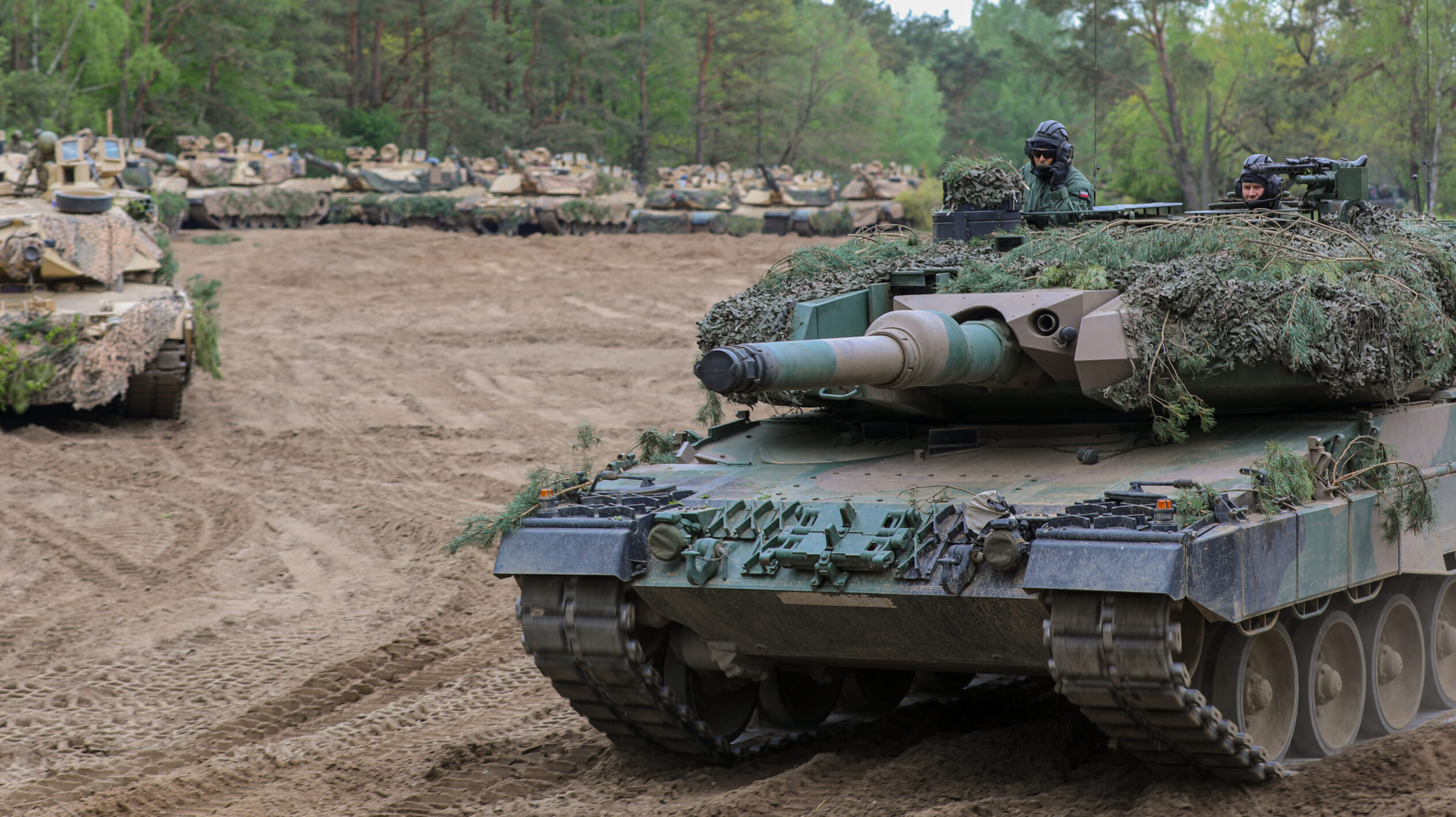
European nations are poised to send Ukraine main battle tanks. But Western MBTs will require different training, tactics, and logistical support than the smaller Soviet-derived designs Ukrainian troops are used to.
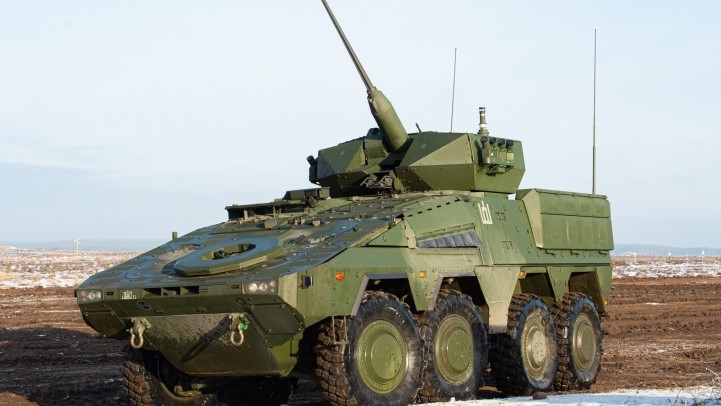
Despite small budgets, Estonia, Latvia and Lithuania are working to strengthen their ground forces to protect their borders with Russia.
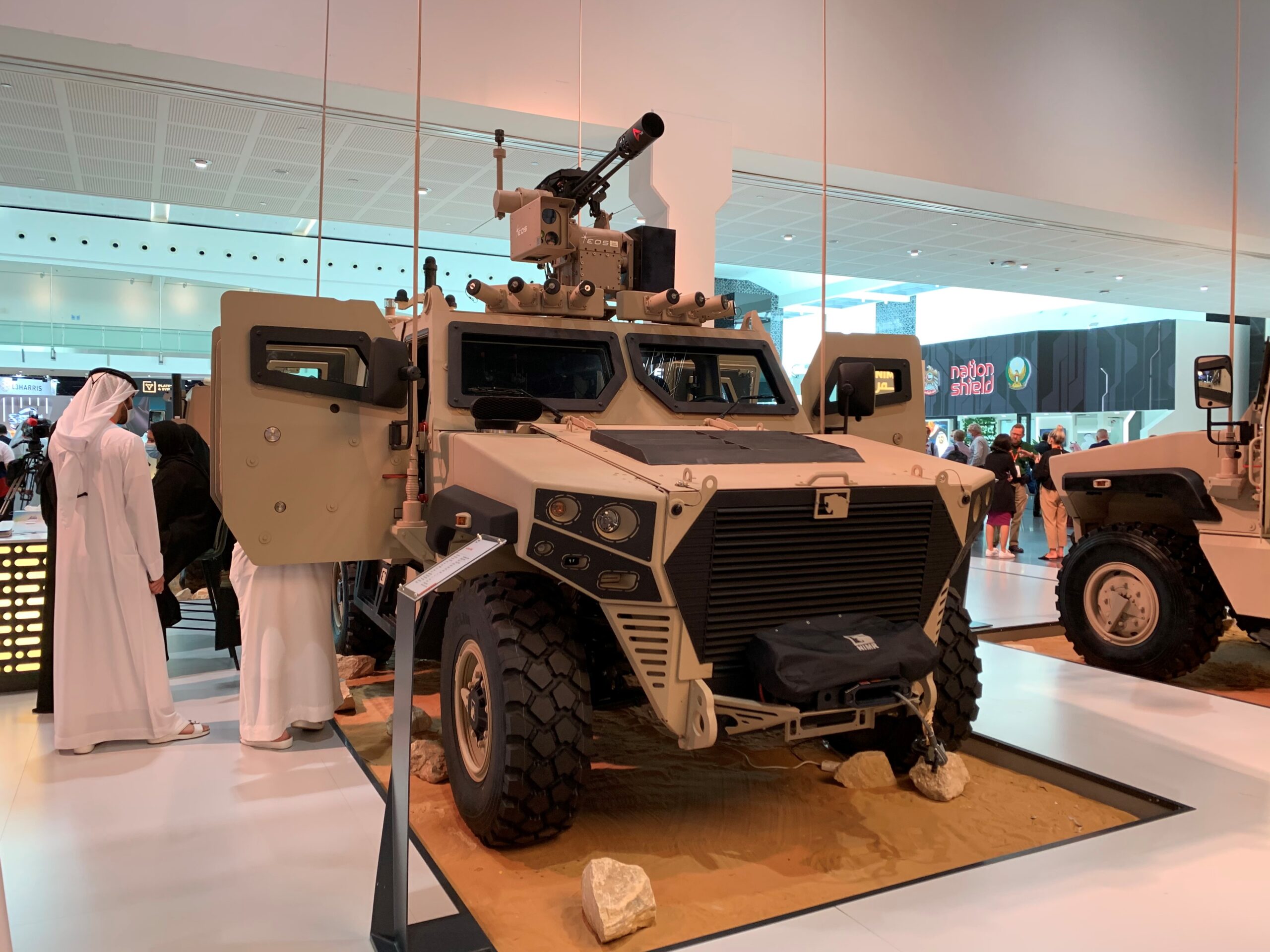
The contract comes at a time when the military procurement of armored vehicles is increasing across the Middle East to address the growth in asymmetric warfare and insurgency across the globe.

APKWS® laser‑guidance kit provides reliable precision‑guided munitions across missions and platforms, delivered quickly to meet evolving operational demands.
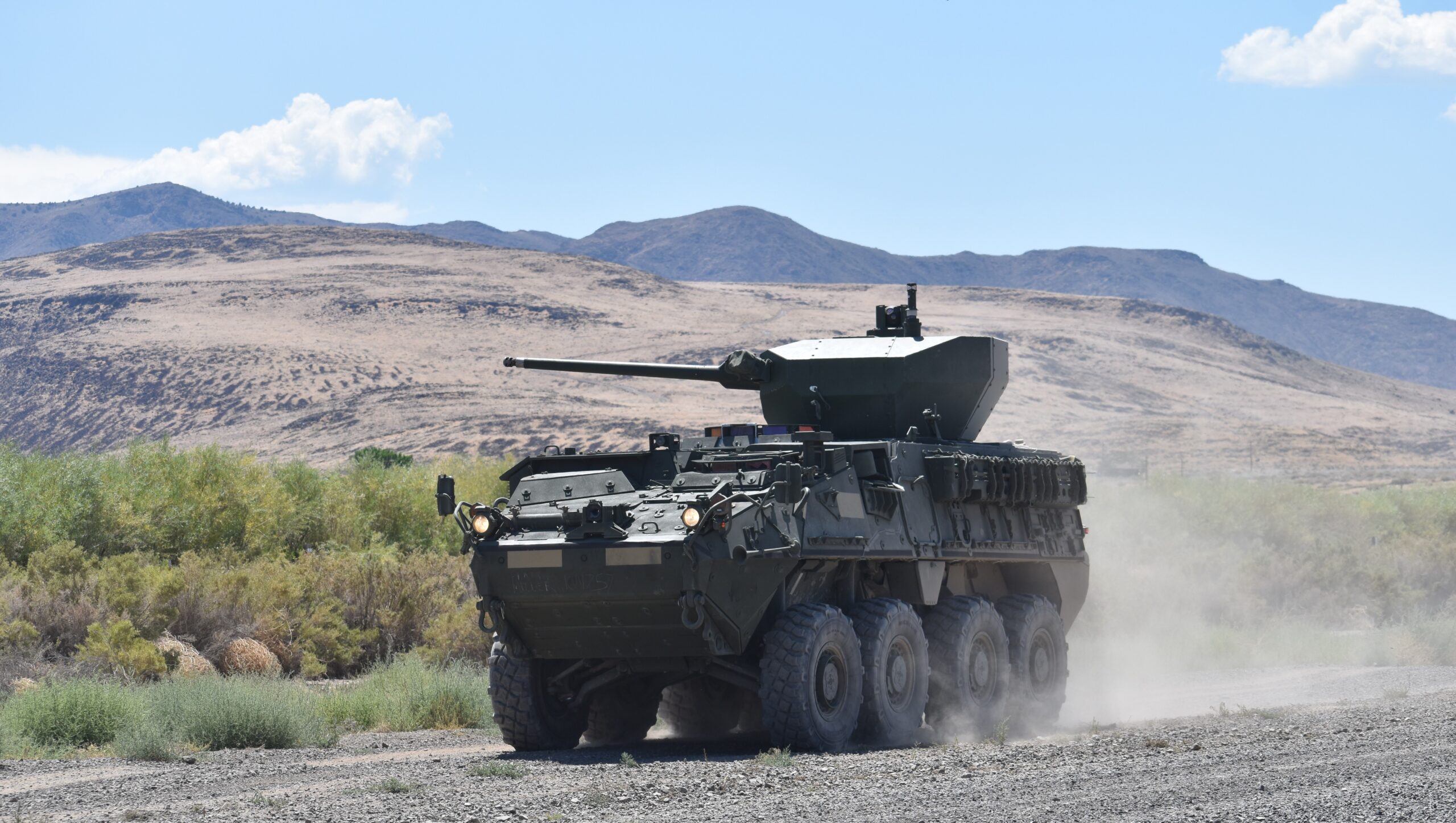
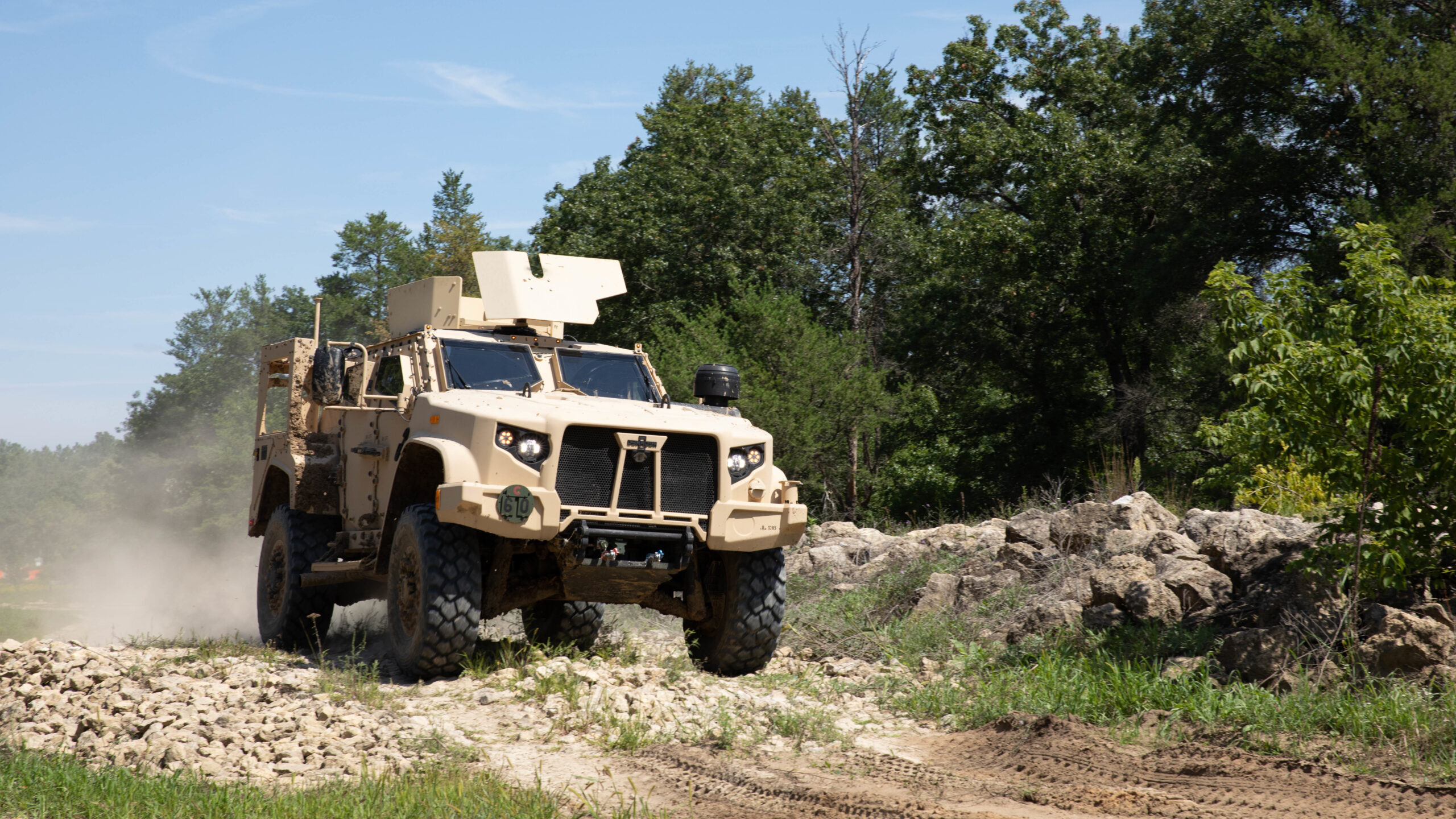
General Dynamics had urgently upgunned a Europe-based brigade, but Oshkosh will build the next three to six brigades’ worth, starting with a unit in the Pacific Northwest.
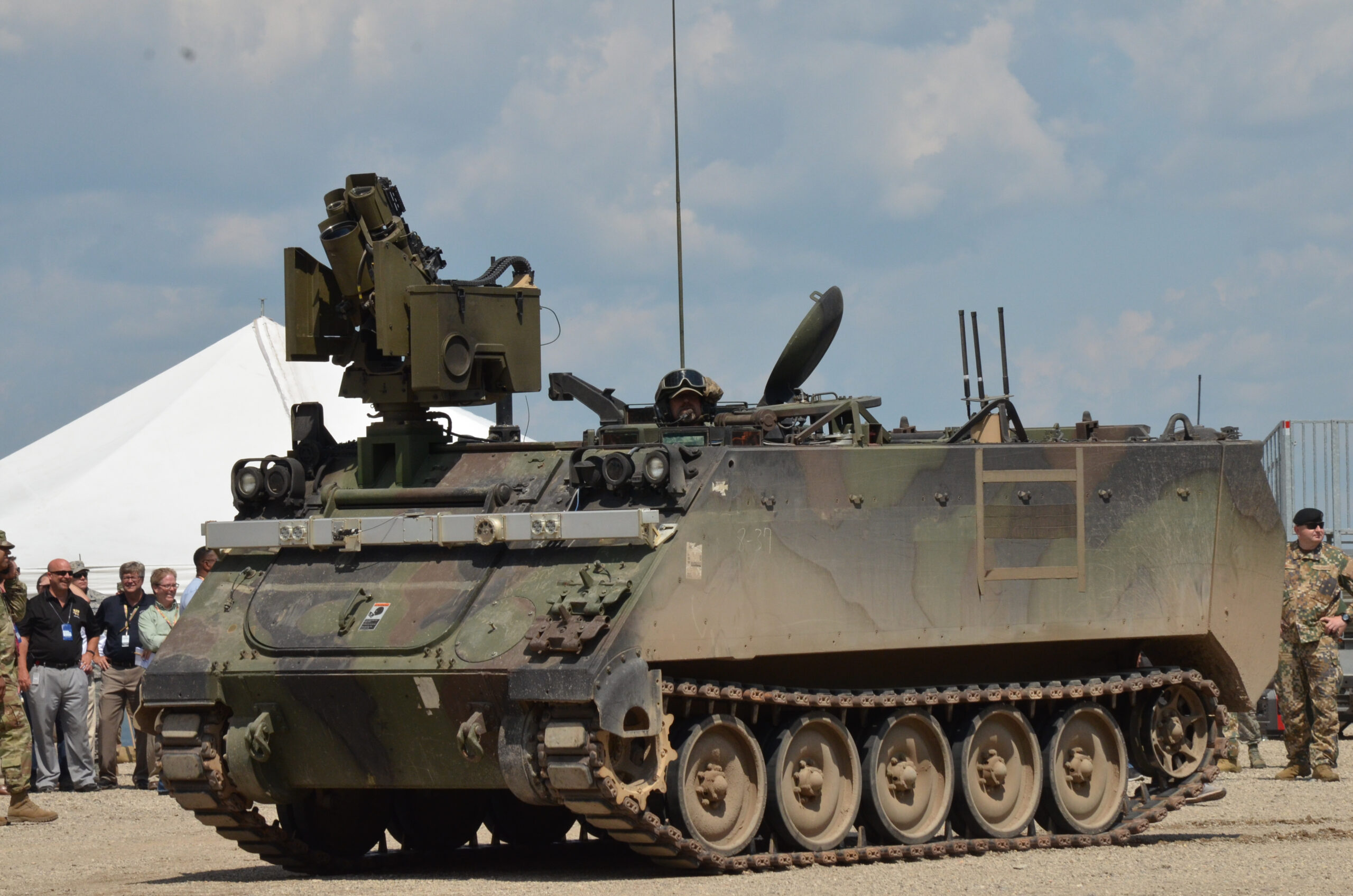
The Army’s prioritized so ruthlessly that the top 11 percent of programs will get 50 percent of the funding. The other 89 percent can’t take any more cuts without it killing them.
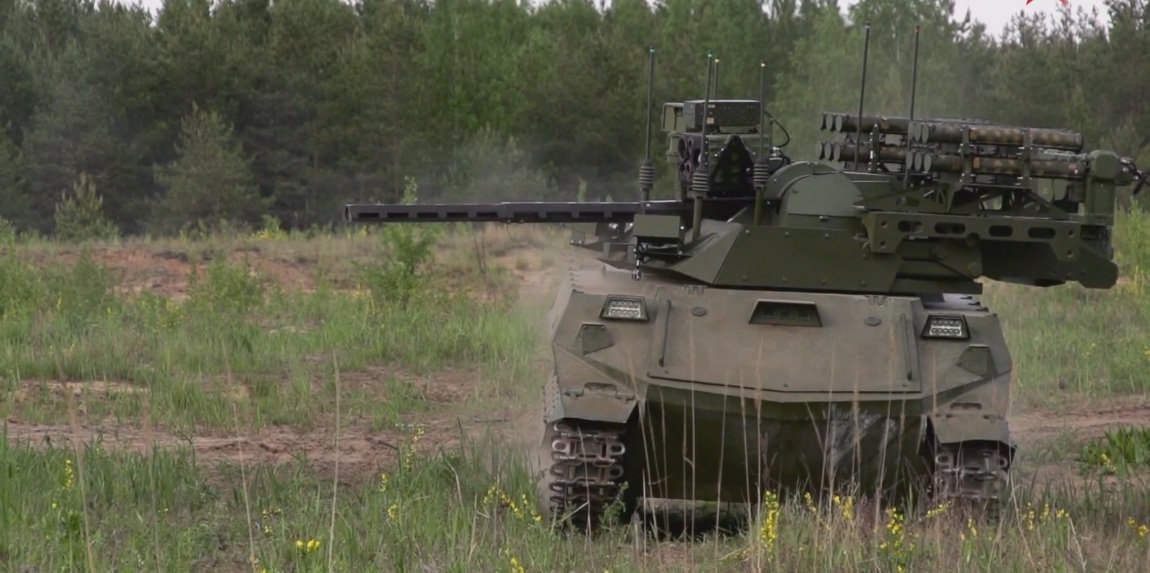
Russia has big ambitions for unmanned systems, said CNA scholar Sam Bendett, but it faces the same technical hurdles as the US — and shares the same concerns about human control.

Industry is excited about the Optionally Manned Fighting Vehicle. Congress and the Biden Administration are a harder sell.