
Moroccan startup unveils prototype UAV that operates without GPS signal
The prototype now under testing is a four-meter wingspan UAV, but the company is aiming for larger airframe to be able to reach 2,000 kilometers in range.
The prototype now under testing is a four-meter wingspan UAV, but the company is aiming for larger airframe to be able to reach 2,000 kilometers in range.

In this op-ed, Clayton Swope of the Aerospace Security Project and CSIS says that the US cannot fall behind as its adversaries move to develop AI-enabled weapons.


Manufacturing scale, global sustainment, and next-gen tech are becoming inseparable.
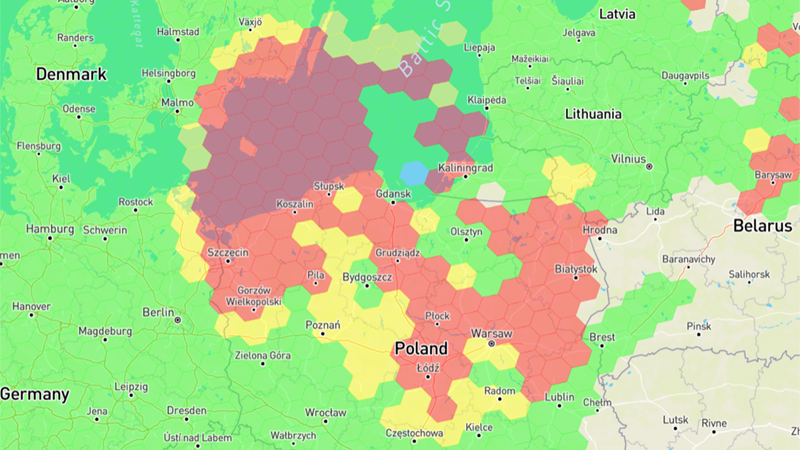
Dana Goward, president of the Resilient Navigation and Timing Foundation, argues in this op-ed that Russia could be putting civilians at risk with suspected jamming in Eastern Europe.

"We know that the way of warfare has changed, and we're going to be having difficulties with jamming, and having difficulties getting our position navigation and timing signals to our warfighters," said AFRL Director Maj. Gen. Heather Pringle.

WASHINGTON: The Russian military’s jamming of GPS signals and communications satellites in Ukraine is considered by the US government as essentially a routine wartime activity, according to a senior State Department official. Judging from actual real world actions during recent conflicts around the globe, Washington and Moscow appear to be on the same page with […]

The Pentagon doesn't believe Russia has fully unleashed its significant electronic warfare capabilities, a senior defense official said.

Explore how software, edge AI and resilient connectivity can strengthen military logistics in contested environments. Join Breaking Defense on Oct. 21 and earn 1 CPE credit.

"We've been talking about the fact that space is contested, and we're probably right in the middle now of our first space fight," said Lt. Gen. Michael Guetlein.

BAE has been working to convince its own suppliers to enter into performance-based logistics to cut costs and increase availability of its EW system for the Joint Strike Fighter, said Betsy Warren, BAE's director of sustainment for Electronic Combat Solutions.

Since March, the OSCE’s “long-range UAVs have been experiencing increased levels of GPS signal interference on take-off and landing, affecting both of their GPS receivers,” the group said in a statement.

"I think this shows that the committee is taking the jamming and spoofing threats to GPS seriously, and it is prompting DoD to focus its efforts on countering these threats," Todd Harrison, director of the Defense Aerospace Project at the Center for Strategic and International Studies, says.

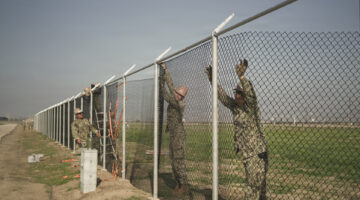
Traditional thinking about how to protect facilities must adapt to new threats such as drones or downstream attacks.

Dale Leibach, Keep GPS Working spokesperson, says that already "about one-third -- Republicans and Democrats -- of the Senate oppose" the Ligado plan.

"The Department continues to support domestic 5G options, but not at the risk of crippling our GPS networks," Defense Secretary Mark Esper tweeted yesterday after the FCC vote.

The RFI is one of the first industry solicitations since the Air Force announced in April 2019 an overhaul of its EW operations to counter Russian and Chinese advances, and to enable multi-domain operations.
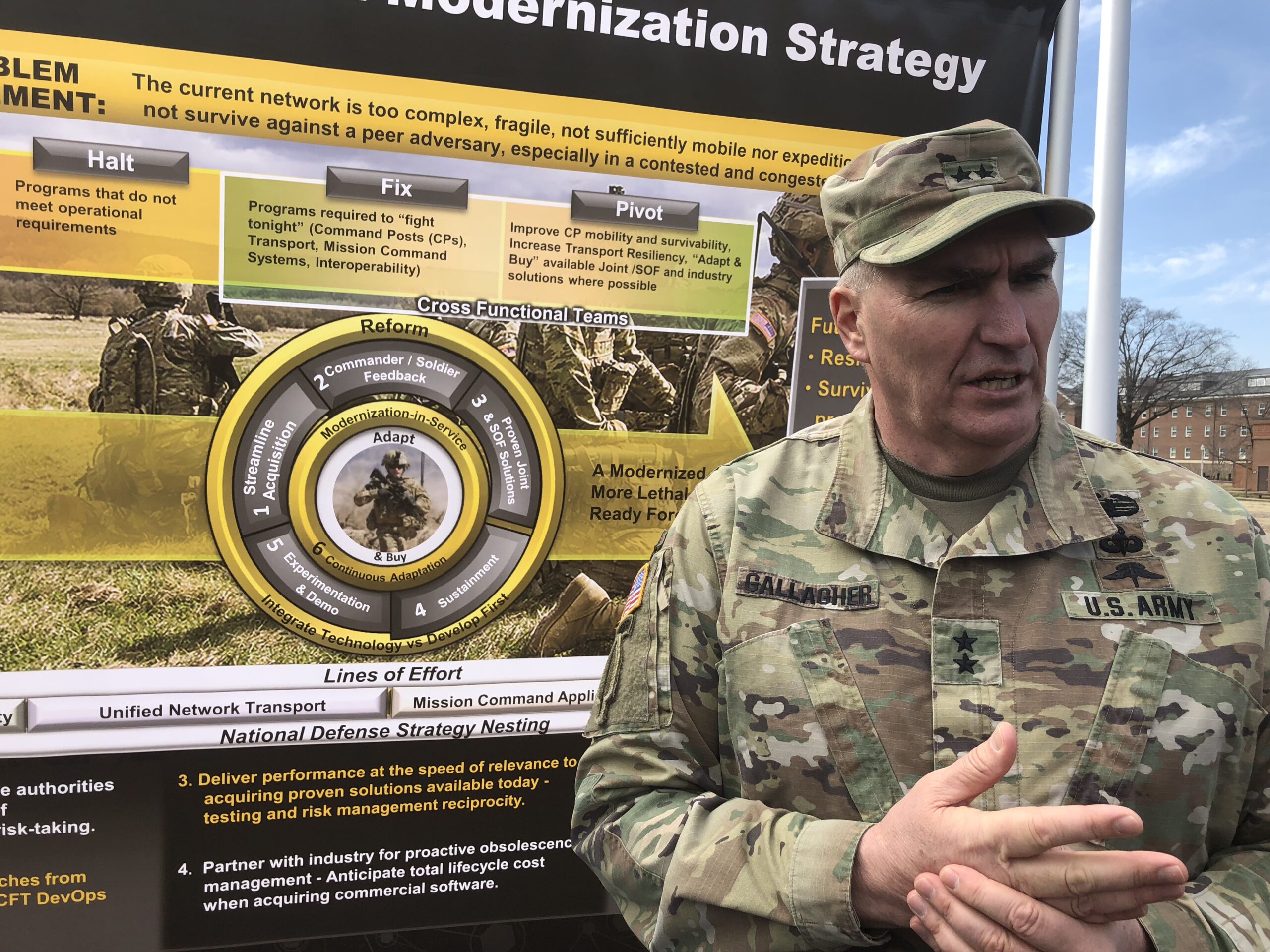
Gary Blohm, director of the Army Geospatial Center, said 3D is important to troop training and to operational planning because it "helps us navigate, especially when we get to urban environments."