
DoD CIO implores industry to put a greater focus on ‘foundational cybersecurity’
“Compliance does not equal security. It did not when I was in industry, and it does not from my seat where I am today," DoD CIO Kirsten Davie said.

Mark Pomerleau covers networks and information warfare for Breaking Defense. Mark has extensive experience covering defense technology over the past 10 years reporting for C4ISRNET, Defense News and DefenseScoop prior. He earned a BS in political Science from Westfield State University. In his role as senior reporter for networks and information warfare, Mark covers cyber, electronic warfare, information operations, influence, intelligence, special operations, battlefield networks and data.
“Compliance does not equal security. It did not when I was in industry, and it does not from my seat where I am today," DoD CIO Kirsten Davie said.
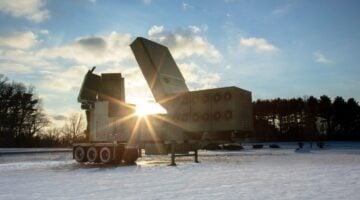
The hackathon now allows the Army to take new systems and work them into command and control structures to sync up with radars and sensors, all of which have previously never communicated with each other, according to Army Secretary Dan Driscoll.

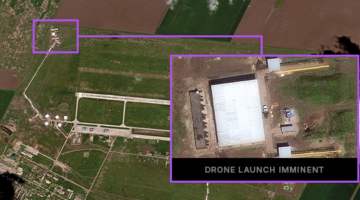
As NATO and European governments accelerate investment in space-based intelligence, decision advantage will depend on how quickly sovereign and commercial capabilities can be fused into a trusted operational picture.
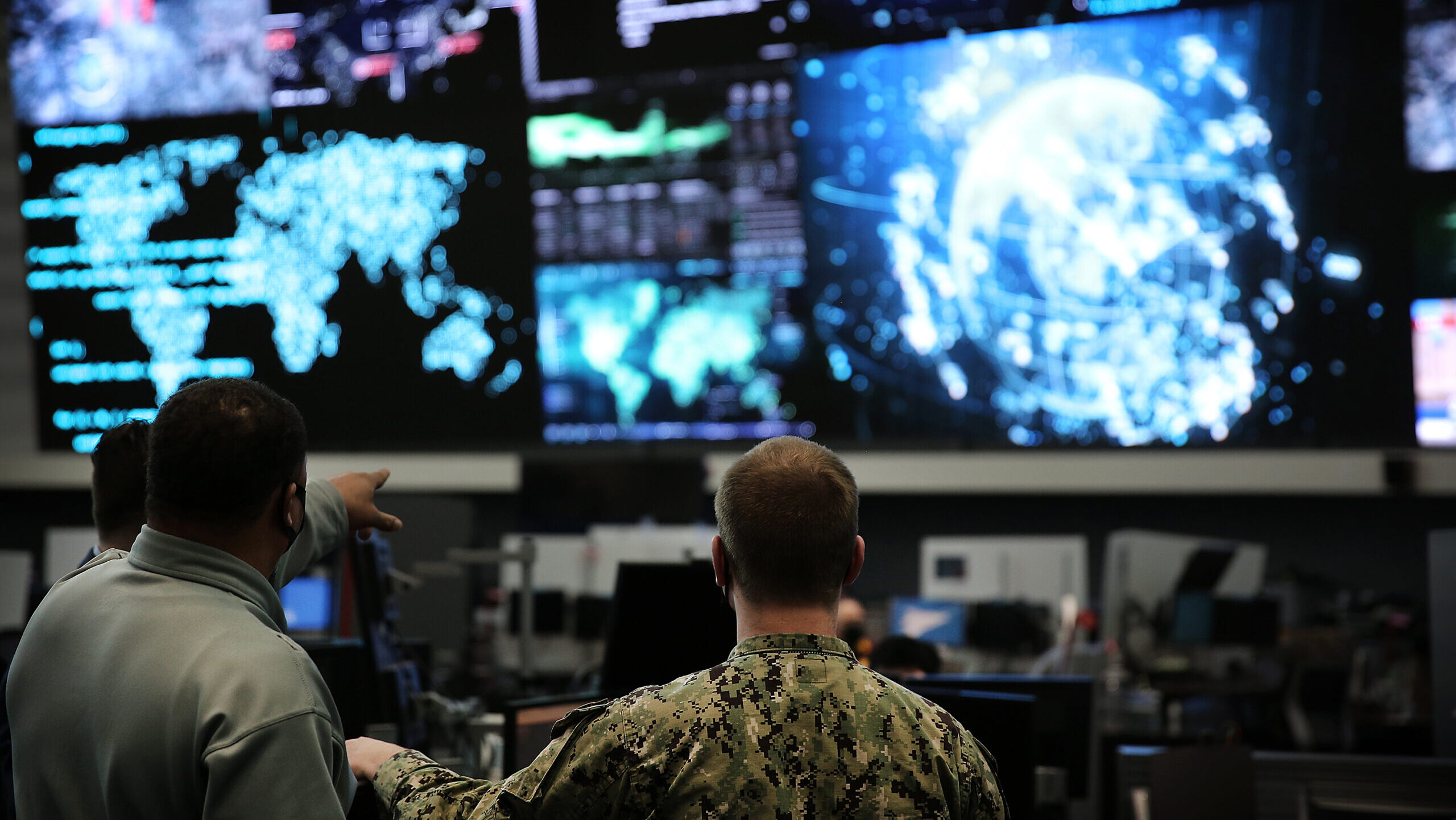
Rep. Don Bacon sounded the alarm to Breaking Defense about China's purported 10:1 workforce advantage when it comes to "offensive" cyber operations.

The five-year blanket purchase agreement consolidates Microsoft 365 licenses into a single contract vehicle.

The move follows a similar one by the Air Force nearly two years ago.
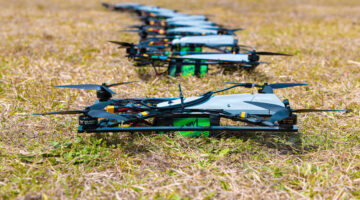
During a table top exercise, the Army, along with 14 external partners, gamed out how to respond to a coordinated and simultaneous attack on an installation as units are deploying.


As operating environments grow more complex, Link 16 provides instantaneous, mission-wide connectivity to ensure no aircraft flies alone.
After hearing how the 4th Infantry Division was using its new C2 tech, 10th Special Forces Group got in on the action, including at the recent Ivy Mass exercise.
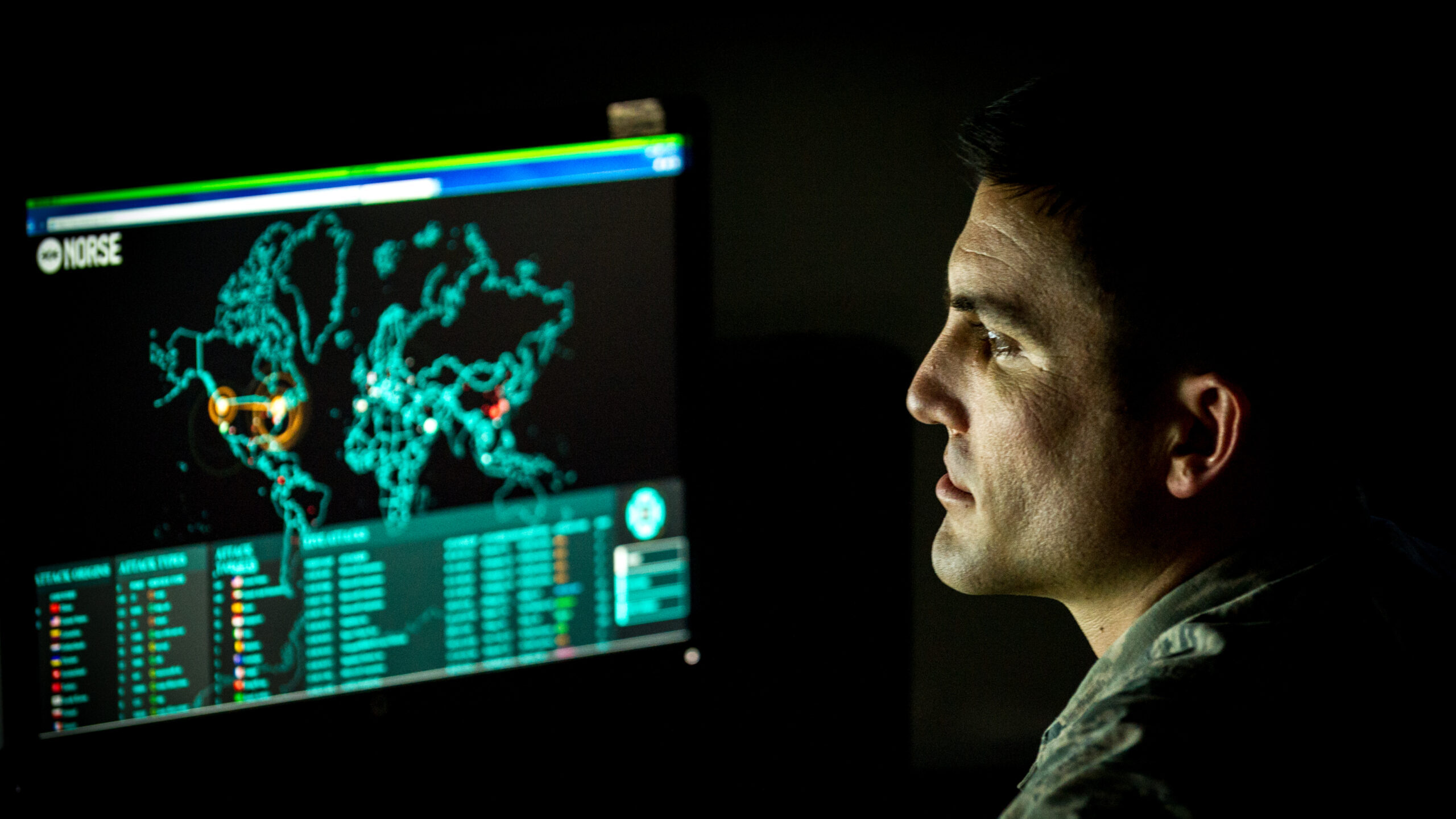
The $138 million request aims to see AI contribute measurable improvements ISR, offensive cyber, defensive cyber and integrated foundational activities.
Aurora Pulse focused top operational and planning staffs of combatant commands on how to fight in a degraded spectrum environment in the Arctic.
I Corps, headquartered in the Pacific, will be the next focus for NGC2 next year.

AI is expanding the mission data footprint across defense environments, increasing the need for scalable, layered data-at-rest (DAR) protection.
The creation of a Corps-wide Portfolio Acquisition Executive will bridge the Valley of Death when it comes to capabilities being tested as part of Project Dynamis.
The Army's FY27 budget request allows faster fielding and continued experimentation on key electronic warfare and signals intelligence capabilities.
The commercial solutions offering aims to produce a "library" that will provide options for units to determine what capabilities meet their structure and mission.
“The Army is in the midst of its most significant modernization in over 40 years,” Maj. Gen. Rebecca McElwain, director of the Army budget, told reporters during the Pentagon’s budget rollout Tuesday. “This involves developing and fielding new capabilities while adapting formations, training and concepts to the character of modern warfare.”