
SpaceX wins $1.6B to launch Space Force ‘sensing and targeting’ sats
The SpaceX task order is the first to be awarded since the Space Force's July 17 massive $11.4 billion plus-up to the NSSL Phase 3 Lane 1 contract vehicle ceiling.

Theresa Hitchens is the Senior reporter, Space at Breaking Defense. The former Defense News editor was a senior research associate at the University of Maryland’s Center for International and Security Studies at Maryland (CISSM). Before that, she spent six years in Geneva, Switzerland as director of the United Nations Institute for Disarmament Research (UNIDIR).
A sci-fi geek, voracious reader, enthusiastic cook, dabbler in poetry, Theresa is also the proud mom of a wonderful young man by the name of Nicholas.
The SpaceX task order is the first to be awarded since the Space Force's July 17 massive $11.4 billion plus-up to the NSSL Phase 3 Lane 1 contract vehicle ceiling.

By reducing regulatory burdens, the FCC "is taking a critical step in allowing for continued American innovation and space superiority," according to the Commercial Space Federation.

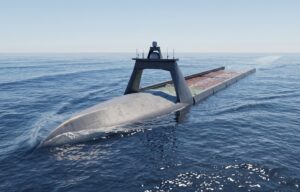
Systems that can work independently while still being part of a unit are critical to carrying out multi-domain operations.

The service now expects 170 NSSL Phase 3 Lane 1 launches between 2025-2034, up from 60.
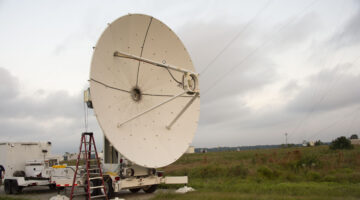
The goal of the new project is to field an operational capability for space-to-space and space-to-ground power beaming by 2030, according to the Defense Innovation Unit call to industry.
"Being non-controversial is not a bad thing," said Sen. Angus King, I-Maine, noting that the low turnout at the SASC hearing was a "compliment" to CSO nominee Lt. Gen. Doug Schiess.

The next set of 21 Tranche 1 Transport Layer birds are set to launch Thursday on a SpaceX Falcon 9, SDA Director Gurpartap "GP" Sandhoo told reporters.


As threats continue to evolve, speed will increasingly depend on what is already available when the need emerges.
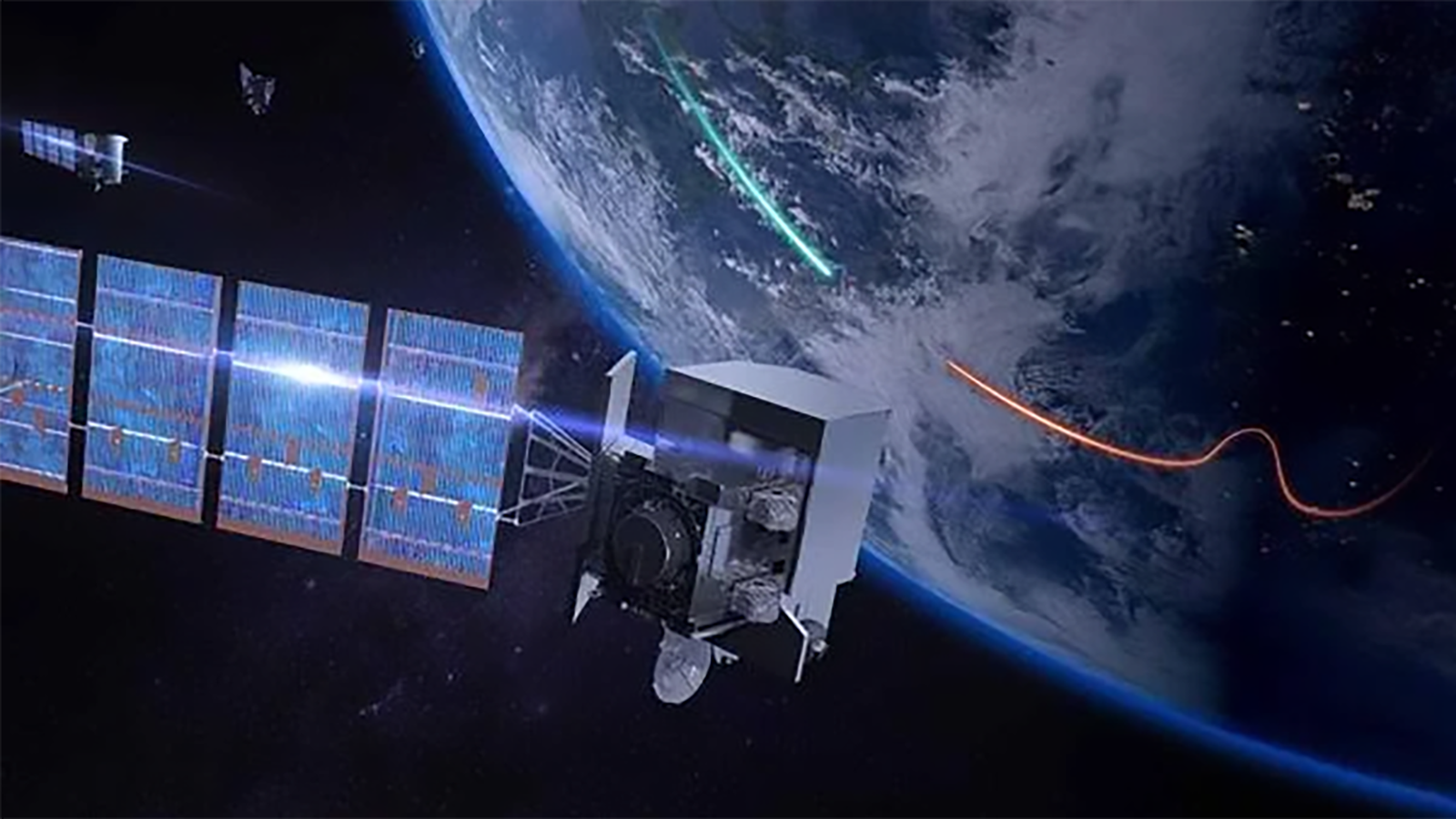
The new satellites for missile warning, tracking and targeting are being developed under an "accelerated" schedule to meet the Pentagon's 2028 plans for demonstrating its Golden Dome missile defense shield.
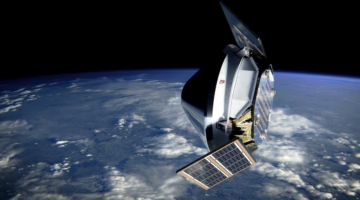
The Missile Defense Agency is evaluating the company's ENOS spacecraft as a hypersonic target/testbed under the SHIELD contract, said Reditus CEO Stef Crum.

The Space Force's TacRS program has at least three more Victus demonstration projects in the works, with a total of $300 million requested from fiscal 2027 to 2031.

"Space Operational Energy is a growing focus for us. We hope to host industry days and create avenues for collaboration with industry partners in the near future," an Air Force spokesperson told Breaking Defense.


A commitment to long-term operational value.
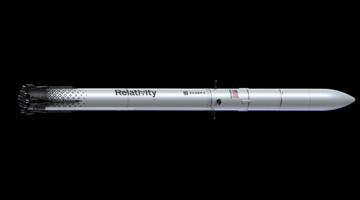
The two additions to SSC's National Security Space Launch Phase 3 Lane 1 program bring the total number of qualified launch providers to seven.
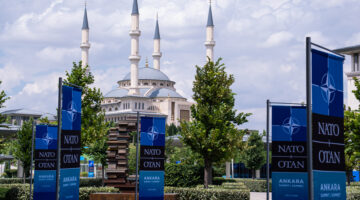
The network will involve Denmark, Canada, Finland, Germany, Norway, the Netherlands, Sweden and Turkey.

The watchdog's annual weapons systems assessment revealed new details about high-profile programs, from Air Force One to Army missiles.
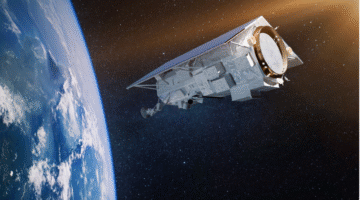
Vantor's growing international business is about 70 percent defense and 30 percent commercial, CEO Dan Smoot told Breaking Defense.