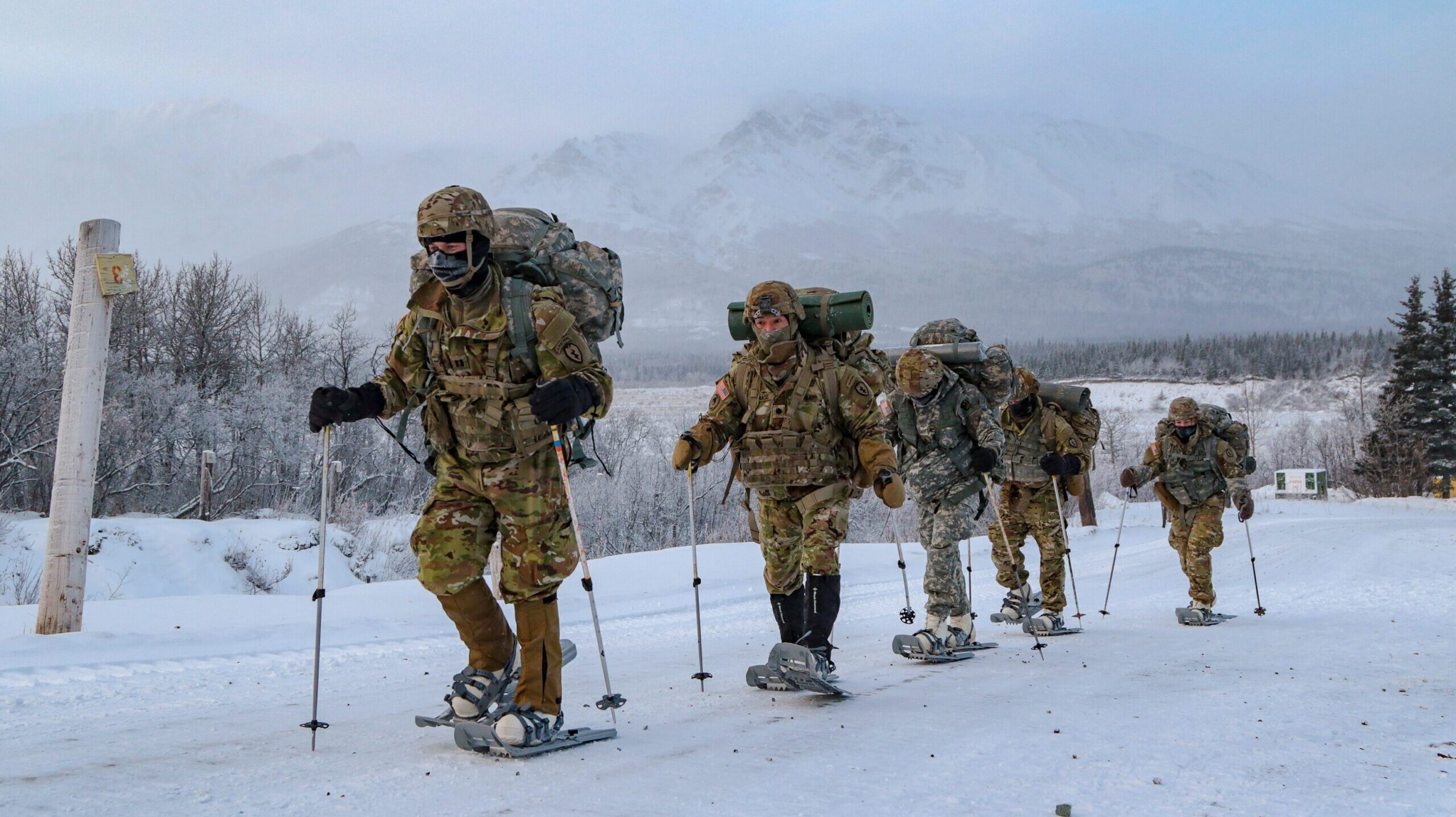
Pentagon unveils arctic strategy bolstered by new high north NATO allies Finland, Sweden
The new strategy comes as the US, Canada and Finland embark on a new strategic agreement to build ice-breaking ships.
The new strategy comes as the US, Canada and Finland embark on a new strategic agreement to build ice-breaking ships.
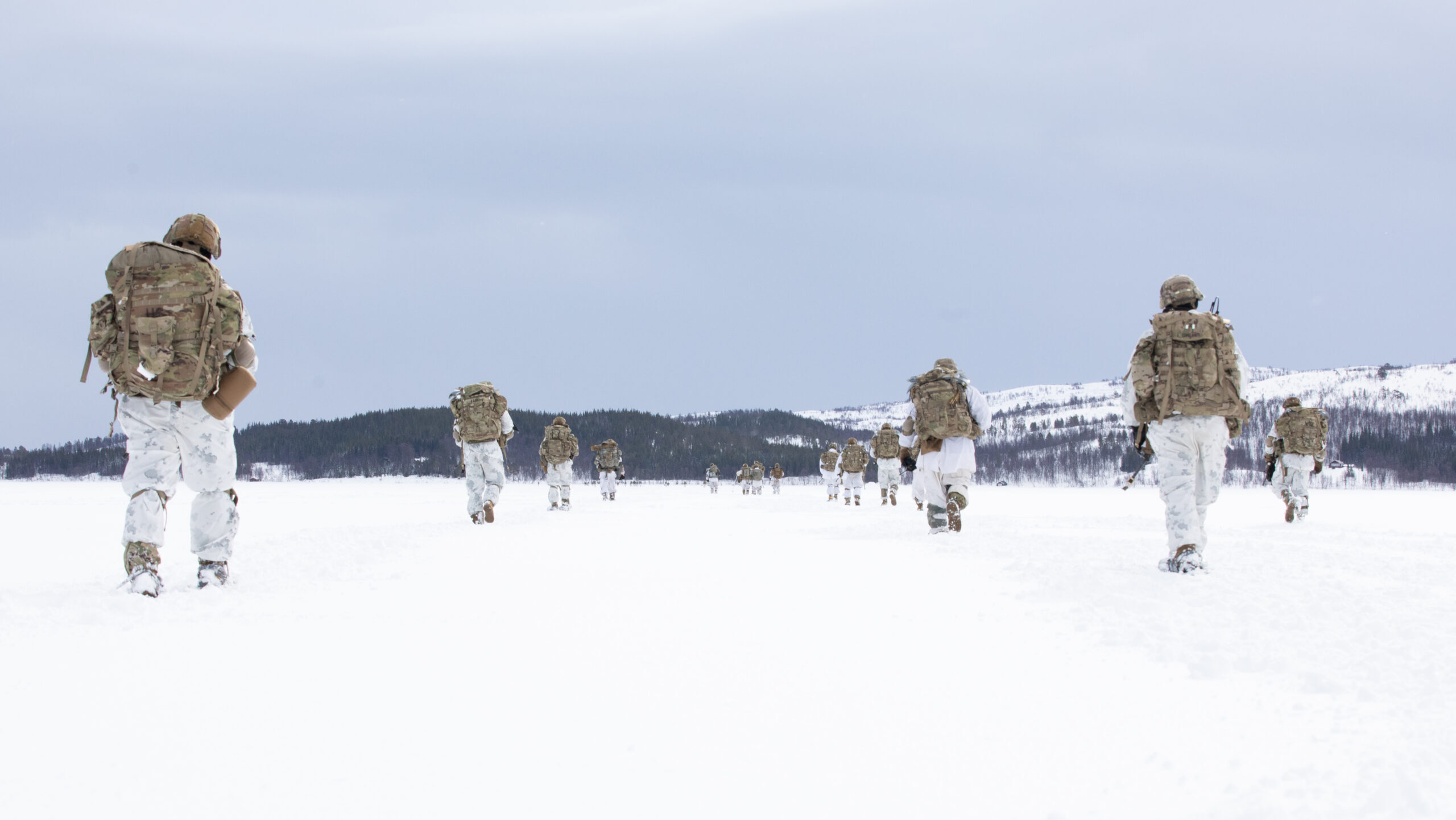
The new strategy "seeks to capitalize on this strength and prioritizes three key areas of cooperation with our Allies in the region: presence, know-how, and capabilities," writes DoD official Iris A. Ferguson in this op-ed.

Government can’t stop to update systems, so modernization has to happen without interruptions.

"Without this arrangement, we'd risk our adversaries developing an advantage in a specialized technology with vast geostrategic importance," a White House official said.

Commander of the Finnish Defense Forces Gen. Janne Jaakkola in this op-ed discusses Finland's military positioning as part of NATO.

In this exclusive op-ed, Minister of National Defence for Canada Bill Blair discusses Canada's investments into NATO and how it plans to remain a committed ally.

The US and Canada should turn to Japan and South Korea, two pivotal treaty allies with strategic interests and unique capabilities that could bolster Arctic security, according to analysts Chan Mo Ku and Jinwan Park.

As threats rapidly evolve, digital engineering, manufacturing capacity and robust supply chains are critical to meeting challenges.

China is conducting regional maritime activities "under the cloud of a technical or scientific research, but we think it's certainly multi-mission to include military" operations, Gen. Gregory Guillot, head of NORTHCOM/NORAD said.
“If you sweat, you die,” said Maj. Gen. Brian Eifler, commander of the Alaska-based 11th Airborne Division. “That’s the environment we’re talking about... the harshest environment on the planet.”

“We’re cognizant of the fact Russia is retaking a lot of positions that they used to have in the Arctic,” said Pål Jonson, Sweden's defense minister. “There is a degree of militarization…and we have to respond to that.”
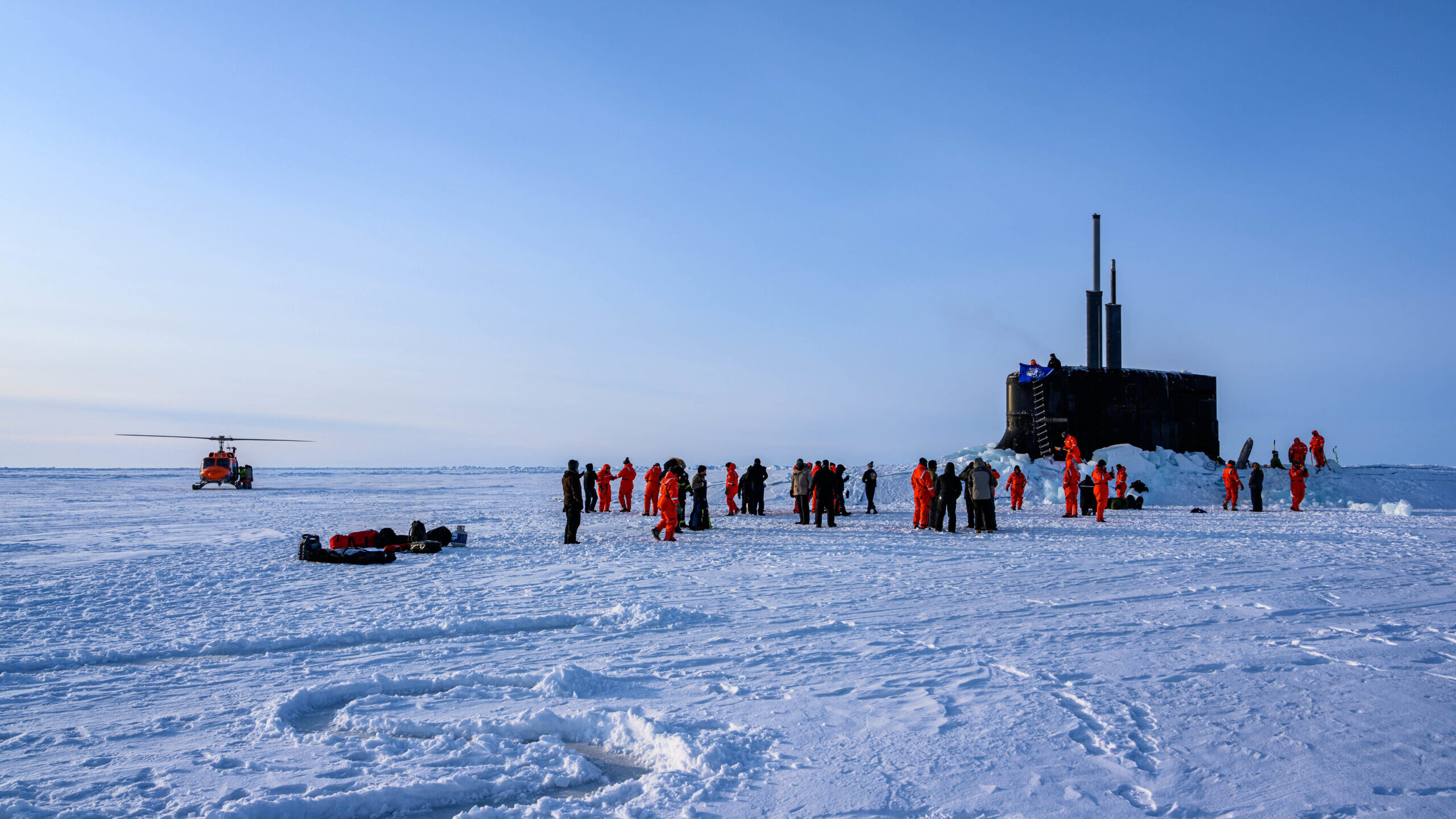
Adm. Daryl Caudle told Breaking Defense he is concerned what Russia "may or may not be doing" as it continues to militarize its northern coast.


The Sixth Domain is not defined by geography. It’s a new kind of conflict in which autonomy and networked systems allow thousand-dollar consumer electronics to destroy multi-million-dollar conventional weapons systems.
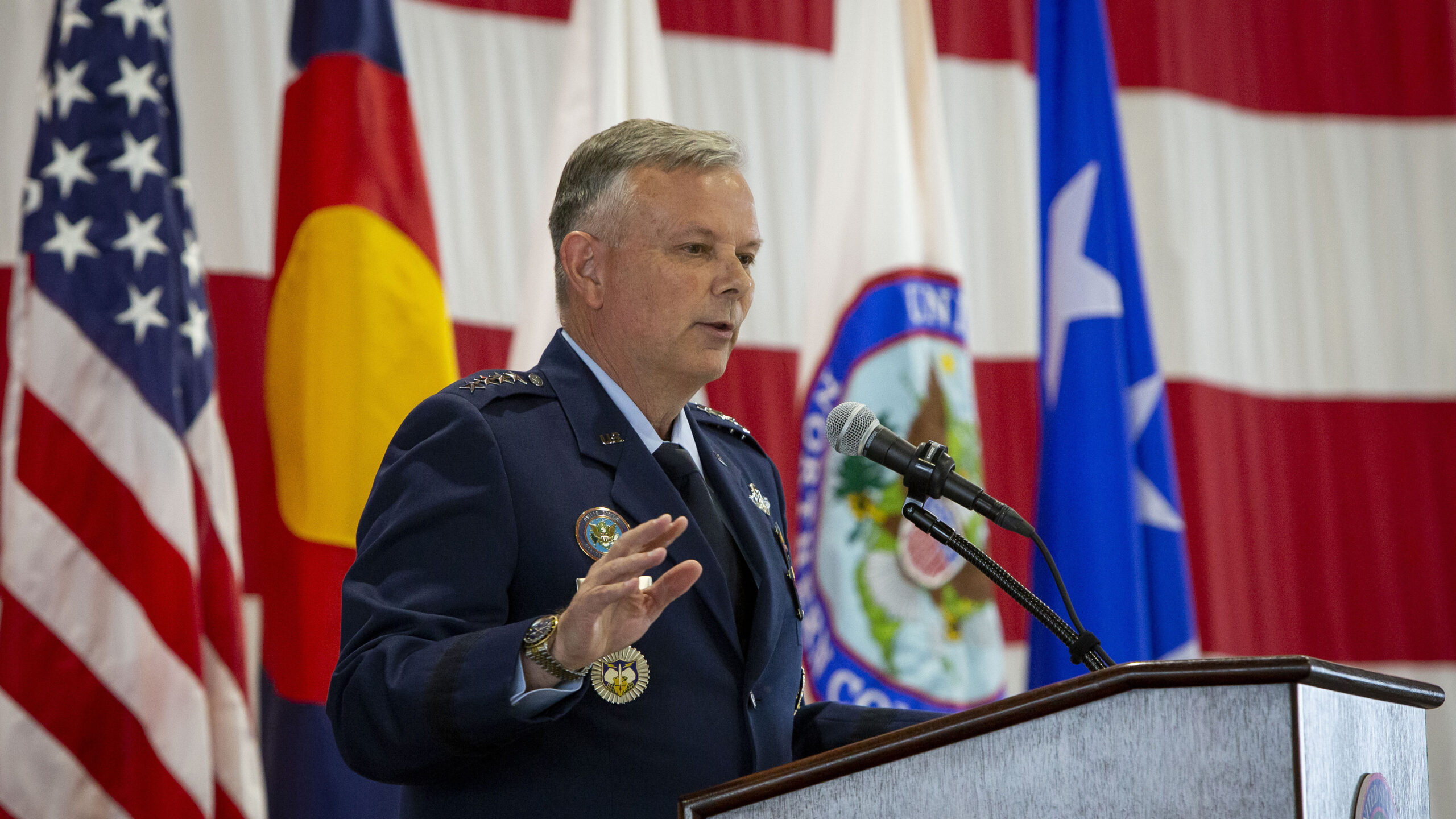
"I think the future of homeland defense looks vastly different than it does today," NORTHCOM/NORAD Commander Gen. Glen VanHerck said Thursday.
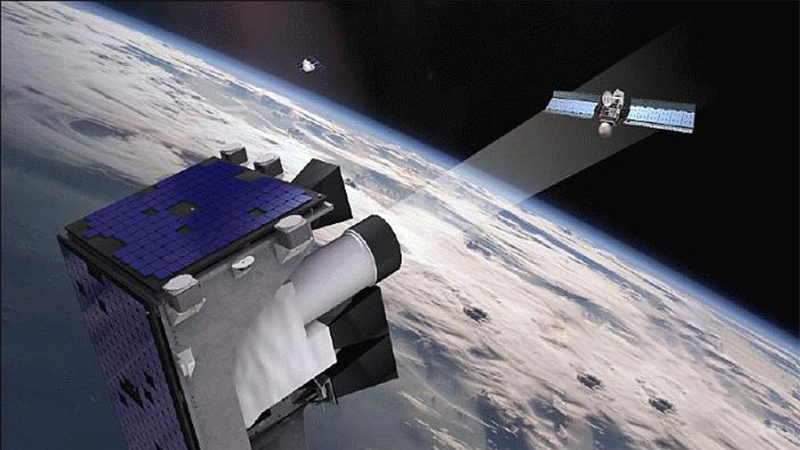
"Sapphire has done yeoman's service for us. It is beyond end of life, but keeps chugging away like the Energizer Bunny. And, and every day that it has a hiccup, I go, 'Not today, not today,'" said Brig. Gen. Mike Adamson.

"Russia's need for economic support in the face of new sanctions combined with China's need for energy and Arctic influence make them logical partners," says the report published through the NGA's Tearline project.

After the White House released strategy for the far north, Gen. Glen VanHerck, commander of NORTHCOM/NORAD, said the US isn't "organized, trained and equipped" to operate there quickly.