
How the Pentagon wants to buy cyber outcomes, not equipment
The Pentagon has been exploring a new paradigm dubbed Cyber Effects-as-a-Service, aiming to purchase specific outcomes as opposed to bespoke capabilities.
The Pentagon has been exploring a new paradigm dubbed Cyber Effects-as-a-Service, aiming to purchase specific outcomes as opposed to bespoke capabilities.

Recent suicides among US cyber personnel should serve as a call to action for implementing durable institutional change, Joshua Stiefel argues.


Lithium-metal batteries are one way to break the weight and endurance limits of today’s unmanned systems.

Some experts believe the proposed pilot program, which could become law if left in the NDAA, is critical for how the US can tip the scales against China.
Elements of the concept are already operational today.

The Commission on US Cyber Force Generation released its report outlining what a new military service could look like.

Rep. Don Bacon sounded the alarm to Breaking Defense about China's purported 10:1 workforce advantage when it comes to "offensive" cyber operations.

There is no single answer to the drone threat, pushing the Pentagon toward a broader mix of defenses.
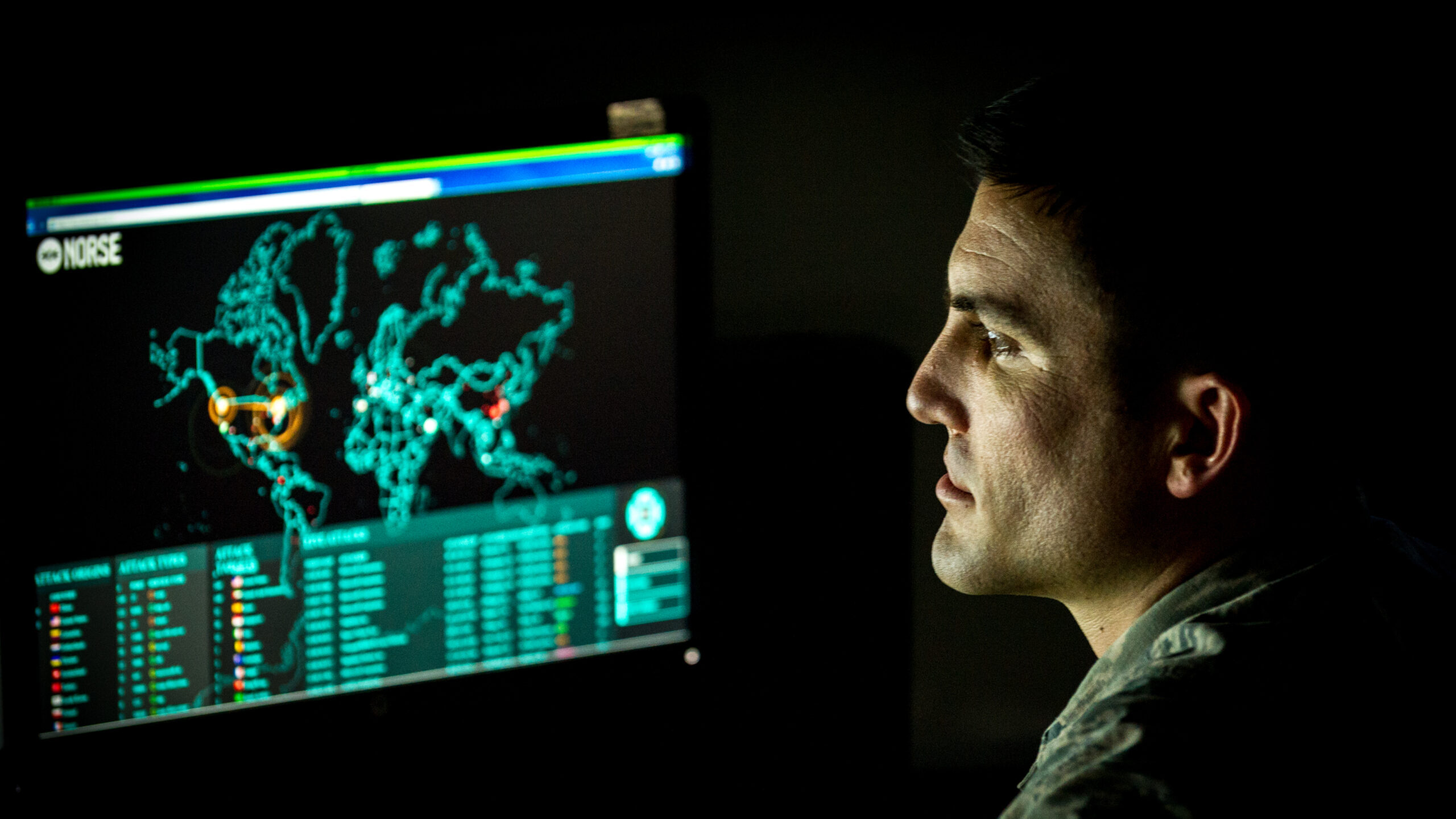
The $138 million request aims to see AI contribute measurable improvements ISR, offensive cyber, defensive cyber and integrated foundational activities.

The capability, dubbed Joint Cyber Hunt Kit, will provide defensive cyber warriors at US Cyber Command standardized kits to conduct hunt missions for the first time, Parsons President of Defense and Intelligence Mike Kushin told Breaking Defense.

The Senate voted to confirm Lt. Gen. Joshua Rudd to lead CYBERCOM and NSA.

Sen. Ron Wyden issued a hold on the confirmation of Lt. Gen. Joshua Rudd to lead CYBERCOM and NSA.


Both aircraft are designed to evolve as threats and mission requirements change.
A Joint Integration Fire Center to better integrate cyber and non-kinetic effects was proved out during operations in Venezuela last month.

Breaking Defense talked to nine sources from the CYBERCOM community about the challenges Army general Josh Rudd will face if confirmed.

Adversary use of AI is necessitating changes to how the DoD trains its cyber warriors.

“We really haven't received any answers about how you feel about the responsibilities you're about to take on. It's okay to tell us, and actually would be helpful,” Senate Armed Services Committee Chairman Sen. Roger Wicker interjected today.