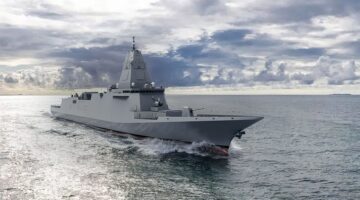
GE Aerospace to provide marine gas turbine engines for South Korea’s KDDX destroyers
It will supply 12 LM2500+G4 engines for six KDDX-class ships.
It will supply 12 LM2500+G4 engines for six KDDX-class ships.

The company was separately awarded one deal worth up to $2.9 billion to supply parts for its F414 engine, and another to provide a hypersonic test vehicle for the Defense Innovation Unit.

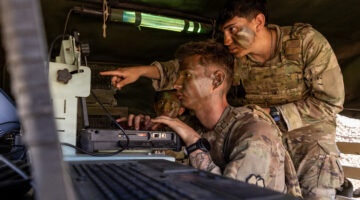
Lightning Surge exercises are turning soldier feedback on NGC2 into operational software changes in days, not years.

An engine with so-called adaptive turbofan technologies “could” go on the forthcoming F-47 stealth fighter, John Sneden, the chief of the Air Force’s propulsion directorate said, though he emphasized no final decisions have been made.

BETA’s MV250 will use a hybrid-electric propulsion system developed in partnership with GE Aerospace and an autonomy stack supplied by Sikorsky for a wide range of military missions, according to company executives.
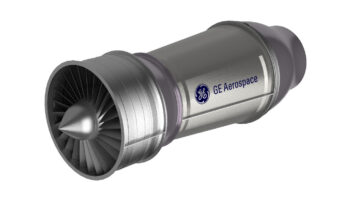
The two engine makers will advance designs to power medium thrust class drones, an Air Force spokesperson told Breaking Defense.

The Next Generation Adaptive Propulsion program is now projected to complete prototyping work in 2031, a cumulative delay of three years compared to earlier projections.


Models that replicate real-world physics streamline design, testing and iteration processes.
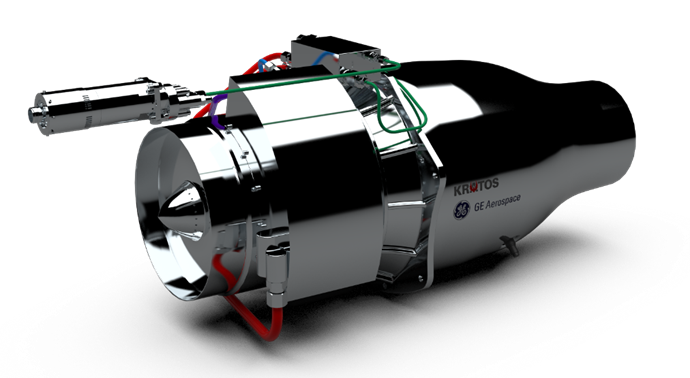
Beehive Industries, Honeywell, Pratt & Whitney and a teamup of GE Aerospace and Kratos will “mature engine designs” for future drone wingmen and other autonomous platforms, according to the Air Force.
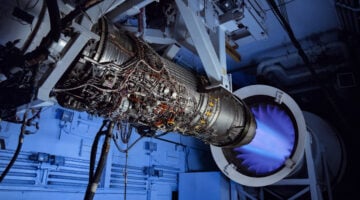
The announcement marks the first official partnership for GE on a drone wingman platform.
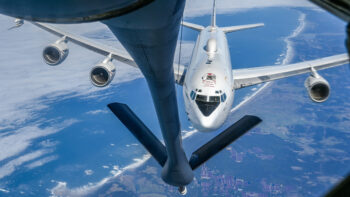
In the near term, the "Merlin Pilot" could replace one of the two crew currently required to fly the KC-135 tanker and C-130J transport — but the ultimate aim is for the AI to fly complex missions on its own.
The Next Generation Adaptive Propulsion program is designing new engines that could power aircraft like the Air Force’s forthcoming F-47 stealth fighter.

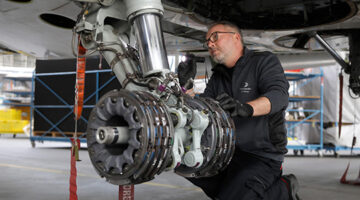
A commitment to long-term operational value.
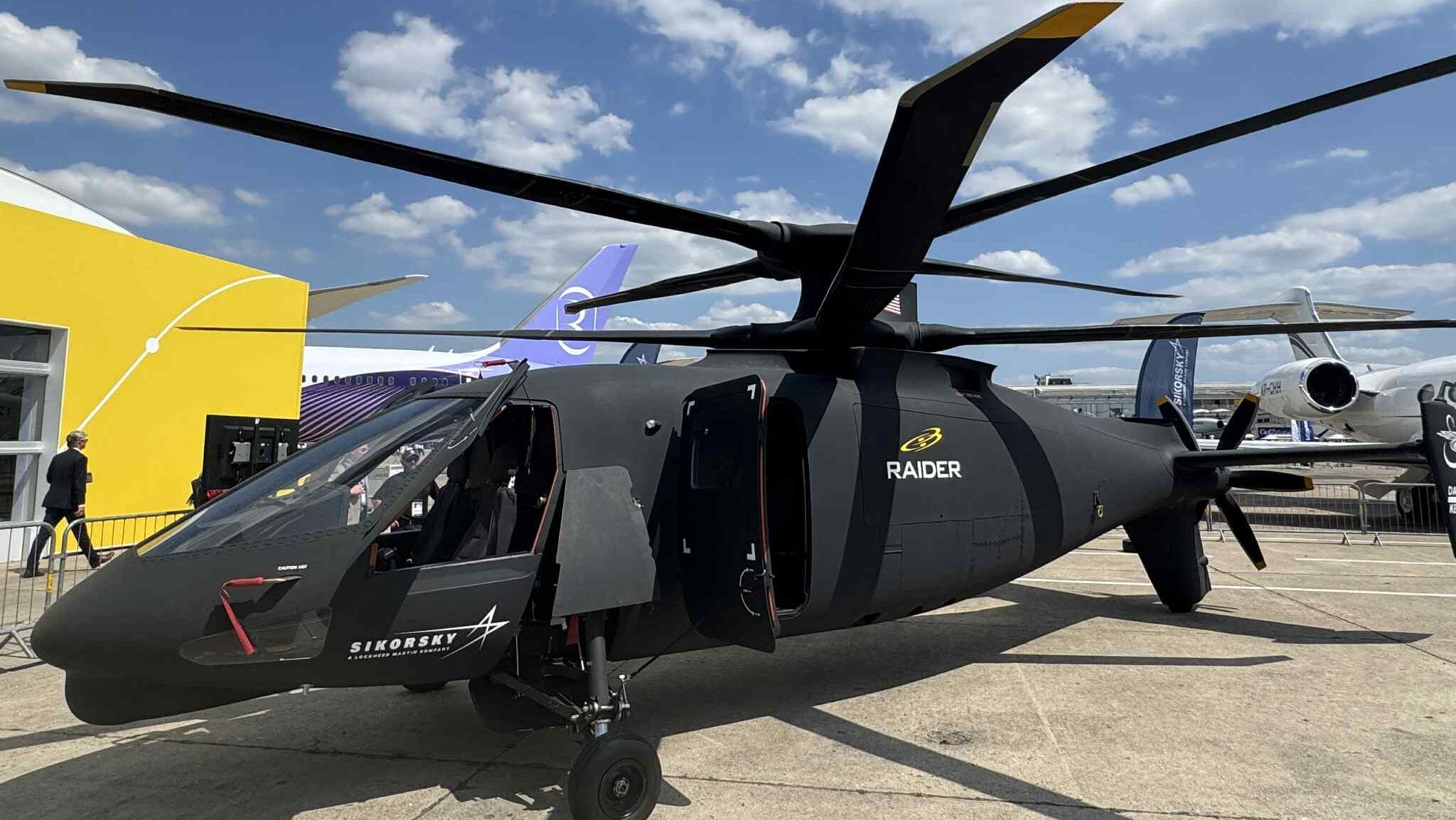
“Especially from an X2 standpoint, the largest procurement out there is really NGRC. And that recapitalization of the helicopter fleet in Europe is the largest thing we see today at least in the next five or 10 years,” said Sikorsky boss Rich Benton.
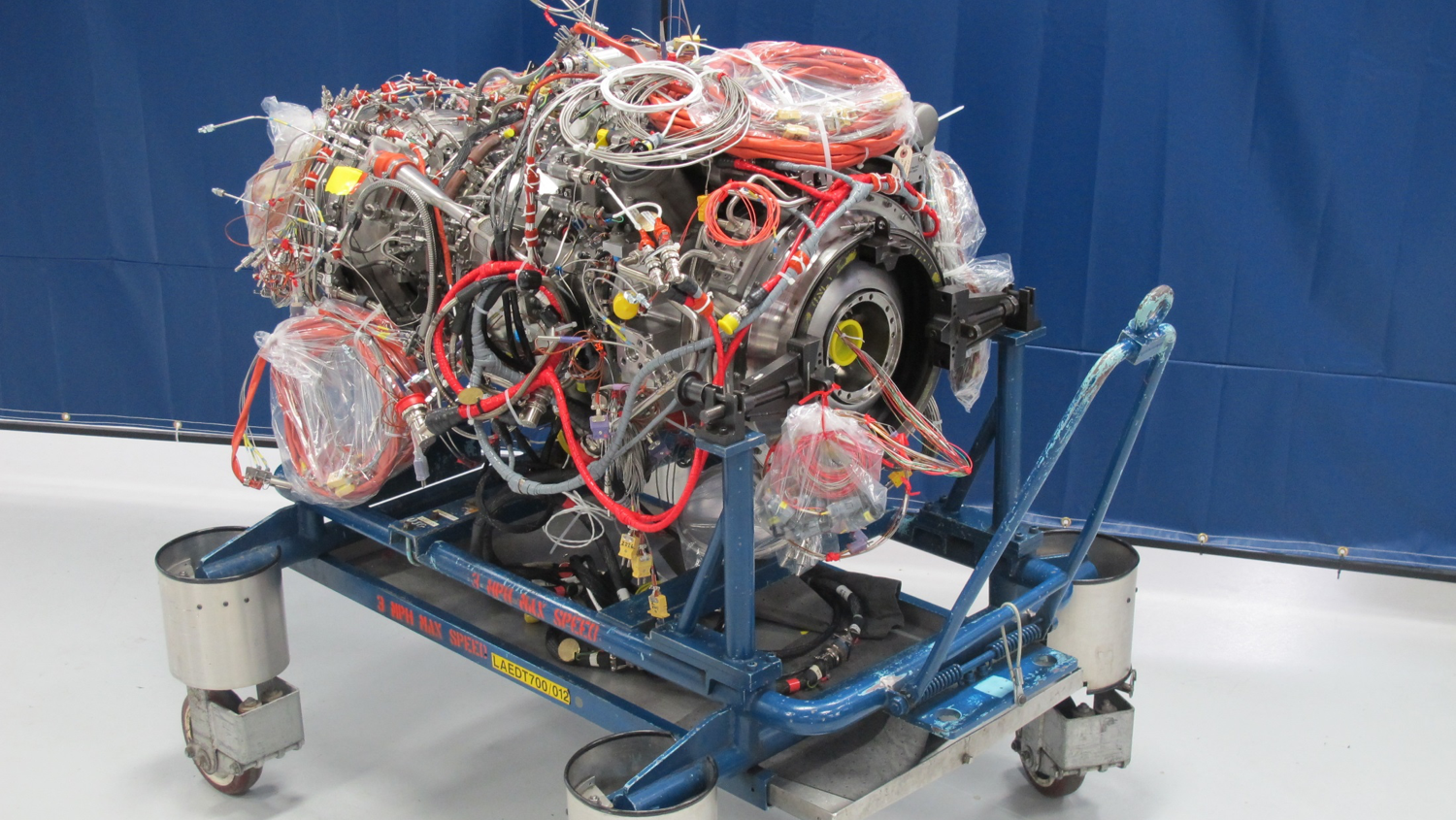
GE executive Mark Rettig said the company’s recent foray into hypersonic technology has opened a new range of opportunities for the engine maker.
The duo's new GEK1500 engine is set to offer 1,500 pounds of thrust and is expected to be demonstrated next year.

“We're going to do an F-55,” President Donald Trump announced today in Doha. “That'll be two engines and a super upgrade on the F-35.”