
Overhauling acquisition, production and procurement processes to rebuild the industrial base
As warfare evolves, the US defense industrial base must adapt to provide opportunity for non-primes.
As warfare evolves, the US defense industrial base must adapt to provide opportunity for non-primes.
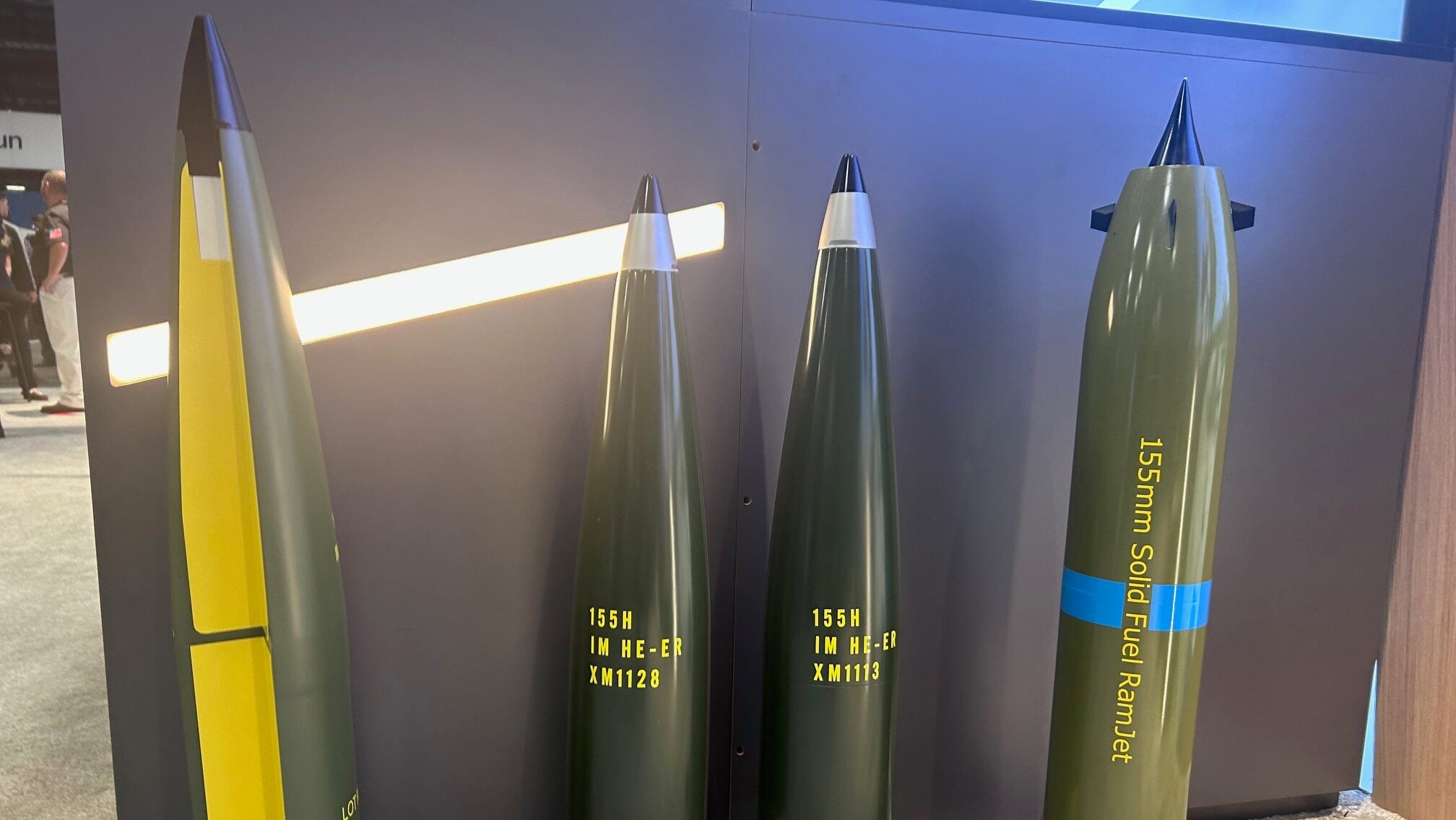
When it comes to predicting the needs of future conflicts, Maj. Gen. John Reim said, “the Army’s gotten it wrong 100 percent of the time.”

Discover how unmanned systems and emerging technologies are shaping the future of U.S. naval power in Breaking Defense’s new eBook.

Over $1 billion would pass through the Pentagon, researching shelf-stable blood for casualties, new lubricants for engines, more powerful explosives, and more. Commission Chairman Sen. Todd Young hopes to get the first funds in the 2026 NDAA.

The program manager for the Future Long Range Attack Aircraft breaks down what the supply chain needs to be doing now for production.
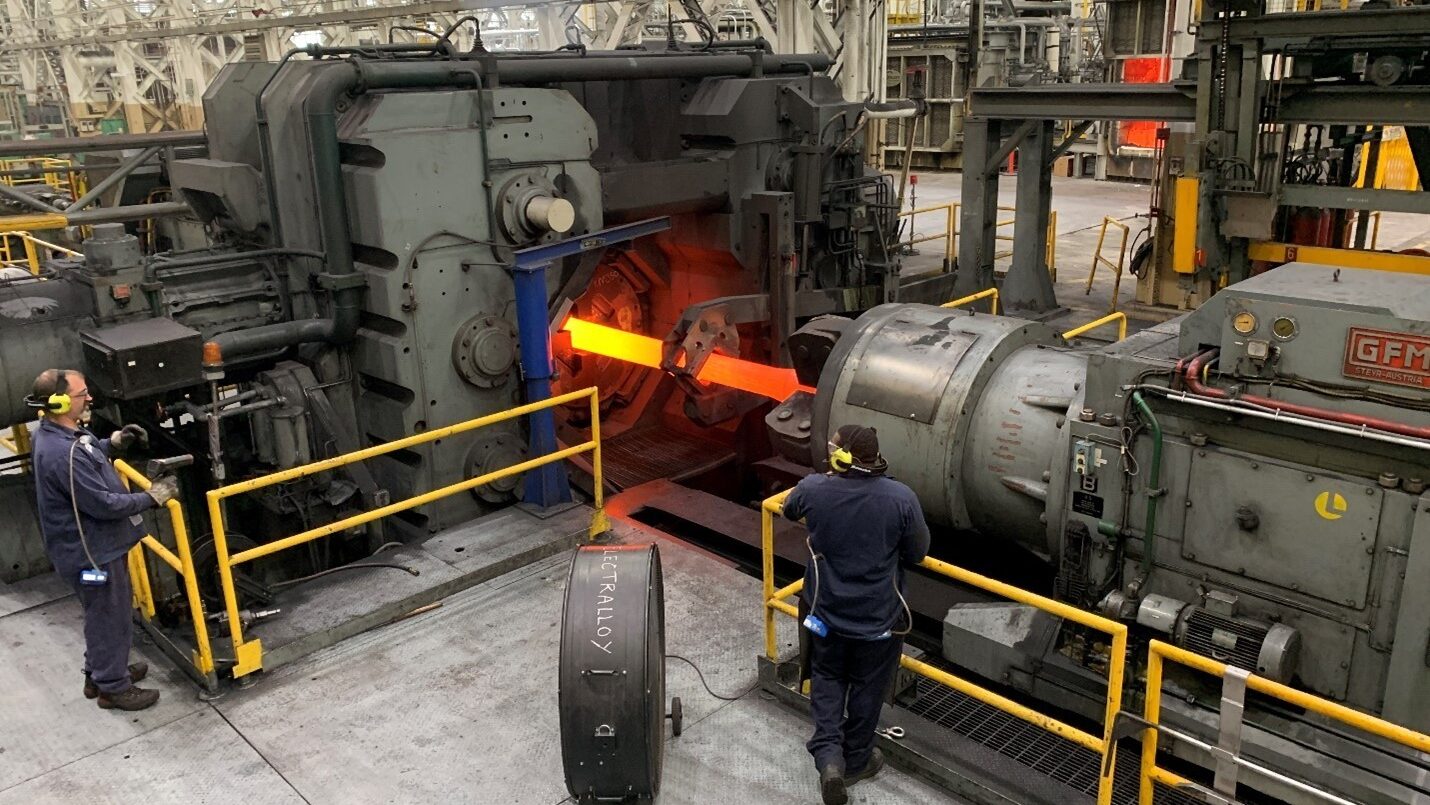
Brig. Gen. Michael B. Lalor, head of the Army Tank-Automotive & Armaments Command (TACOM), told Breaking Defense this week the service plans to break ground in FY25 on the Long Range Precision Fires Facility at Watervliet Arsenal, NY.

On the cusp of NATO's 75th Anniversary Summit, the House Armed Services Committee sent a first-ever international delegation focused on space security to Europe.


As global navies adapt to evolving underwater threats, ASELSAN’s integrated sonar, countermeasure, and sonobuoy solutions offer a scalable, future-ready approach.

If a a new department or, alternatively, a "National Space Agency," were to be established, the DIU-supported report recommends that it be modeled on the Department of Energy (DoE), rather than the Department of Homeland Security that still suffers from an abundance of red tape.
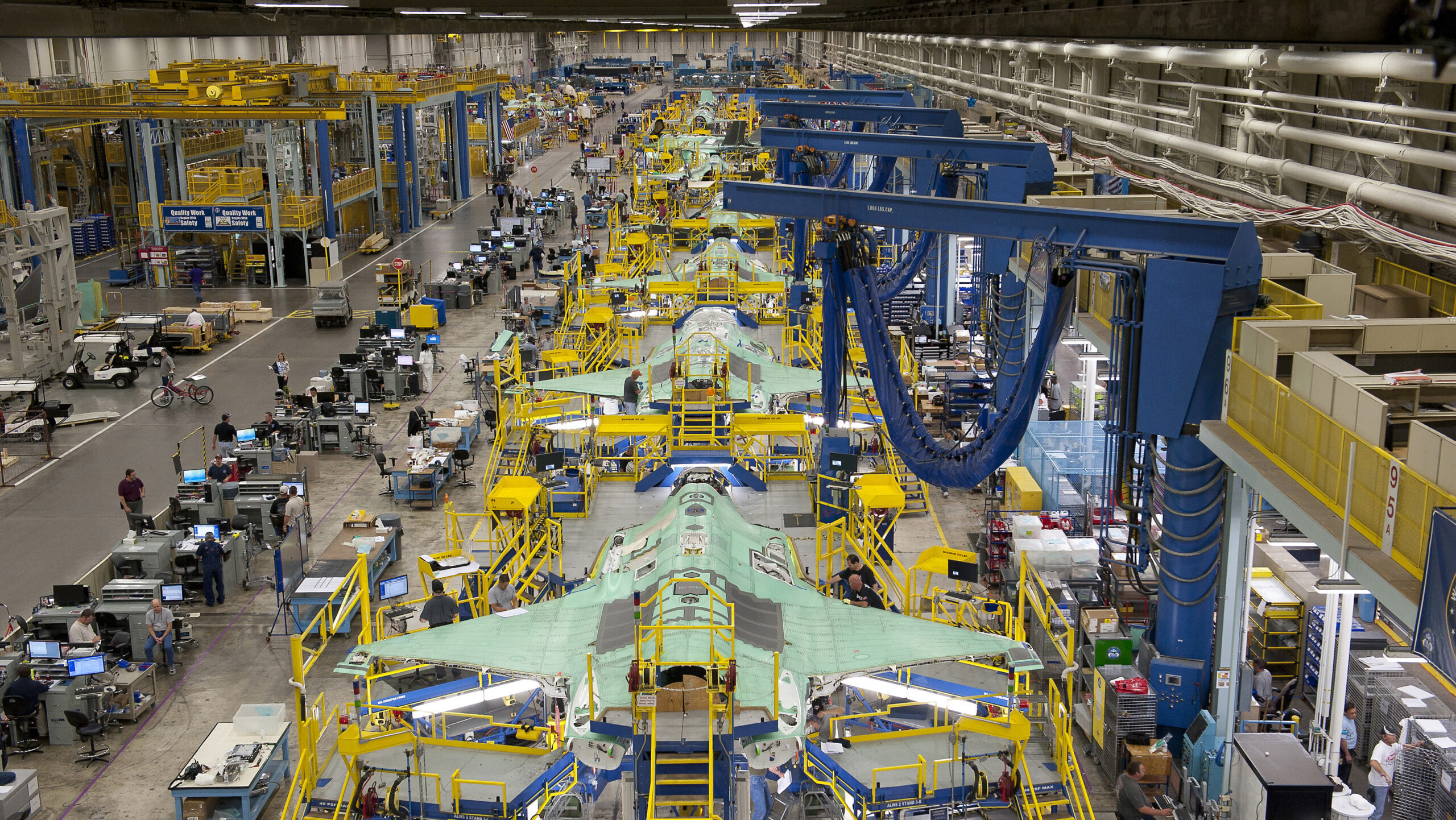
"The current and future strategic environment requires immediate, comprehensive, and decisive action in strengthening and modernizing our defense industrial base ecosystem to ensure the security of the United States and our allies and partners. As this strategy makes clear, we must act now," Deputy Defense Secretary Kathleen Hicks writes in a forward to the new National Defense Industrial Strategy.

“Logistics really matters, sustaining really matters and we are doing that right now with Ukrainians and learning a lot because it’s interesting what you have to do when you can’t send your own US citizens into the country to keep the equipment going,” William LaPlante said.

There are four key areas the strategy focuses on: having resilient supply chains, workforce readiness, flexible acquisitions and a focus on economic deterrence and economic security.


AI, autonomous systems, cyber, and EW converge as industry targets faster battlefield effects.

In a new op-ed, Rep. Joe Courtney, D-CT., makes the case for why America's submarine capabilities are still robust.

The meeting “will include a call for production support for things like gun barrels, ball bearings, and steel casings,” as well as obsolescent parts and microchips, a senior defense official said.

GAO raps Pentagon for relying on a strategy cobbled from four old documents.

Taylor-Kale, who has a long history of working on manufacturing issues, is currently a fellow for innovation and economic competitiveness at the Council on Foreign Relations.