
SpaceX wins $2.29B to speed Space Force’s LEO communications ‘backbone’
The SpaceX "backbone" constellation will support the broader Space Data Network, which will include the Space Development Agency's Transport layer satellites.
The SpaceX "backbone" constellation will support the broader Space Data Network, which will include the Space Development Agency's Transport layer satellites.

Missile warning and tracking programs, and the emerging Space Data Network being developed to ferry space sensor data to shooters on the ground, in the air and at sea are among the programs seeing huge increases.

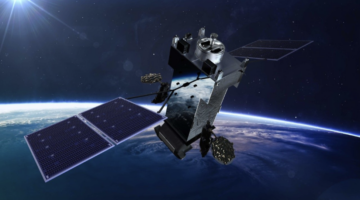
Multi-orbit mission capabilities are accelerating decision making across domains.
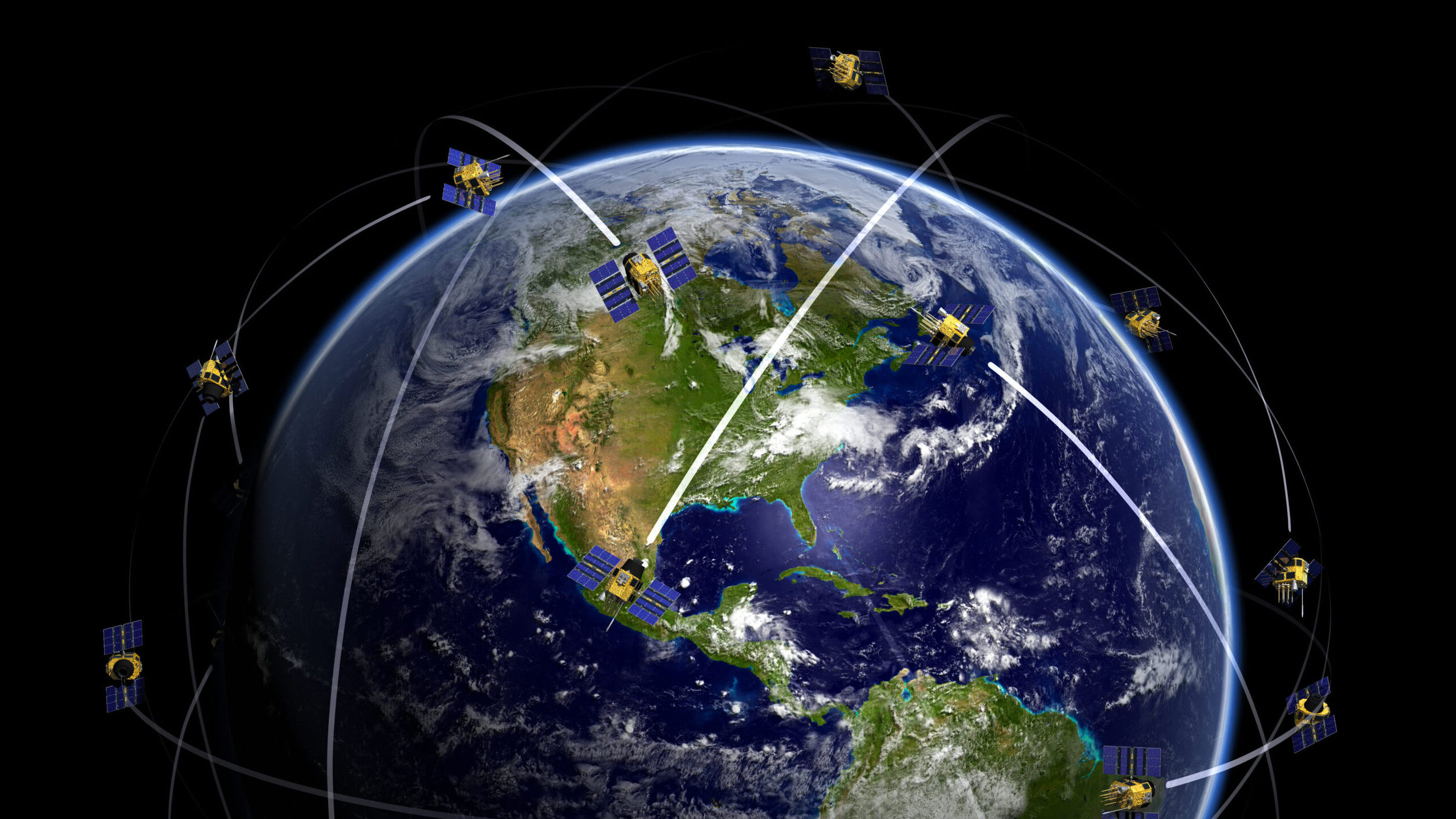
Meanwhile, the Space Warfighting Analysis Center is pushing the use of signals from communications satellites in low Earth orbit as a near-term alternative to GPS.

The Space Development Agency's planned Navigation Layer, if it proceeds, would provide both the location of GPS jammers and alternate PNT signals.

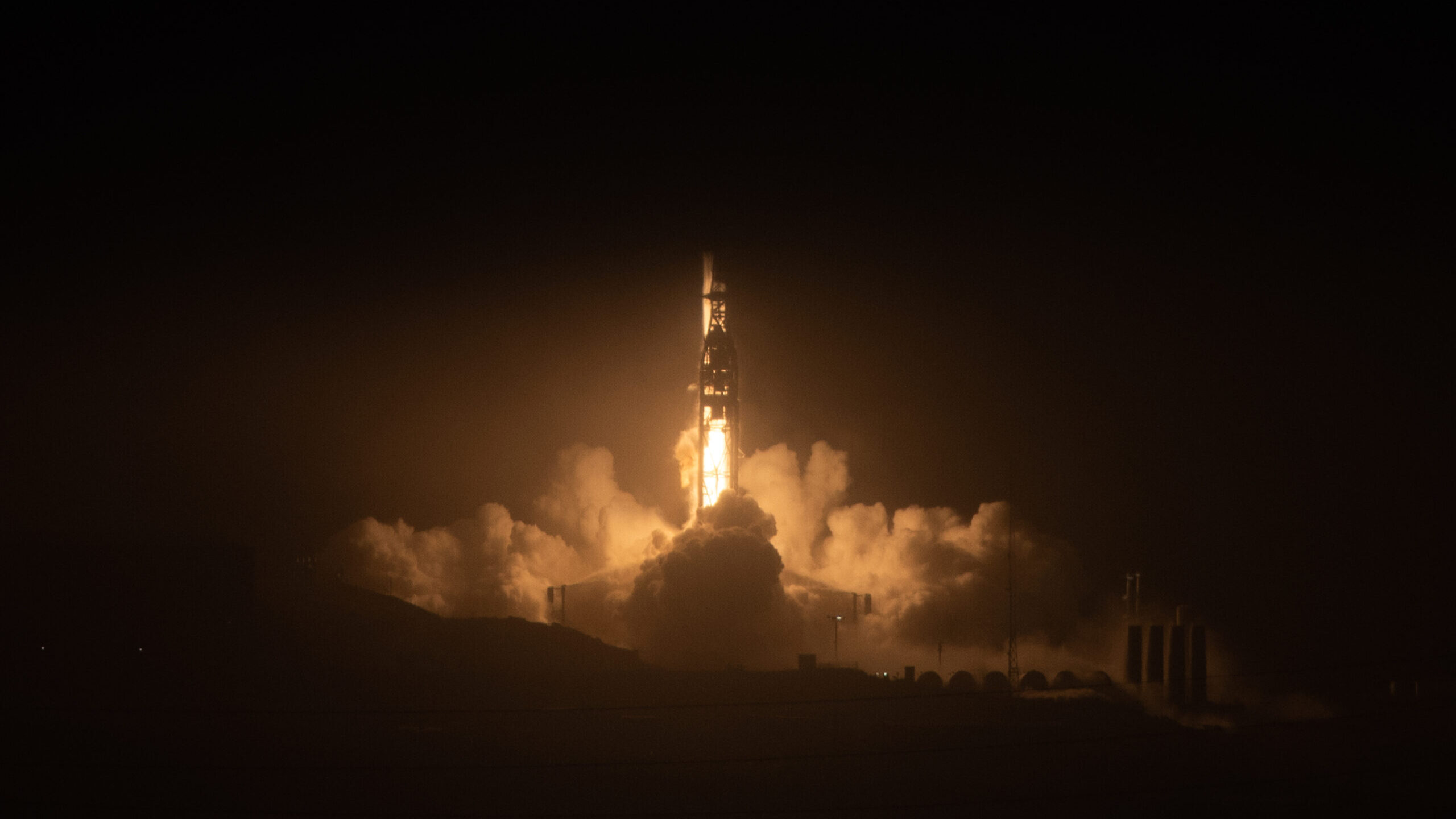
The 21 satellites lofted today on a SpaceX Falcon 9 were all built by York Space Systems and provide Link 16 and K-band communications.

In an exclusive interview with Breaking Defense, outgoing SDA Director Derek Tournear said the agency's three biggest technological successes have been proving the viability of space-based Link 16; missile tracking from LEO; and low-cost laser links.


As part of the DoW’s acquisition transformation, streamlined processes must be extended to all companies in the defense industrial base.

The services’ unfunded requests, obtained by Breaking Defense, reflect sharp increases compared to last year.
Contracts for the next-generation Tranche 3, which will replace the earliest Transport Layer satellites, have been paused until the Space Force study is completed, five sources with knowledge of the program told Breaking Defense.

The MILNET contract with SpaceX is being paid for by the Space Force but managed by the National Reconnaissance Office, sources said.