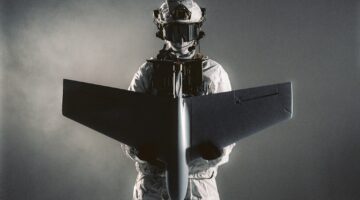
US-Norwegian startup Heaviside launches Tyr loitering munition
The company is headquartered in L.A. but partners closely with Norwegian arms-maker Nammo, which provides the anti-tank warheads and a range for live-fire testing.
The company is headquartered in L.A. but partners closely with Norwegian arms-maker Nammo, which provides the anti-tank warheads and a range for live-fire testing.
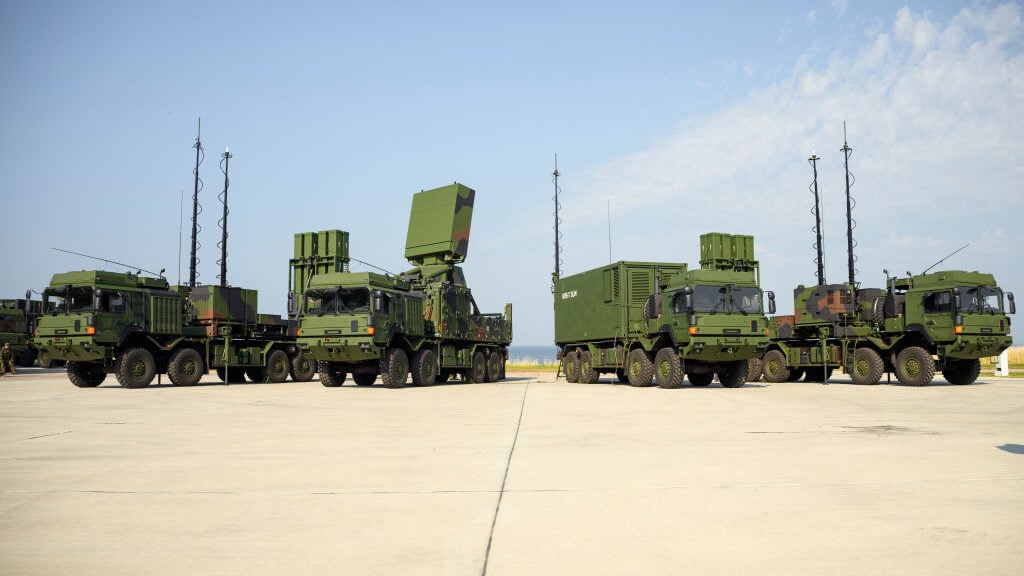
The push comes as German defense firm Diehl targets a first Safety Integrity Level (SIL) firing test of the surface-launched IRIS-T SLX in 2027.

Explore how software, edge AI and resilient connectivity can strengthen military logistics in contested environments. Join Breaking Defense on Oct. 21 and earn 1 CPE credit.

"This industrial base among our allies is already very interconnected, so we cannot break it up," said Morten Brandtzæg.
To increase munitions stockpiles, the US military needs more solid rocket motors. Deep into the supply chain, there are still problems, executives told Breaking Defense.
A spate of Russian drone incursions across Europe along with other uncrewed aerial system sightings disrupting critical infrastructure, including several airports, has led to NATO bolstering its presence on the Eastern Flank.

Under the contract, the companies will “verify design requirements and specifications” for the Mk 72, which is used on the Navy's Standard Missile.

The goal of such weaponization is to tie warfighter needs to the RDT&E cycle.

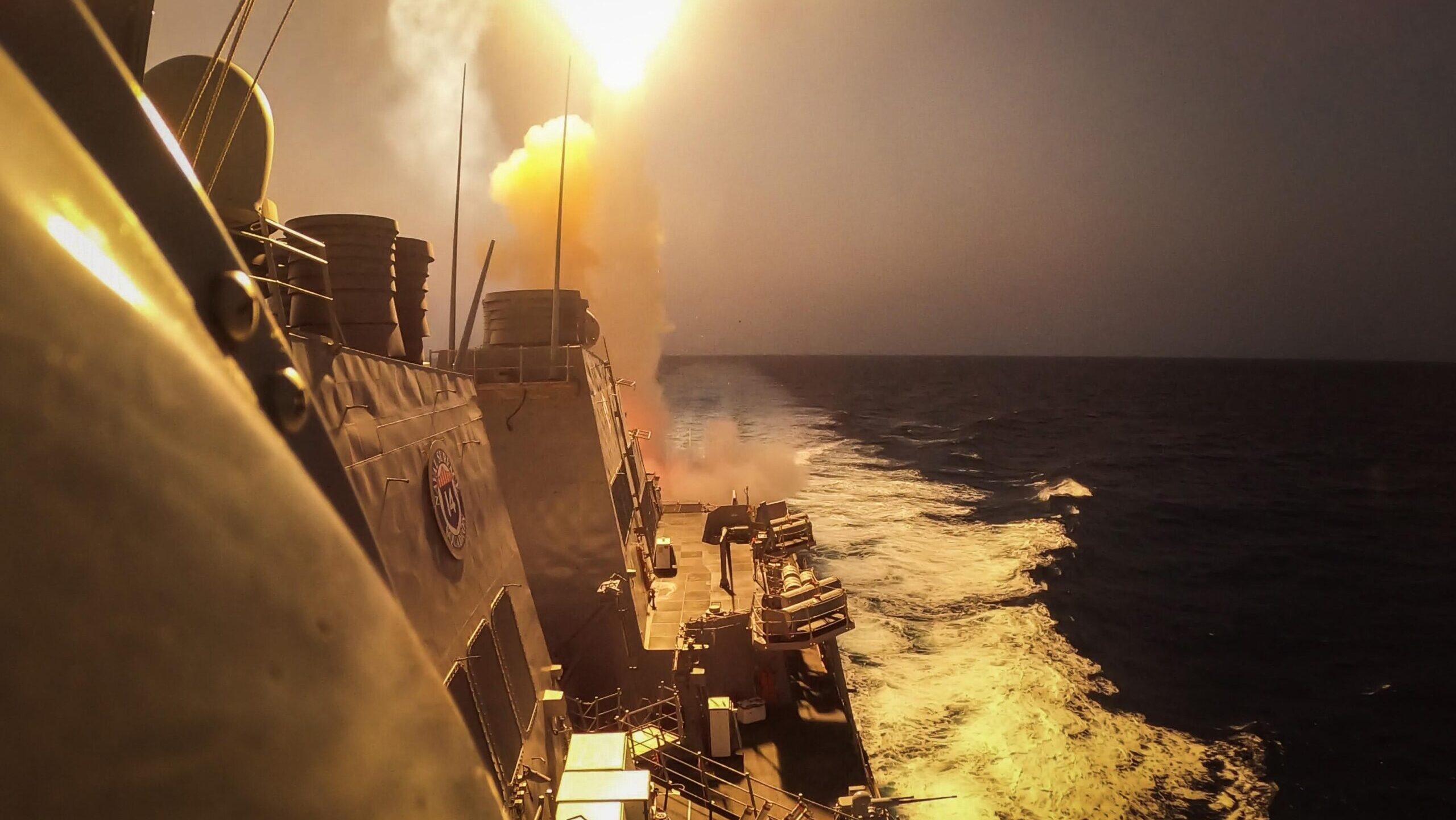
The demand for rocket motors for missiles is acute, with steps being taken to expand domestic production that includes more international cooperation.
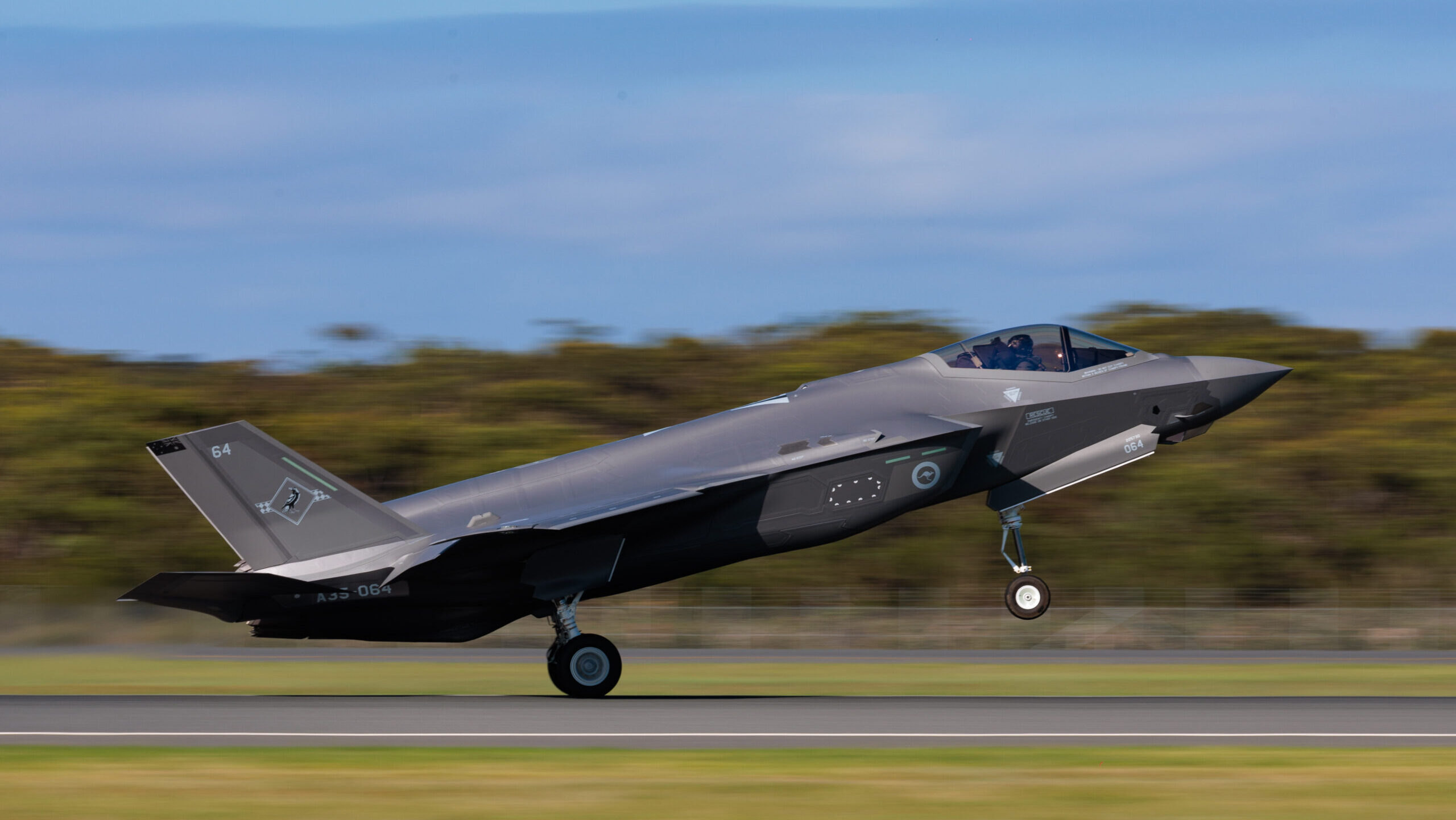
The deal is valued at approximately AUD $22.9 million ($14.2 million US), a spokesperson for Australia’s Department of Defence disclosed to Breaking Defense.
"The message from industry that we have to share the risk of building war capacity between government and industry has been well heard," said Morten Brandtzaeg, Nammo CEO.

During a Tuesday event, several chief executives from US and European weapons companies pointed to interoperability as a key consideration as defense firms ramp up munitions production and nail down new coproduction agreements.

A commitment to long-term operational value.
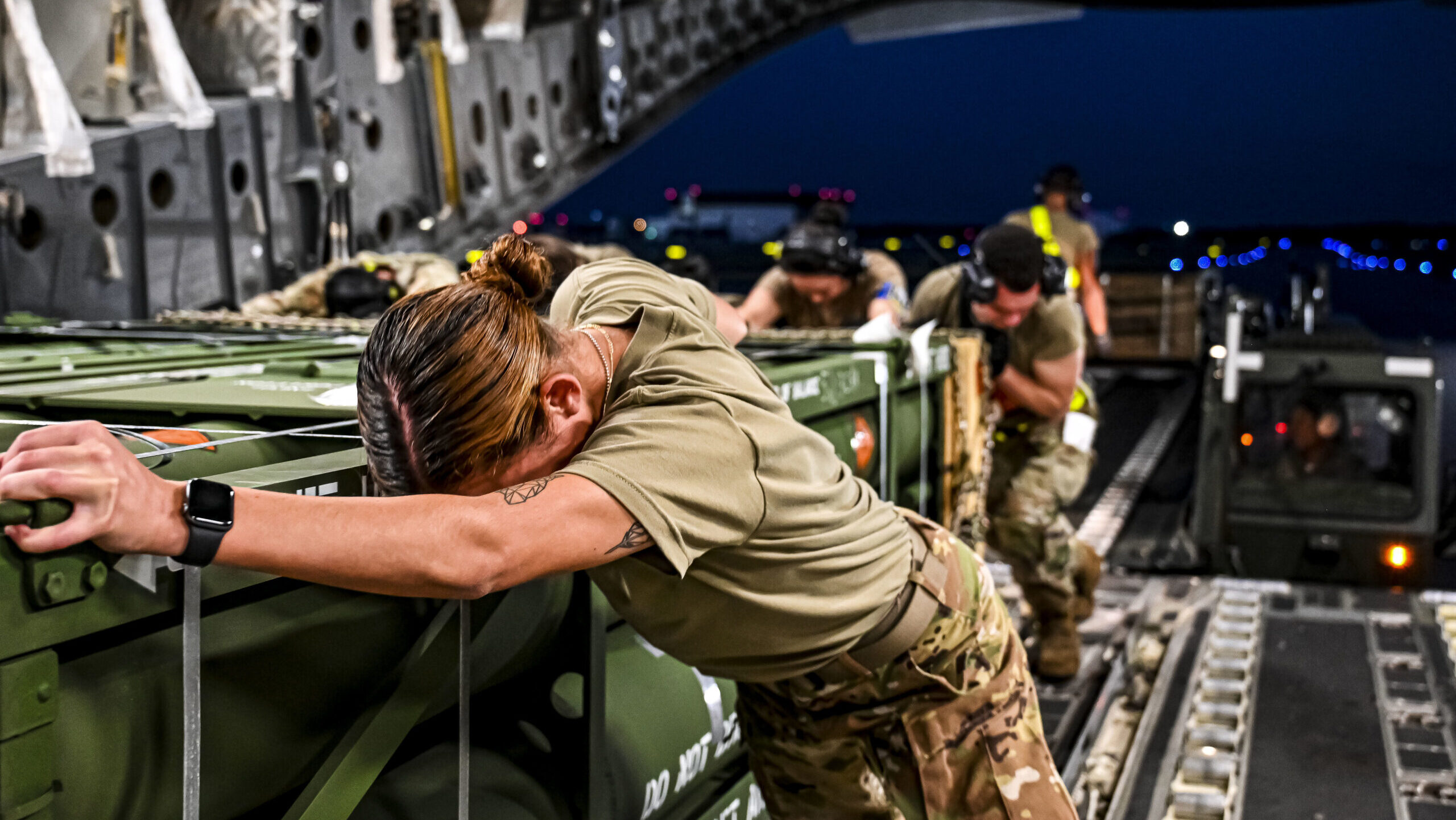
"This is a broad and in a way campaign-like approach to strengthening our own supply chain and enabling multiple sources, really for even beyond our company for our industry, which I think is important," Lockheed Martin CEO Jim Taiclet said of his firm's endeavor to field a new solid rocket motor supplier.

Morten Brandtaeg, CEO of Norway’s Nammo, said that 10- to 15-year production contracts should be agreed “because that’s what it takes” to sustain industry investments.
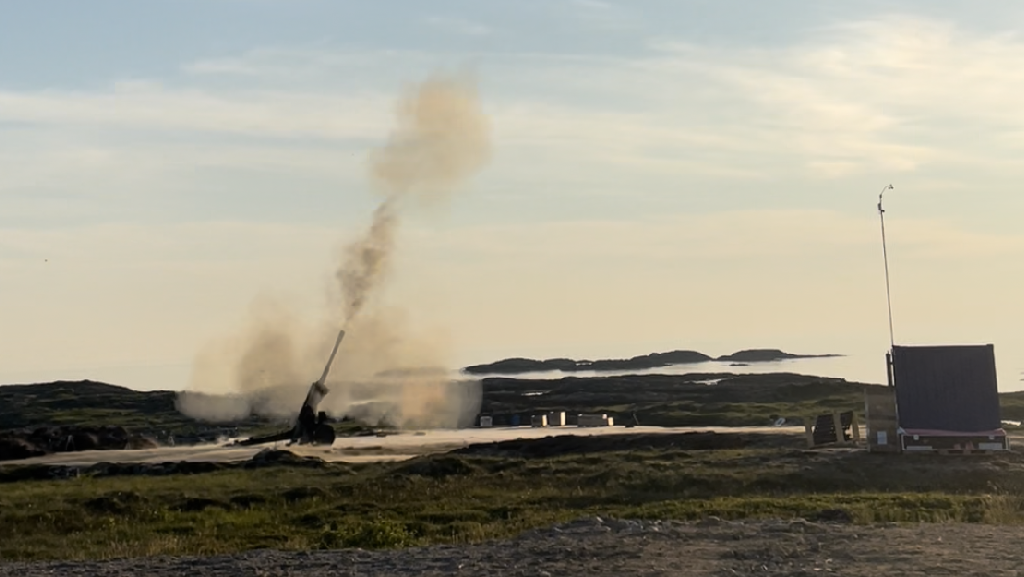
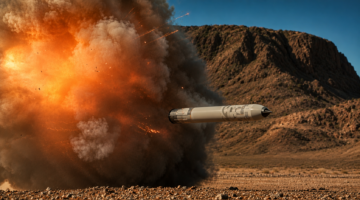
The recent test verified the projectile's flight stability and propulsion system. Next up: guided flight.
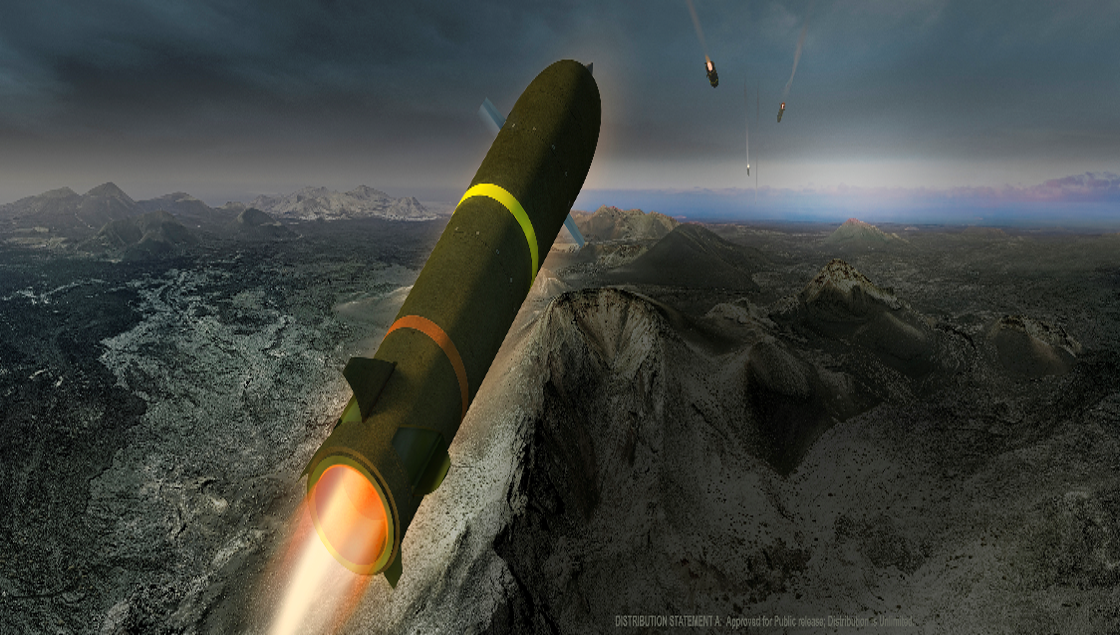
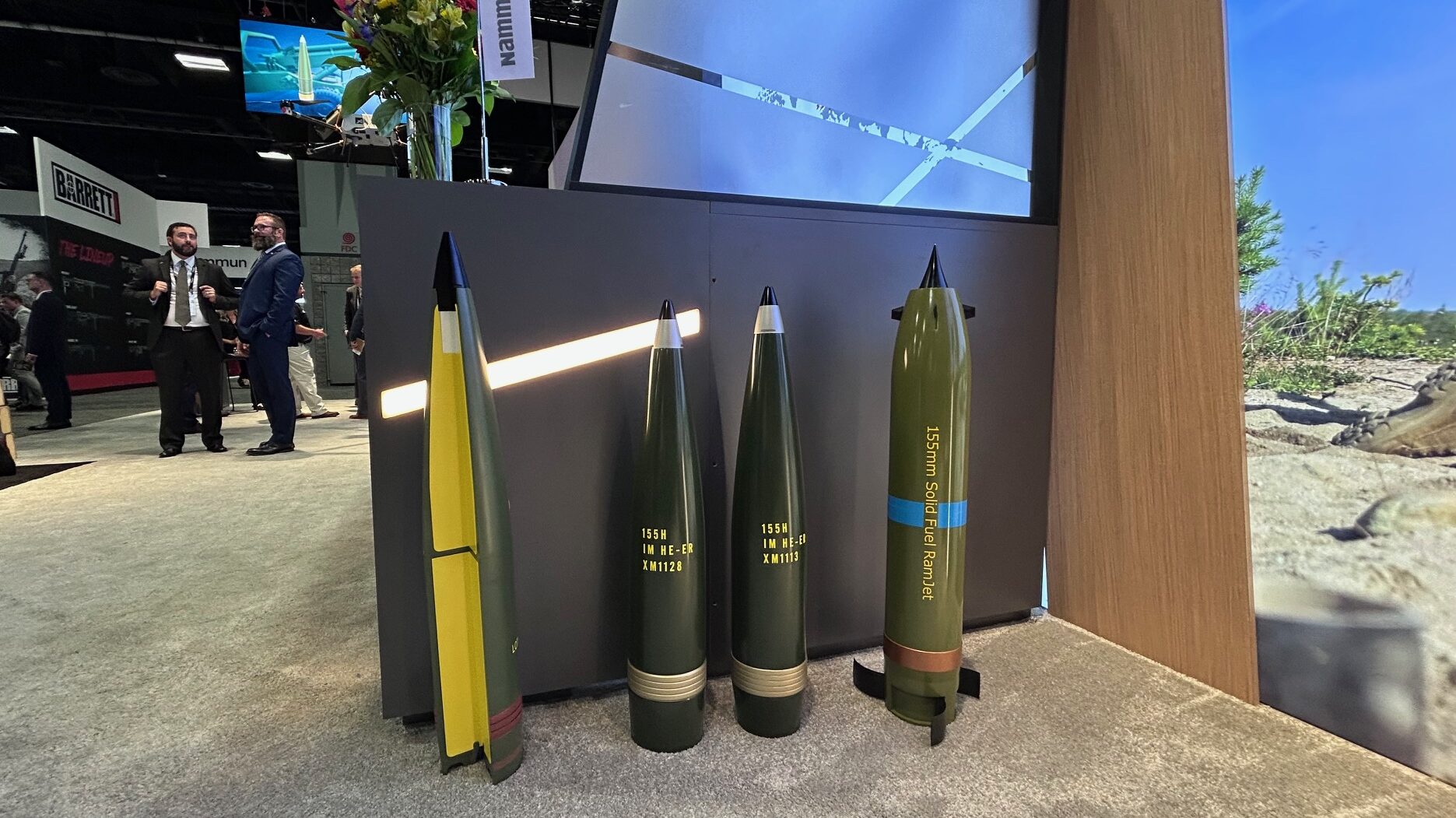
"The farther it flies, the faster it flies, because it's scooping up more oxygen, and that also helps you to avoid detection," a Boeing executive said of the Ramjet design.