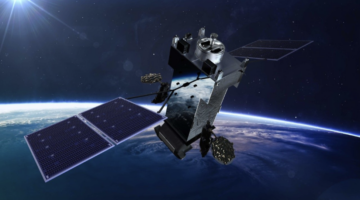
Engineering decision advantage for the warfighter
Multi-orbit mission capabilities are accelerating decision making across domains.

Multi-orbit mission capabilities are accelerating decision making across domains.
A project previously called MILNET will now be funded in a budget line labeled “proliferated LEO SATCOM,” which the Space Force is seeking $1.6 billion in reconciliation funding to kick off.

Explore how software, edge AI and resilient connectivity can strengthen military logistics in contested environments. Join Breaking Defense on Oct. 21 and earn 1 CPE credit.

Missile warning and tracking programs, and the emerging Space Data Network being developed to ferry space sensor data to shooters on the ground, in the air and at sea are among the programs seeing huge increases.

It is unclear whether Gurpartap "GP" Sandhoo will keep his role as SDA acting director under a double-hat, but one industry source said that is the most likely solution at least in the near term.
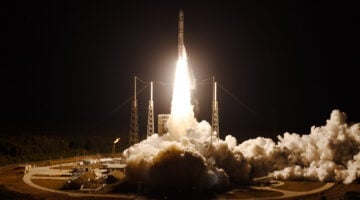
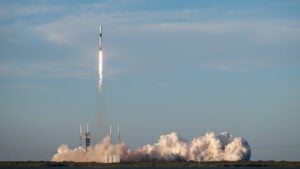
Among the near-term launches most likely to be delayed or shifted are those of the Space Force WGS-11 communications satellite slated to lift off by the end of March, and the Next-Gen OPIR GEO satellite


Missile speed, maneuverability, and destructive power requires more capable payloads for accelerated kill chain timelines.

Supply chains are only as strong as their weakest link, which has been repeatedly proven to be true over the last few years.

Program officials overseeing the Next Generation Overhead Persistent Infrared (Next-Gen OPIR) effort told GAO investigators that the delay was caused not only by developmental problems, but also the Space Force's launch backlog.
"Space Systems Command intends to award a second vendor, but the quantity will depend on the selected vendor’s proposal. The timing and scope of that award is subject to the outcomes of the on-going FY26 budget deliberations," Col. Rob Davis, SSC's head of Space Sensing program, told Breaking Defense.
Space Systems Command (SSC) in recent weeks has issued a flurry of contracts for the key hardware and software "thrusts" that make up the FORGE program, following a restructuring in 2023 that broke the effort into more manageable pieces.

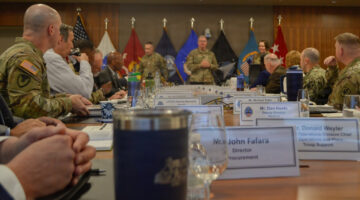
"We are leaning forward establishing this technical IPT to try to pull together all of the systems and start thinking about it from an overarching perspective," Chief of Space Operations Gen. Chance Saltzman said.
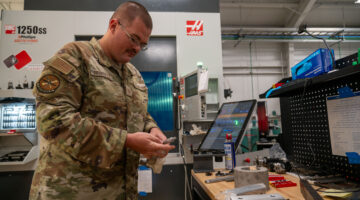
AI-enabled workflows accelerate production, but cybersecurity and governance remain central.

The two Northrop Grumman satellites, which will take highly elliptical orbits over the Earth's poles, are expected to be launched in 2028.

The delay in the review, however, is not expected to impact the planned delivery schedule, an Air Force spokesperson said. That said, neither the Pentagon nor the NRO has revealed the hoped-for schedule.
The Next Generation Overhead Persistent Infrared constellation's first satellite may see its launch pushed back by a year to 2026.
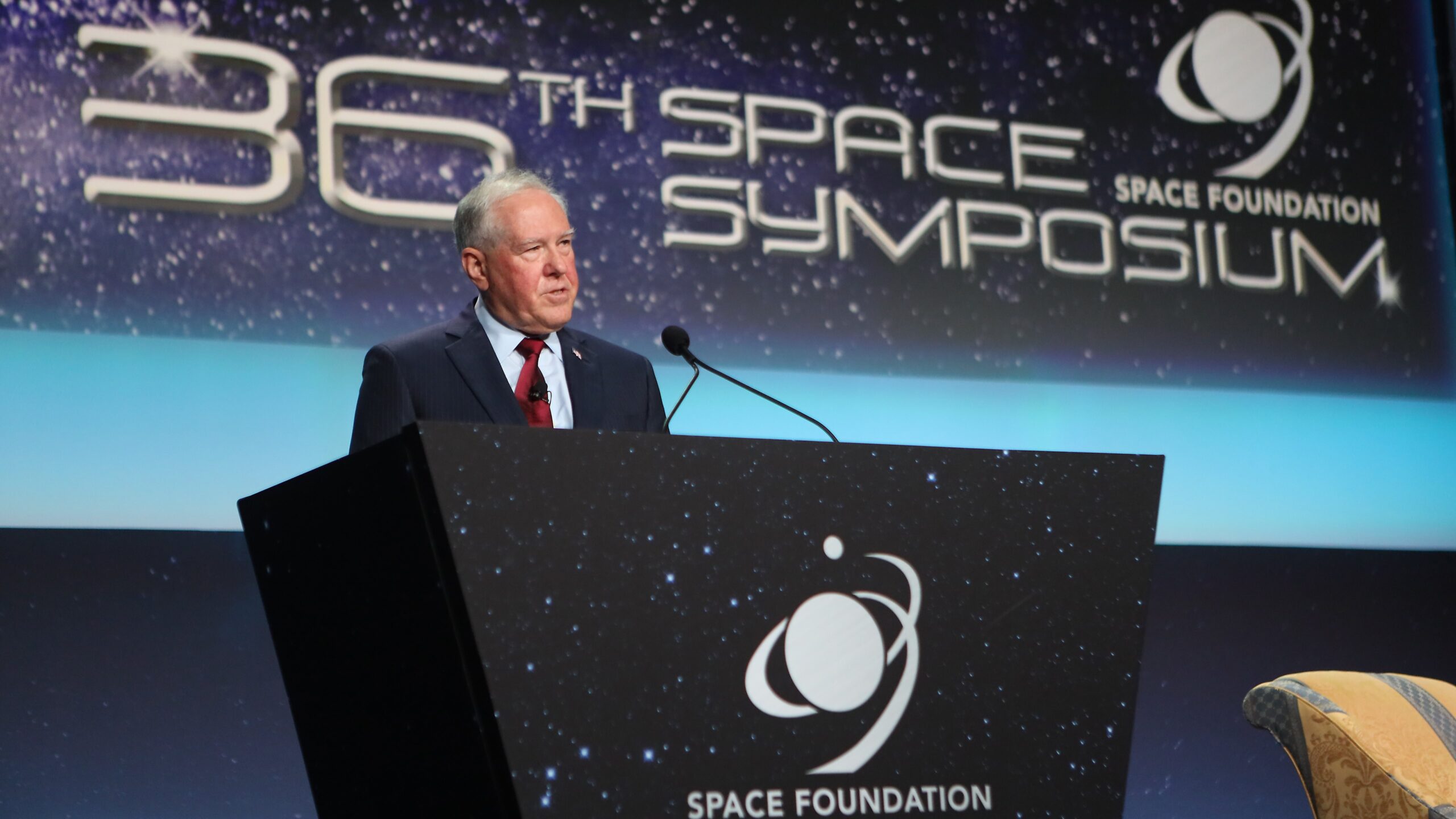
Air Force Secretary Frank Kendall explained that the "small decrease in the number for the Space Force" isn't itself quite reflective of reality, as there are mitigating circumstances that lessen the blow.