
North Korea welcomes Trump back with ‘strategic’ cruise missile test: What’s next?
North Korea's most recent cruise missile test sends two signals: both a show of capability, and a "welcome back" for Donald Trump, experts said.
North Korea's most recent cruise missile test sends two signals: both a show of capability, and a "welcome back" for Donald Trump, experts said.

The United States, in a rare mention of nuclear weapons, "reaffirmed its steadfast alliance commitments to Japan and the ROK backed by the full range of U.S. capabilities, including nuclear."


Lithium-metal batteries are one way to break the weight and endurance limits of today’s unmanned systems.
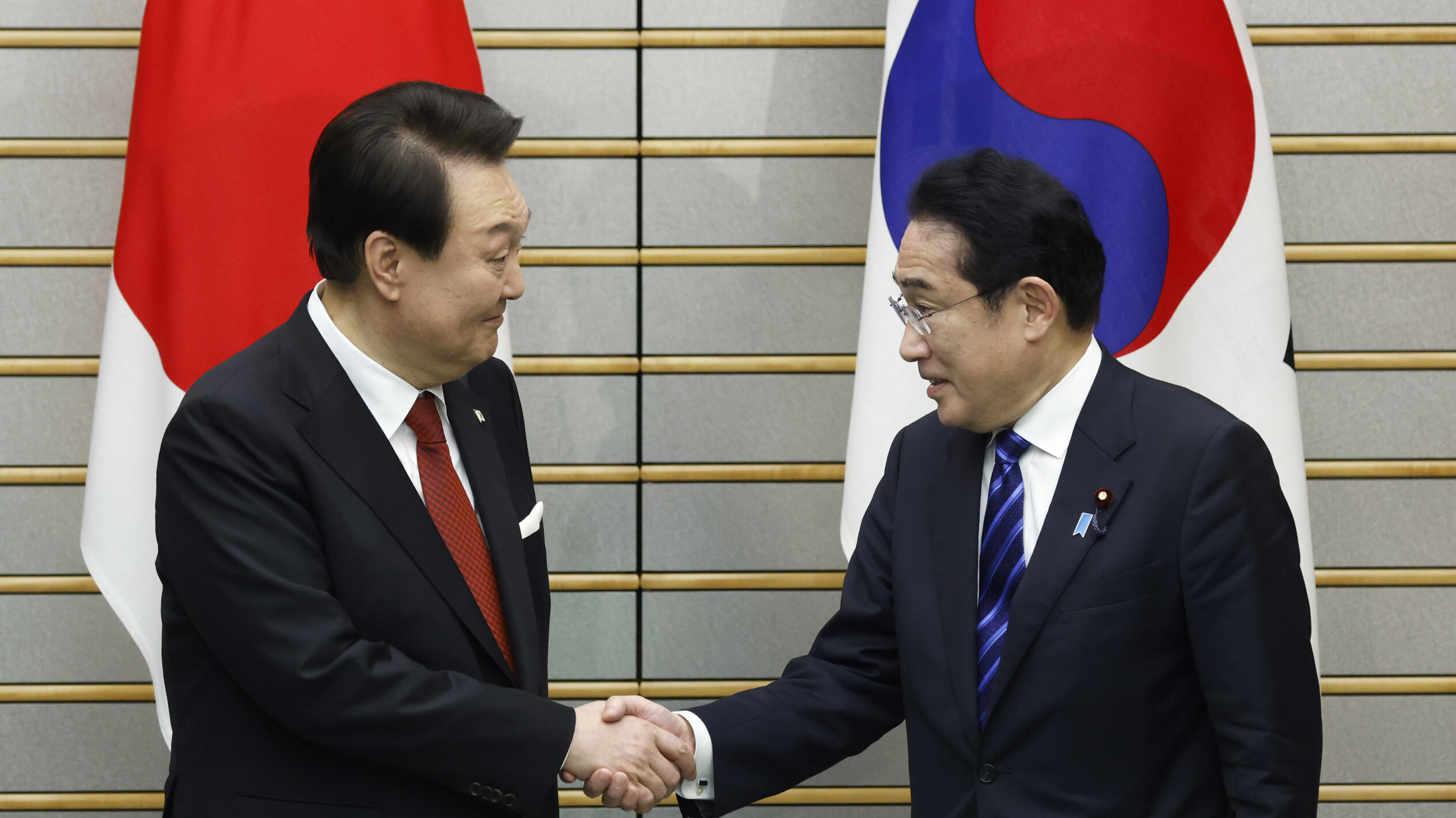
"The restoration of the bilateral GSOMIA and the desire now to expand intelligence and other types of security cooperation are made possible by President Yoon’s determination to improve relations and Japan’s growing anxiety about an assertive China," Patrick Cronin of the Hudson Institute wrote.
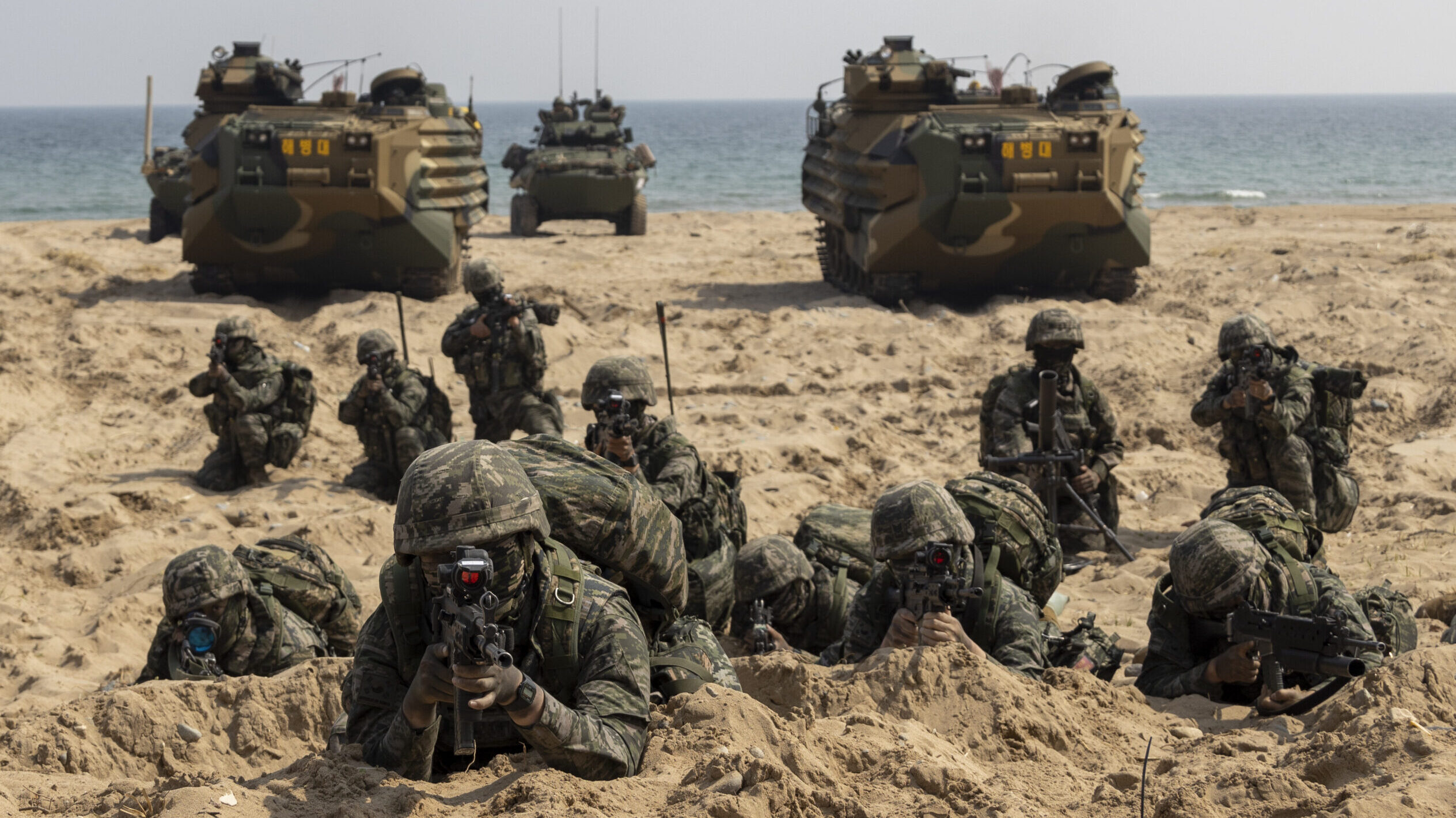
"It is important to keep in mind that while the US and ROK certainly have the right to conduct drills as they see fit, what they have been doing is NOT business as usual," Jenny Town, a Korean analyst at the Stimson Center in Washington, wrote in an email.

South Korea's strategy says the ROK will "nurture a sounder and more mature relationship as we pursue shared interests (with China) based on mutual respect and reciprocity, guided by international norms and rules."

The 100th Missile Defense Brigade and the 49th Missile Defense Battalion at Fort Greely train on and operate the Ground-Based Midcourse Defense system for exoatmospheric intercepts against ballistic missiles.

The goal of such weaponization is to tie warfighter needs to the RDT&E cycle.

"The question is," asks Jenny Town of the Stimson Center, "how to step down from this ledge before an accident escalates into something much more dangerous?"

A new variant of the Houthi’s Burkan missile has a range of at least 1,200 km, putting almost all of Saudi Arabia within range of the Northern Yemeni rebels, posing a new threat to the kingdom. Ansar Allah, as the Houthis are formally known, released footage in August 2019 of a new ballistic missile, called […]
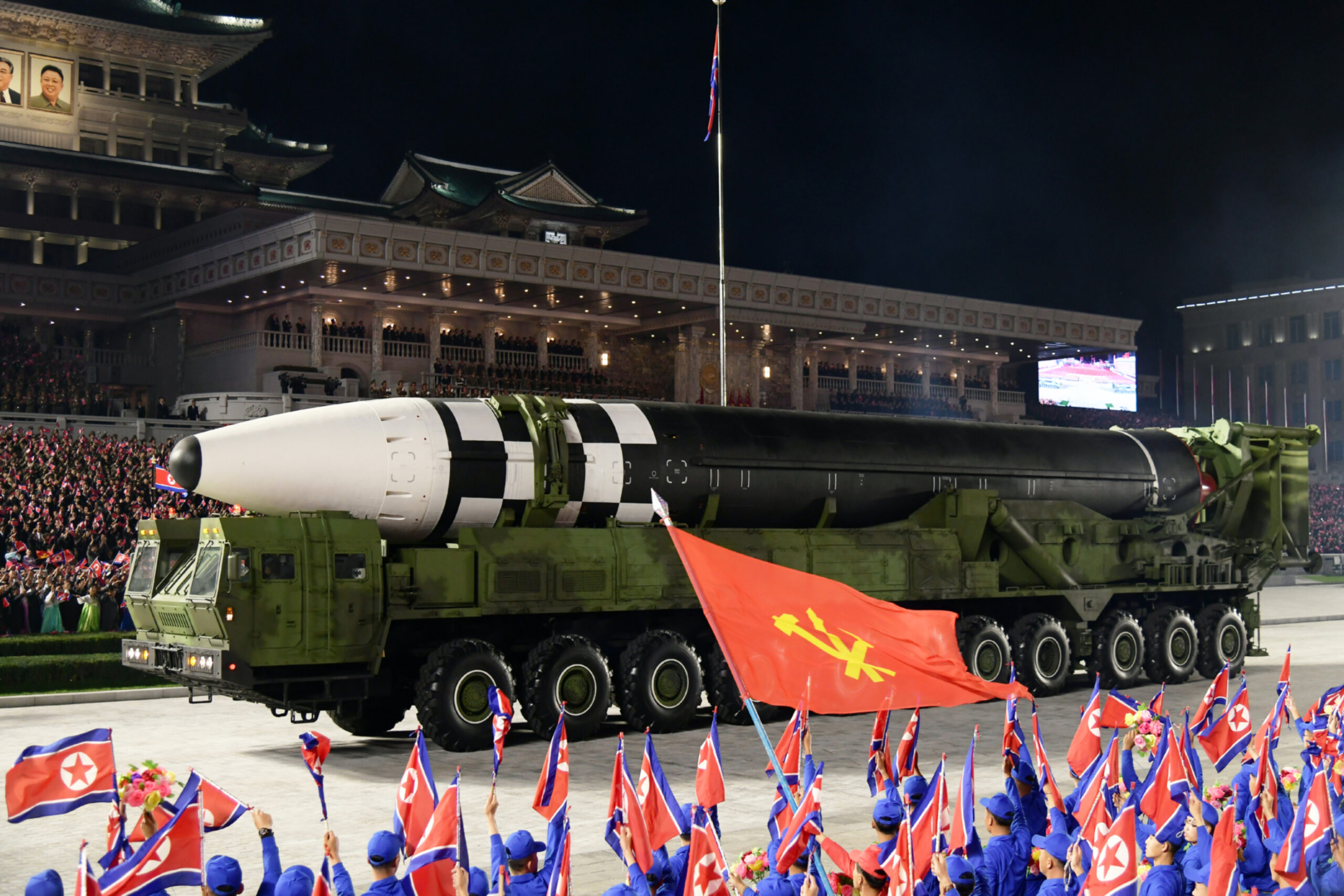
This new missile -- if it's real -- does not change the current threat or defense calculus.
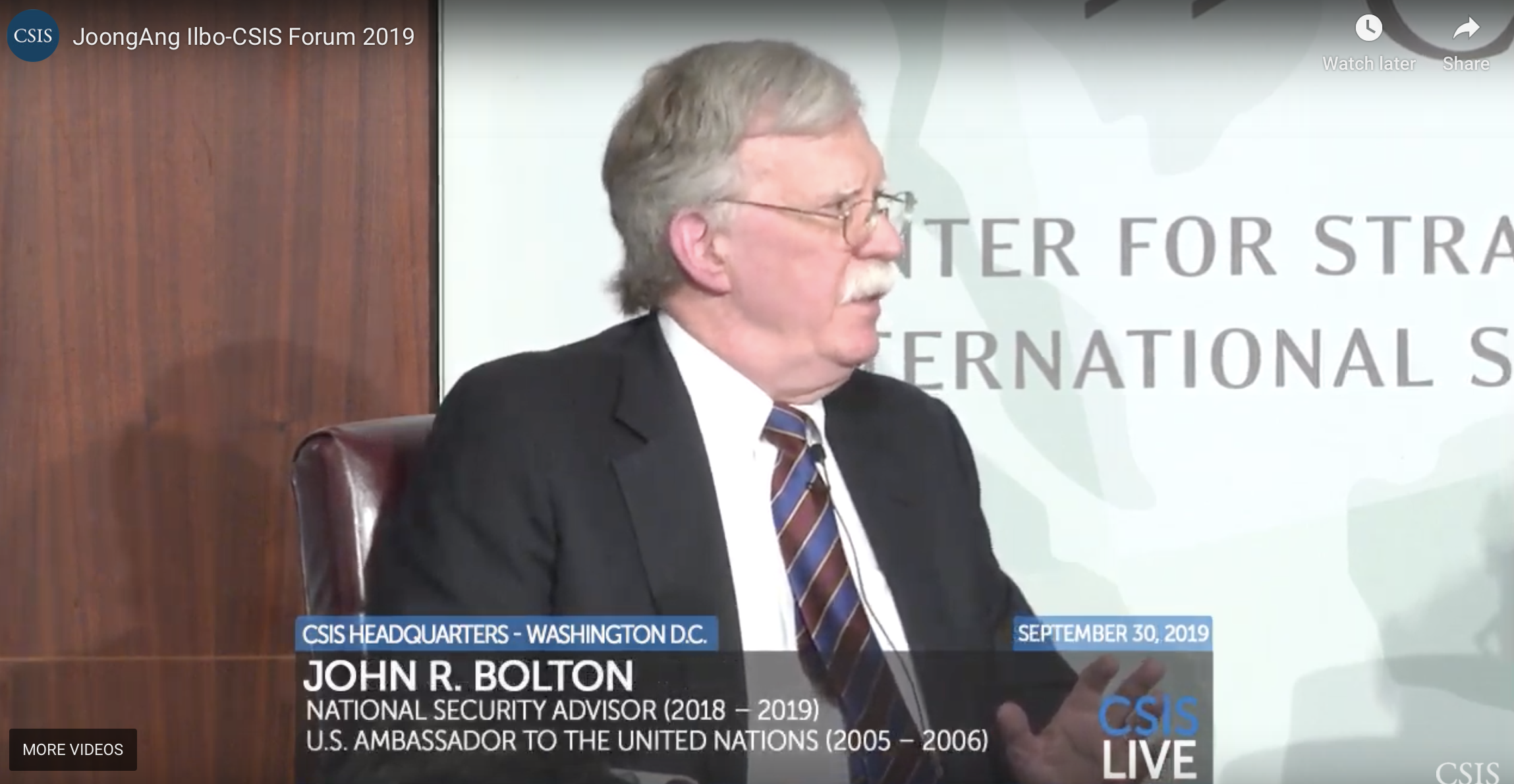
“Every day that goes by makes North Korea a more dangerous country,” John Bolton said at CSIS. “When does it become too late? Today is better than tomorrow. Tomorrow is better than the next day.”

Decentralized Embodied Collaborative intelligence enables better reconnaissance, logistics and combat capabilities.
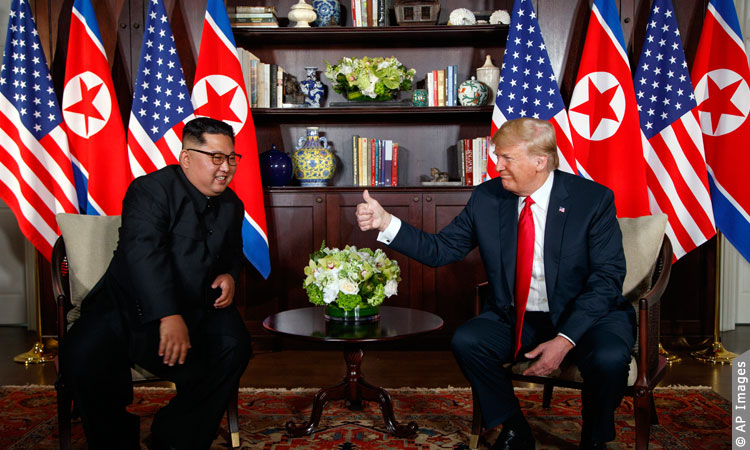
There is "a significant opportunity for the United States to come to the table and negotiate with North Korea and at least begin the steps to take the program back," says Ranking HASC Member Mike Turner.
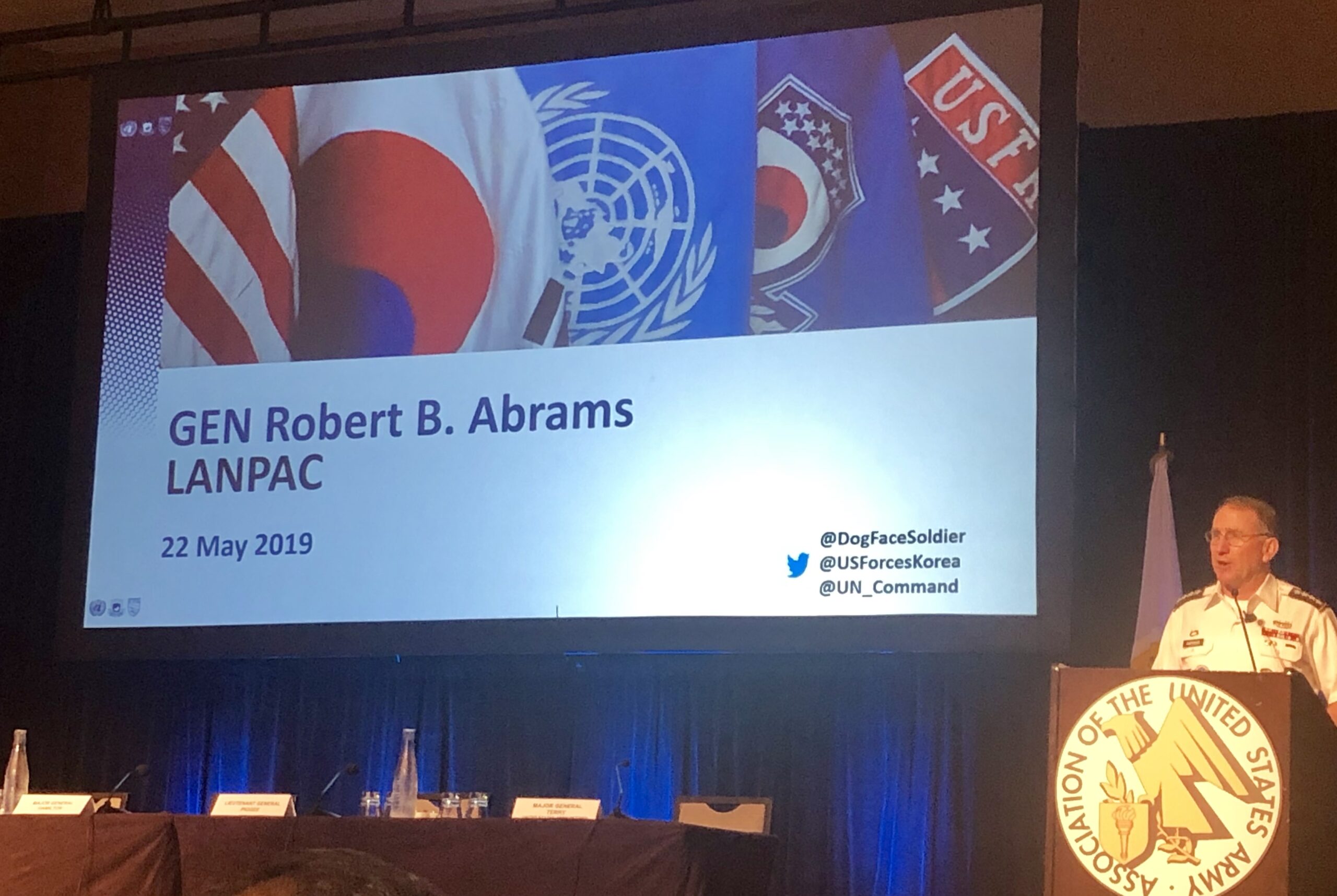
Gen. Robert Abrams tells Breaking Defense, “Recent activities on the peninsula have not changed that palpable reduction of tension on the peninsula.”

SPACE SYMPOSIUM: For the first time, the United States is sharing its space war plans, known as Olympic Defender, with a small number of allies, says the head of Strategic Command. Gen. John Hyten told us in a Monday evening interview that a new version of the plan was published “last December,” he said. “Everything that […]
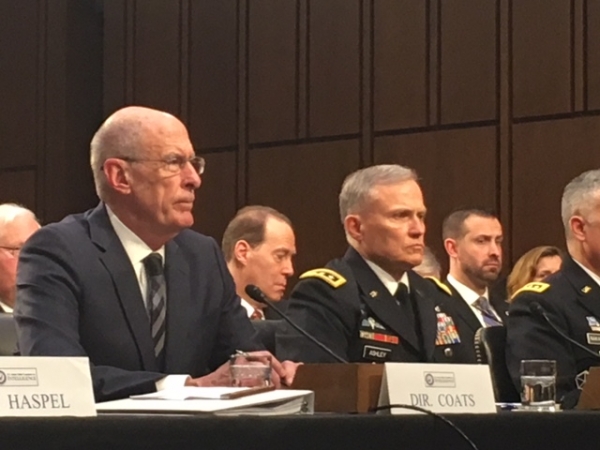
WASHINGTON: The Intelligence Community does not agree with President Trump that North Korea is “no longer a nuclear threat.” We know that because Director of National Intelligence Dan Coats told the Senate Intelligence Community today that Kim Il Sung’s country is “not likely to give up” all its nuclear weapons. Here’s our story two years […]