
Long-range radar deal puts Ireland on course to shrink capability gap
Dublin said last year that a “record” €1.5 billion defense budget would allow “significant progress” to be made on the radar project.
Dublin said last year that a “record” €1.5 billion defense budget would allow “significant progress” to be made on the radar project.

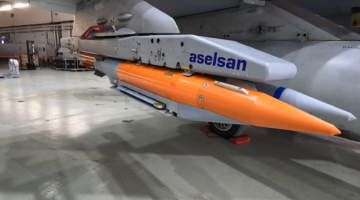
From advanced electro-optics and AESA radars to electronic warfare payloads and precision-guided munitions, ASELSAN is presenting a comprehensive portfolio designed to enhance the effectiveness of next-generation uncrewed platforms.


Supply chains are only as strong as their weakest link, which has been repeatedly proven to be true over the last few years.
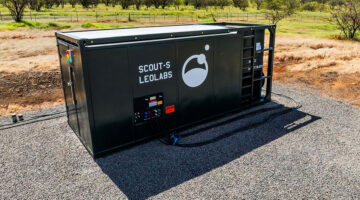
The new Scout-S radar will remain operational after Valiant Shield ends July 1, and already is contributing data to LeoLab's space monitoring network, the company said.
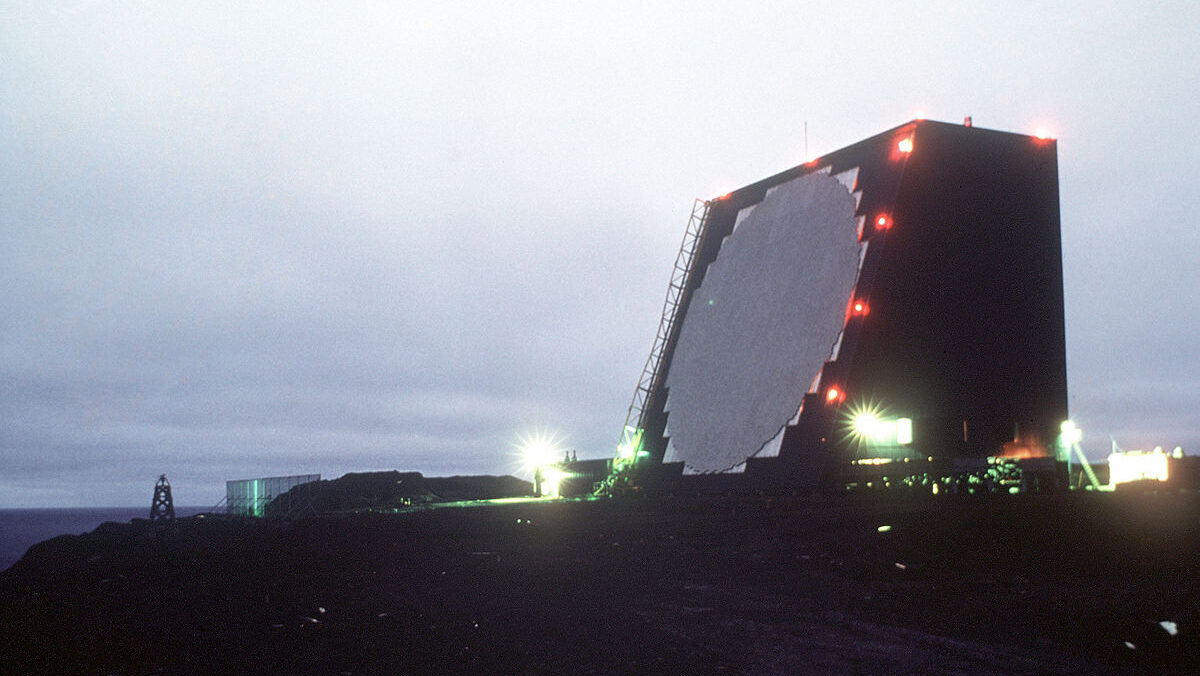
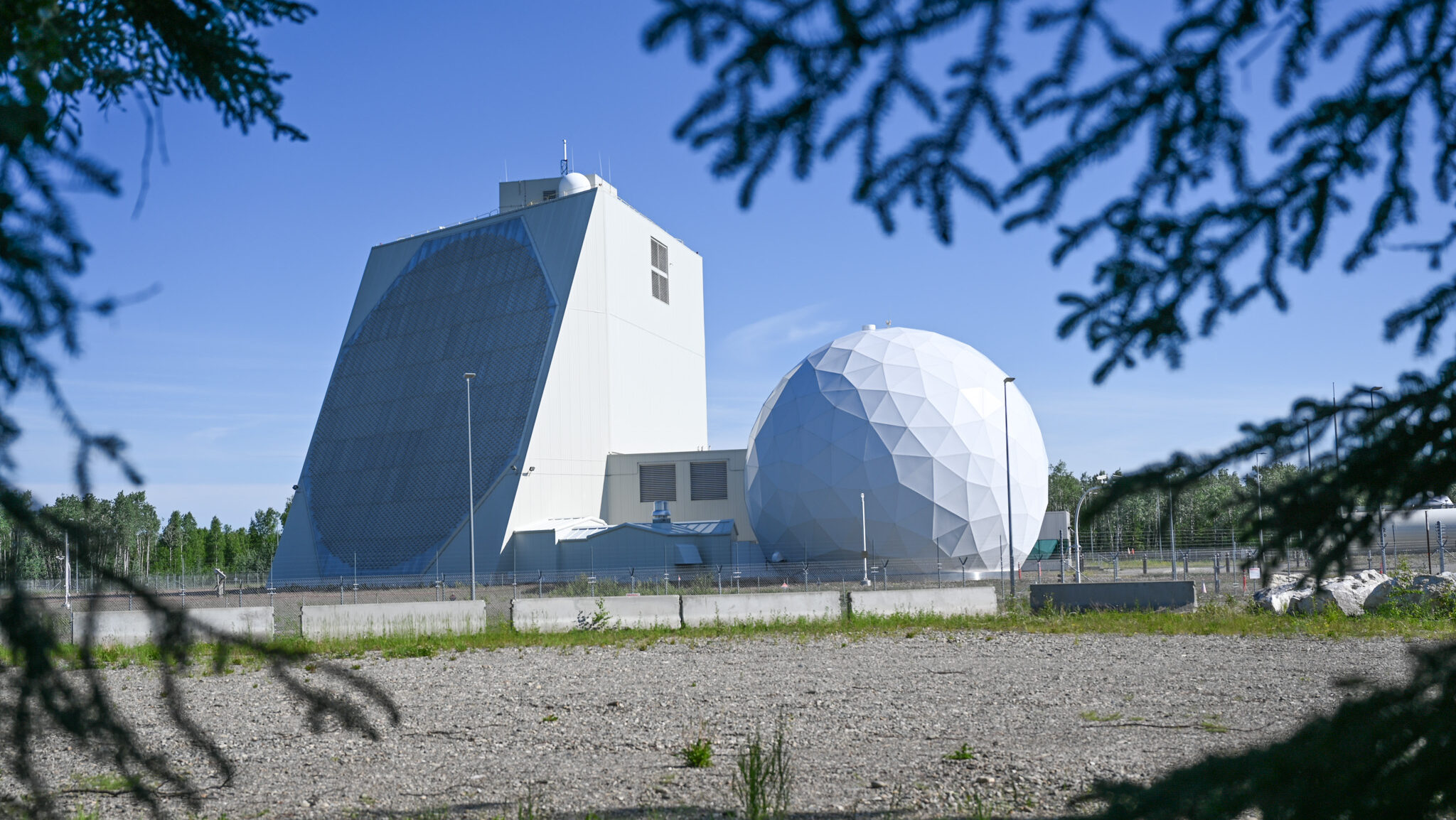
The sweeping new update plan will include development of a single computerized brain for all eight radar, as well as modernized front end antennas to improve detection of smaller, faster missiles, an SSC spokesperson said.


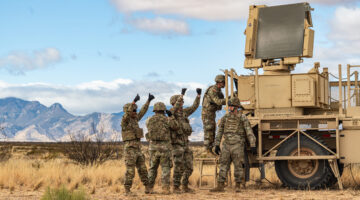
Air defense radar, counter-drone, and missile launchers are three keys to Army transformation.

The plan is to award two vendors 24-month Direct to Phase II SBIR grants worth $3M each to demo low-cost, low-weight radars on Space Force satellites in geosynchronous Earth orbit.
A commercial prototype in a sandbox is different from deploying AI across classified networks.
Section 1564 would give the Joint Chiefs of Staff the right to nix changes to military systems that would be required to comply with planned spectrum sharing plans.

"I would say that we are at the point now where the technology has matured and it's commoditized, so that radar based AMTI from space is feasible," outgoing SDA Director Derek Tournear told Breaking Defense in an exclusive interview.


With the best mix of capability, size & cost.
Passive sensors do not need to emit energy to find and fix targets, thus, they are harder for adversaries to find, track and target.

Explore how software, edge AI and resilient connectivity can strengthen military logistics in contested environments. Join Breaking Defense on Oct. 21 and earn 1 CPE credit.
Selling off the low S-band "is a terrible, horrible, no good, very bad idea," Tom Karako, director of the CSIS Missile Defense Project, told Breaking Defense today.


Today's battlefield is fraught with complex threats like drones and missiles. IAI ELTA's Scorpius technology offers unmatched detection and jamming, ensuring electromagnetic superiority.

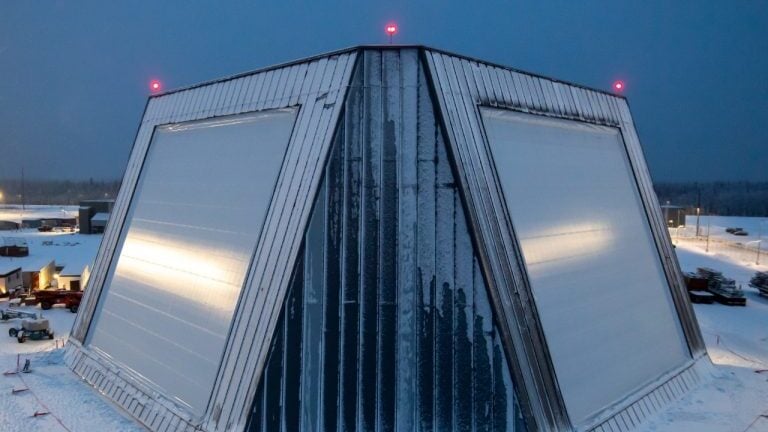
The radars would help modernize NORAD’s air defenses, though it’s unclear how the program may change due to strained ties between the US and Canada introduced by the Trump administration.
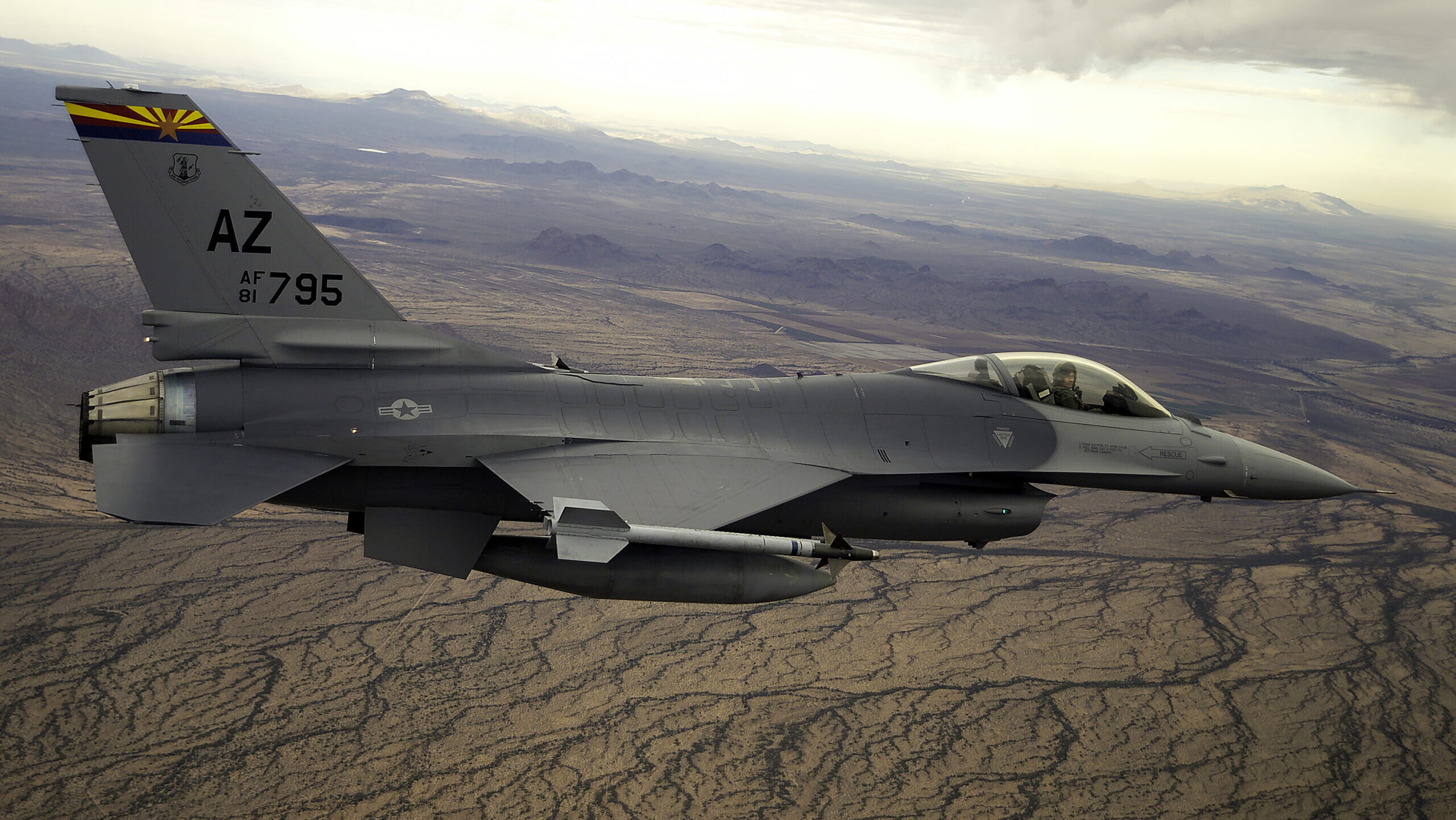
The upgrade allows existing radar warning receivers to analyze unfamiliar signals in real time — fast enough to warn the pilot if it’s an enemy radar locking on. “It could go on any kind of F-16” or a wide range of other aircraft, Raytheon Vice President Michael Baladjanian told Breaking Defense.