
Air, Space Forces pick up research pace for orbital cargo delivery
The current focus is on low cost, high volume commercial cargo reentry pods, an Air Force Research Laboratory spokesperson told Breaking Defense.
The current focus is on low cost, high volume commercial cargo reentry pods, an Air Force Research Laboratory spokesperson told Breaking Defense.
The new awards are aimed at demonstrating the ability of multiple satellite networks to connect to the Space Force's emerging Space Data Network.

One commander, many robots: Fully autonomous ground vehicles are reshaping the battlefield.
The task orders come under an ID/IQ with an undisclosed value granted to nine firms in April, and follow a first order to SpaceX in May worth $4.6 billion.

The Space Force's TacRS program has at least three more Victus demonstration projects in the works, with a total of $300 million requested from fiscal 2027 to 2031.
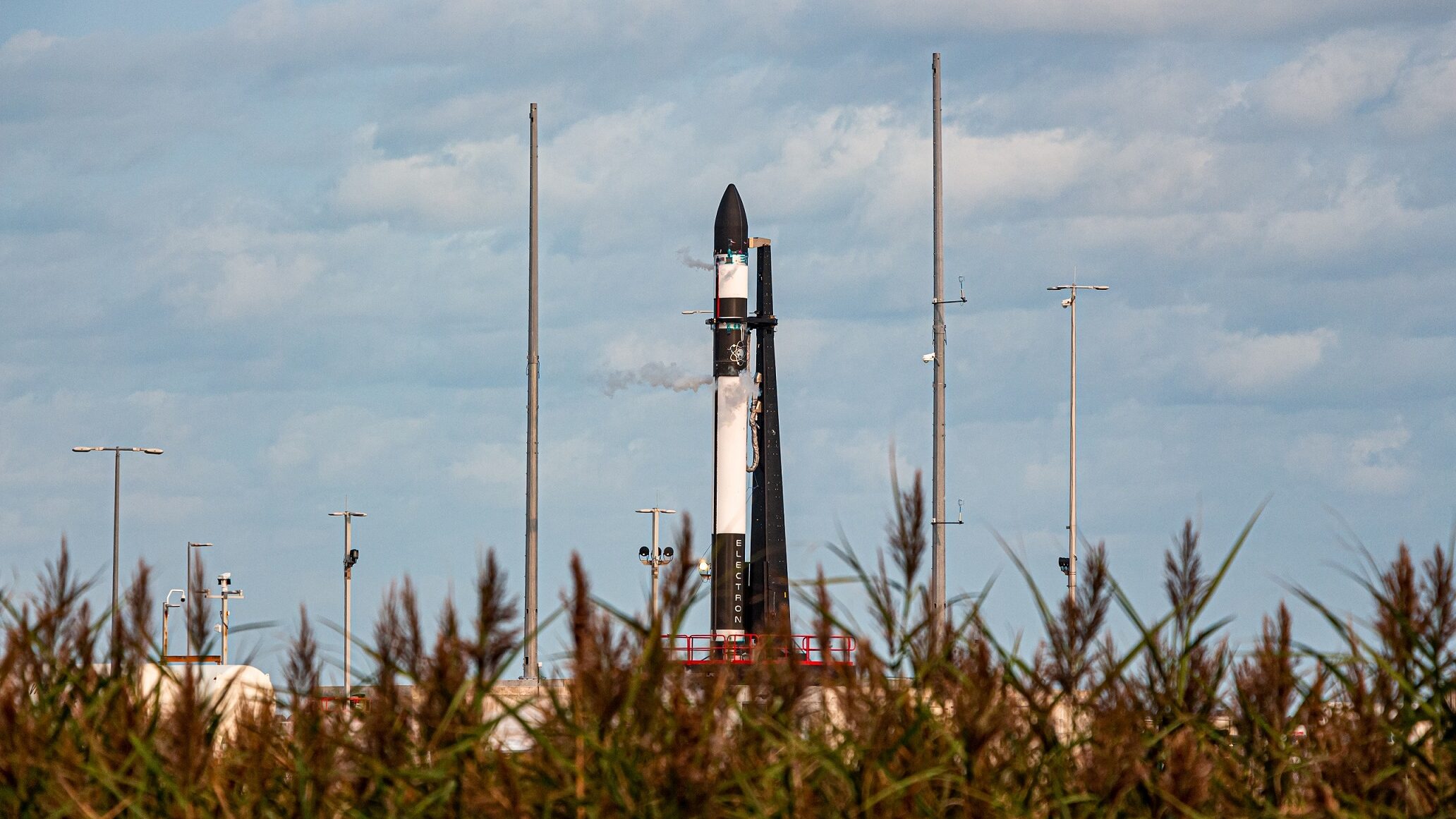
"Vertical integration is at the heart of this combination ― the ability to build, launch, and operate our own spacecraft quickly and cost-effectively," a Rocket Lab spokesperson told Breaking Defense.

Lockheed Martin, Rocket Lab USA, Northrop Grumman, and L3Harris Technologies each won awards to "deliver and operate 18 space vehicles" for the Space Development Agency's Tranche 3 Tracking Layer.

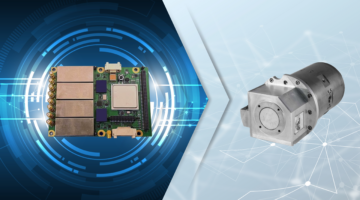
As threats continue to evolve, speed will increasingly depend on what is already available when the need emerges.
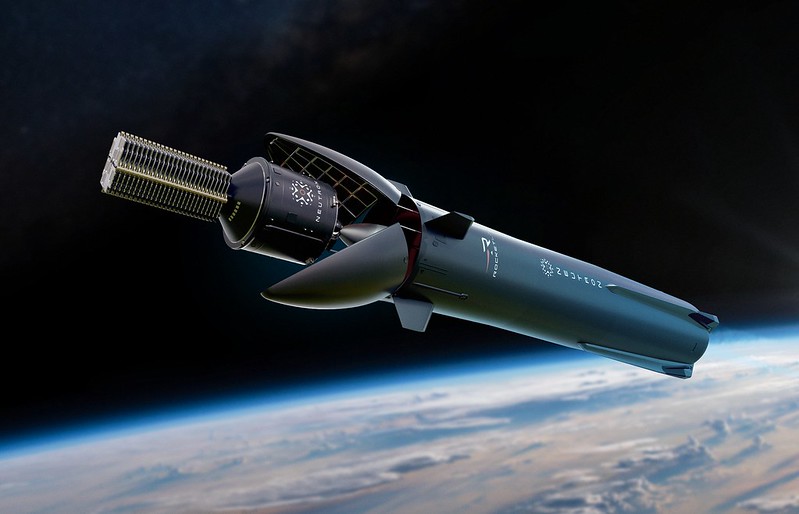
"Proficiency with missile-warning sensors is one of the hottest capabilities to have today, and positions the company extremely well for Golden Dome work," Caleb Henry, research director at Quilty Space, told Breaking Defense.
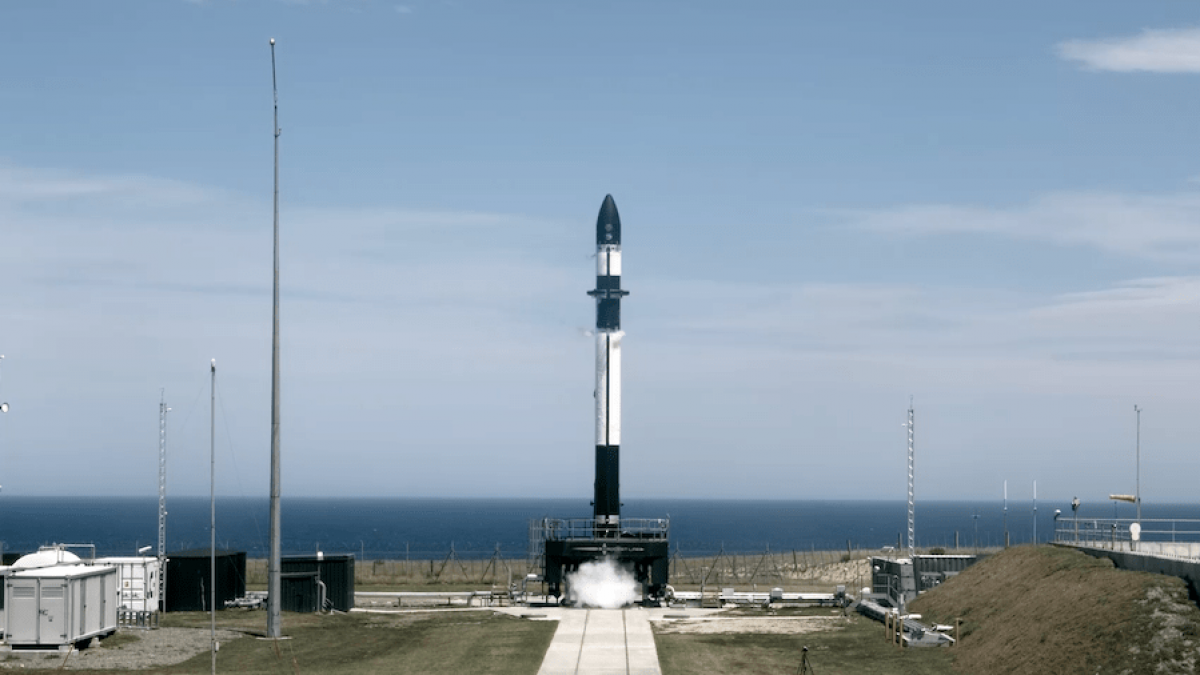
While not necessarily a near-term possibility, Brig. Gen. Kristin Panzenhagen said the Space Force is "looking at increasing the resiliency, increasing the ways that we have to get assured access to space, that's where the these initial discussions with our international partners are coming in."
Both companies were awarded indefinite-delivery/ indefinite-quantity contracts under the service's National Security Space Launch Phase 3 Lane 1.
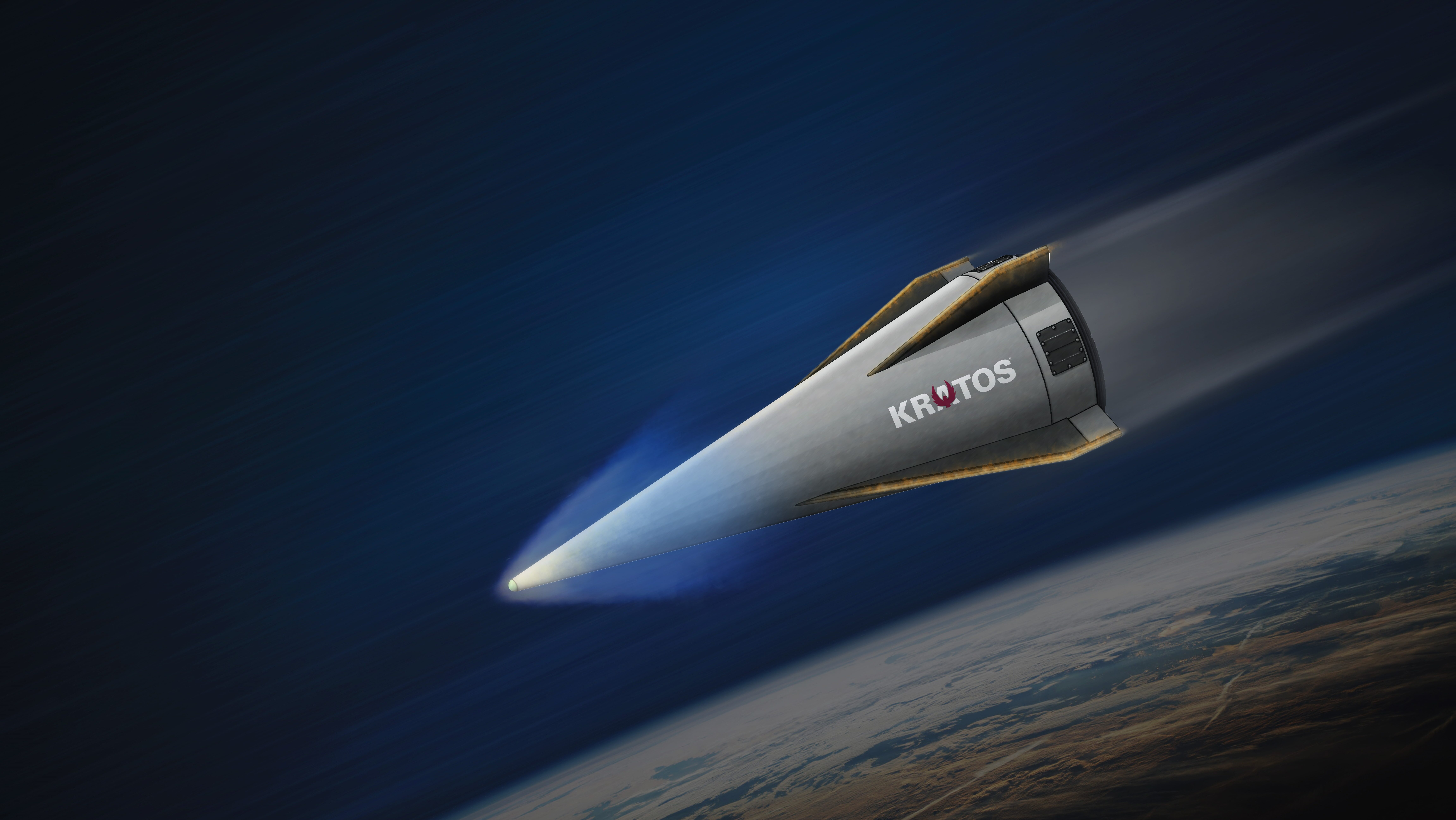
Kratos will be tasked with “systems engineering, integration, and testing (SEIT), to include integrated subscale, full-scale, and air launch services to address the need to affordably increase hypersonic flight test cadence,” according to the company.


A decorated combat aviator and biotech CEO advocates preparing for novel viral threats before the next crisis.
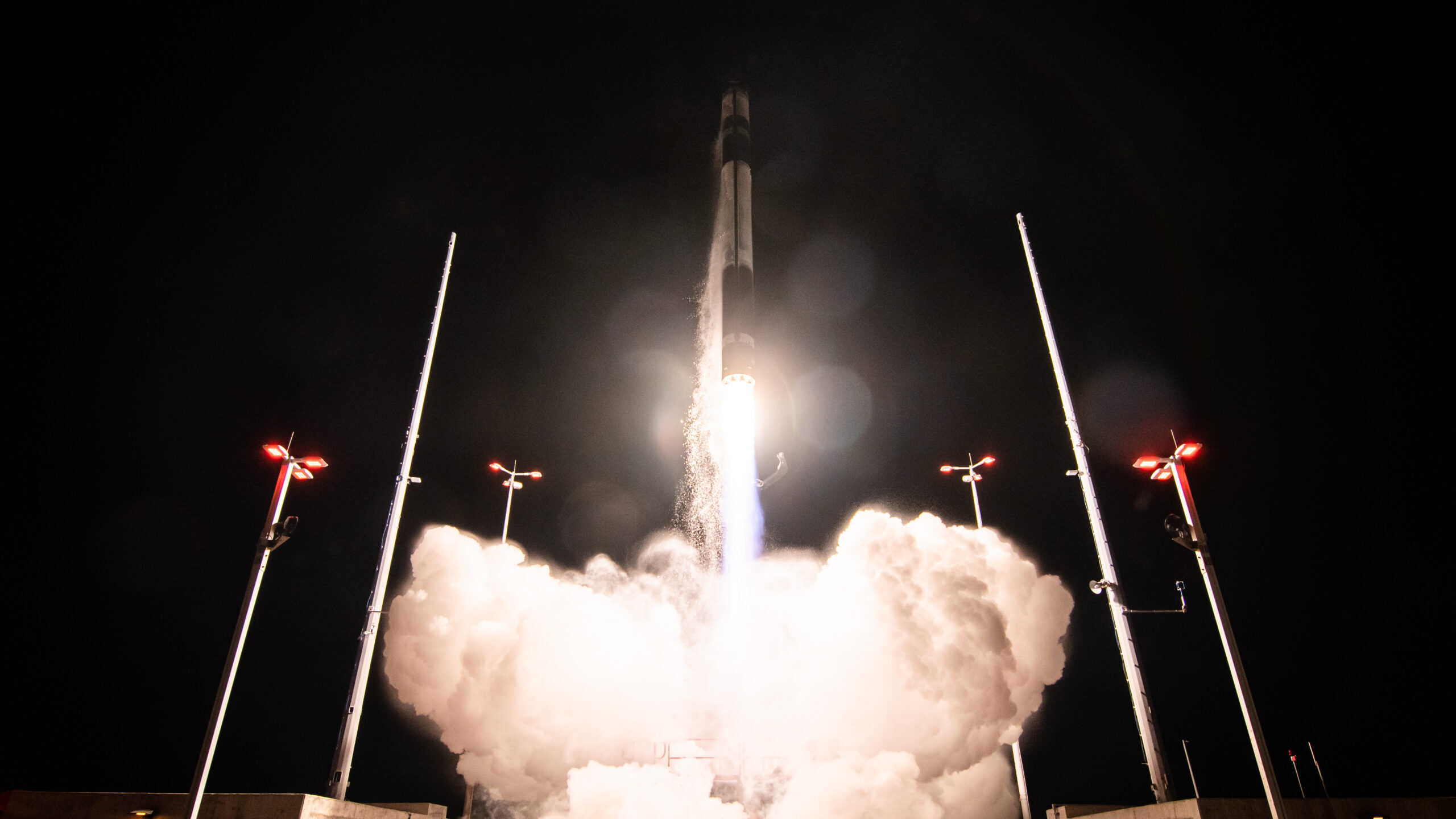
Victus Haze is the second iteration of the Space Force’s Tactically Responsive Space-3 (TacRS-3) mission to launch a prototype satellite within 24 hours of a “go” order, but also is designed to quickly perform an up-close on-orbit inspection of a (simulated) threatening spacecraft.

Interested companies have until Dec. 15 to respond to the service's dual requests for proposals: one for the critical, high-dollar NSSL Phase 3 Lane 2 launches; and the other for Lane 1 small launches.
The company says its new rocket will be ready to launch in the first half of 2023 for a “confidential customer.”
"We developed an acquisition strategy consisting of a dual-lane approach that provides access to diverse commercially available systems," said Maj. Gen. Stephen Purdy, Space Force's acquisition lead for space launch.