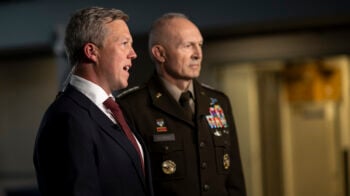
EXCLUSIVE: The Army is changing its acquisition structure. Here are the details.
Army Secretary Dan Driscoll laid out the plan for Breaking Defense, including the formation of six new Portfolio Acquisition Executives.
Army Secretary Dan Driscoll laid out the plan for Breaking Defense, including the formation of six new Portfolio Acquisition Executives.

“The focus will be mission autonomy” with the goal of letting companies bring in the best robots rather than trying to automate more ISVs, a senior defense official told Breaking Defense.

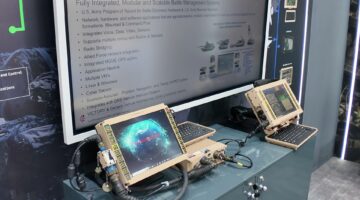
Partnerships with outside industry are a cornerstone of the kingdom’s ambitious growth strategy.
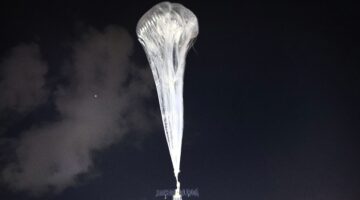
“The data and insights from this experiment will directly inform our strategy for integrating stratospheric assets into our Army and joint force architecture,” said Andrew Evans, the director for the new Strategy & Transformation Office inside the G-2.

“This institutionalizes this role of transformation that we've been doing in the ISR Task Force, makes it more permanent, and also combines it with the important role of strategy and strategy formulation for the Army Intel Corps,” said Director for the Strategy & Transformation Office Andrew Evans.

“The long-term desire would be if we could figure out how to get everything down on the CAML launchers,” said Lt. Gen. Robert Rasch.
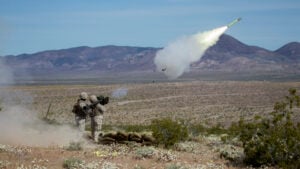
Diehl noted that assessment of “various options for increasing production capacity, both at existing sites and possibly other locations,” is already underway.

On today’s battlefield, mobility isn’t optional - it’s mission-critical.
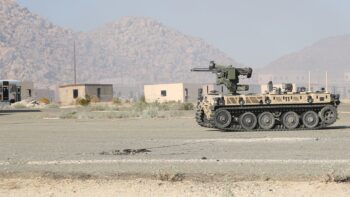
In a new request for information for Unmanned Ground Commercial Robotic Vehicles, the service said it is eyeing platforms that carry a price tag below $650,000.
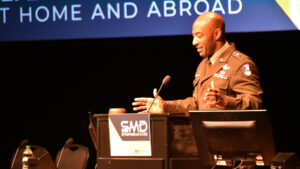
“The main thing, from a lesson learned perspective, is complexity, mass and an attempt to seek and hunt air and missile defenses,” said Army Space and Missile Defense Command head Lt. Gen. Sean Gainey.

Both companies told Breaking Defense that they have responded to the service's recent “request for solutions brief” but remain tightlipped on the path forward.
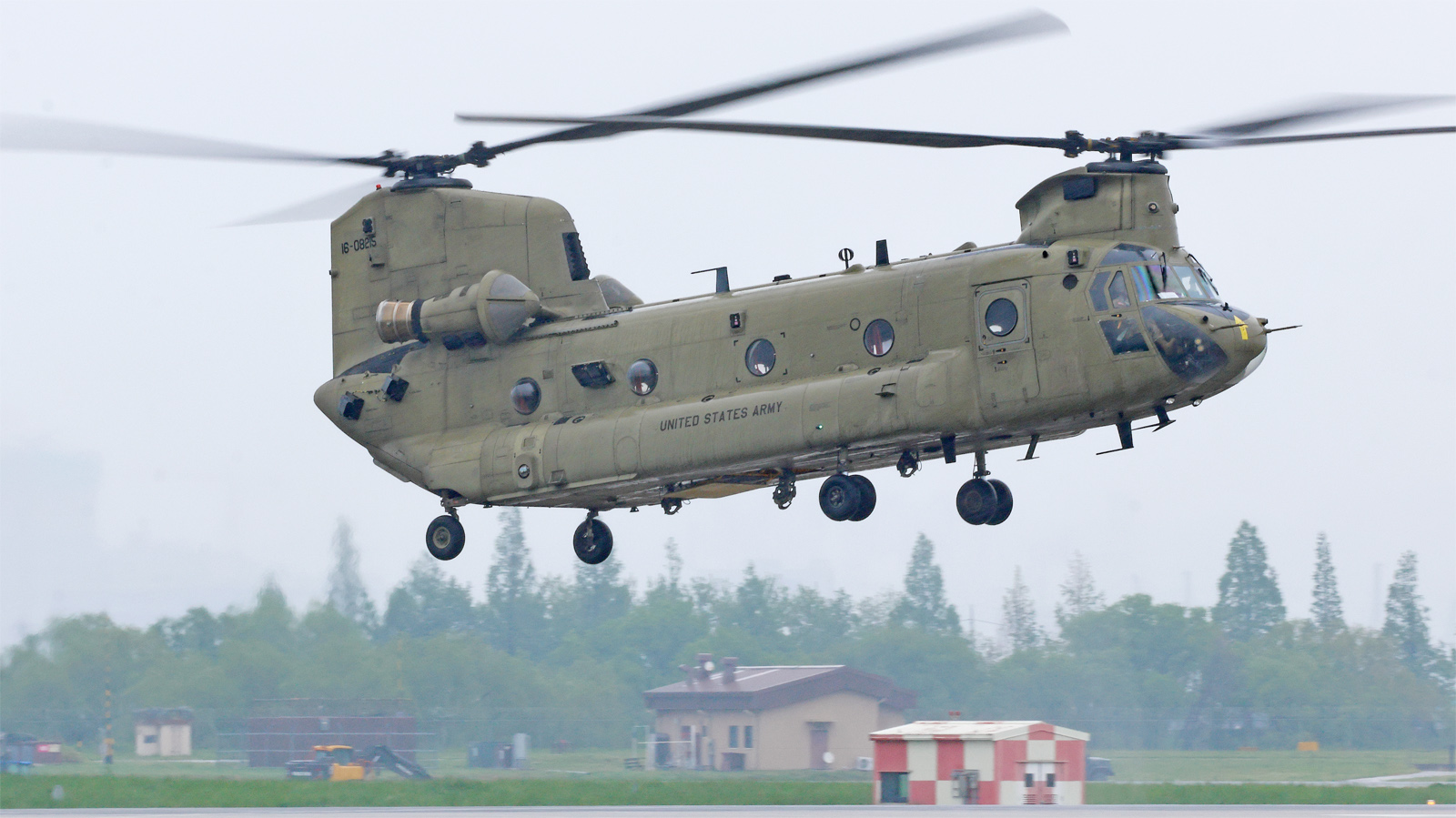
It was not announced which South Korean defense company would be carrying out the depot-level maintenance of the Chinook’s T55 turboshaft engines, but a Hanwha Aerospace spokesperson reportedly said that the company is the only one in-country with the facilities and expertise capable of doing the work.

Balancing security and access to data are critical to providing users with trustworthy, reliable data for real-time decisions.

“By far, the most difficult thing [has] been pulling together these different pieces and parts, and mapping supply chains and onshoring all of this education back to the United States,” said Union co-founder Joe Musselman.

“When you compare the HIMARS to a piece of towed artillery, a HIMARS can shoot and move all in one organic platform very rapidly,” 25th ID Commander Maj. Gen. Marcus Evans told reporters.
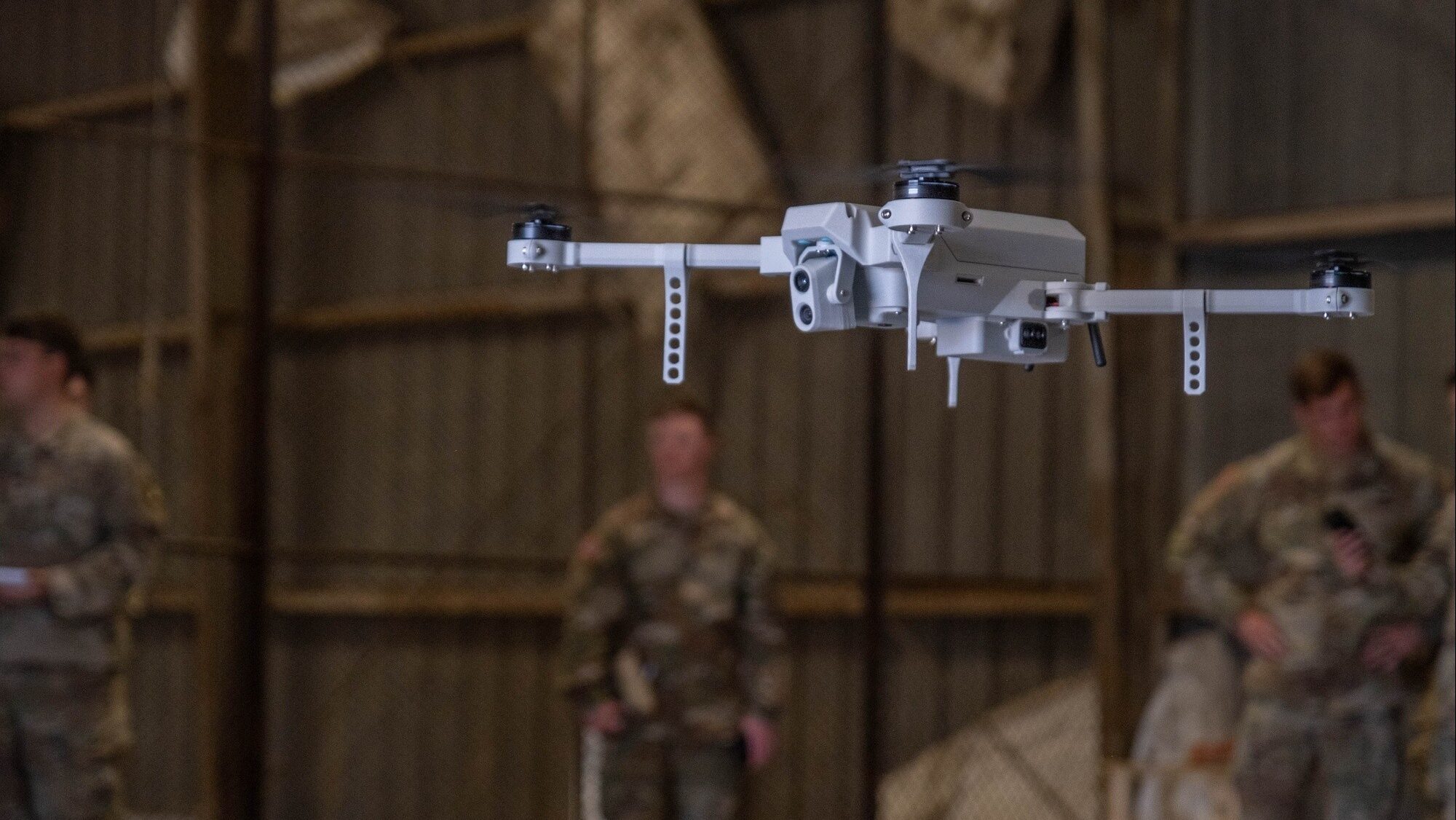
“Is it really the right answer to have a brigade carrying around 3D printers in the back of a truck trying to print 100, 400, 500 of these things at a time, and fabricate them while on the move so they don't get targeted by the enemy?” asked Col. Nick Ryan, director of the Army Capability Manager for Unmanned Aircraft Systems.
"If we can build this better, faster, cheaper, both sides should be rewarded for that," said Bryon Hargis, Castelion’s founder and CEO.