









aegis

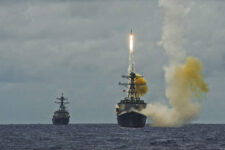
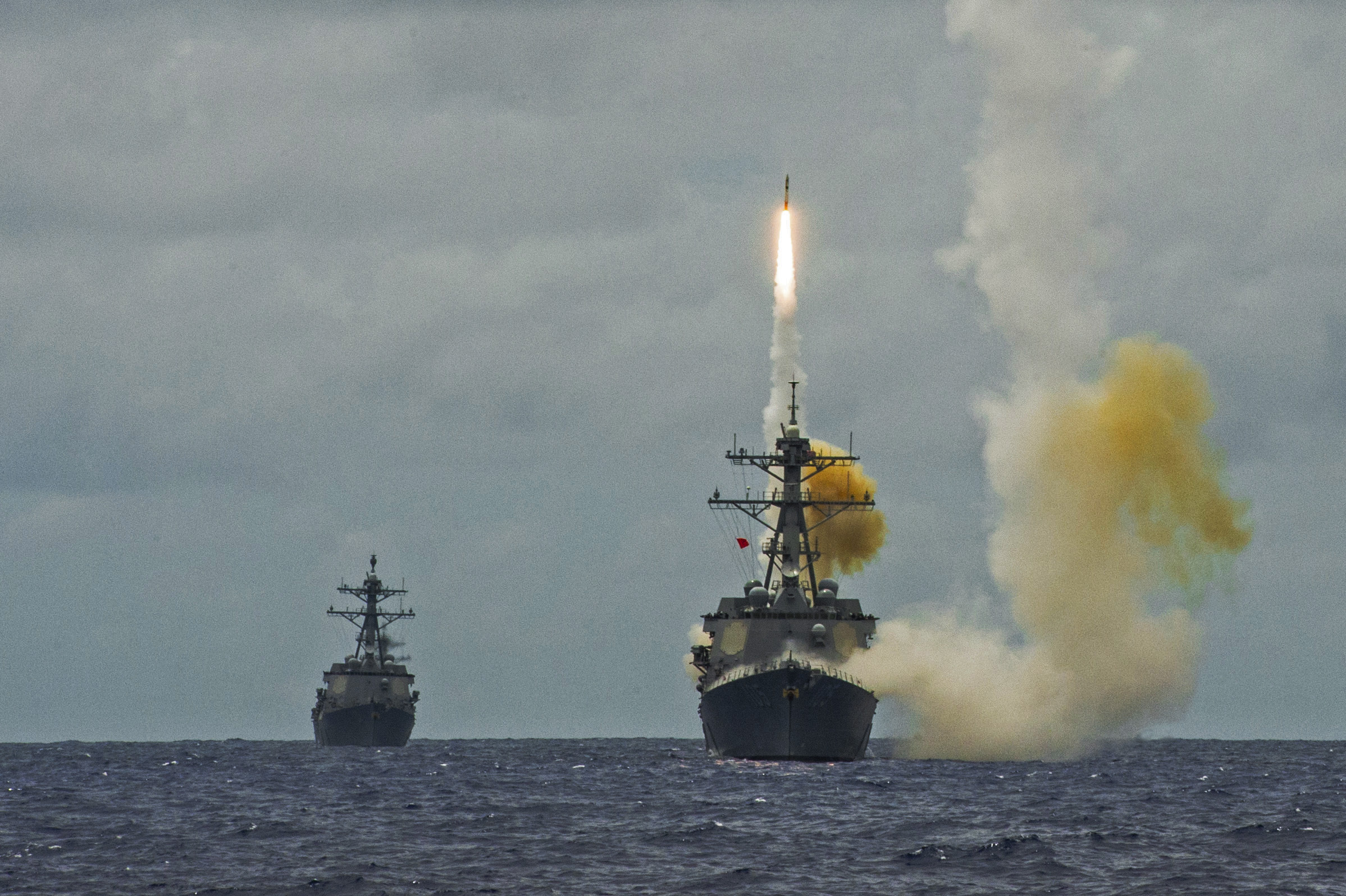
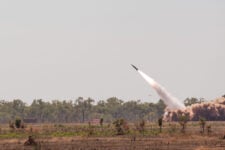
Navy cruiser Lake Erie launches SM-3 IB missile 575519537757ad8b1368733557

After failing its first test back in 2011, the Raytheon-built SM-3 Block IB missile looks like it’s back on track, with yesterday marking the third successful test in a row, each against increasingly difficult targets launched from the Pacific Missile Range Facility on Kauai island in Hawaii. The SM-3 IB is the latest iteration of… Keep reading →

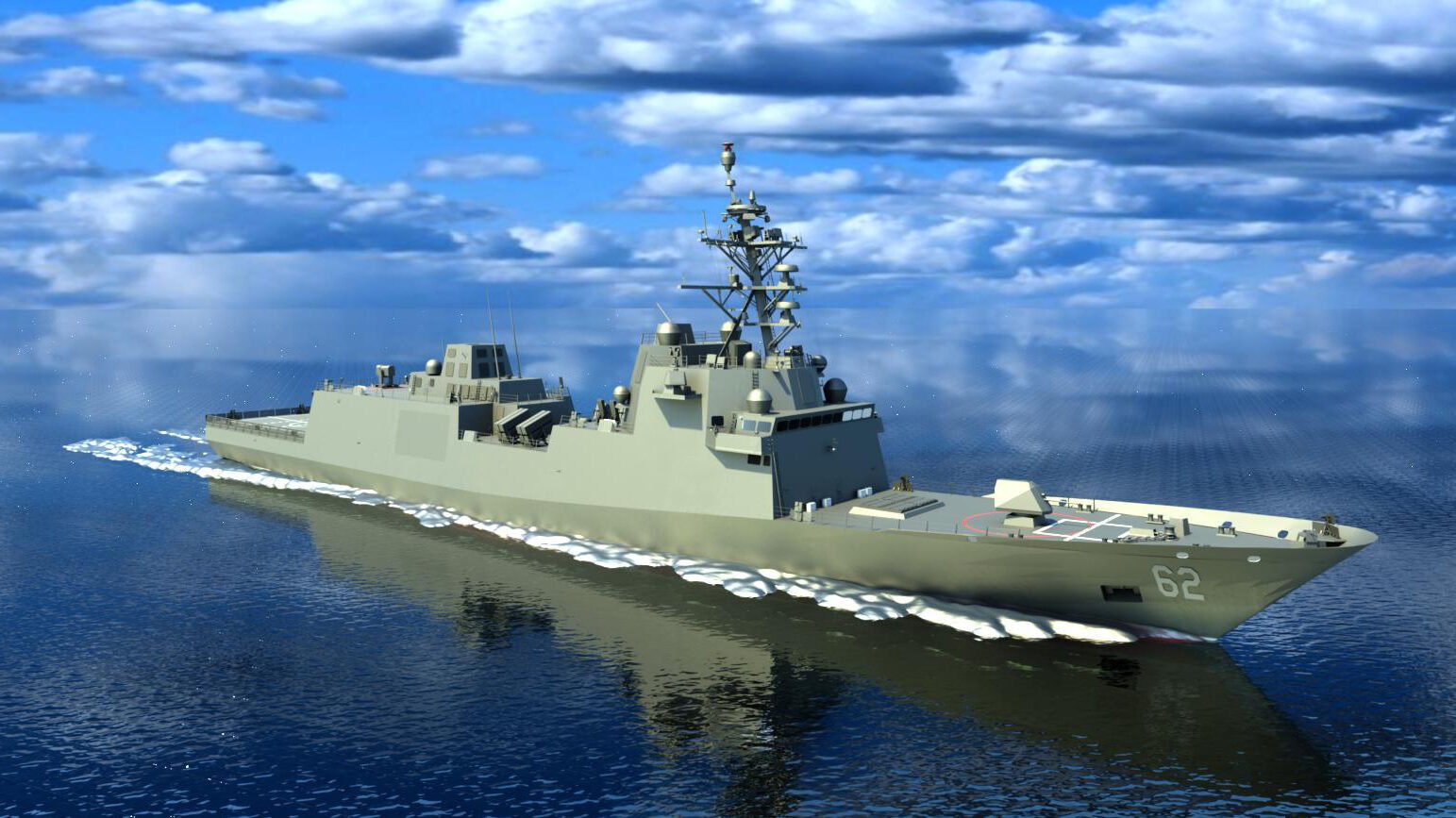
CRYSTAL CITY: From standardizing paint schemes to buying fewer types of valves, the Navy is going all-out to save money as budgets tighten. This new emphasis on affordability goes beyond the usual mundane economies to a sea change in how the service develops new vessels and technologies, with the much-criticized Littoral Combat Ship as the high-stakes pilot project.

“You can’t just do some really effective system anymore; it’s got to be effective and highly affordable,” declared Rear Adm. Matthew Klunder, who heads the Office of Naval Research. ONR is normally associated not with cost-cutting but with high-tech, high-cost innovations such as railguns. But at last week’s Surface Navy Association conference in Crystal City, just south of the Pentagon, Klunder framed even the case for railguns in economic terms, arguing they would let the Navy shoot down incoming threats much more cheaply than firing interceptor missiles. Keep reading →

The pivot to the Pacific started more than a century ago. The United States first became a Pacific power in 1898, the year the US first annexed Hawaii and then gained Guam and the Philippines (as well as Puerto Rico) from Spain after a “short, victorious war.”

The United States is at a turning point as it contemplates the way ahead for its defense and security policy in the Pacific. With the decline of the physical number of platforms and assets, our ability to project dominant power out from the West Coast of the United States and Hawaii is increasingly in question.

The simple, inescapable reality imposed by the sheer size of the Pacific Ocean is that the continental United States is many miles from the Western Pacific. In previous articles for AOL Defense, I have looked at the US and the Pacific seen from a perspective east of Hawaii, but now turning to Hawaii and further west, where the challenge is to shape a credible presence and projection of power in the region for the 21st century.

If the projection of power is seen to be about pushing platforms and capabilities out from the continental United States (CONUS), Alaska and Hawaii, we face significant challenges dealing with the growth of Chinese power and the needs for interoperability and support to empower both our allies and the United States operating in the region.

But if a different approach is shaped, one which rests increasingly on a plug-in strategy, the challenge is manageable. US allies are shaping new defense and security capabilities for the 21st century, investing resources into the re-crafting of their capabilities going forward. How can these efforts be combined more effectively going forward so that both the allies and the US end up collectively with significantly expanded but cost-effective capabilities?

Evolving Capabilities and New Approaches

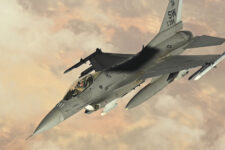
The evolution of 21st century weapon technology is breaking down the barriers between offensive and defensive systems. Is missile defense about providing defense or is it about enabling global reach, for offense or defense? Likewise, the new 5th generation aircraft have been largely not understood because they are inherently multi-mission systems, which can be used for forward defense or forward offensive operations.

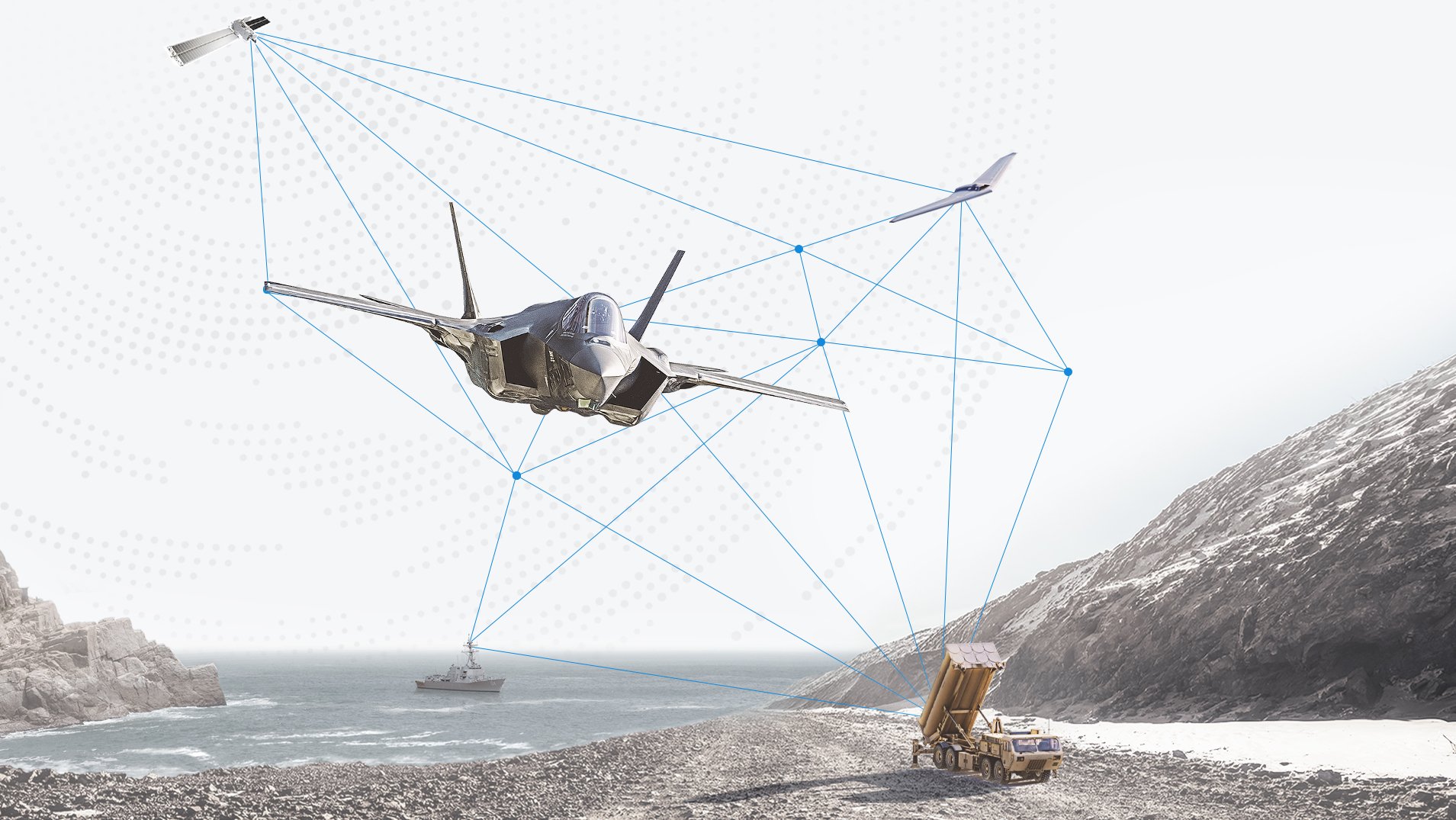
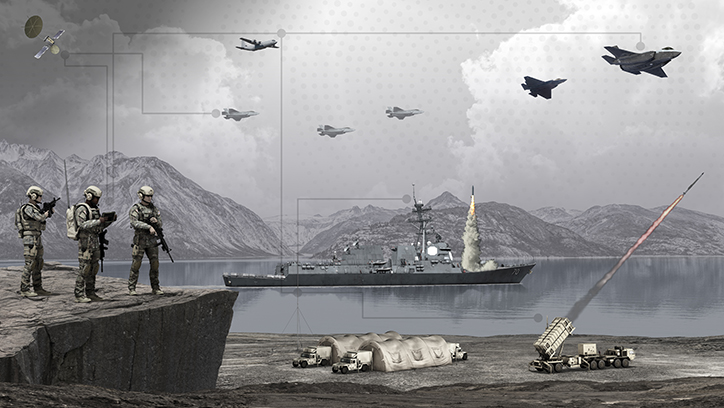
Indeed, an inherent characteristic of many new systems is that they are really about presence and putting a grid over an operational area, and therefore they can be used to support strike or defense within an integrated approach. In the 20th Century, surge was built upon the notion of signaling. One would put in a particular combat capability – a Carrier Battle Group, Amphibious Ready Group, or Air Expeditionary Wing – to put down your marker and to warn a potential adversary that you were there and ready to be taken seriously. If one needed to, additional forces would be sent in to escalate and build up force. With the new multi-mission systems – 5th generation aircraft and Aegis for example – the key is presence and integration able to support strike or defense in a single operational presence capability. Now the adversary can not be certain that you are simply putting down a marker.

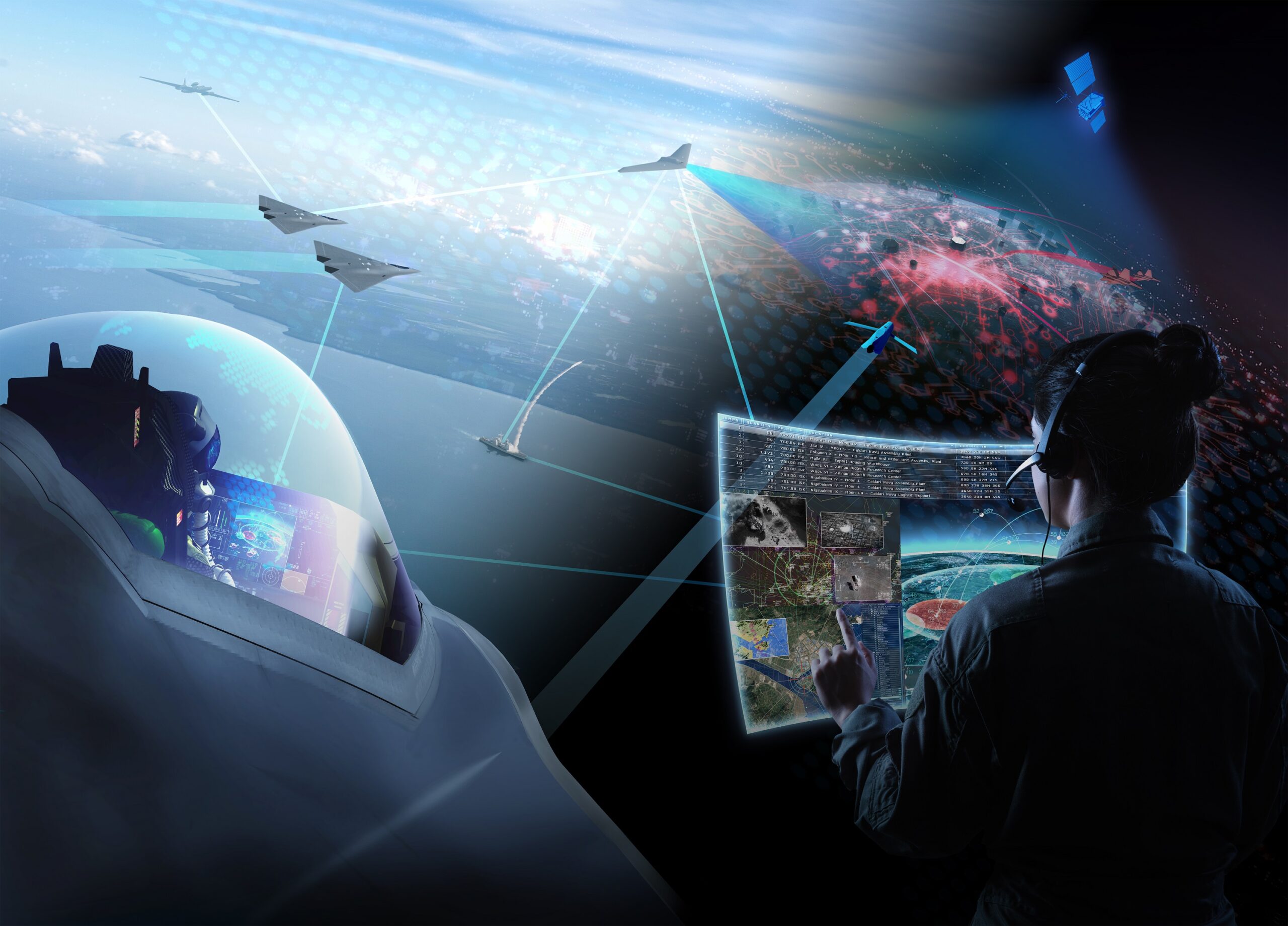
This is what former Air Force Secretary Michael Wynne calls the attack and defense enterprise. The strategic thrust of integrating modern systems is to create an a grid that can operate in an area as a seamless whole, able to strike or defend simultaneously. This is enabled by the evolution of C5ISR (Command, Control, Communications, Computers, Combat Systems, Intelligence, Surveillance, and Reconnaissance), and it is why Wynne has underscored for more than a decade that fifth generation aircraft are not merely replacements for existing tactical systems but a whole new approach to integrating defense and offense. When one can add the strike and defensive systems of other players, notably missiles and sensors aboard surface ships like Aegis, then one can create the reality of what Ed Timperlake, a former fighter pilot, has described as the F-35 being able to consider Aegis as his wingman.

By shaping a C5ISR system inextricably intertwined with platforms and assets, which can honeycomb an area of operation, an attack and defense enterprise can operate to deter aggressors and adversaries or to conduct successful military operations. Inherent in such an enterprise is scalability and reach-back. By deploying the C5ISR honeycomb, the shooters in the enterprise can reach back to each other to enable the entire grid of operation, for either defense or offense.

US allies in the Western Pacific already possess Aegis systems and will most likely add F-35s to their operational inventory, if the United States can have the imagination to shape an integrated attack and defense enterprise with those allies, significant capabilities for defense can be made available to both allies and the United States at the same time. For the allies, their own capabilities would be individually augmented, but the foundation would also be created for de facto and explicit integration of those assets across the Western Pacific. By being able to plug into the F-35 and Aegis enabled honeycomb, the United States could provide force augmentation and surge capability to those allies and at the same time enable forward deployments which the United States would not own or operate.

In effect, what could be established from the United States perspective is a plug in approach rather than a push approach to projecting power. The allies are always forward deployed; the United States does not to attempt to replicate what those allies need to do in their own defense. But what the United States can offer is strategic depth to those allies. At the same time if interoperability and interactive sustainability are recognized as a strategic objective of the first order, then the United States can shape a more realistic approach than one which now rests on trying to proliferate power projection platforms, when neither the money nor the numbers are there.

Now let us apply this approach to a strike and defense enterprise to some fundamental geo-political realities. As things stand now, the core for the US effort from Hawaii outward is to enable a central strategic triangle, one that reaches from Hawaii to Guam and to Japan. This triangle is at the heart of America’s ability to project power into the Western Pacific. With a 20th century approach, one which is platform-centric and rooted in step by step augmentation of force, each point of the triangle needs to be garrisoned with significant numbers of platforms which can be pushed forward. To be clear, having capability in this triangle is a key element of what the United States can bring to the party for Pacific operations, and it remains fundamental. But with a new approach to an attack and defense enterprise, one would use this capability differently from simply providing for push forward and sequential escalation dominance.

Rather than focusing simply on the image of projecting power forward, what is crucial to an successful Pacific strategy is enabling a strategic quadrangle in the Western Pacific, anchored on Japan, South Korea, Australia, and Singapore. This will not be simple. Competition, even mutual suspicion, among US allies in the Western Pacific is historically deep-rooted; as a former 7th USAF commander underscored, “history still matters in impeding allied cooperation.” But in spite of these challenges and impediments, enabling the quadrangle to do a better job of defending itself and shaping interoperability across separate nations has to become a central strategic American goal.

This will require significant cultural change for the United States. Rather than thinking of allies after we think about our own strategy, we need to reverse the logic. Without enabled allies in the Western Pacific, the United States will simply not be able to execute an effective Pacific strategy. Full stop. We are not about to have a 600-ship navy, and putting Littoral Combat Ships into Singapore is a metaphor for the problem, not the solution.

Robbin Laird, a member of the AOL Defense Board of Contributors, is an international defense consultant and owner of the Second Line of Defense website.


Figure 1 Intersecting and Converging Capabilities: A Strategic Triangle with a Strategic Quadrangle Keep reading →

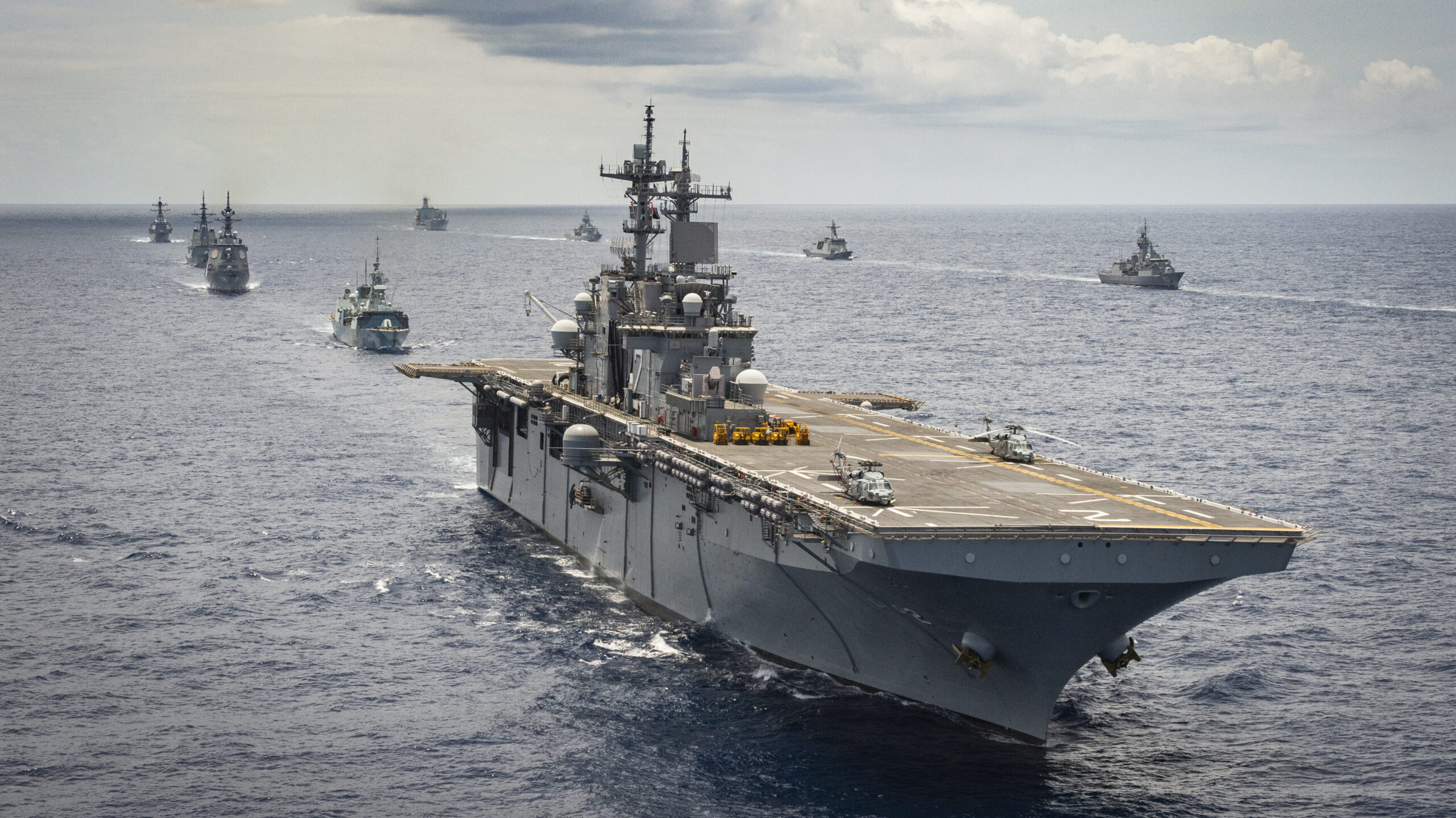
Tomorrow morning, at Manhattan’s Pier 88, the Navy will commission its newest destroyer, DDG-112. The USS Michael Murphy‘s namesake was uncompromisingly heroic, a Navy SEAL who died earning the Medal of Honor in Afghanistan. The ship itself, however, embodies a series of cost-conscious compromises that will keep the Navy sailing a 1980s design — albeit much upgraded –until at least 2072.

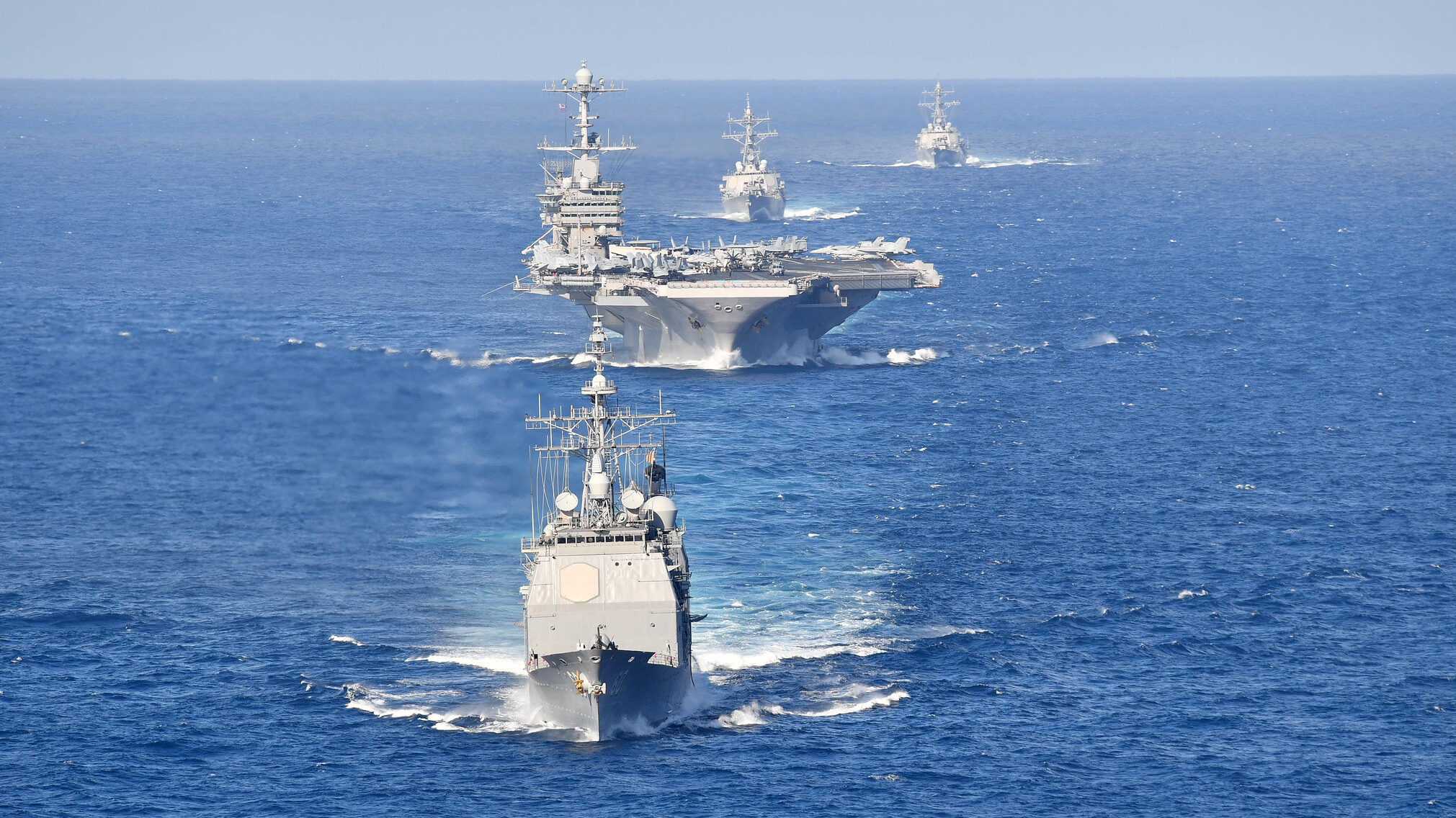
These destroyers are and will long remain the Navy’s mainstay. The Arleigh Burke class to which the Murphy belongs is built to carry the Aegis anti-aircraft system that defends the entire fleet, including the prized aircraft carriers. The Chief of Naval Operations himself, Adm. Jonathan Greenert, has explicitly said that the Navy is building the smaller, cheaper Littoral Combat Ships to take on supporting missions, so the fleet can free up destroyers to face the most dangerous and high-tech foes: submarines, long-range missiles, jet fighter-bombers, and more, all integrated into “anti-access” networks like those being developed by the Chinese. Updating the Arleigh Burkes to keep up with the threat will be a heroic effort. Keep reading →


Robbin Laird, a member of the AOL Board of Contributors and vocal F-35 proponent, outlines why Japan’s decision to purchase the Joint Strike Fighter will redefine the U.S. and its allies fly and fight in the Pacific

The F-35 Joint Strike Fighter will be the cornerstone of Japanese defense. The Japanese know something about technology. And as a leader in technology worldwide, the Japanese decision validates the cutting edge role of the F-35.

The F-35 is the first aircraft in history with a 360 degree field of vision out to 800 miles, managed by an integrated combat system. Make no mistake — the F-35 is a full combat system, not just a platform. The beauty of a combat system is the maintenance, upgrades, deployment readiness, development synergies provided by common software for upgrades and development. Keep reading →

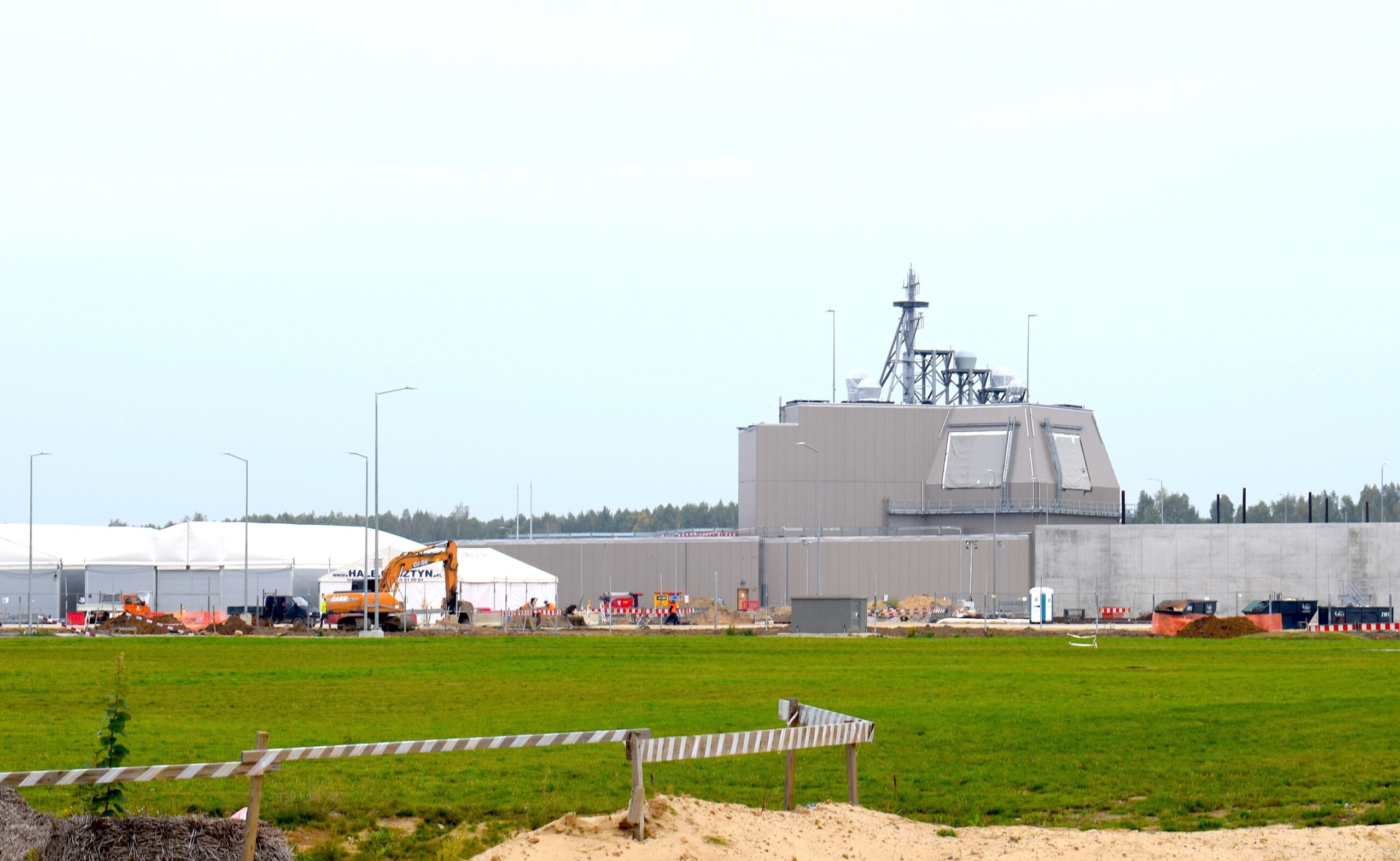
UPDATED WASHINGTON: A Navy plan to base four Aegis warships in Spain could end up being sunk by congressional lawmakers looking to protect their own political interests.

Defense Secretary Leon Panetta announced the ship relocation plan in October at NATO headquarters in Brussels. The decision “should send a very strong signal that the United States is still continuing to invest in this alliance, and that we are committed to our defense relationship with Europe even as we face growing budget constraints at home,” according to Panetta.


The four ships would be sent to NATO’s naval station in Rota, Spain as part of the White House’s plans for a European missile shield to protect the alliance from Iranian missile strikes. Keep reading →

Washington: A veteran Republican defense official played the skunk at the garden party today, raising serious technical and financial doubts about the Obama administration’s approach to ballistic missile defense for Europe after the Missile Defense Agency director and a top State Department official praised the program.

Dov Zakheim, a senior Defense Department official under two GOP presidents, said there was no “serious analysis” to show that Obama’s European Phased Adaptive Approach (EPAA) was better than George W. Bush’s “Third Site” plan, which would have extended the U.S. national missile defense system to Europe.

Zakheim expressed strong doubts that either the U.S. or NATO could afford EPAA with the growing economic and budget crisis hitting both.

He also questioned the technical aspects of EPAA and the rigid time line that would have the system able to defend Europe and the U.S. by 2020. And he challenged the claim by Army Lt. Gen. Patrick O’Reilly, MDA director, of great progress made, with three NATO members agreeing to host key parts of the system and the first phase set to be operational early next year.

Zakheim pointed out that the SM-3 block IB missile planned for the first ground-based defensive component failed its first flight test, probably forcing a delay in the 2015 deployment. He also pointed to U.S. officials having told Japan they were slowing down the more advanced missile they were co-developing for EPAA.

Delays mean higher cost, he said.

Ellen Tauscher, undersecretary of state for arms control, echoed O’Reilly’s rosy view of EPAA progress, but conceded one of her top priorities, getting Russia to cooperate in the European missile defense, was not successful. Tauscher said an agreement would be “a real game changer” in relations with Russia.

She said the U.S. refused to sign a “legally binding” document stating that EPAA could not hinder Moscow’s offensive missile system, but was willing to provide a written statement that appeared to provide a similar view.

Keep reading →

The U.S. military faces a readiness crisis.

A recent Congressional hearing generated headlines about the Navy’s surface fleet falling into disrepair. But that was news four years ago. Across all the services, long-standing readiness problems are worsening; breakdowns are happening more frequently. Keep reading →