
Army Future Ops Depend On Cloud – But Not On JEDI
The Army is experimentally consolidating all kinds of data to the cloud, from unit mobilization updates to target locations – without waiting for the long-delayed JEDI program.

Sydney J. Freedberg Jr. has written for Breaking Defense since 2011 and served as deputy editor for the site's first decade, covering technology, strategy, and policy with a particular focus on the US Army. He’s now a contributing editor focused on cyber, robotics, AI, and other critical technologies and policies that will shape the future of warfare. Sydney began covering defense at National Journal magazine in 1997 and holds degrees from Harvard, Cambridge, and Georgetown.
The Army is experimentally consolidating all kinds of data to the cloud, from unit mobilization updates to target locations – without waiting for the long-delayed JEDI program.

Global recession has slowed down 5G rollouts, and Chinese overreach has alienated customers, a new CNAS study says – but the US also needs a new strategy that offers an alternative to Huawei.


How a product-driven approach can accelerate technology delivery and get proven capabilities to warfighters faster.
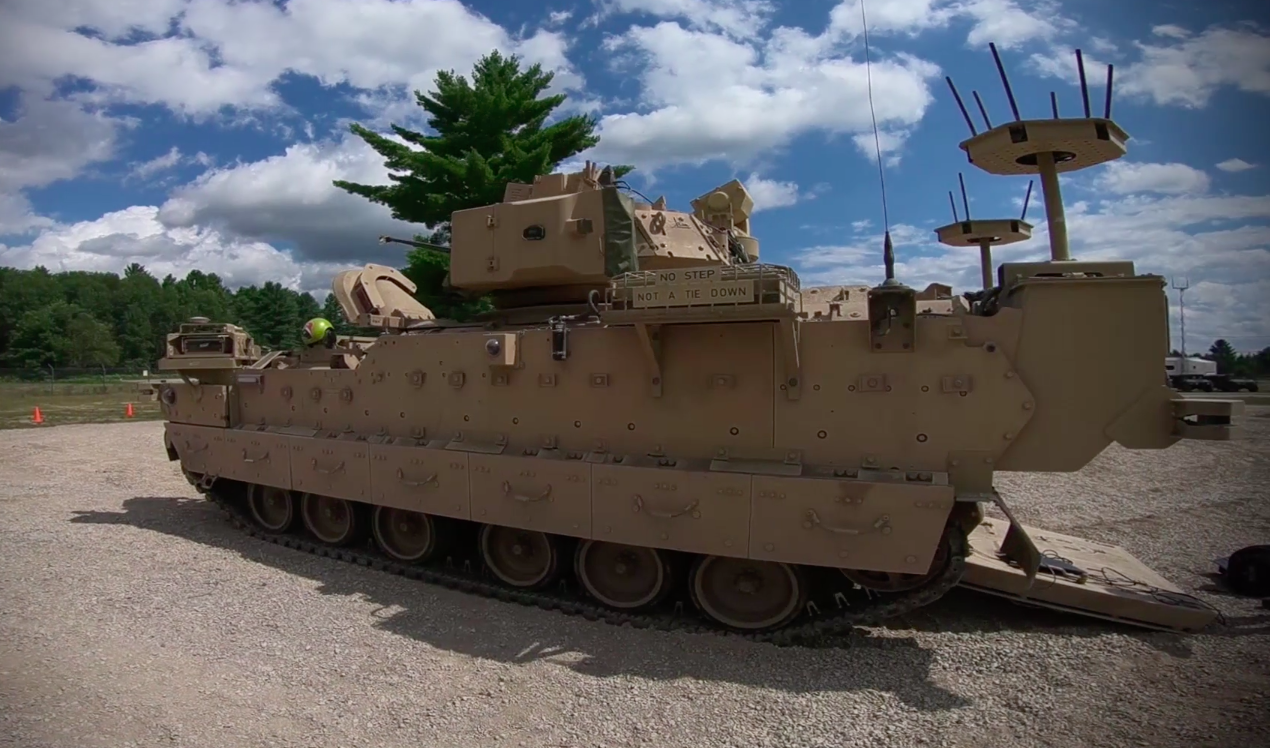
Instead of a traditional three-man crew, Brig. Gen. Coffman told Breaking Defense, “you have two humans with a virtual crew member, [sharing] the functions of gunning, driving, and commanding.”
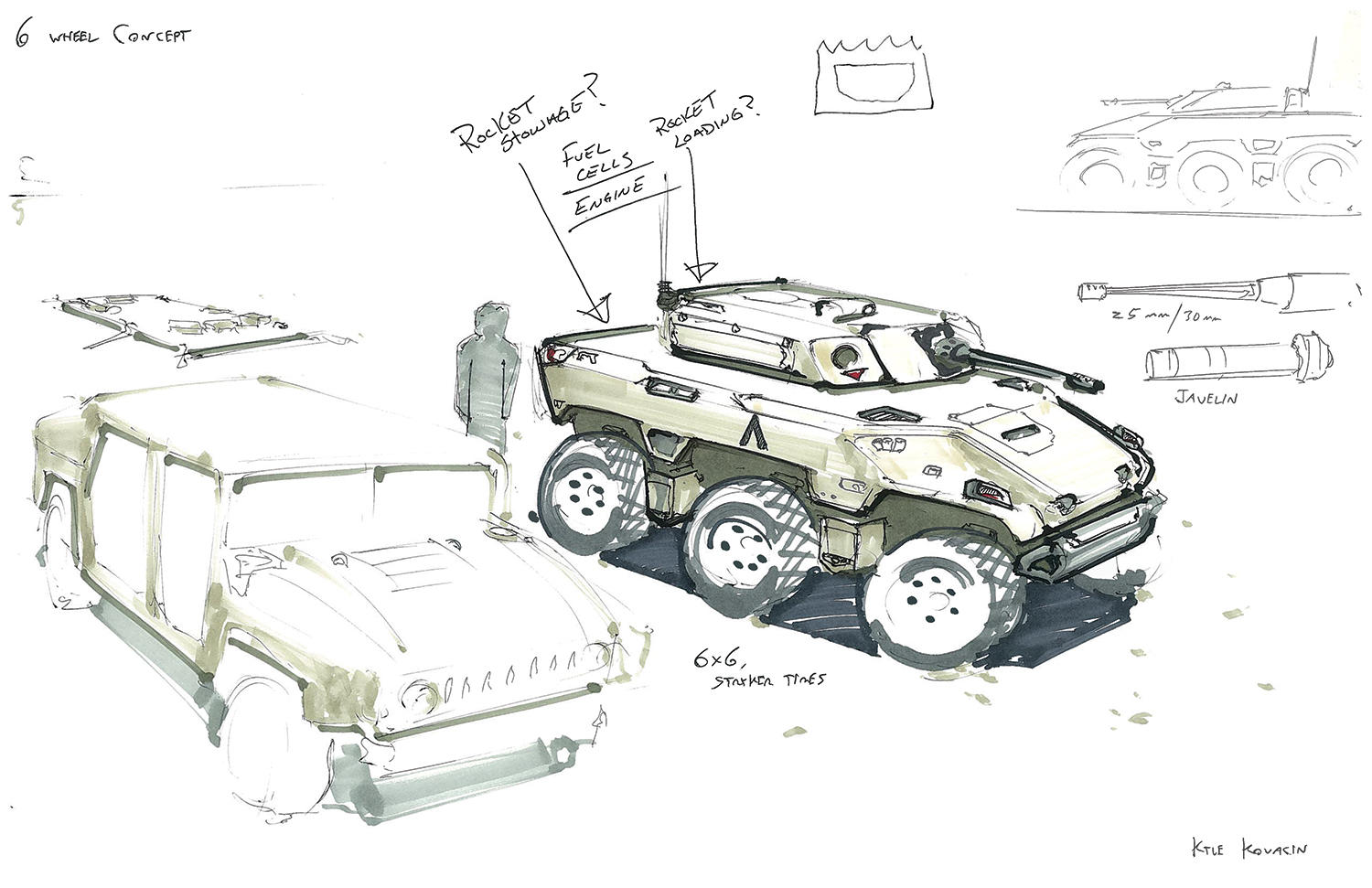
Industry sources say the Army shouldn’t enter its own in-house design team in the race to replace the M2 Bradley. Top Army officials told us why it would work.

Bringing together an estimated 33,000 soldiers and civilians from around the world was just too dangerous in the coronavirus era.

“We're going to know our adversaries better than they know themselves,” boasted Gen. Paul Nakasone. Would Sun Tzu be proud or worried?


Expanding manufacturing capacity is critical to producing missiles, radars, and launch systems.

The draft RFP for the Bradley replacement, out today, also opens the possibility for a government design team to compete with private industry.

The military services are working together on how to use long-range, land-based missiles to destroy enemy anti-aircraft defenses, says the director of artillery modernization at Army Futures Command.

Due out this fall, the Zero Trust Reference Architecture is about upgrading cybersecurity in existing systems, without buying all-new tech. The Army is enthusiastic – mostly.

The Democrats controlling the House Appropriations Committee want to ban further diversion of military funding to build a border wall. Republican members warned this -- and other items -- could derail the entire bill.


Lithium-metal batteries are one way to break the weight and endurance limits of today’s unmanned systems.

Despite past battles over Project Maven and other military uses of AI, “Google and many others” are now working with the Pentagon’s Joint Artificial Intelligence Center, its new acting director says.

“I spent the first 15 years of my career walking around in a lab with a laser, saying ‘does anyone want this…’ and the warfighter [kept] going ‘that’s adorable,’” Craig Robin recalled ruefully. “Just recently there’s been a tremendous pull [because] we simply just got out it into the user’s hands and they recognized the value.”

Integrating missile defense – shooting down incoming missiles – with missile offense – destroying the launchers before they fire again – requires major changes in how the military fights.

Postponed seven weeks by the pandemic, the high-stakes field test of the IBCS missile defense network is now back on, with elaborate precautions against COVID-19.