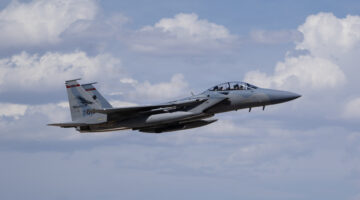
Boeing nabs $2.4 billion deal for more F-15EX fighters
The award came on the same day that the planemaker secured a contract to build a sixth-generation fighter jet for the US Navy.
The award came on the same day that the planemaker secured a contract to build a sixth-generation fighter jet for the US Navy.

The selection raises questions, for example, about how Boeing’s workforce will take on another major program.


A decorated combat aviator and biotech CEO advocates preparing for novel viral threats before the next crisis.

Boeing's win gives it a monopoly on American sixth-gen fighters, following its 2025 selection to build the F-47.
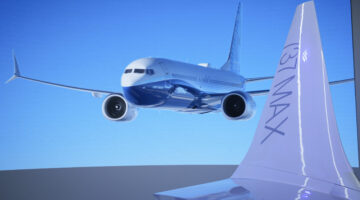
The aircraft would be known as the C-40 when modified for military missions, and would appear to be the first time the 737 MAX would be militarized for a government customer.
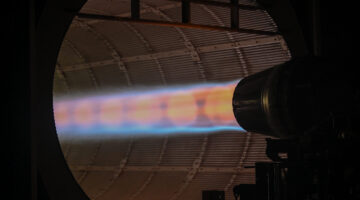
Hermeus CEO Zach Shore told Breaking Defense the company can now vertically integrate production of its Quarterhorse drone and serve as a second source of engines for Pratt’s F100-PW-229 powerplant.
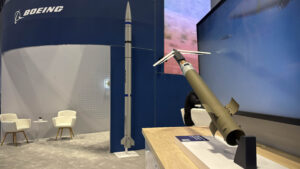
The companies' solutions will move into the developmental phase, an Army spokesperson told Breaking Defense.

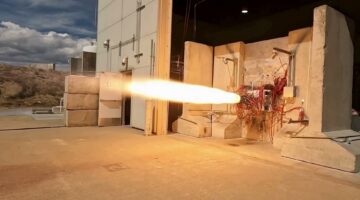
Demand signals from leadership are shaping investments in design, engineering and manufacturing.
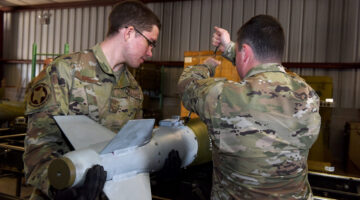
Roughly $6.1 billion of military equipment was cleared for potential sales to Saudi Arabia, Oman and Iraq, spanning precision munitions to fighter jet sustainment, according to the State Department.

The company was separately awarded one deal worth up to $2.9 billion to supply parts for its F414 engine, and another to provide a hypersonic test vehicle for the Defense Innovation Unit.

The Grey Wolf achieved initial operational capability Aug. 10, and will replace the Vietnam-era UH-1N to protect the Air Force’s nuclear missile fields.
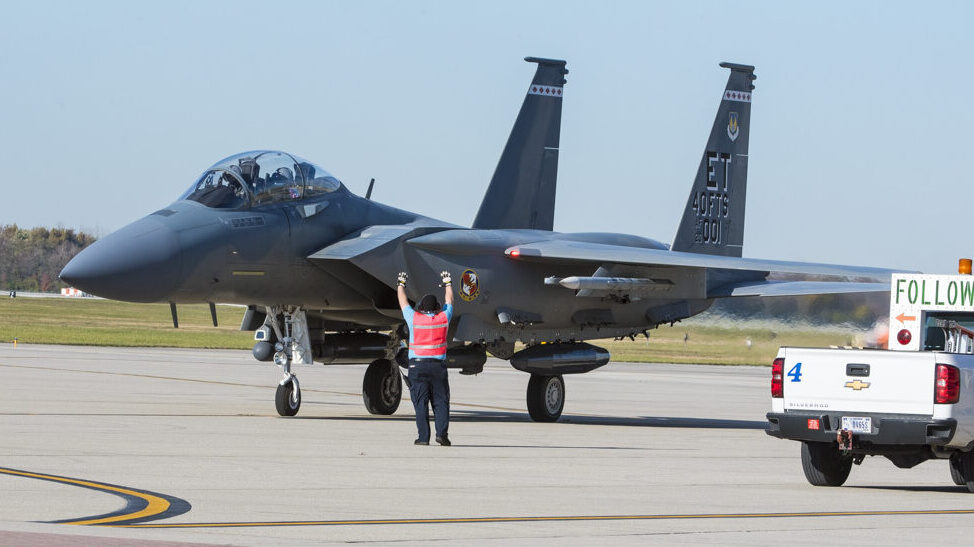
The contract covers over a decade of potential work for US and international F-15 fighter jets.


Avoiding vendor lock and providing more room for sensors and upgrades are critical considerations.
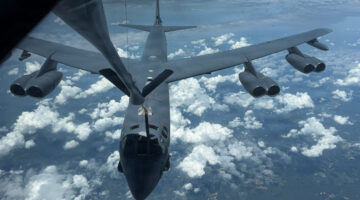
One contract worth up to $603 million was issued to RTX subsidiary Raytheon, while a second valued at roughly $163 million was issued to B-52 prime contractor Boeing.

The seven-year framework deals cover key SM-3 components including avionics and ejector assemblies.
Boeing plans to offer a cheaper seeker for defensive and offensive military missiles, while Northrop Grumman revealed more about a cannon-based solution to bat down threats like drones and cruise missiles.
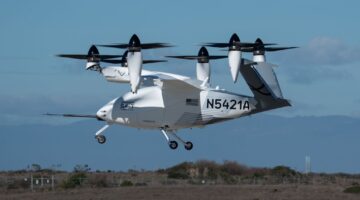
The acquisition will be funded by roughly $450 million in cash and $50 million in Joby common stock and is expected to close "in the first half of 2027," according to a press release.