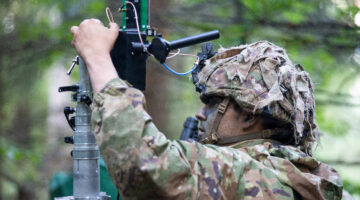
Army awards up to $7B in sprawling counter-drone IDIQ
The Army awarded 10 companies for a variety of counter-drone tech including sensors, effectors and C2 systems, Brent Ingraham, the head of ASA(ALT), told reporters.
The Army awarded 10 companies for a variety of counter-drone tech including sensors, effectors and C2 systems, Brent Ingraham, the head of ASA(ALT), told reporters.
The Army’s approach to acquisition portfolios, which is in flux after an overhaul in the fall, is to “keep what is working and change what is not,” a service spokesperson told Breaking Defense.
Explore how software, edge AI and resilient connectivity can strengthen military logistics in contested environments. Join Breaking Defense on Oct. 21 and earn 1 CPE credit.
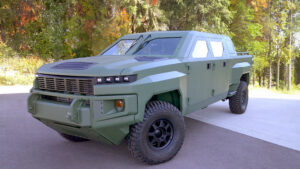
The service is looking to "accelerate" the delivery timeline of the ISV-Heavy, a top Army acquisition official told lawmakers.
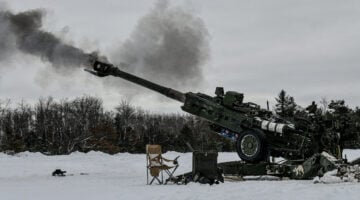
“I anticipate you will see an investment from the company themselves, from the industry partner themselves, to ensure they can continue to build out that facility that would make rounds that would primarily be supported by the [foreign military sales],” Army acquisition czar Brent Ingraham told lawmakers.

Brent Ingraham told Breaking Defense that the service’s ongoing Transformation in Contact exercises will help inform leadership on what weapons and platforms it will and won’t go forward with as part of the ATI.
Most recently Ingraham was performing the duties of Deputy Under Secretary of Defense for acquisition and sustainment.


New kits turn Black Hawks into attack Hawks in just three hours.
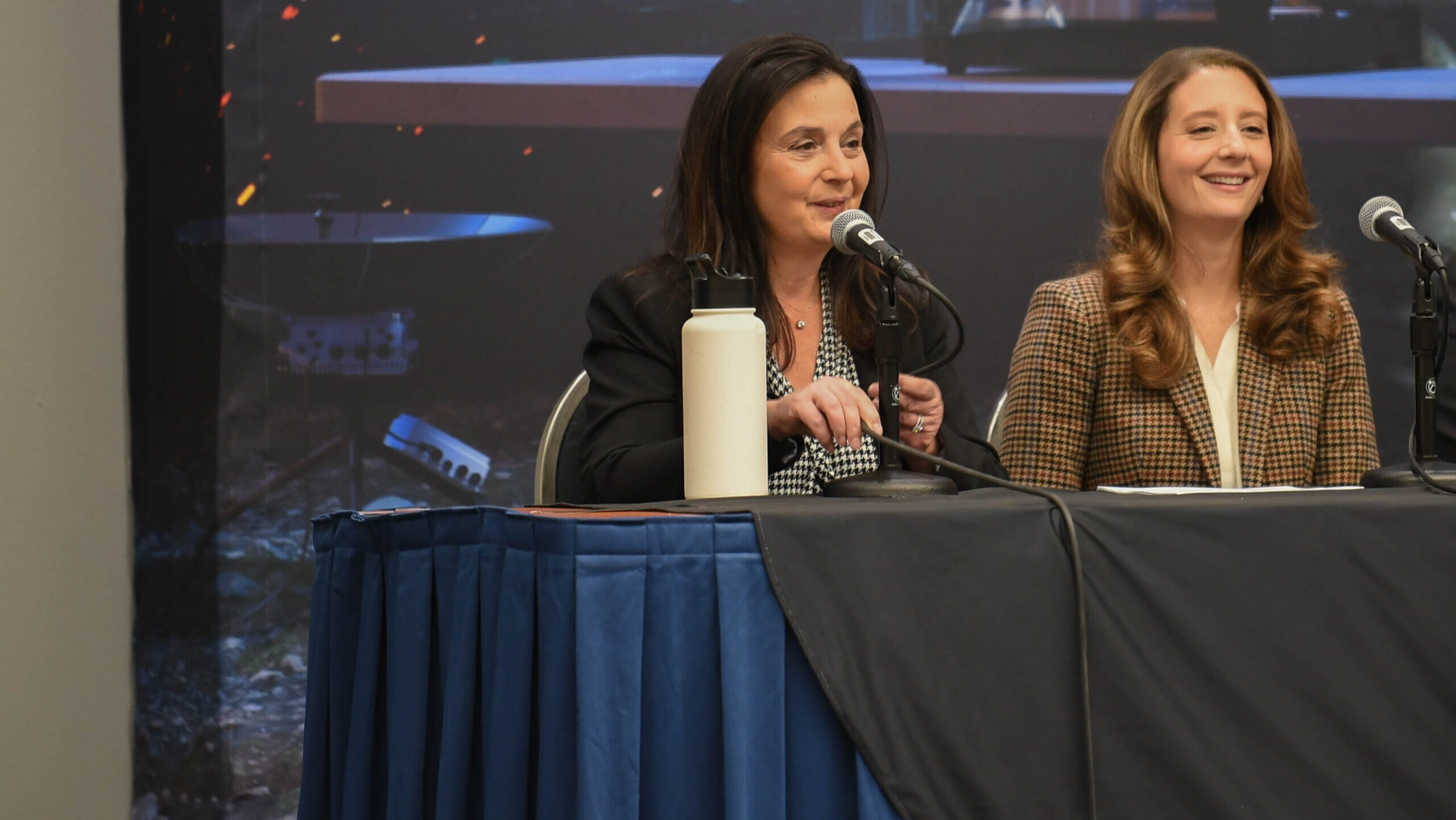
“We put out our second draft on Friday; the deadline for feedback is Oct. 25, so you have about a week and a half left,” software acquisition chief Jennifer Swanson told contractors at AUSA. “Please, please give us feedback.”
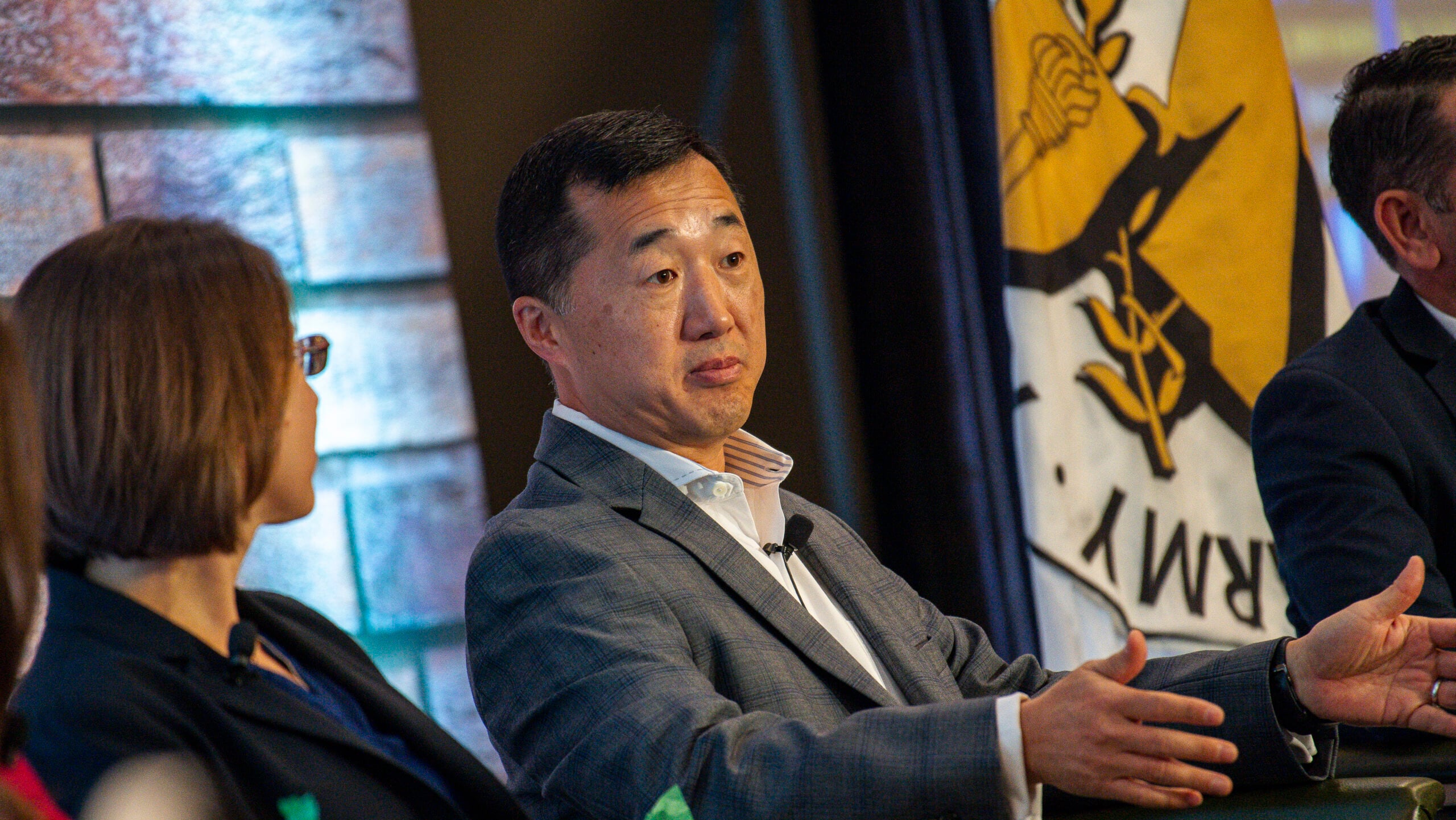
“I can train algorithms literally overnight,” said Young Bang, the No. 2 civilian in Army acquisition — so even the streamlined Software Acquisition Pathway might not be fast enough.

"If some companies don't want to bid on a contract, it's a free country. Don't bid. Others will," Doug Bush said. "My goal is simply to get the capability for the Army, not to make everybody happy."

The service previously announced another initiative, dubbed #DefendAI, all of which are shaping its year-long dive into the cutting-edge tech.

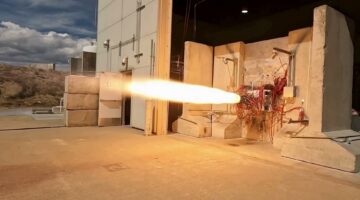
Demand signals from leadership are shaping investments in design, engineering and manufacturing.

One of the hopeful uses of the new LLM is for the government to create contracts at a quicker rate.
The Army presented a conceptual security plan that involves layers of security for AI use, but wants help ironing out the details.
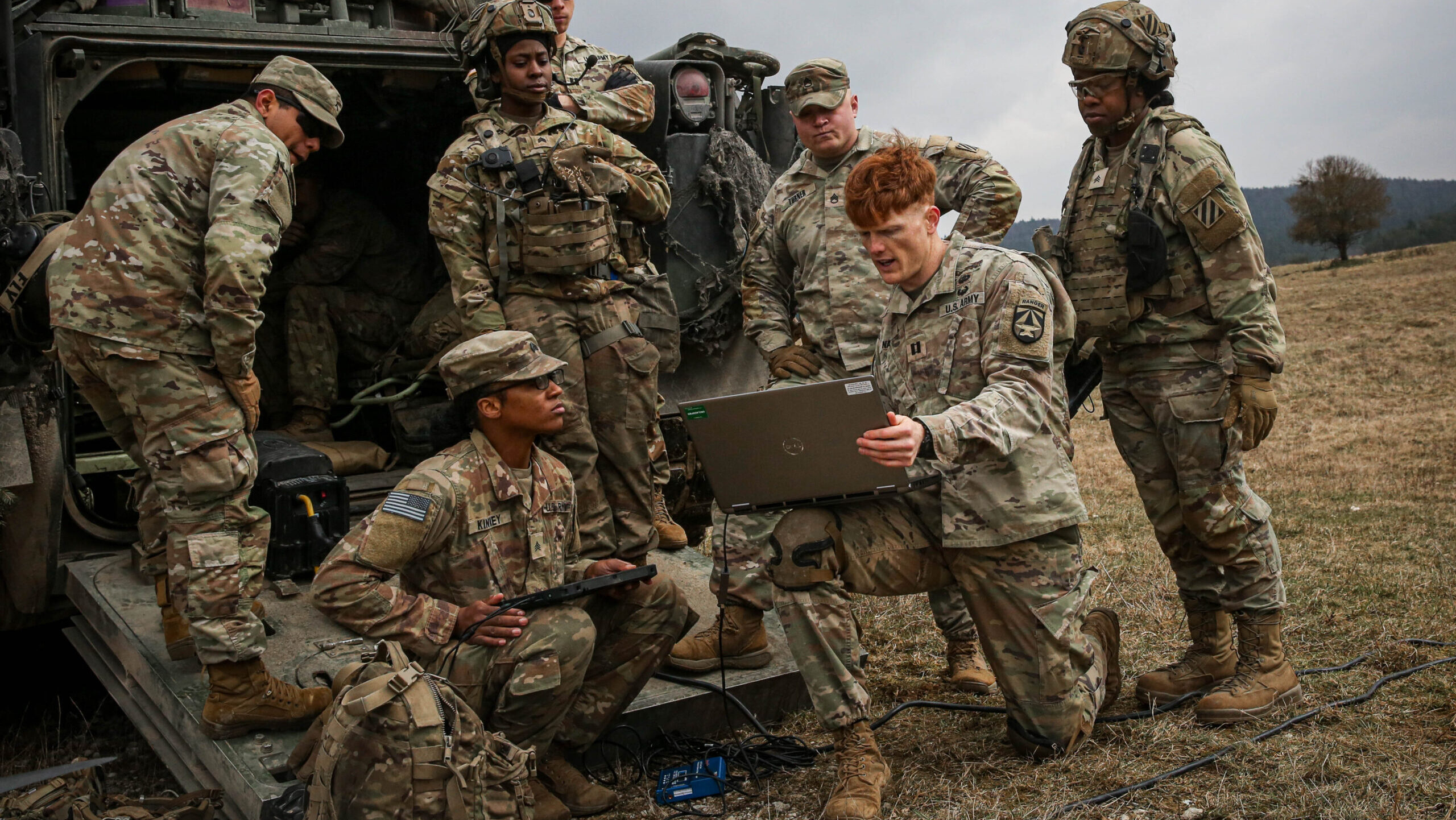
Instead of demanding an exhaustive “AI Bill of Materials.” the Army will only ask contractors for a “baseball card” of key stats on their AI — while building up its in-house capacity to check for bad code or “poisoned” data.

“Any commercial LLM that is out there, that is learning from the internet, is poisoned today,” Jennifer Swanson said, “but our main concern [is] those algorithms that are going to be informing battlefield decisions.”