
Higher, faster, longer: Army awards ATHENA scout jet contract to Sierra Nevada
The two ATHENA aircraft are part of the Army’s long-term move from prop-driven intelligence, surveillance, & reconnaissance to higher-performance jets.
The two ATHENA aircraft are part of the Army’s long-term move from prop-driven intelligence, surveillance, & reconnaissance to higher-performance jets.


IBCS sees more, understands better, and decides faster for a true transformational change for the US Army and its allies.
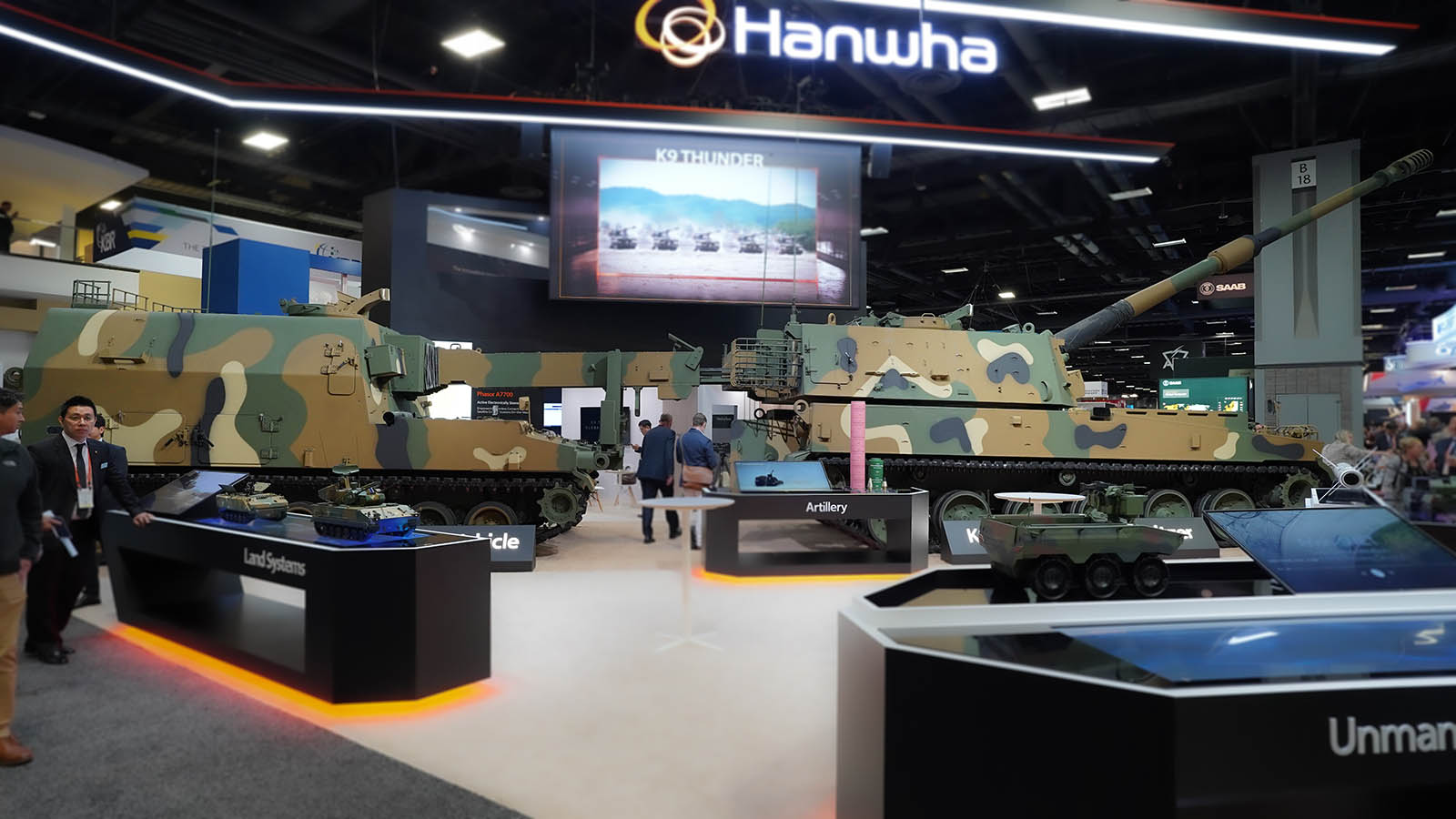
Hanwha Defense USA's strategy is "very much about being a prime contractor that can compete with the other peers that are here. And how do you get there? It's about partnerships. It's about organic growth. It's about M&A type of capability,” CEO John Kelly told Breaking Defense.

 Gallery









The service has already asked vendors to come back with digital engineering “artifacts” and designs for two of its six modernization priorities, Army Under Secretary Gabe Camarillo told reporters.
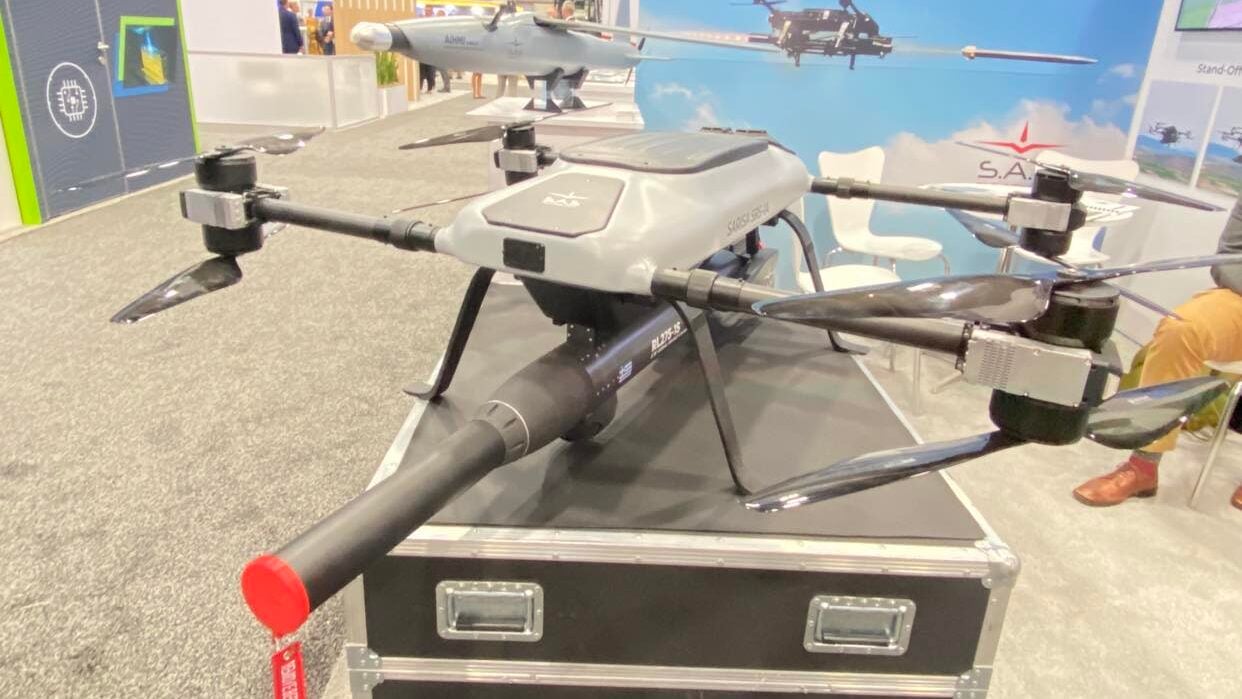
"Right at the back of the UAV [unmanned aerial vehicle], there is a system that absorbs much of the kinetic energy produced by the firing," S.A.S technology designer Christos Christou told Breaking Defense.

“Expect to see as the [program manager] comes out with the acquisition strategy, a lot of competition investments,” said Army Under Secretary Gabe Camarillo.

The agreement between FMV and BAE Systems Hägglunds signals the “implementation of a preliminary contractual design,” representing the “first step to defining the configuration and program of the combat vehicles that will replace the Combat Vehicle 9040C donated to Ukraine."


Six LTAMDS radars are being tested in parallel to speed this transformational warfighting capability to U.S. Army and international air defense forces.

"I don't want one teammate. I want a team of industry that's going after this really robust set of applications that modernizes this sort of monolithic, single application," Mark Kitz told Breaking Defense.


Increased partnership and engagement from across government and industry is needed to drive integrated deterrence forward.

The analysis of alternatives is needed for the program’s milestone B decision, and could help quell some lawmakers’ concerns about the Army’s acquisition strategy.


Already in Ukraine, the low-to-no-collateral DroneHunter F700 counter-UAS system can now defeat faster and larger threats like the Russian Orlan-10 and Iranian Shahed-136.

“If we have to do like most of America does, and tighten our belts a little bit, we may have to push a project or two to the left,” Marion Whicker, Army Materiel Command’s executive deputy to the commanding general, told Breaking Defense.
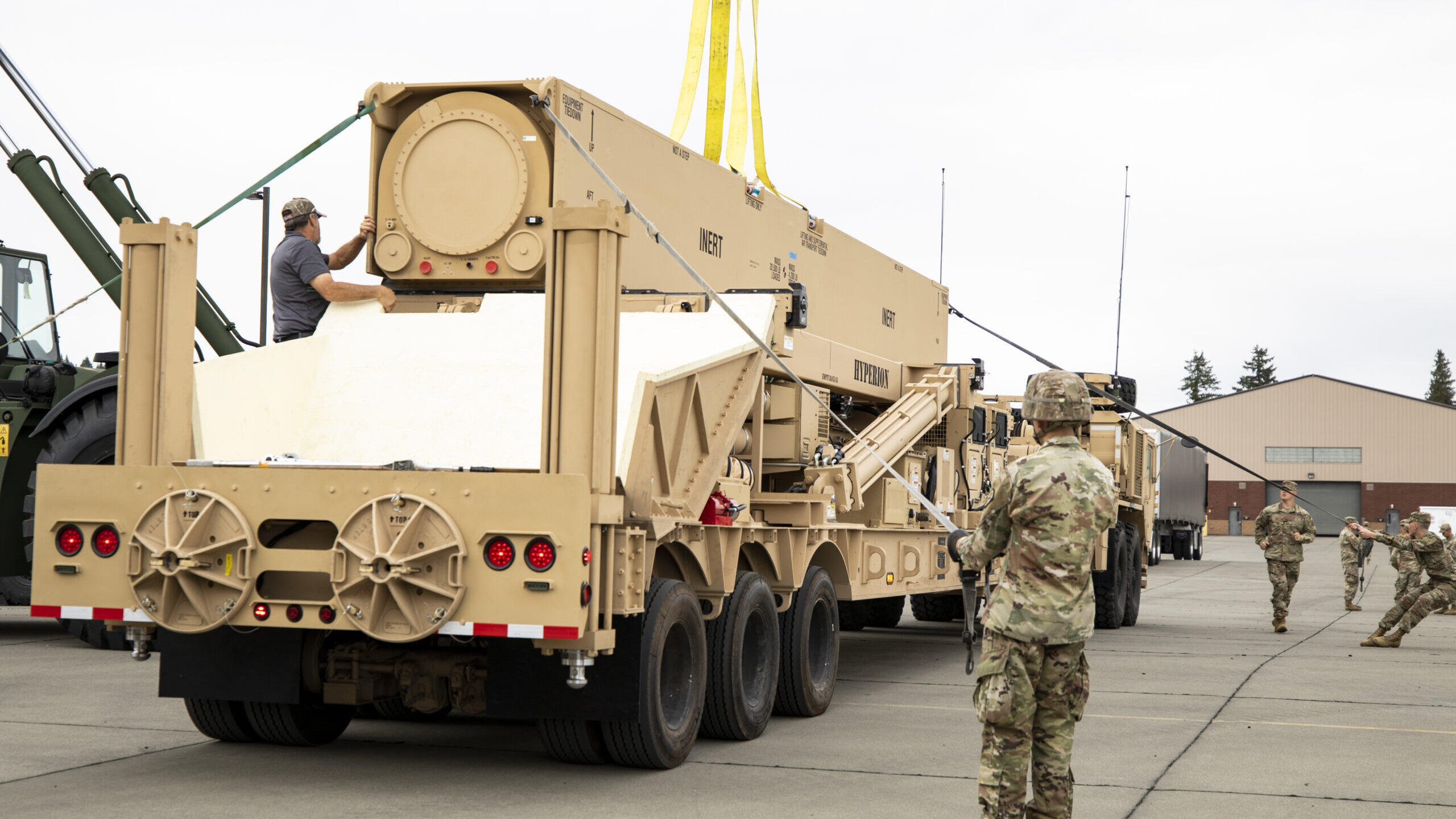
Despite the current supply chain obstacles, the Army is confident it can fully field the first Long Range Hypersonic Weapon (LRHW) units by the end of this calendar year, said Chris Mills of the service's Rapid Capabilities and Critical Technologies Office.