
Over next year, Army shaping FLRAA version 2 requirements
“We're looking at how do you bring [in new] technology capabilities … in the cockpit? How do you put their ability to communicate at longer distances?” said Brig. Gen. Cain Baker.
“We're looking at how do you bring [in new] technology capabilities … in the cockpit? How do you put their ability to communicate at longer distances?” said Brig. Gen. Cain Baker.

In addition to halting the FARA competition, service leaders want to end UH-60 V Blackhawk production, postpone moving the Improved Turbine Engine Program into production, and phase out legacy drones.

Cyber resilience has become a frontline mission for the US military. Breaking Defense’s new eBook rounds up key reporting from the 2025 Alamo ACE conference with the latest developments in cyber offense and defense.
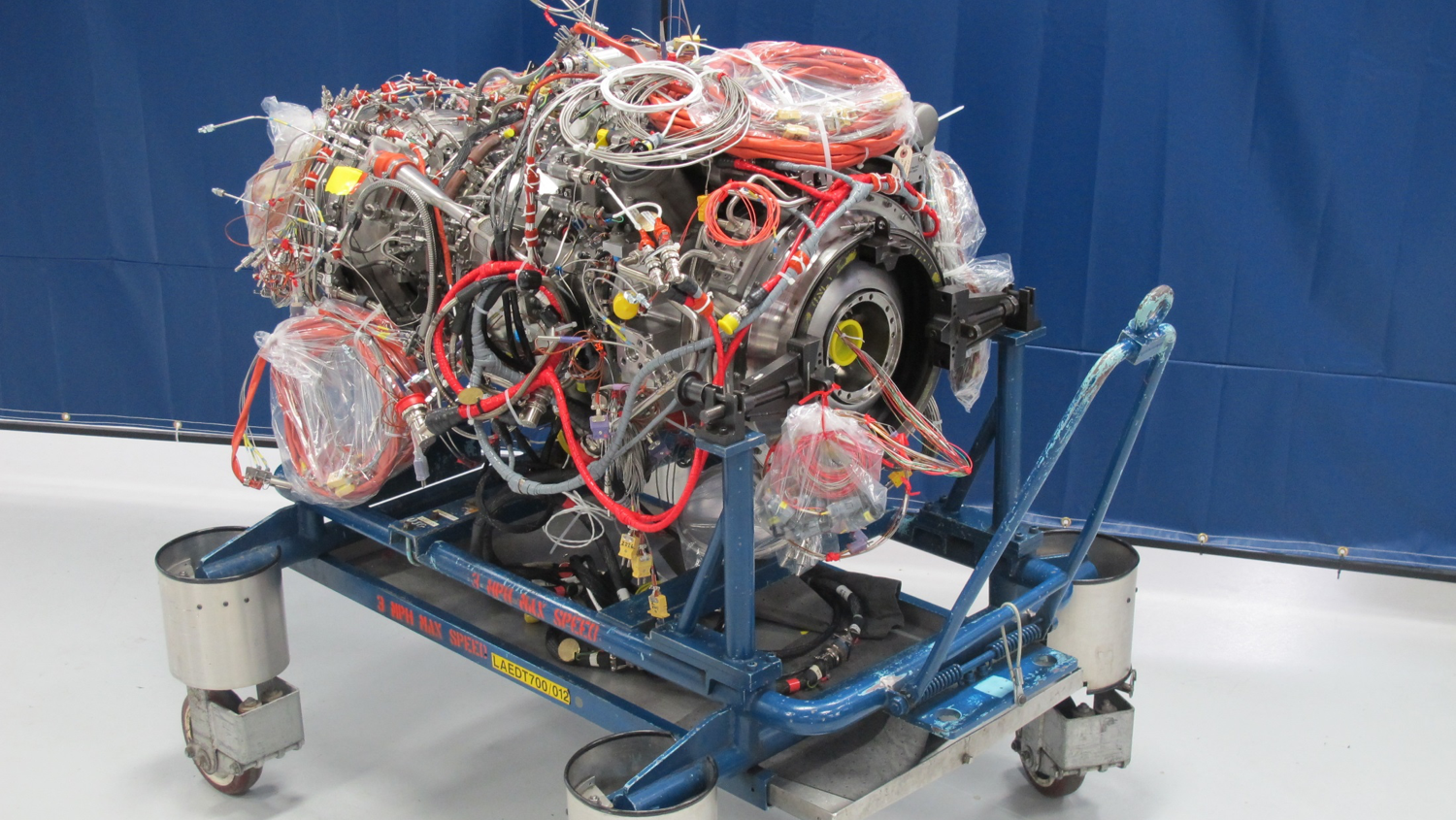
The simultaneous delivery to the two competitors comes after an approximately year-long delay for the new engine and paves the way for a flight test next year.

The analysis of alternatives is needed for the program’s milestone B decision, and could help quell some lawmakers’ concerns about the Army’s acquisition strategy.
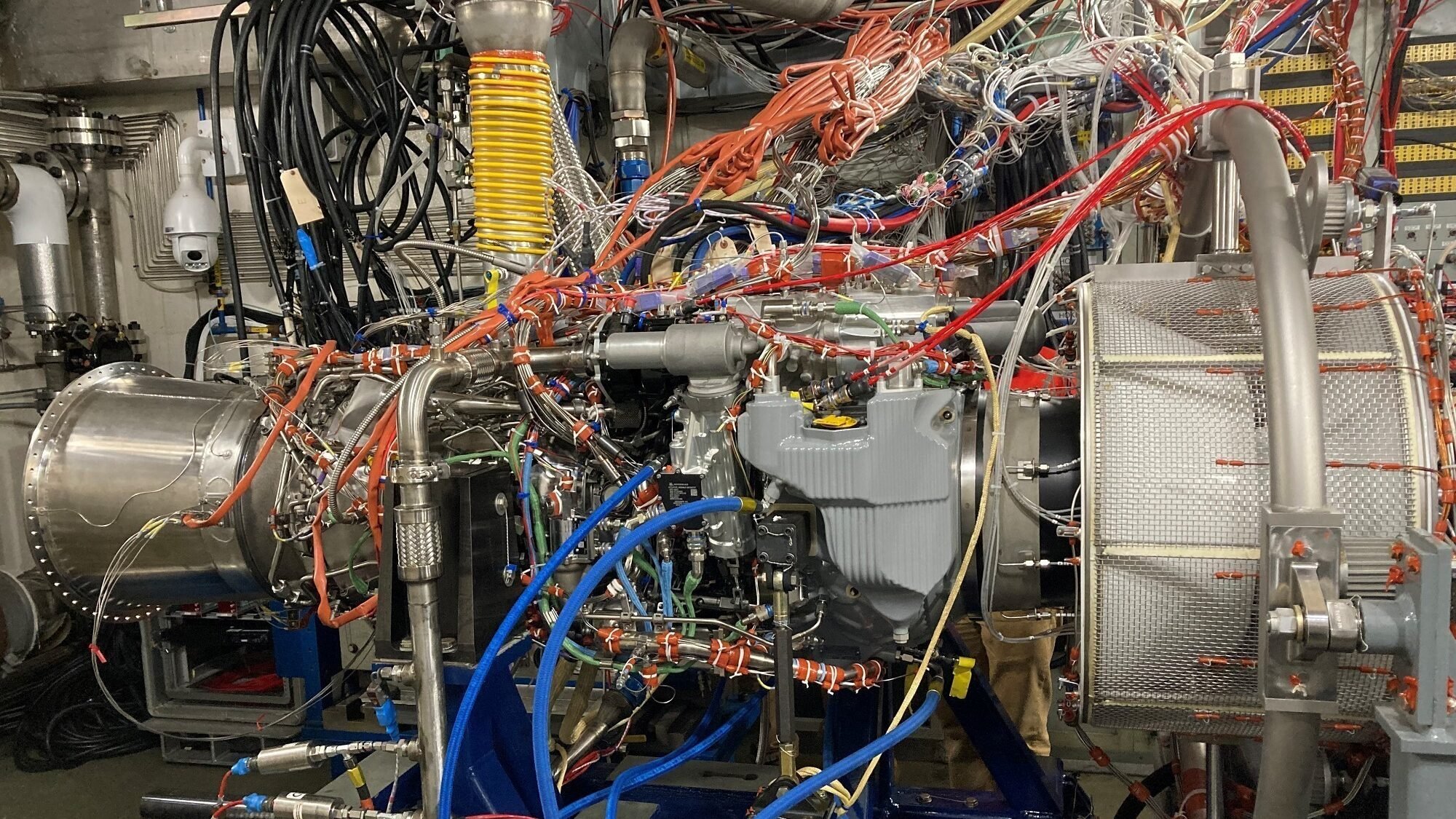
“Both engines are on-track to be delivered by the government to the Future Attack Reconnaissance Aircraft (FARA) competitive prototype vendors by the end of October 2023,” the Army wrote in a press release today.


By implementing a design-as-built methodology that digitally connects entire FVL programs throughout the lifecycle, Bell has increased its ability to collaborate in real-time with program partners and the Army to deliver new capabilities faster and more affordably.

Reducing cognitive overload on warfighters while improving “time to trust” for autonomous systems is a matter of design.

The future of Army aviation depends on major improvements in aircraft speed, range, and reliability. Bell’s vision to ensure these programs enhance national security and are affordable relies on digital engineering and modeling to integrate missions and air vehicle systems with sustainment in mind so they all meld together in advance of manufacturing to reduce risk.
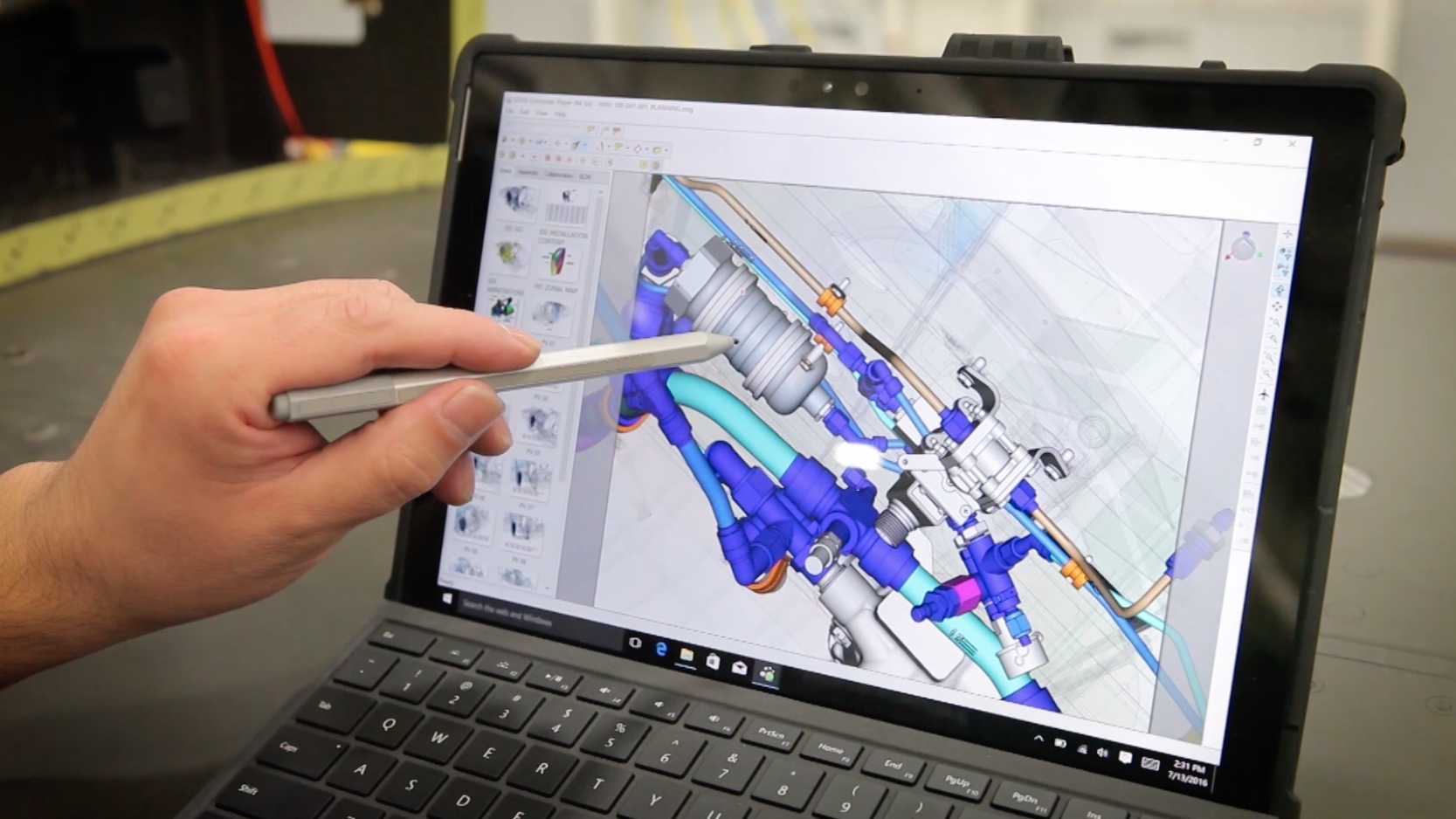
Bell’s methodology to meet the Army’s Modular Open Systems Approach requirement is enabled by a common digital backbone that will be instantiated on both the V-280 Valor for FLRAA and the Bell 360 Invictus for FARA.
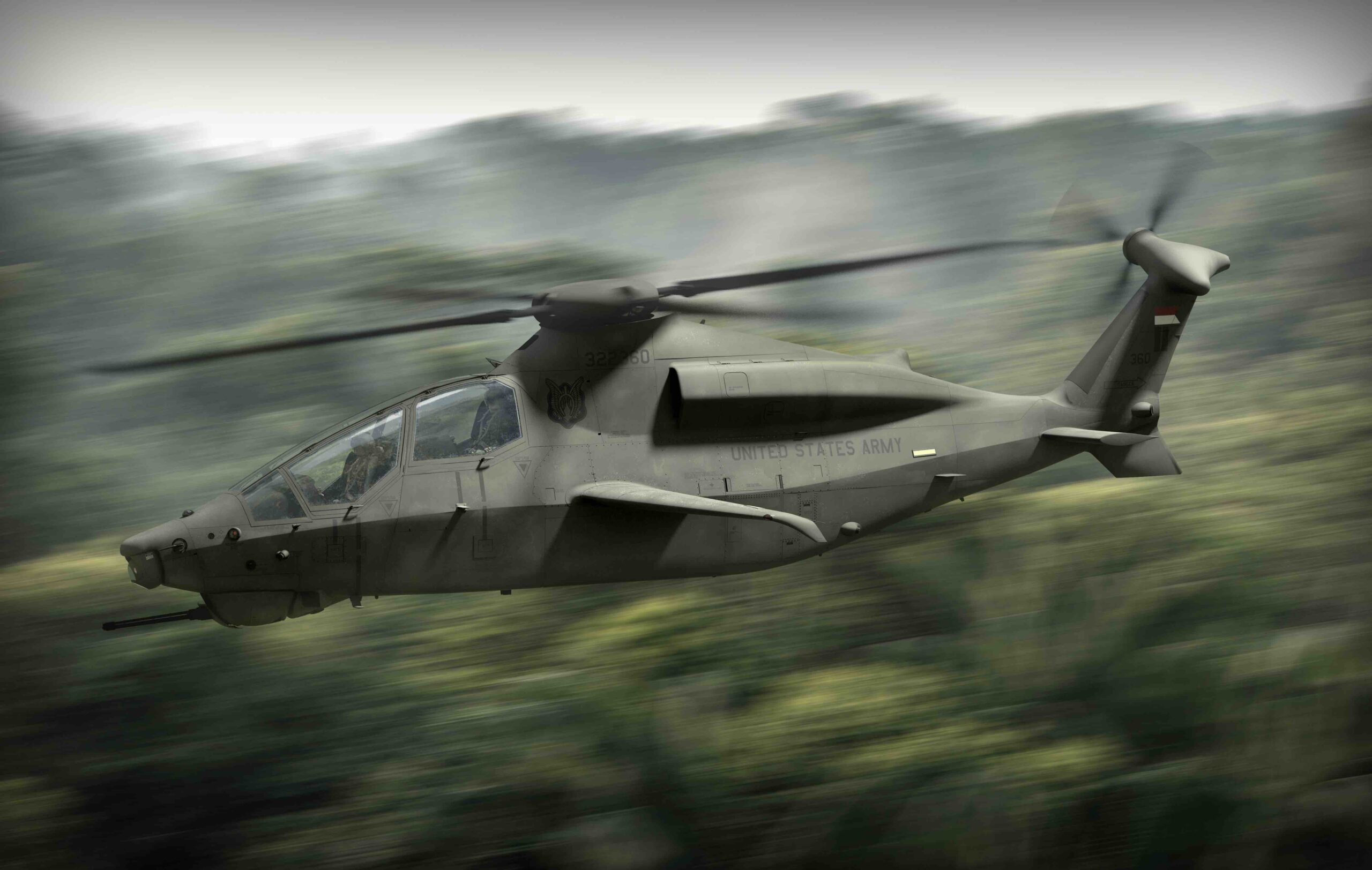
A flight-proven tiltrotor and advanced helicopter are the optimum solutions for transformational air assault and attack/recon.

Bell’s V-280 Valor builds upon 600,000 hours of experience with the V-22 tiltrotor with a clean-sheet design to meet the Army’s requirement for an air-assault platform.

It's been a whirlwind of a year — and the defense establishment has plenty of thoughts on how it's unfolded and what might come next.
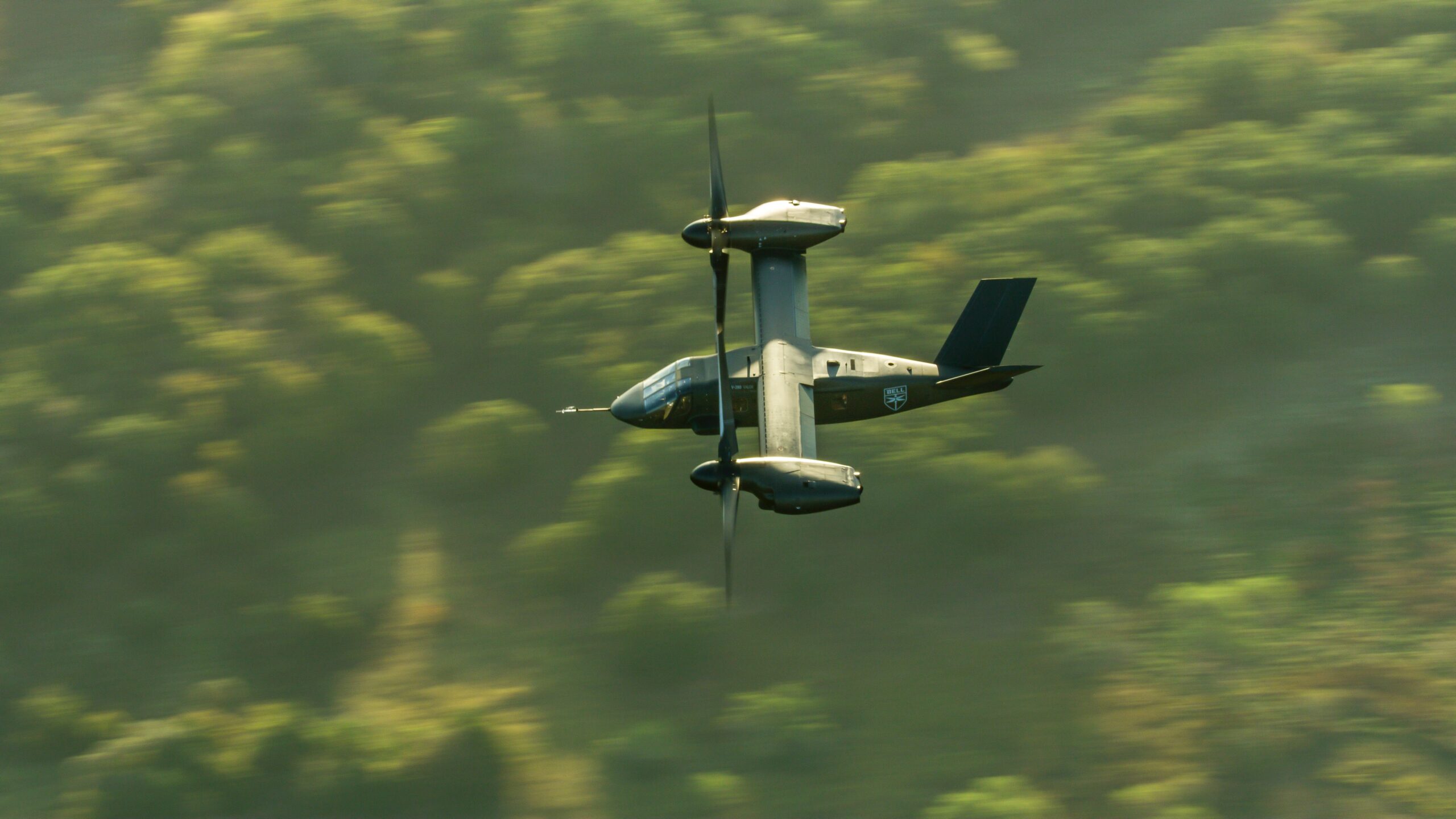
Bell created the V-280 Valor with agility, speed in excess of 280 knots, and more than 500 nm of range that is needed to quickly take advantage of tactical opportunities in multi-domain operations in theaters across the globe.
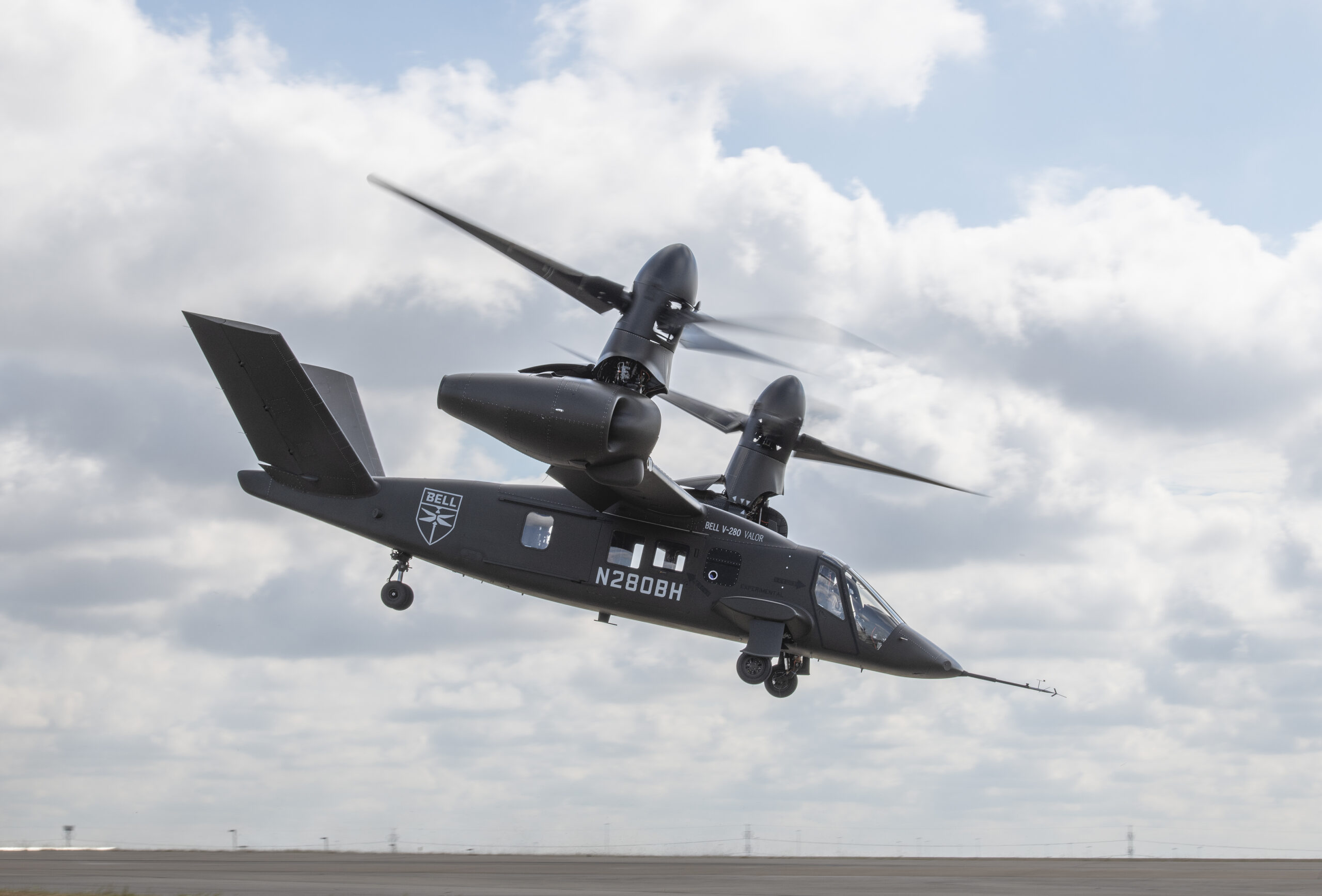
How and why Bell’s candidates for the Army’s Two Future Vertical Lift programs will help to create overmatch in the Great Power competition.

The S-97 Raider is Sikorsky's proto-prototype for the Future Attack Reconnaissance Aircraft. It's competing with the Bell 360 Invictus -- but unlike the S-97, the 360 isn't flying yet.

Bell and Sikorsky have started building their competing prototypes for the Future Attack Reconnaissance Aircraft (FARA) ahead of a Final Design Review in November. The vital digital architecture is still in development.