
How China is rethinking tank survival against FPVs and top-attack threats
The drone age did not end armored warfare. It rewrote the terms of survival, and Chinese military analysts are paying attention.
The drone age did not end armored warfare. It rewrote the terms of survival, and Chinese military analysts are paying attention.
For NATO, reproducibility should become a distinct measure of Russian military capability, driving how the alliance plans for the future.


Supply chains are only as strong as their weakest link, which has been repeatedly proven to be true over the last few years.

Since last year, Kyiv has turned to Western fighter jets to shoot down aerial threats, but also rely on dispersed air defense teams and other modified aircraft.
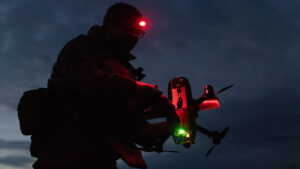
Five areas were listed by Brave1 as of high interest: active protection systems against FPVS; affordable counter-shaded systems; electromagnetic support for signals intelligence; electromagnetic attack technology against FPVs; and high-altitude platforms.
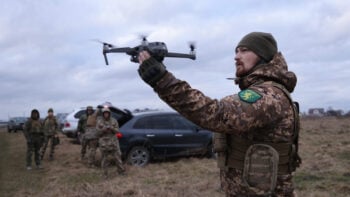
Ukrainian President Volodymyr Zelenskyy said that the country is currently producing 10 million drones per year and envisions this number rising to 20 million annually with the help of partners.

Skyfall said that the Shrike has destroyed a wide range of Russian military assets, with hits on targets including an Mi-8 helicopter, armored vehicles, electronic warfare and artillery systems and a TOS-1A SoIntsepyok heavy flamethrower.

A commercial prototype in a sandbox is different from deploying AI across classified networks.
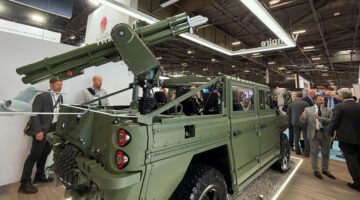
The deal would allow L3Harris to equip its Vampire c-UAS platform with a small interceptor drone for the first time.

This week on The Break Out, we travel to eastern Europe for drone testing with NATO troops before briefly reviewing the history of unmanned systems.
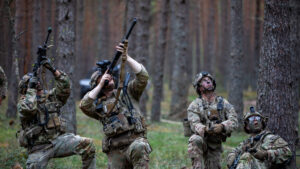
While the US Army has not yet formally introduced audio drone training as part of its curriculum, Harrington told reporters that field experience listening to the sky can provide an introduction to differentiating among various drone types.

“If we have a FPV-style drone that is lethal and armed, and we expect that soldier to hit a very precise target at a very precise point … that soldier is going to need a much higher level of skill and training,” said Col. Nick Ryan, the director of Army UAS Transformation with the Aviation Center of Excellence.

AI tools are critical components of modern warfare, but must be protected to ensure they are reliable.

After military operators fly the drones, the department plans to award deals totaling $150 million.
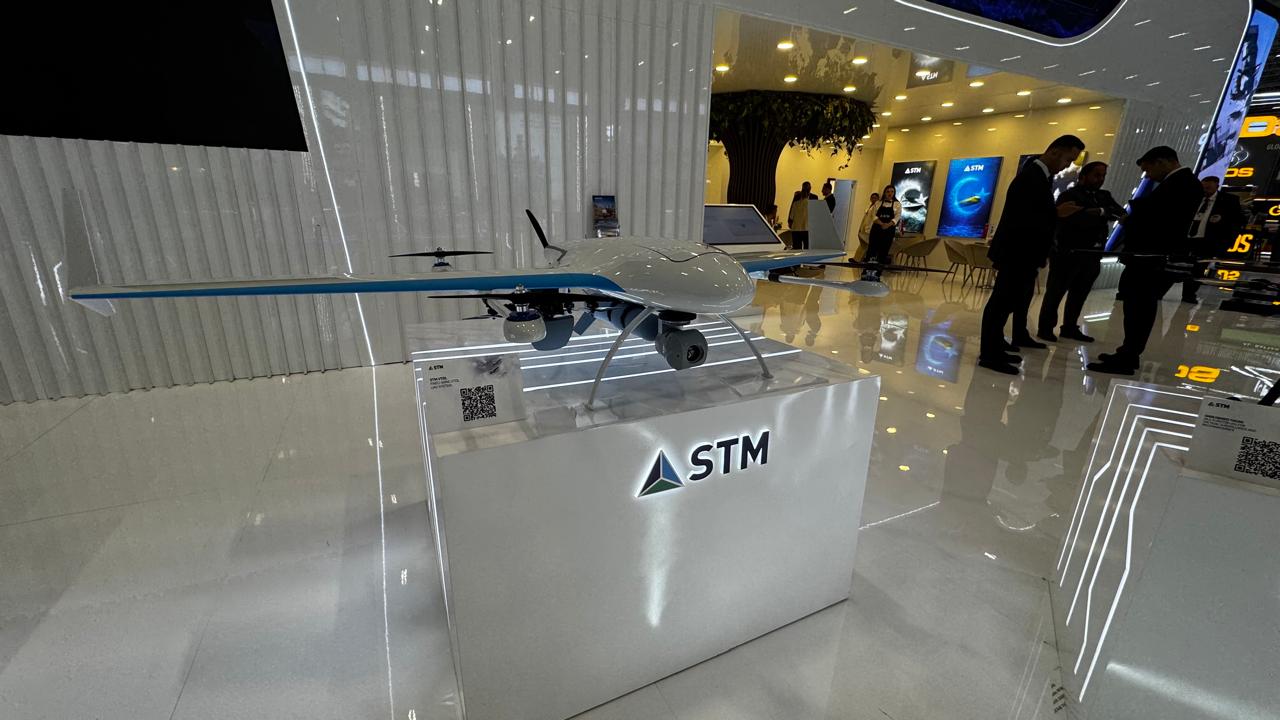
Host nation Turkey took advantage of the Istanbul exhibition, with defense firms showing off a host of new tech.
"While global military drone production skyrocketed over the last three years, the previous administration deployed red tape. US units are not outfitted with the lethal small drones the modern battlefield requires," Hegseth wrote.
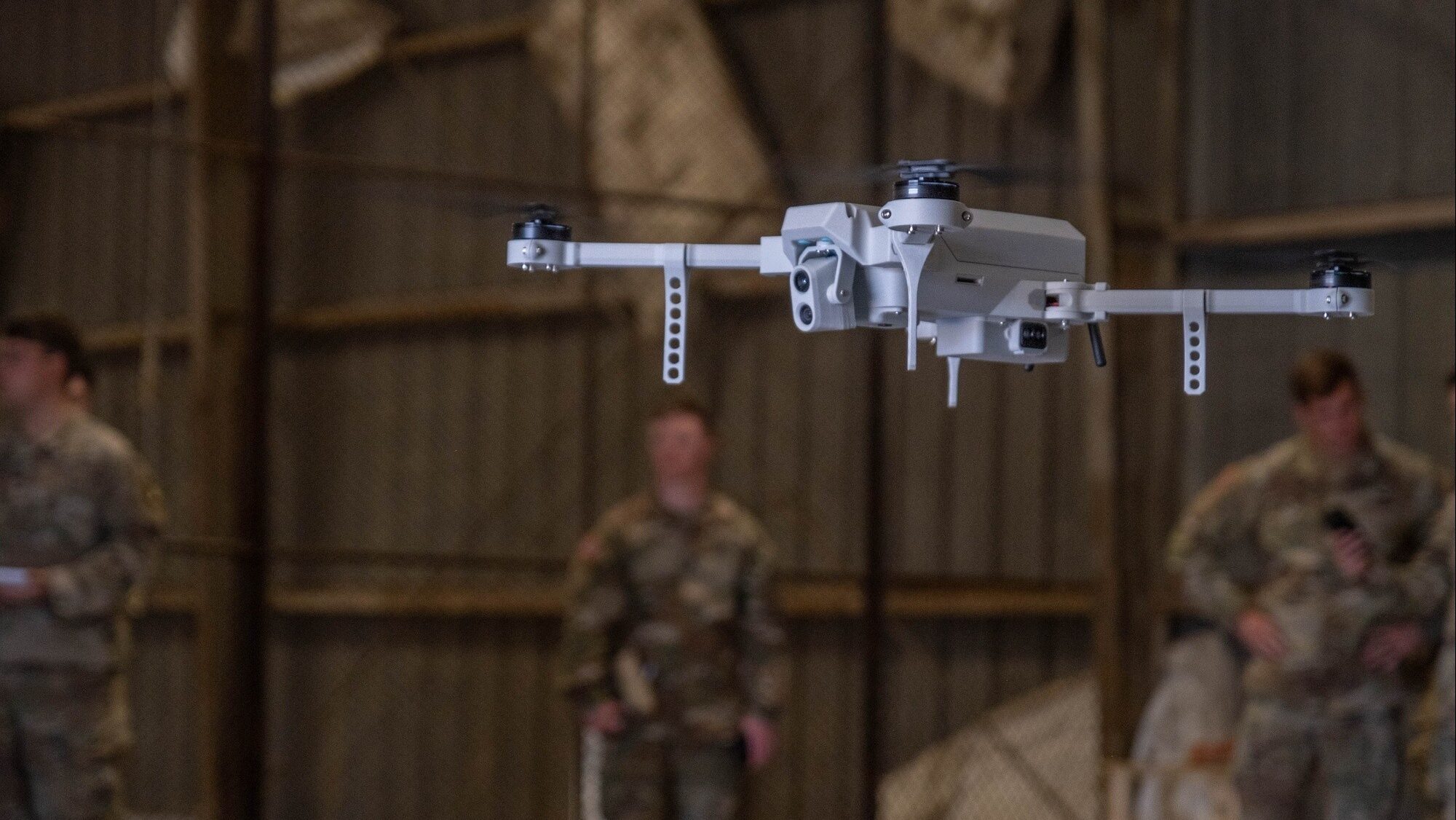
“Is it really the right answer to have a brigade carrying around 3D printers in the back of a truck trying to print 100, 400, 500 of these things at a time, and fabricate them while on the move so they don't get targeted by the enemy?” asked Col. Nick Ryan, director of the Army Capability Manager for Unmanned Aircraft Systems.