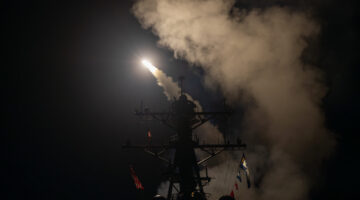
3D printing company Divergent to produce Tomahawk structure at new factory, CEO says
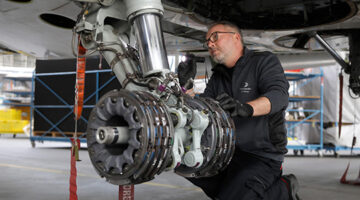
“We need all hands on deck, we need as many of these as we can possibly get, and Divergent is good complimentary supply for [Raytheon],” said CEO Lukas Czinger.
“We're making them put skin in the game … and we expect them to meet the ramp rates that they agree to. And, if they don't, there'll be penalties for them,” said Jules “Jay” Hurst, who is performing the duties of the Pentagon comptroller.
Pentagon officials are seeking lawmakers’ authorization to buy weapon systems through multi-year deals “across the board, not only with munitions, but actually with the production of aircraft, with the production of spacecraft,” said Air Force Secretary Troy Meink.
With $70.5 billion in the FY27 budget request for munitions, a handful of analysts said they expect the Pentagon to spread the funding over several years and to fuel multiyear buys.
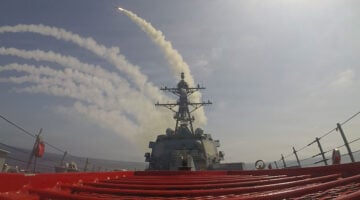
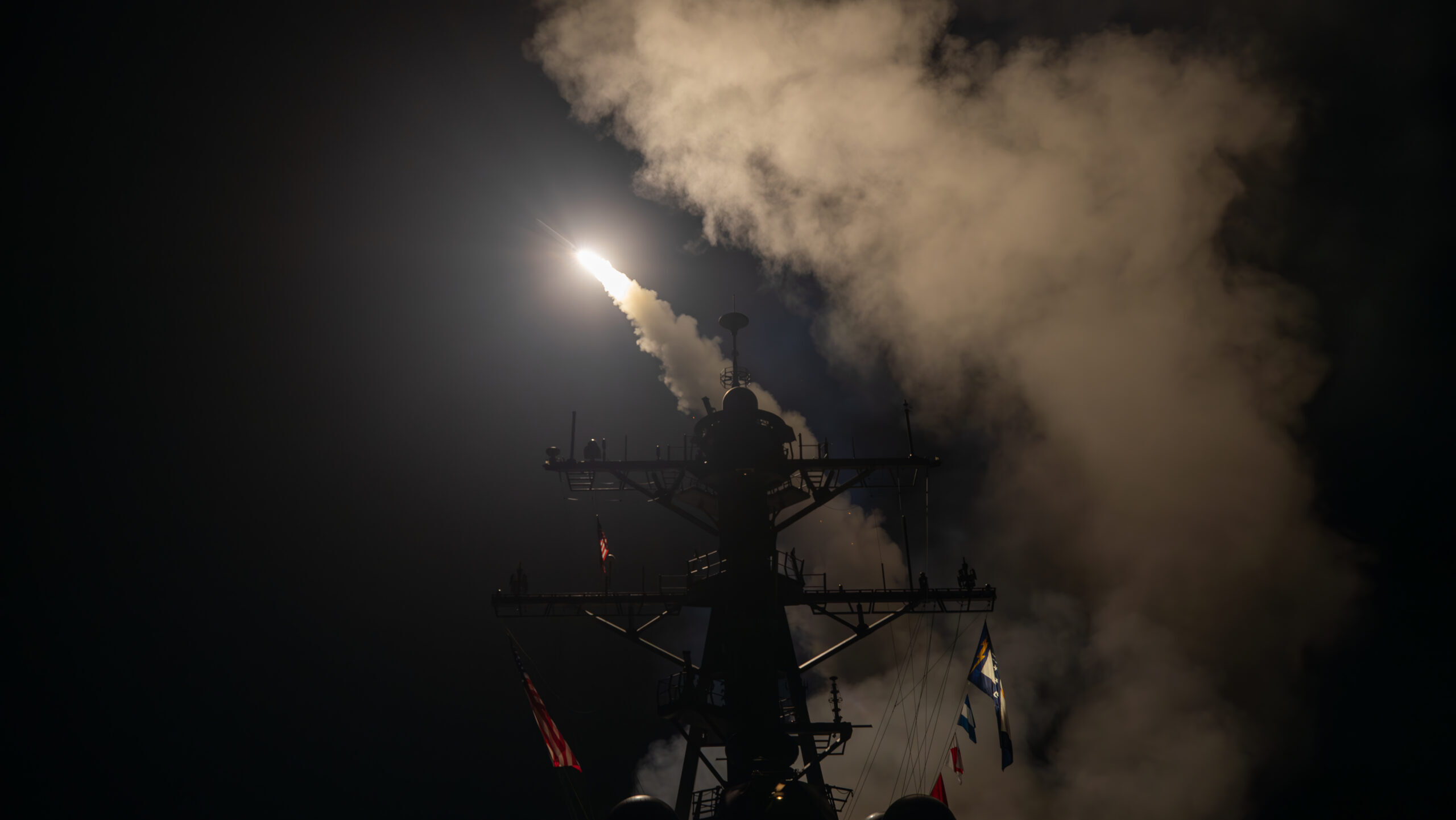
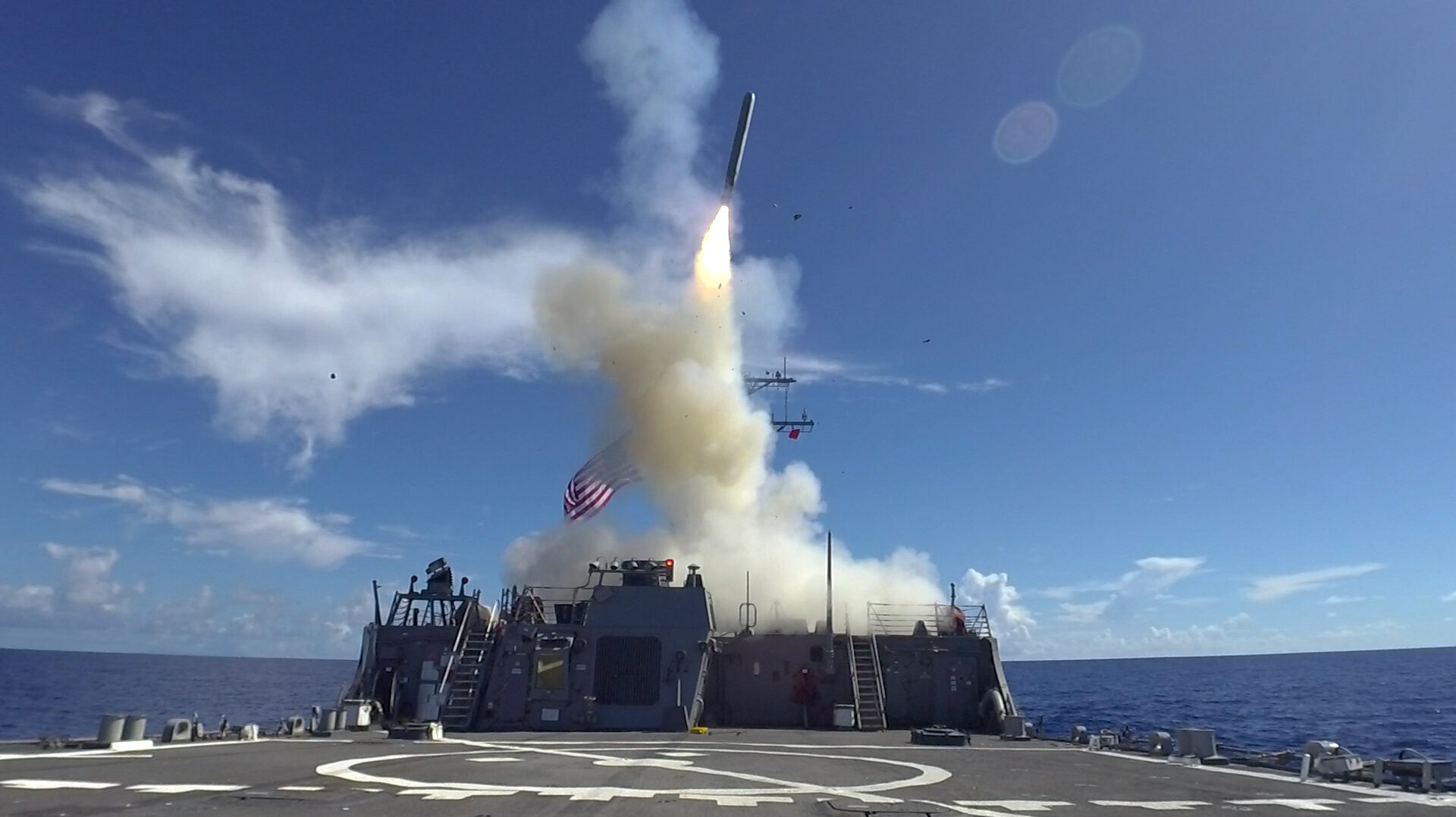
Under the terms of the agreements, Raytheon will increase annual production of the Tomahawk cruise missile, AMRAAM air-to-air missiles, Standard Missile-6, Standard Missile-3 IIA and Standard Missile-3 IB.
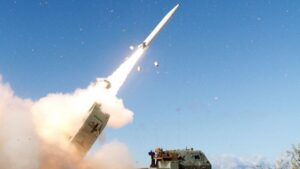
The heavy variant would be based on a Palletized Loading System and fire either Tomahawk or PAC-3 missiles, while the medium-class launcher would use an FMTV to fire Multiple Launch Rocket System munitions or AIM-9X interceptors.
A pair of news reports caused enough commotion in The Hague that the Ministry of Defense felt compelled to push back in a letter to lawmakers.
The announced potential sale to Tokyo comes days after Defense Secretary Lloyd Austin met military leaders in the Indo-Pacific.
The new Japanese defense minister admitted he is a "little bit worried" about the new deal being approved by Congress, an ostensible reference to this week's chaos on the Hill.
The Senate's draft defense policy bill calls for the Navy secretary to produce a business case analysis for buying amphibious ships using block buy authorities.
The effort falls in line with Pentagon efforts to deploy more punch at longer ranges, a clear recognition of the growing ability of China and Russia to keep American and forces at a stand-off distance
The US could develop more than a dozen different land-based weapons for $7 to $12 billion, thinktank CSBA estimates.
“We’ve spent a lot of time over the past years playing defense,” Rear Adm. Ronald Boxall, director of surface warfare, said at the West 2019 conference here. "The best defense is a good offense, and the idea that we will go after the threat -- at range -- is something that we have to be able to do.”