
Is the Army about to shake up its Bradley replacement, XM30? Sources see major signs.
Sources told Breaking Defense a new RFI may be a backdoor effort to speed up, or potentially revamp entirely, the Bradley replacement competition.

Carley Welch covers networks and digital warfare for Breaking Defense. She earned a BS in journalism from James Madison University and a MA in investigative reporting from American University where she was part of the team that won the 2022 Pulitzer Prize for Public Service. In her role as a networks and digital warfare reporter, she covers IT, C4ISR, cyber, EW and DoD enterprise modernization.
Sources told Breaking Defense a new RFI may be a backdoor effort to speed up, or potentially revamp entirely, the Bradley replacement competition.
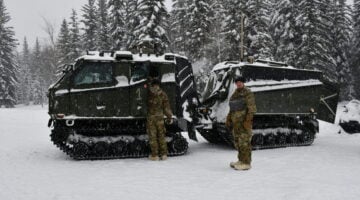
During the Joint Pacific Multinational Readiness Center 26-02 rotation, the US Army's 11th Airborne Division emulates what an Arctic conflict would look like.

Share your insight in a 10-minute survey—$10 donated to Homes For Our Troops for every response.

“I anticipate you will see an investment from the company themselves, from the industry partner themselves, to ensure they can continue to build out that facility that would make rounds that would primarily be supported by the [foreign military sales],” Army acquisition czar Brent Ingraham told lawmakers.
“Armor and the Arctic don't necessarily match,” Cogbill said. “They're heavy. They would fall off the roads. They tumble down the side of a mountain. So we have to be light, highly mobile. It’s a matter of [having] just over the snow mobility.”

During JPMRC 26-02, the “Arctic Angels” grapple with tough terrain, fragile tech and logistical shortfalls as the Army tries to sharpen its Arctic edge.
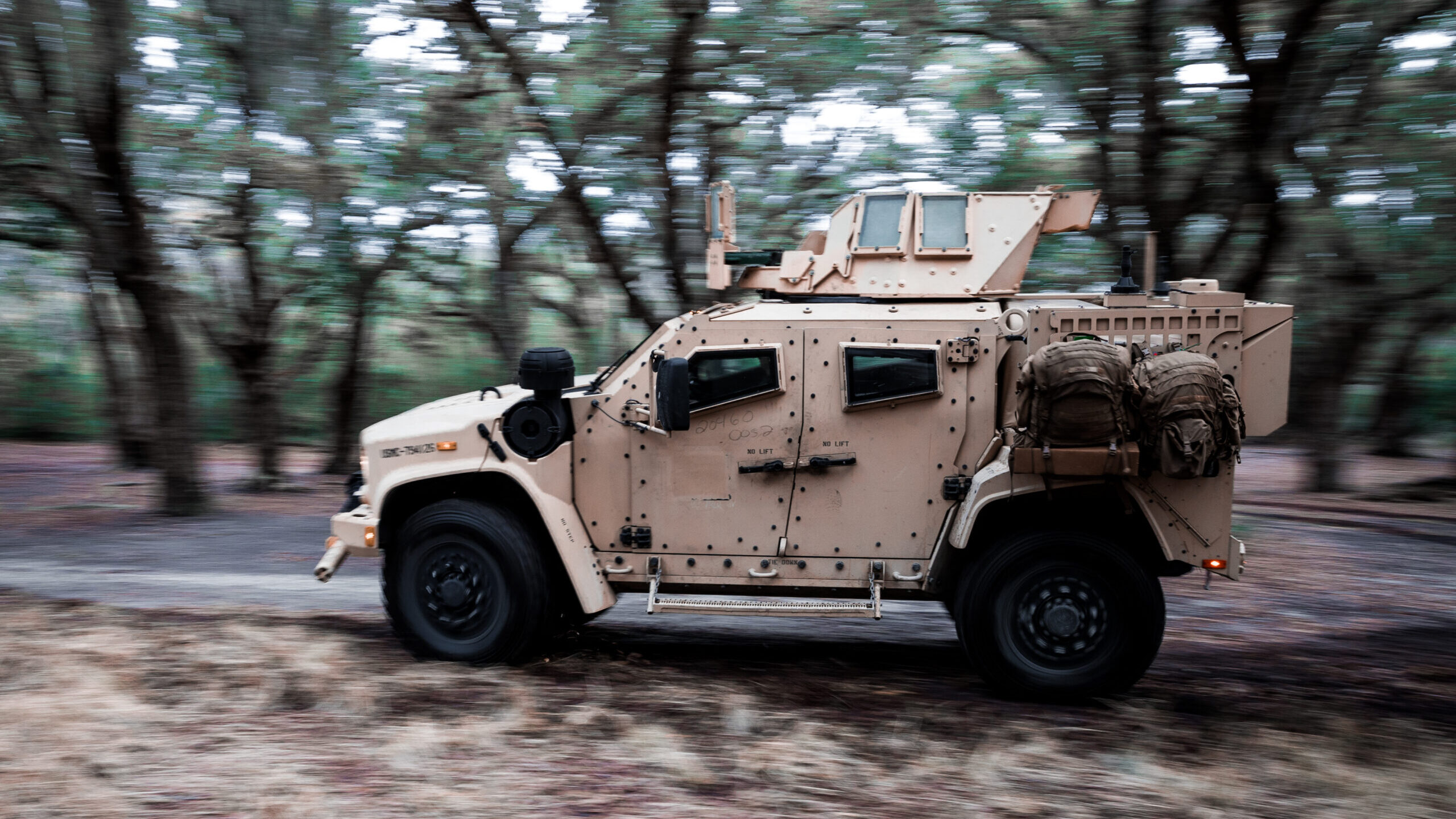
Last year Forterra was also awarded a contract to integrate its autonomy stack, dubbed AutoDrive, into the JLTVs for the ROGUE Fires program.

As threats evolve, the winning model ties digital engineering to manufacturing capacity and a reindustrialized supply chain.
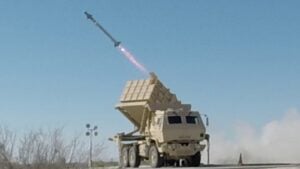
Today’s announcement comes more than two years after the Army began hunting for a second interceptor for its developmental IFPC Inc 2 launcher.
Col. Felix Torres, commandant of the Army’s SMDC Center of Excellence, told Breaking Defense recruiting 1,000 new space specialists does not signal the Army is "trying to take over [Space Force's] job, or anything like that."

Bell, M1 and Lockheed Martin confirmed to Breaking Defense that they have been selected to move on to the next phase of the competition.
The race to get the new combat vehicle was originally planned to kick off about a year ago, but was pushed off due to the Army Transformation Initiative.


On today’s battlefield, mobility isn’t optional - it’s mission-critical.

The Air Force, Army and Navy each fly militarized versions of Canadian airframes, for everything from surveillance to transport missions.

An Army spokesperson told Breaking Defense that the current plan is for the service to acquire six production aircraft and three prototypes for the HADES program.
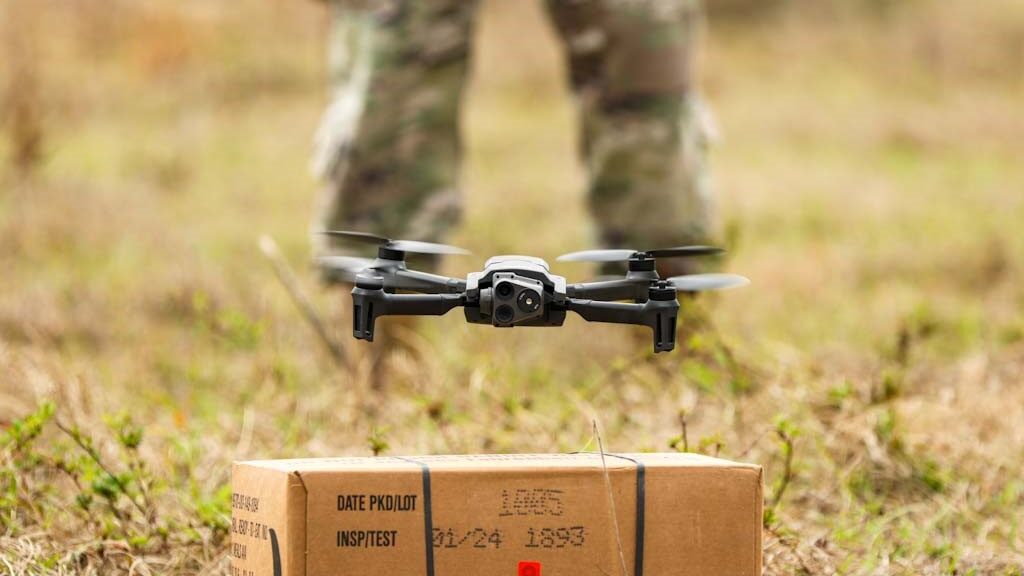
The new guidance also grants service secretaries the power to designate what facilities should have special protections against drone threats.
Instead of waiting until all the tank's fixings meet every requirement, the service wants soldiers in the field to “plug and play” with various hardware and software components, Chief of Staff Gen. Randy George said.