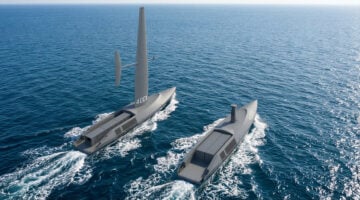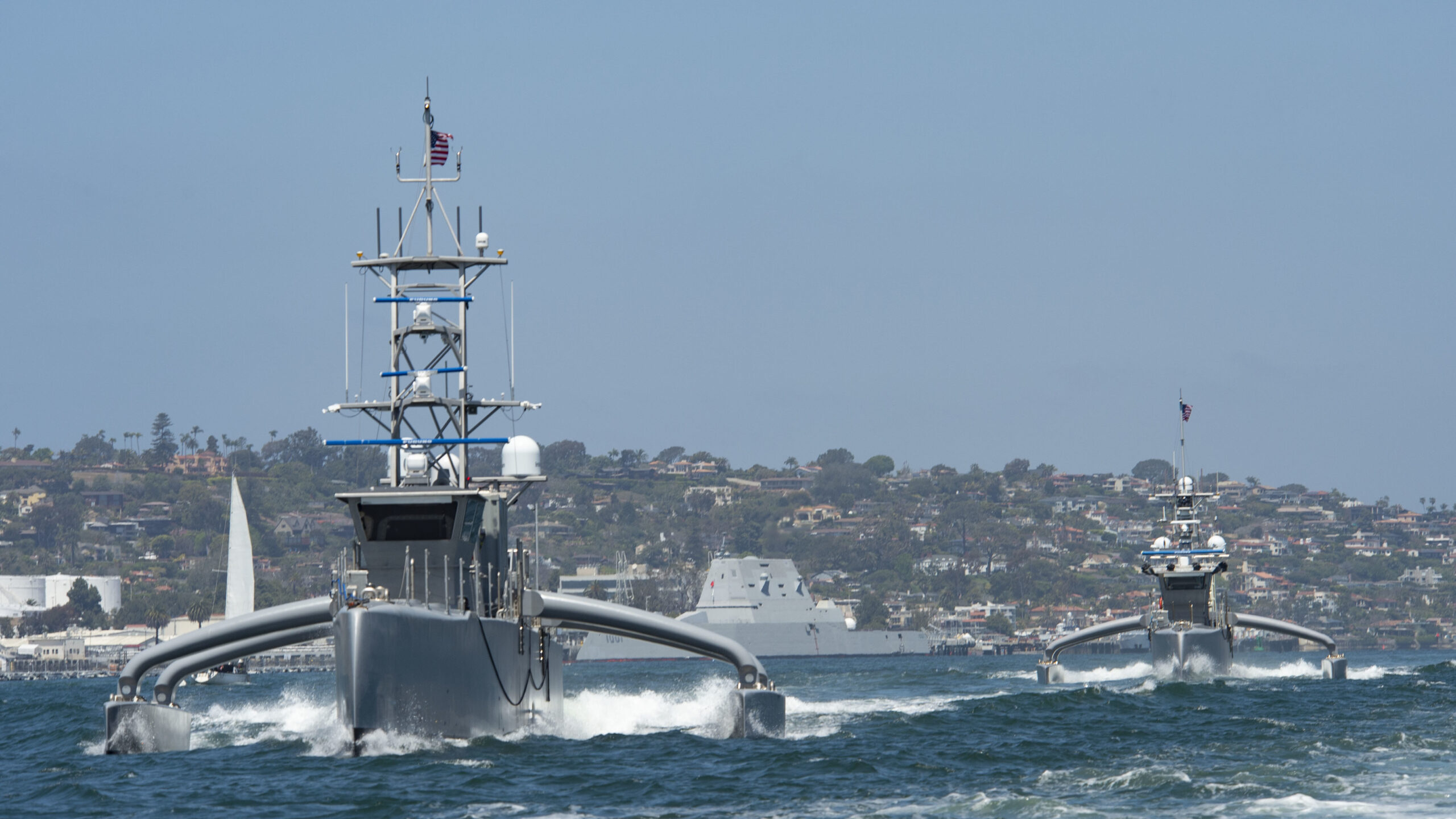
USVs could be ‘alternate options’ for missions for stretched manned fleet: Navy official
USVs are emerging as modular force elements when sending a large combatant ship is too costly or disproportionate.
In this op-ed, Craig Fischbach and Kelly A. Grieco lay out three steps the administration should take to enhance shipbuilding cooperation: expand MRO, establish a mine countermeasures pact with Japan and outsource Arleigh-Burke production.
Ship counts were clearly on the mind of US Navy officials this year as they made numerous plays to bolster the fleet in novel ways.
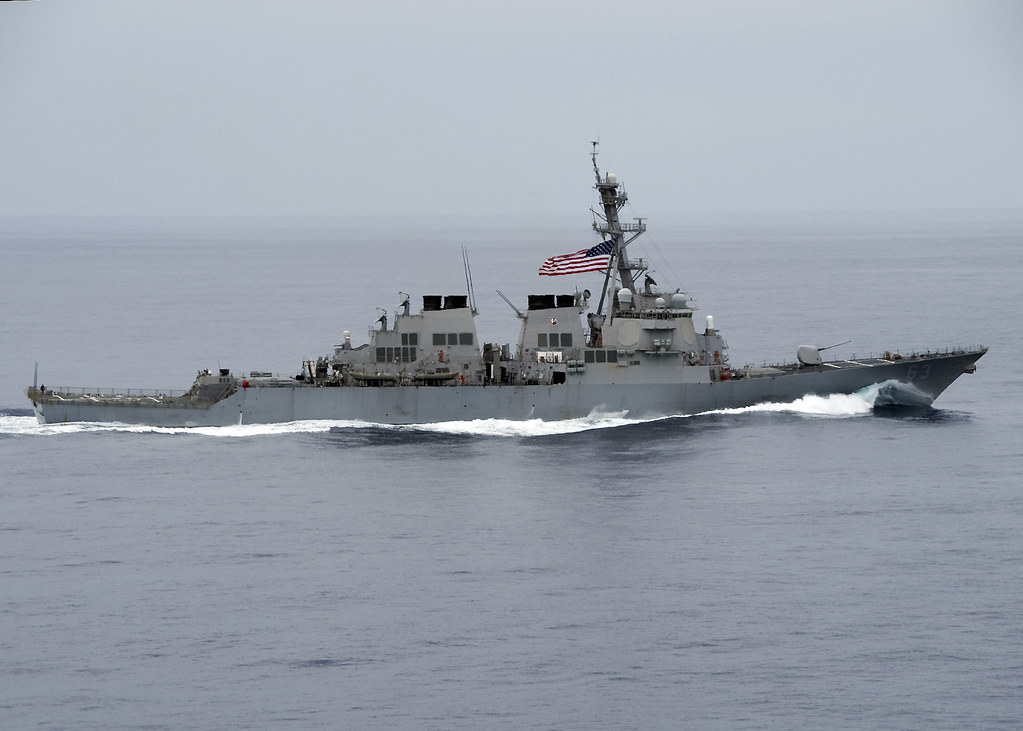
The decision follows a similar one last year to extend the service life of the Arleigh Burke (DDG-51).
The amendment to break congressionally-mandated spending caps, offered by Sen. Roger Wicker, the committee's top Republican, led SASC Chairman Jack Reed to vote against the bill.
The contract is part of a larger deal, cumulatively worth $3.2 billion, the Navy and Raytheon inked in 2022.
The NDAA easily passed and now heads to the Senate.
Join us 6/24 as experts discuss evolving US research security policy and innovation protection. 1 CPE credit eligible.
A committee aide said the Navy is "playing a dangerous game" when it includes major battle force ships on its unfunded priority list.
“We are going to do a live-fire offensive exercise,” Rear Adm. Jim Aiken, Carrier Strike Group 3 commander told reporters Tuesday. “We are going to use the unmanned surface, unmanned air, and manned air and surface to provide a targeting solution.”
"We've done about all we can do with this ship and we've maxed out the space, weight, power and cooling,” Rear Adm. Paul Schlise said. "It's time to reset to a new large surface combatant."
"We have ample margin for this hull form," said Capt. Kevin Smith, the Navy’s frigate program manager. "Some of those could lead to direct energy type projects and other capability. But right now, just as an example for weight, we have at least 100 tons of margin for future upgrades."