
Securing the Asia-Pacific digital battlespace: TechNet Indo-Pacific 2026
From electronic warfare threats to coalition data sharing, discover how US and allied forces are strengthening the digital battlespace across the Indo-Pacific.
From electronic warfare threats to coalition data sharing, discover how US and allied forces are strengthening the digital battlespace across the Indo-Pacific.

Congress will need to approve the change, but there are internal, bureaucratic steps Hegseth is directing that should increase the SOF community's power inside the department.


Architecture that linked sensors, C2, RF effects, and lasers into a distributed c-UAS kill chain.
“It's literally fly it as close as you can between those two fence posts because you might have to hit a high value target that way. And, if you crash 10 of them until you can get [number] 11 through, do it,” Army Material Command’s Jon Strzelec told Breaking Defense.
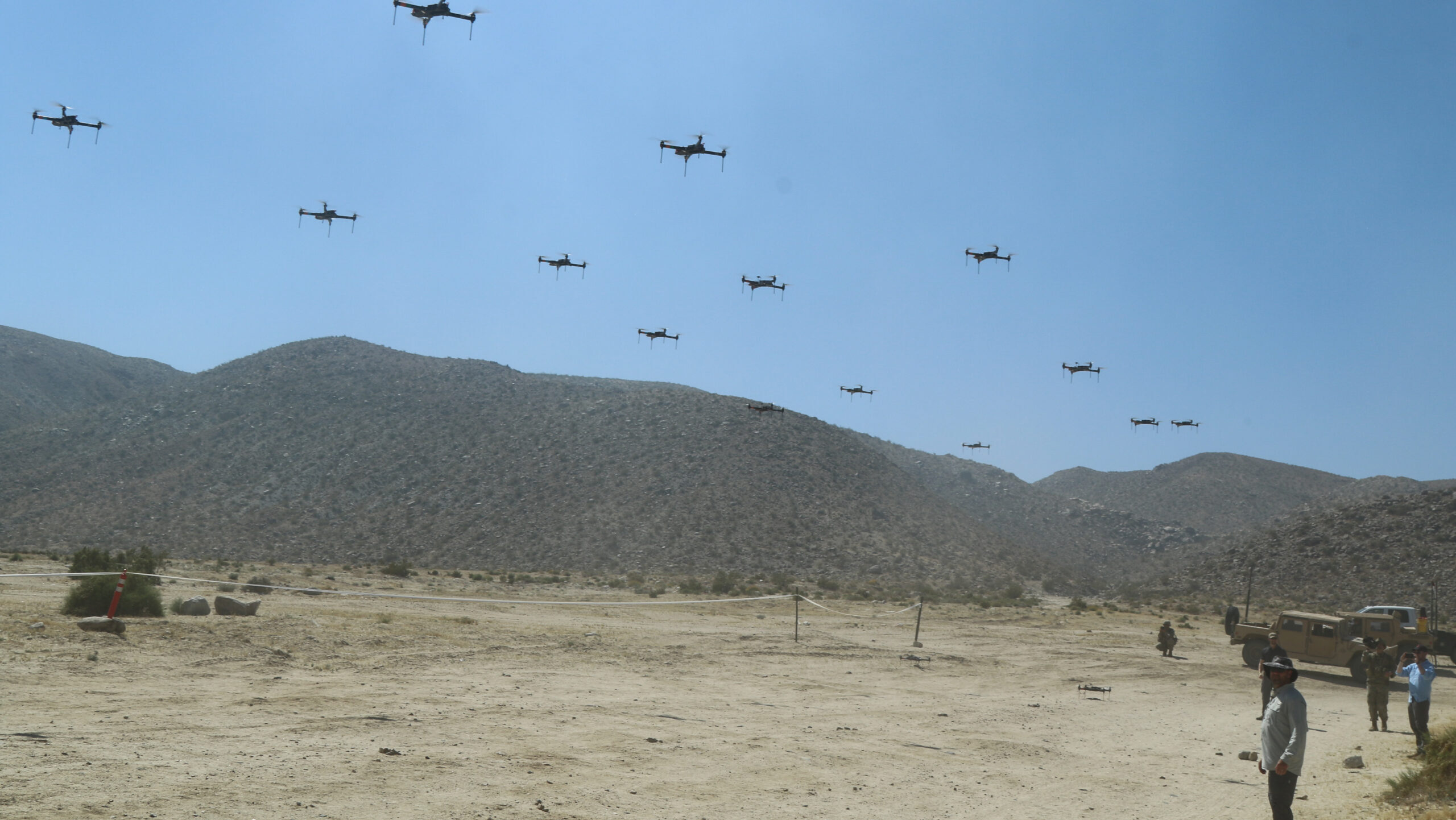
The US military should focus on building drones that evolve so quickly an adversary's defenses become obsolete before they can be deployed, two Air Force officers argue.
Breaking Defense kicks off a new video roundtable series about the future of missiles and missile defense.


Closing the gap for space systems, EW and counter-UAS production.


Lithium-metal batteries are one way to break the weight and endurance limits of today’s unmanned systems.
Breaking down stovepipes, managing data and enabling better decision making are key components of the Army’s NGC2 plan.

The introduction of two new classes of landing craft would introduce capabilities that the Australian Army has not operated in recent times, an expert told Breaking Defense.

The move "comes amid broader efforts to stabilize the region and potentially establish a new regional security architecture based on greater regional ownership and responsibility," according to defense analyst Ali Bakir.

Super Ice is comparable in size to the US-made Tomahawk missile.

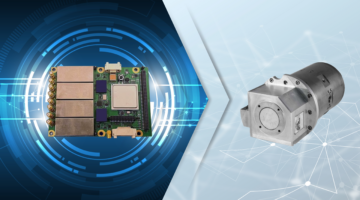
How a product-driven approach can accelerate technology delivery and get proven capabilities to warfighters faster.
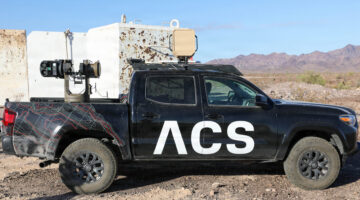
The announcement comes amid the Pentagon's growing interest in laser weapons, which use concentrated beams of energy to heat and destroy targets.
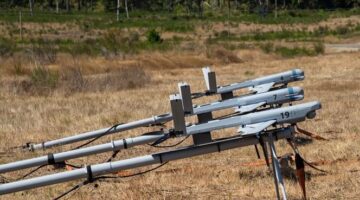
In line with Defense Secretary Pete Hegseth’s 2025 Drone Dominance memo, the Army was directed to provide each headquarters division and multi-domain task force with launched effects.

Proponents of "right to repair" say it will allow troops the ability to fix equipment in the field without needing to reach back out to a contractor, but industry is raising concerns about intellectual property.
Catch up on the conference’s biggest stories, Army priorities and industry developments in our AUSA 2026 after-action report. Download it free, with no registration required.