
Canada, Ukraine to jointly produce defense tech, part of ‘100-year partnership’
Ottawa also pledged to invest approximately $350 million to purchase air defense interceptors via the Joint Ukraine Multinational Program, also known as JUMPSTART.
Ottawa also pledged to invest approximately $350 million to purchase air defense interceptors via the Joint Ukraine Multinational Program, also known as JUMPSTART.

The new drone order "shows that Poland is moving from a country that purchased defense equipment worldwide to [now being] a producer as well,” said Poland’s Minister of National Defence Władysław Kosiniak-Kamysz.

From AI adoption and agentic systems to Zero Trust and cyber resilience, Breaking Defense’s latest eBook brings together key reporting from DoDIIS 2026 on the technologies and strategies shaping the future of defense intelligence.
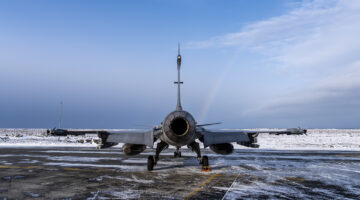
The contract is just the first step in a broader MoD plan to develop a secure Arctic communications grid.
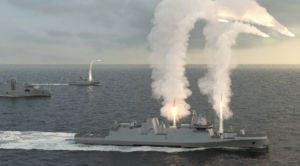
The German GMF 140 is envisioned to integrate US-sourced radar options, hypersonic weapons and ballistic missiles, the AEGIS Combat System, and 64 Strike-Length Vertical Launch System cells.
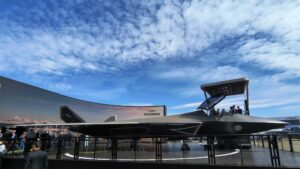
Lorenzo Mariani said the sixth-gen fighter could enter service two years ahead of its 2035 target date, but only if some requirements for the "initial version" were altered.
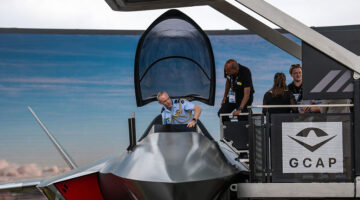
Official announcements were circumspect about any active role for Ottawa in the sixth-gen fighter program, but that could change.

Dwindling stockpiles and lessons learned from Ukraine and Iran are driving urgent needs for revamping manufacturing.

Japanese defense chief Shinjiro Koizumi said Canada's new involvement in GCAP was "monumental."
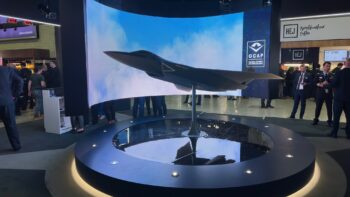
David McGuinty said Canada's planned F-35 purchase is still under review and will remain so “until we take the time to get it right for Canadians.”
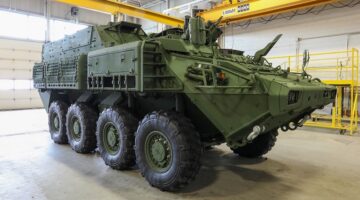
The partnership will grow Canada’s fleet of ACSVs from 360 to 550.
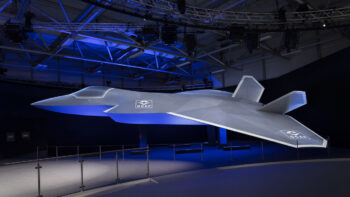
While Ottawa previously confirmed its first order for 16 Lockheed Martin F-35s, it has spent the last year reviewing its future fighter jet fleet options.

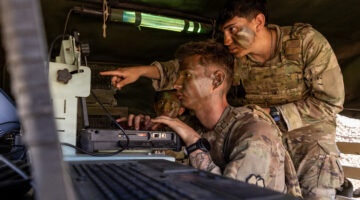
Lightning Surge exercises are turning soldier feedback on NGC2 into operational software changes in days, not years.
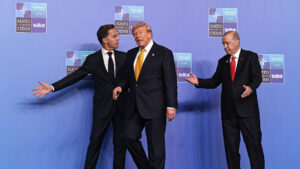
From deep strike funding to a relatively tame Trump, what emerged from the event will have largely pleased most of the 32 allies.
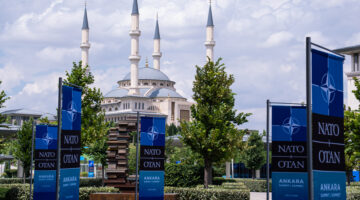
The network will involve Denmark, Canada, Finland, Germany, Norway, the Netherlands, Sweden and Turkey.
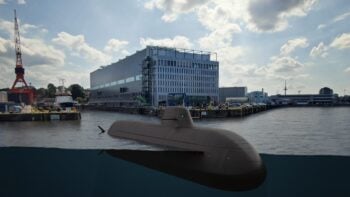
The planned purchase will be groundbreaking for Canada’s naval capabilities, as the country has not acquired newly built submarines in over 60 years.
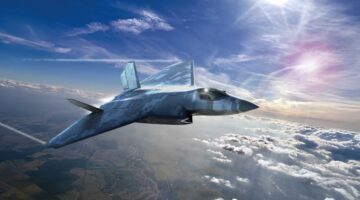
David McGuinty called the Global Combat Air Programme a "promising initiative."