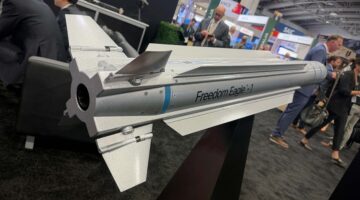
Missiles, drones and air-defense weapons galore: Images from AUSA’s final day
AUSA's Annual Meeting and Expo in Washington winds down with an appearance by the defense secretary.
AUSA's Annual Meeting and Expo in Washington winds down with an appearance by the defense secretary.
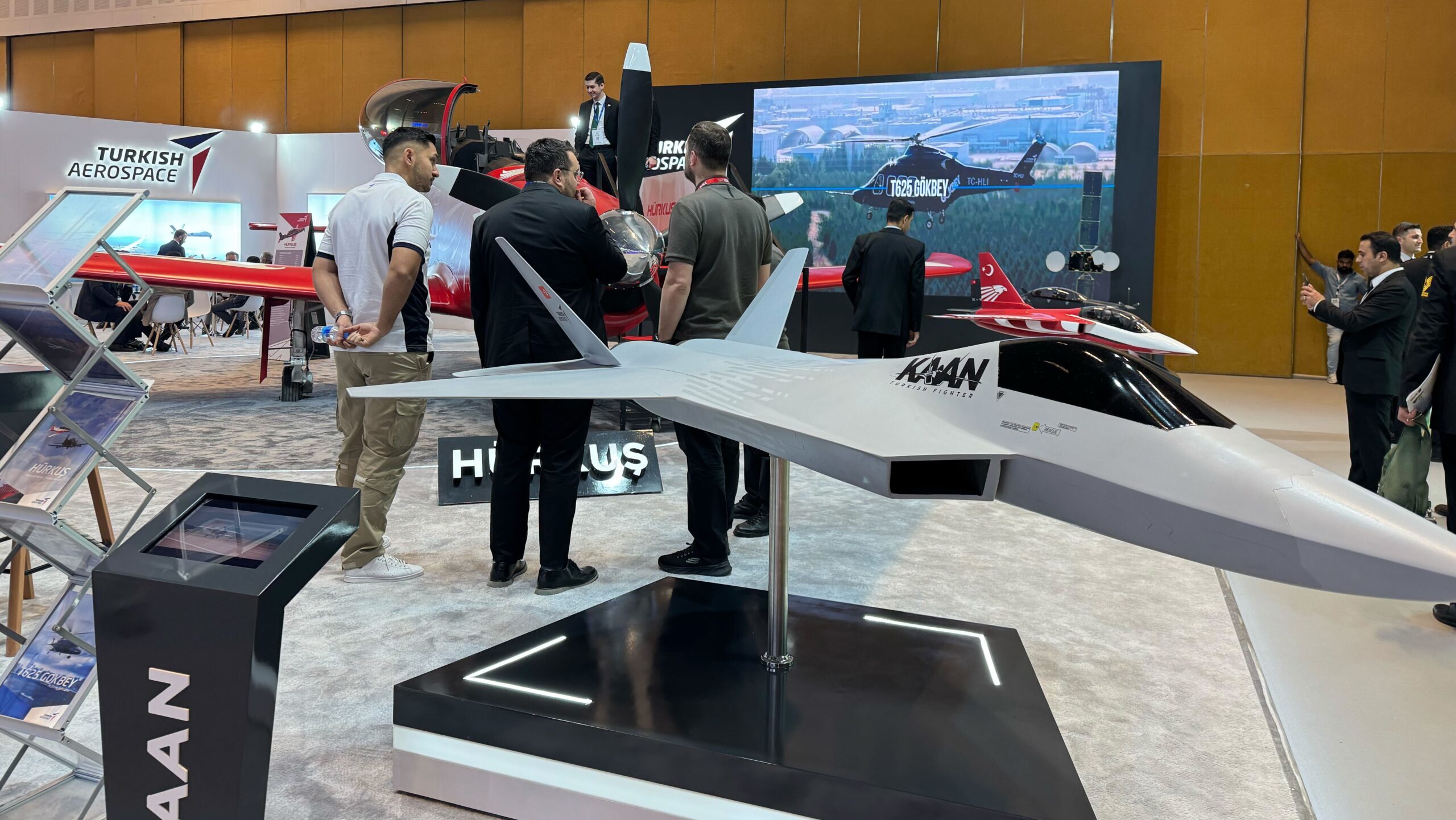
“The rest is standard procedures. So we can say yes, we have the export license for the engine. We will work with GE folks to get the engines in time, and since it is for the serial production, which is at least two and a half years away, we will have no issue receiving those engines in time to support our serial production for Turkish Airforce,” Mehmet Demiroglu told reporters.

AI is reshaping the Army’s approach to cyber, electronic warfare and command and control. At TechNet Augusta 2026, leaders outlined how they’re turning emerging technology into capabilities for the battlefield.
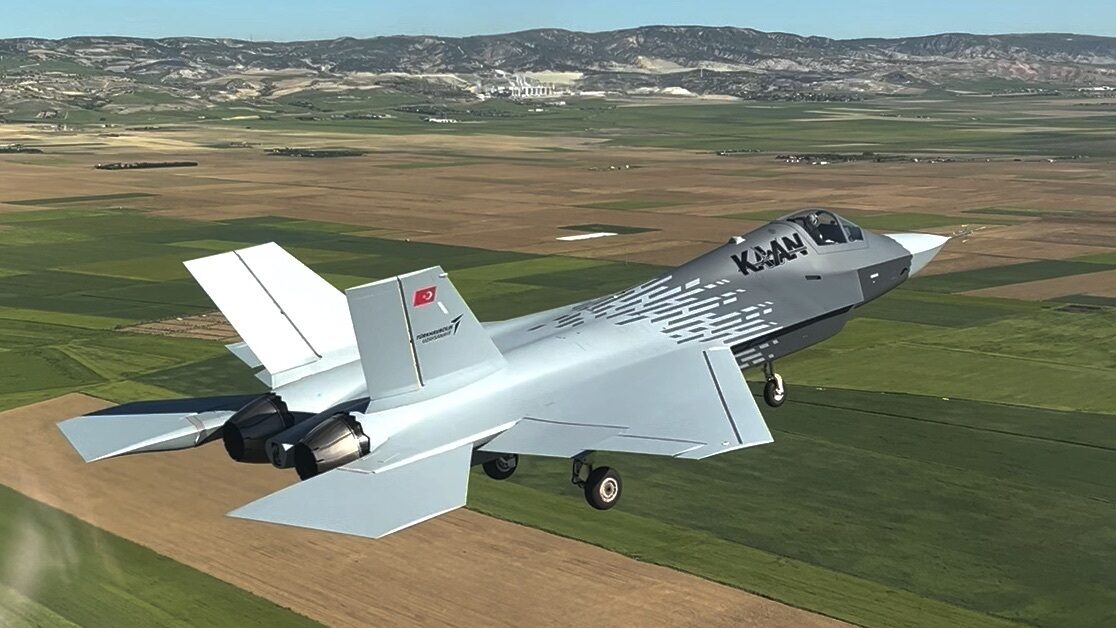
“The initial sale was made for the first batch of 20 Block 10 aircraft. This is the first order. Over time, we expect the numbers to increase,” Turkish Aerospace CEO Mehmet Demiroglu told Breaking Defense.
“We don't want to do all the development, we want to do the procurement. We want to buy it for the long term, so that that's where we're going back to the manufacturers and having negotiations about, how do we best position the development so that it's not all on the government," Maj. Gen. Clair Gill, PAE of Maneuver Air, said.
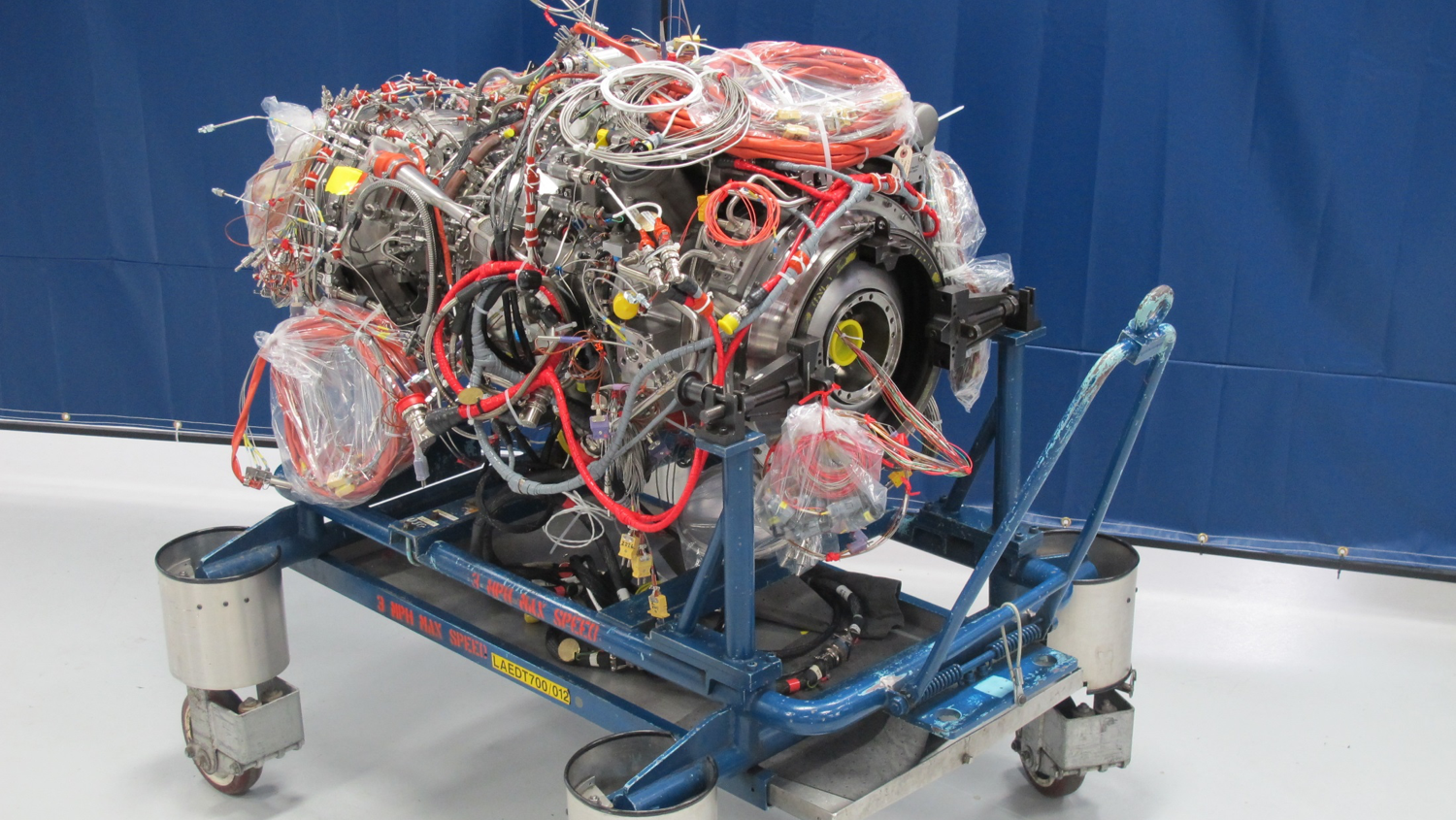
After the president’s FY27 budget request zeroed out funding for the new engine, GE said more money is needed to finish qualification testing.
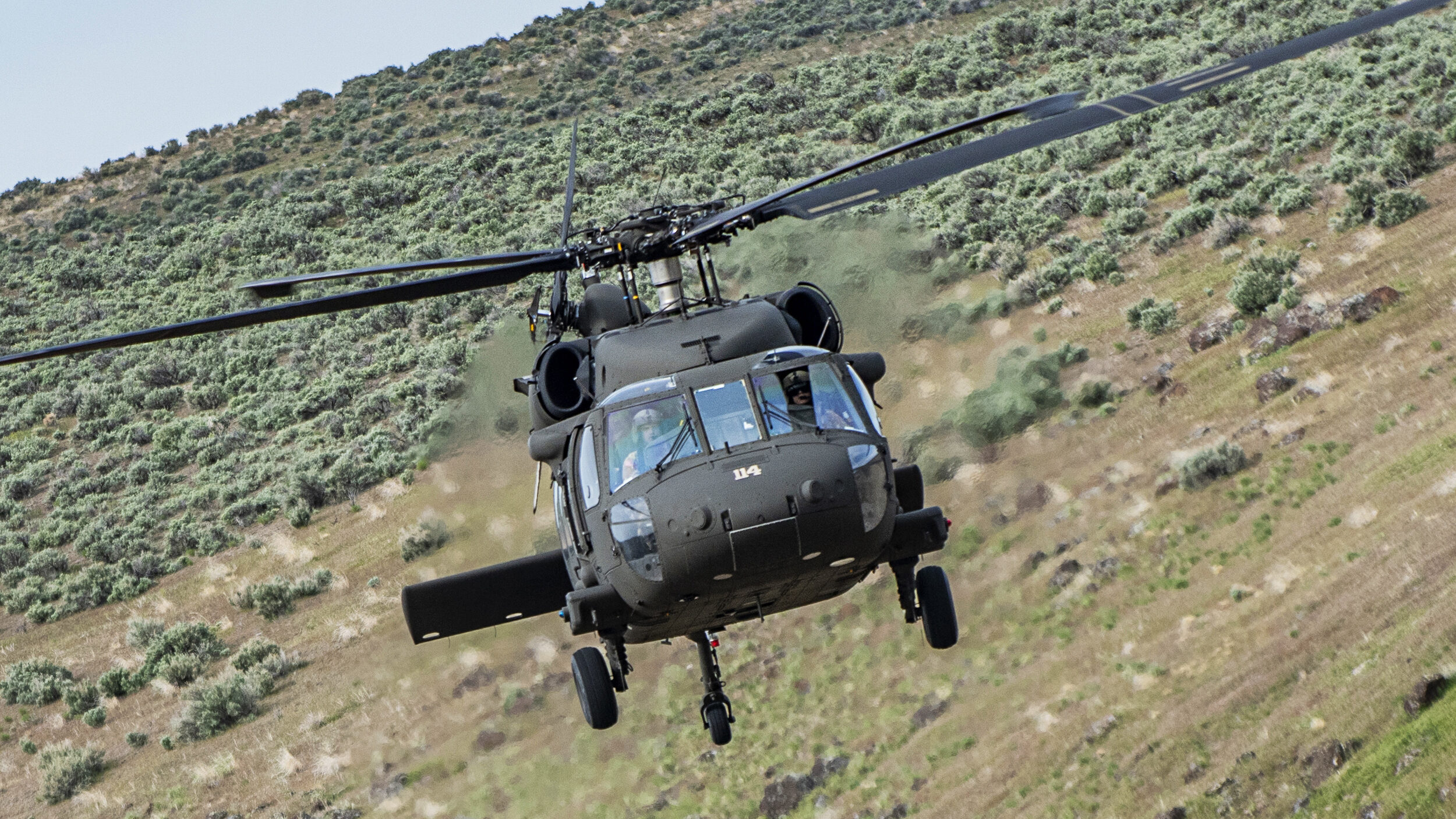
The engine was originally scheduled to be delivered in 2022, but after years of delays due to supply chain issues triggered by the COVID-19 pandemic along with trouble with manufacturing advanced parts, delivery has still not occurred.


Architecture that linked sensors, C2, RF effects, and lasers into a distributed c-UAS kill chain.

KAAN flight tests currently feature General Electric's F110 turbofan engine, but Ankara has long prioritized a local alternative to reduce dependency on overseas suppliers.

The breakup of General Electric into three new companies signifies a new age for one of the two major US aviation engine manufacturers.
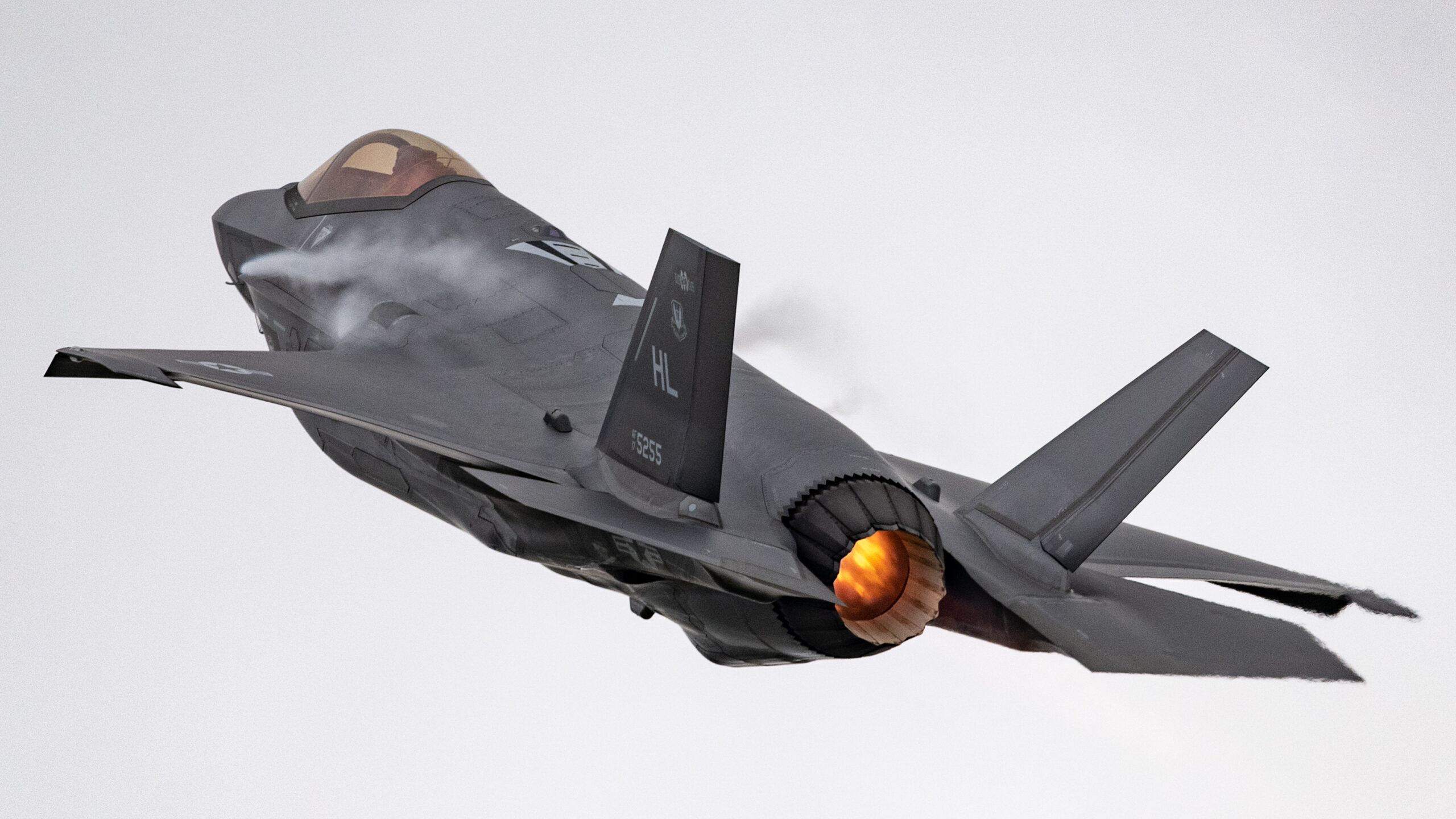
After rancorous debate, a new engine for the stealth fighter was already in doubt, but legislation released by congressional appropriators today seemingly puts the issue to rest.

“Like all programs, the continuing resolution has the potential to have an impact. We have not worked through all the details if we had a sequestration scenario,” Pratt & Whitney's Jennifer Latka said about a stalled budget on Capitol Hill. “What I know now is that our schedule is on track, that we have identified funding to continue, and that’s not to say that that situation cannot change.”

"Being able to tell the commander you don't need to do something is actually a pretty powerful message, as well."
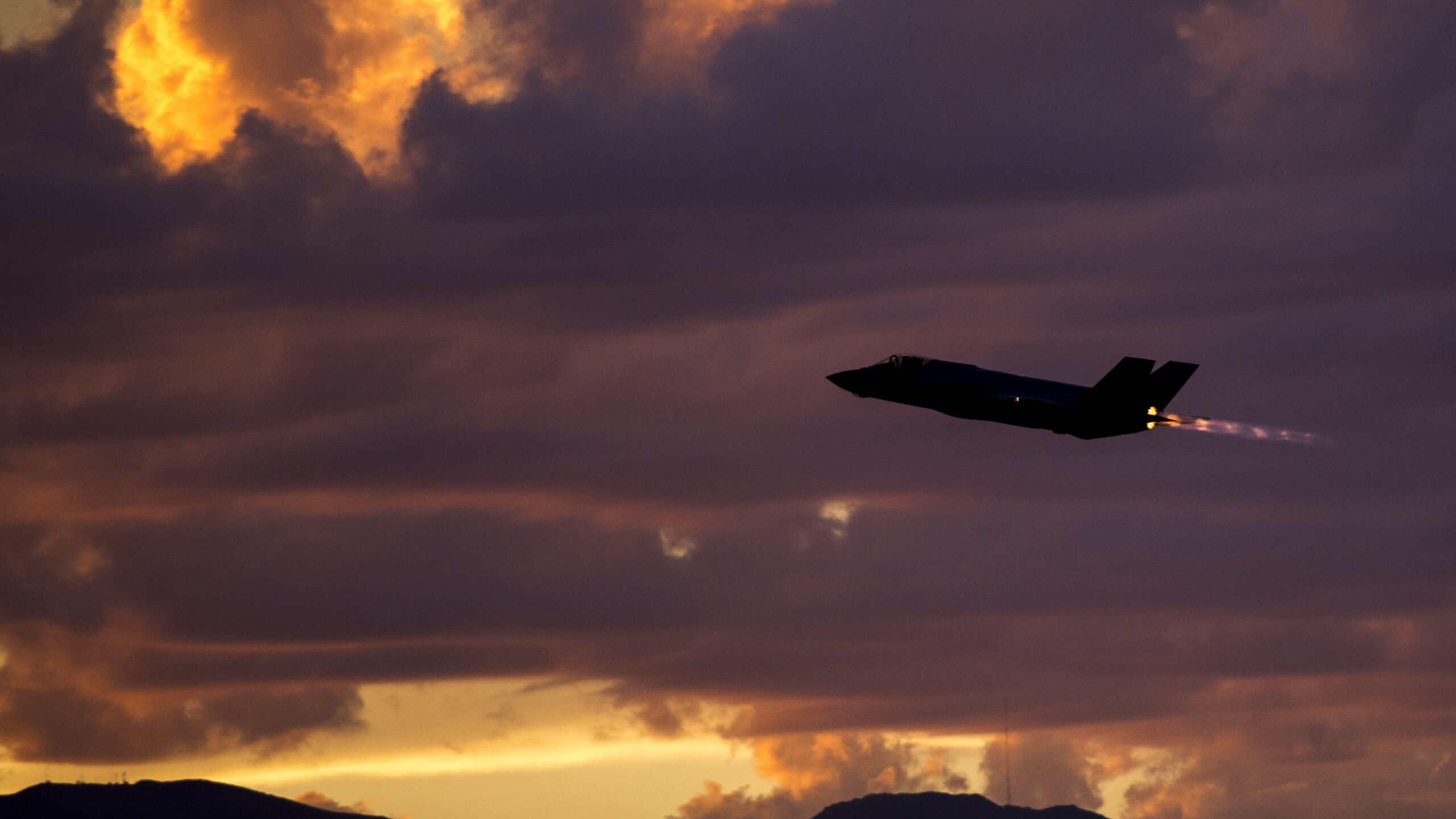
"How in the hell do you lose an F-35?"

“Our objectives really are continuing to mature adaptive engine technology for a variety of platforms to continue to keep the industrial base healthy and strong,” said GE Aerospace’s David Tweedie.
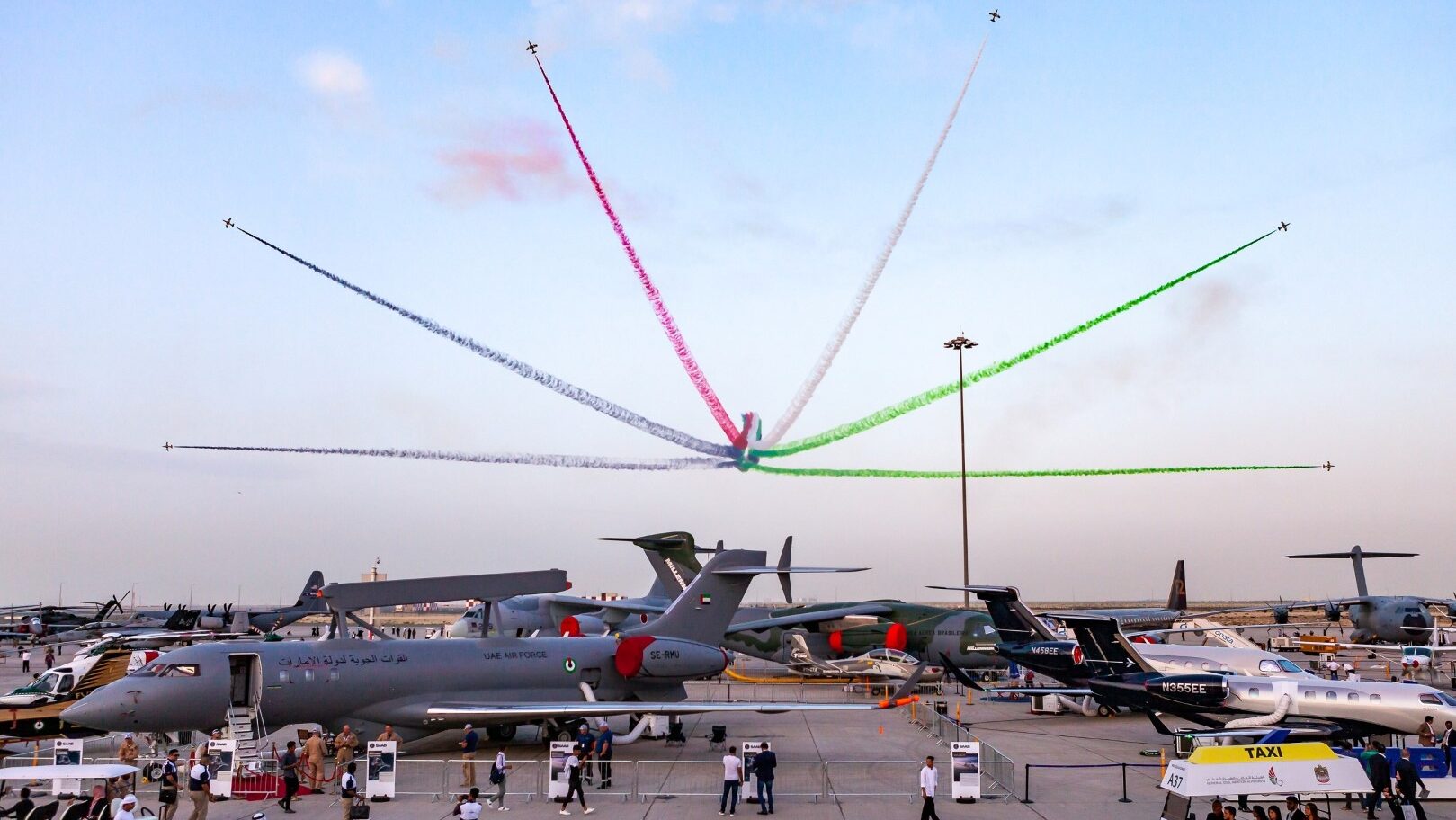
“It feels a little like the uncertainty around COVID, but no companies are pulling out,” Eric Fanning, President and Chief Executive Officer of the Aerospace Industries Association, told Breaking Defense.
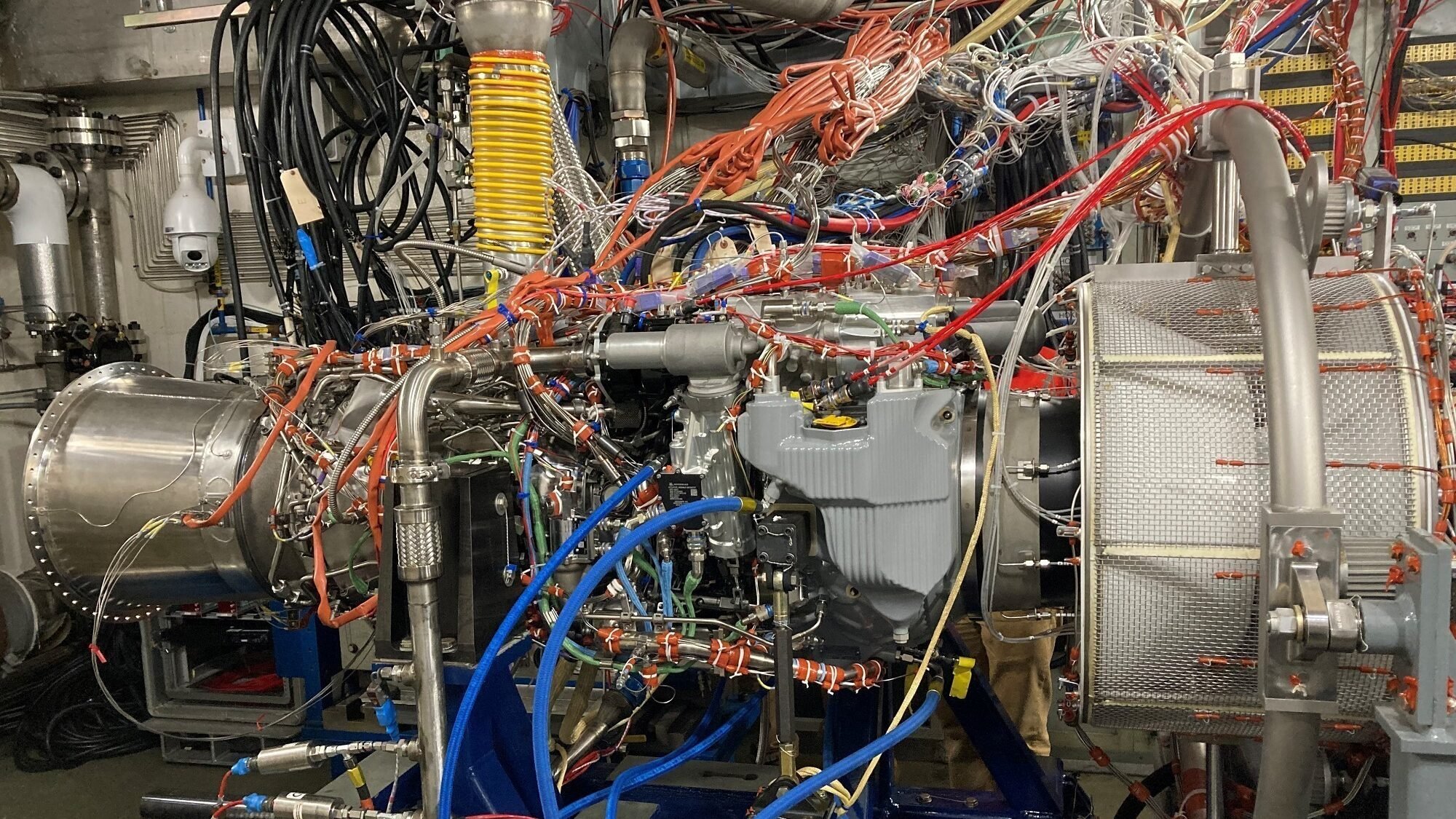
“Both engines are on-track to be delivered by the government to the Future Attack Reconnaissance Aircraft (FARA) competitive prototype vendors by the end of October 2023,” the Army wrote in a press release today.