Riyadh gets closer to F-35s, Damascus presses sovereignty and an expert take on Iran
Middle East Bureau Chief Agnes Helou reviews top news from the region before speaking with defense analyst Ryan Bohl.
Middle East Bureau Chief Agnes Helou reviews top news from the region before speaking with defense analyst Ryan Bohl.

In the face of authoritarian oppression, a US-made information warfare tool set could enhance the lives of those living in restrictive countries.

Threats have changed the range, seeking and attack capabilities necessary to ensure effectiveness.
The Congressional Budget Office reported it would take "at least five years" to rebuild American munitions inventories.
Operation Epic Fury has "resulted in strategic inventory shortfalls" of key munitions, Pentagon officials told investigators.

The Hudson Institute's Daniel Kochis argues in this op-ed that Russia must remain convinced that America’s presence, combined with European NATO members’ firepower, is enough not to risk a direct confrontation.
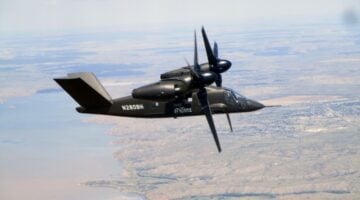
The request would also reroute money destined for an international counter-ISIS training program.


Architecture that linked sensors, C2, RF effects, and lasers into a distributed c-UAS kill chain.
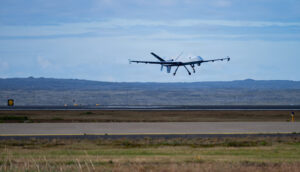
“There's no doubt if we try and pursue the exact same approach that we had with things like the MQ-9, we're going to get something that costs about the same as an MQ-9,” said Air Force Lt. Gen. Christopher Niemi.

Middle East Bureau Chief Agnes Helou recaps leading developments from the region before speaking with Dubai-based analyst Riad Kahwaji.

There is a lot of business awaiting the House and Senate when they return to Washington.
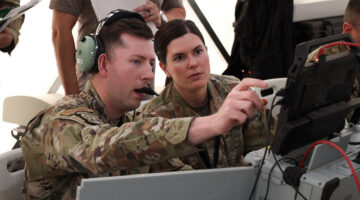
“We have to be more agile and mobile and we need a case that is carriable by one person and can be run by one or two people," Brig. Gen. Jeffrey Phillips told Breaking Defense.


A decorated combat aviator and biotech CEO advocates preparing for novel viral threats before the next crisis.
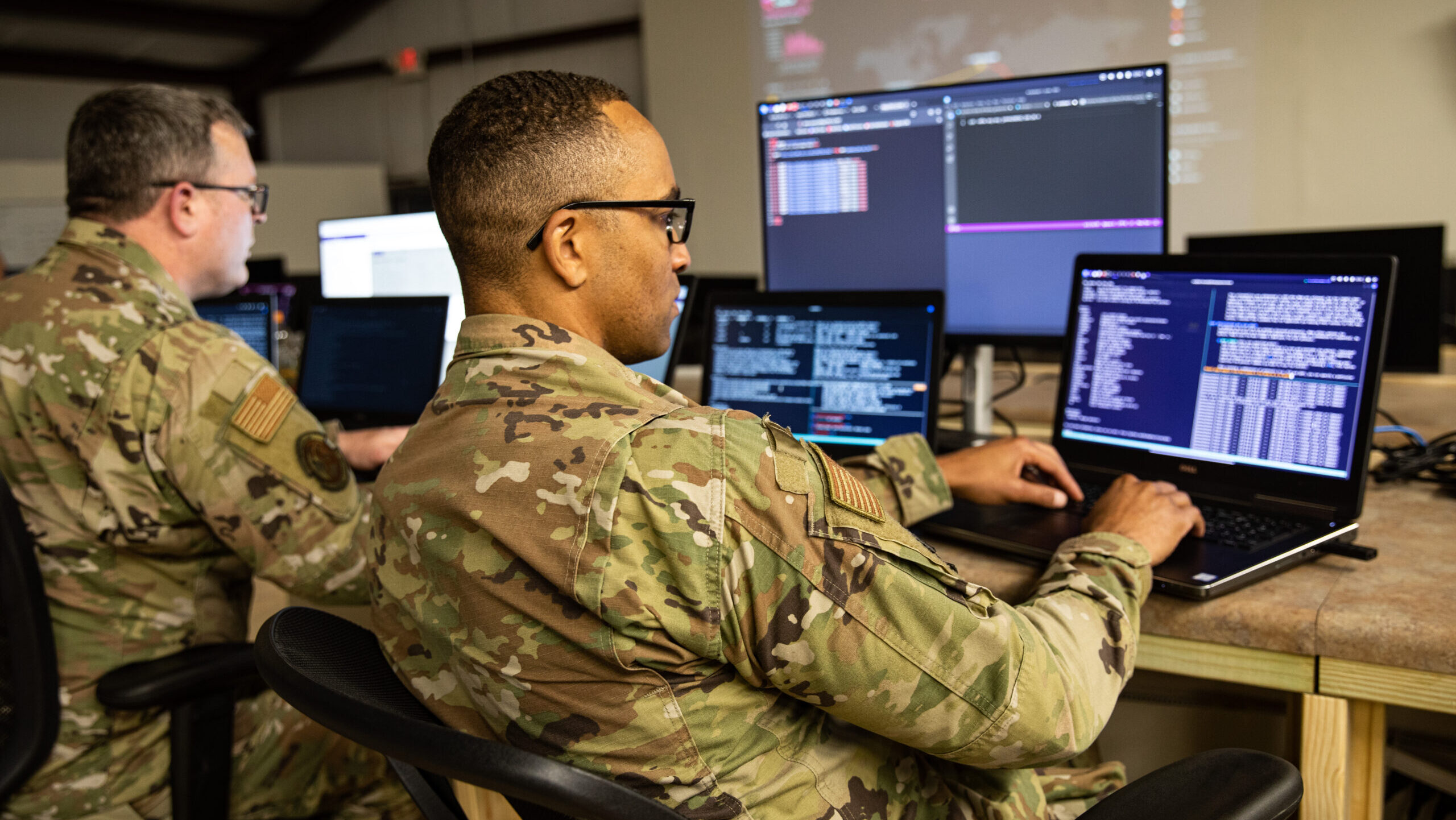
“Over the past five months, the teams have really been able to hone their skills based on the work they're doing inside of a live environment and I think we're getting better and better every day because of that," the ARCYBER commander said.
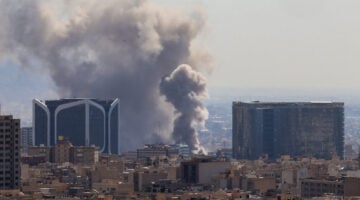
From AI integration to the economics of air and missile defense, Chinese military commentators are paying especially close attention to the US-Israel war in Iran.
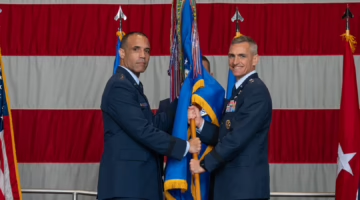
In what was a scheduled change-of-command, Lt. Gen. Daniel Lasica will now lead US Air Forces Central at a consequential time for American forces in the Middle East.
We review a few final insights and observations from this year's Farnborough International Airshow.