The president doesn’t need a one-trick Army
In our high-tech, fast-moving world, the US Army should stop optimizing for prediction and start optimizing for uncertainty, argues this retired one-star general.
In our high-tech, fast-moving world, the US Army should stop optimizing for prediction and start optimizing for uncertainty, argues this retired one-star general.
The chief of the Army's Space and Missile Defense Command shares more from our recent interview in Huntsville, Ala.

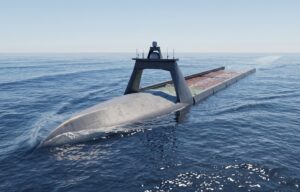
Systems that can work independently while still being part of a unit are critical to carrying out multi-domain operations.
EDGE said that the center will provide "specialised services" to both the Brazilian army and federal institutions, including for training, cyber incident response, and the "development of advanced cyber defence capabilities and solutions."
Up to $2.2 billion could be distributed among the handful of vendors.
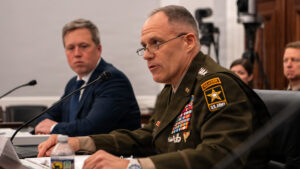
The Pentagon is attempting to "lock in" LaNeve's nomination for the next Army Chief of Staff amid lawmaker concerns and the potential departure of the service's secretary.
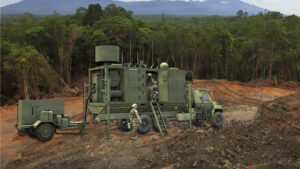
The Army originally envisioned a larger, bespoke capability, but Mark Saxon, deputy project manager for Electromagnetic Warfare & Collection, told Breaking Defense the battlefield has changed.


A commitment to long-term operational value.
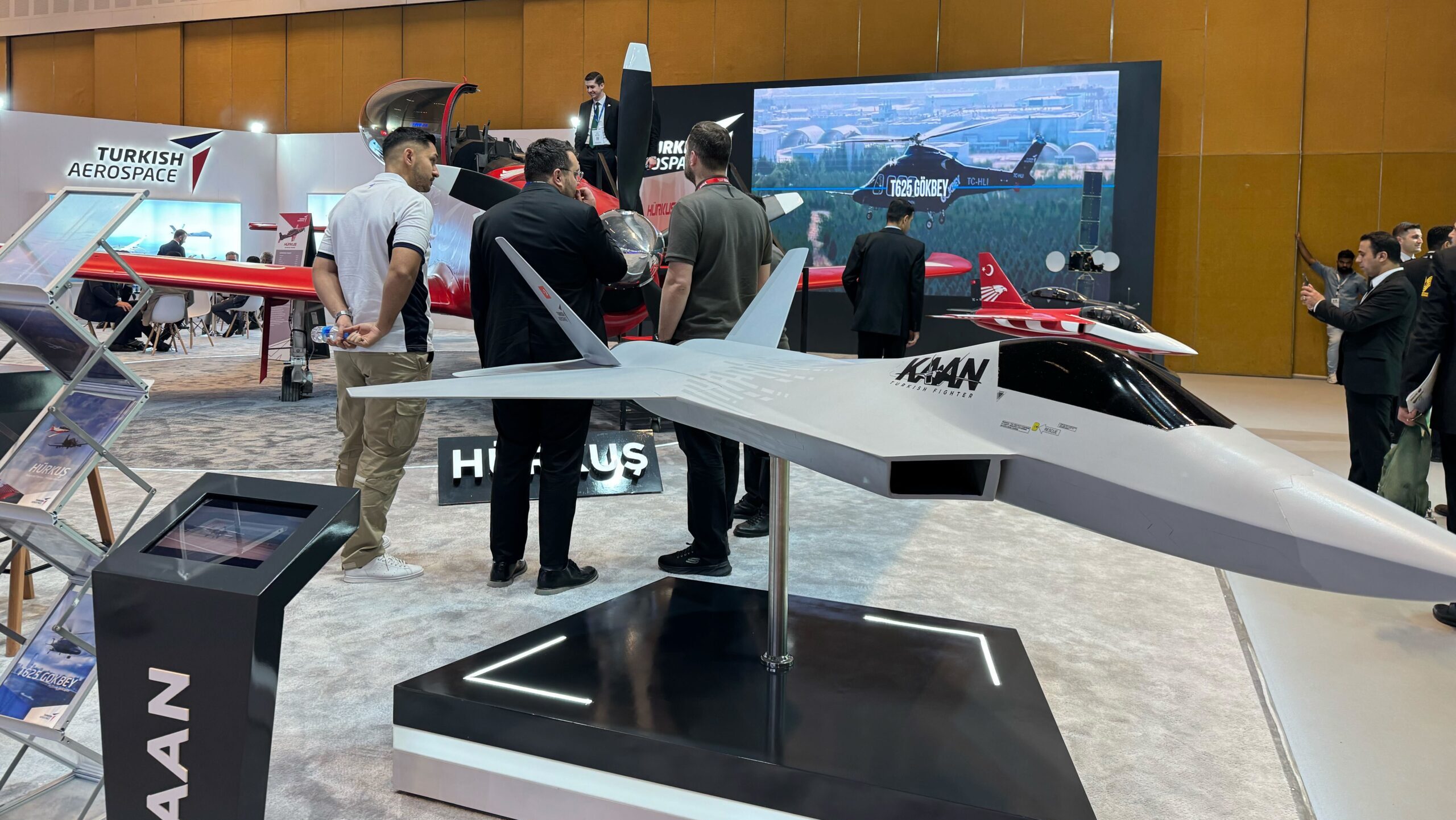
“The Mecca Pact should not be viewed simply as an arms-export agreement. It is much broader," one expert told Breaking Defense.
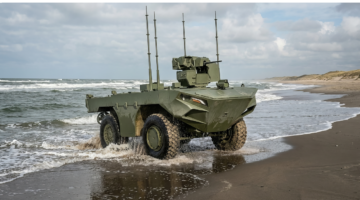
“İ-ZAHA [is] designed to take the crew out of the first wave which is the highest-risk phase of any amphibious assault and to operate as part of a manned-unmanned team (MUM-T) with the Marine Assault Vehicles (MAV) already in service with the Turkish Naval Forces Command,” FNSS said in a statement.
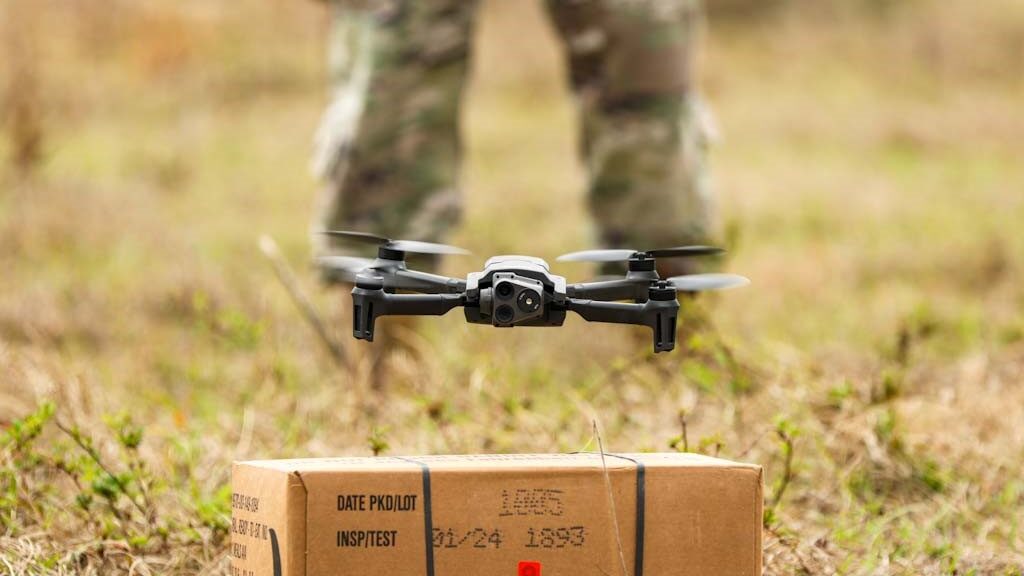
A promising demonstration could result "in a purchase order that allows us to start building the production lines to get these systems into the field,” said Army Brig. Gen. Matt Ross, director of the Pentagon’s JIATF-401.
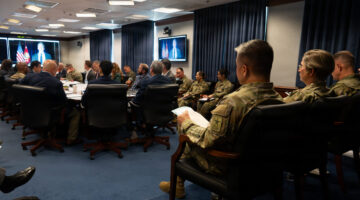
Dedicated funding is key, according to the Army's principal cyber advisor, because the service's cyber command cannot fund AI work strictly from their operational budget.


As threats continue to evolve, speed will increasingly depend on what is already available when the need emerges.
A brief chat with the chief of the Army's Space and Missile Defense Command.
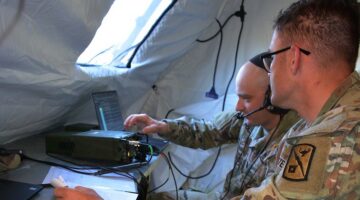
“It’s a big ask,” acknowledged Maj. Gen. Denise McPhail, chief of Army Network Command, but it could allow NETCOM to “leverage AI in that model to understand our vulnerabilities, where our gaps are.”
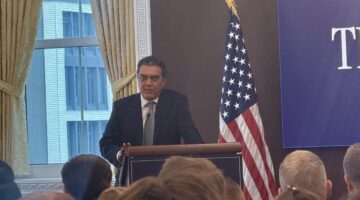
“The cavalry arrived here to meet your cavalry in private industry to make sure that we are not drone sufficient, from parity, but drone dominant,” Pentagon R&E chief Emil Michaels said.
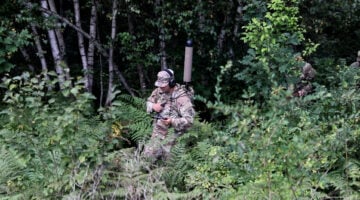
Army wants to field commercial EW systems to forces fast.