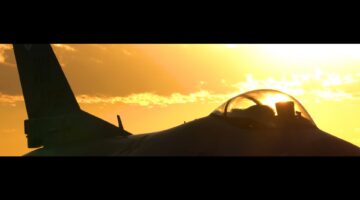
The still-formidable F-16 will be even more capable with better electronic warfare
A Viper modernization that includes EW, radar, EO/IR, and navigation.

A Viper modernization that includes EW, radar, EO/IR, and navigation.

AI is reshaping the Army’s approach to cyber, electronic warfare and command and control. At TechNet Augusta 2026, leaders outlined how they’re turning emerging technology into capabilities for the battlefield.

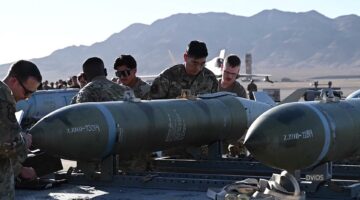
Threats have changed the range, seeking and attack capabilities necessary to ensure effectiveness.


Throttleable systems, boost-phase interception, and new manufacturing capacity expand missile defense options.
A new DoD memo affecting Pentagon contractors, plus tech news out of Georgia.

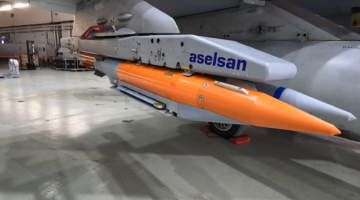
From advanced electro-optics and AESA radars to electronic warfare payloads and precision-guided munitions, ASELSAN is presenting a comprehensive portfolio designed to enhance the effectiveness of next-generation uncrewed platforms.
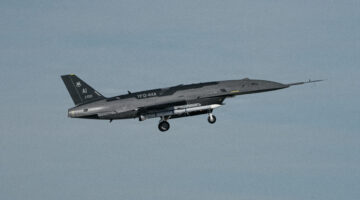
While services test teaming with Collaborative Combat Aircraft, industry faces hard questions.


A decorated combat aviator and biotech CEO advocates preparing for novel viral threats before the next crisis.

"We've seen in Operation Epic Fury, for the first time, that our space capabilities have been targeted and destroyed. We expect that to happen more," Brig. Gen. Christopher Fernengel said today.
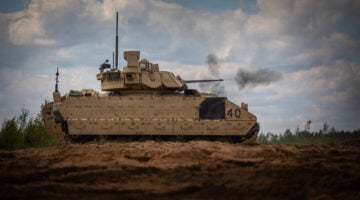
The system uses BAE’s Rapid Optical Observation and Kill (ROOK) program, which takes down threats by “confusing,” or jamming missile systems or drones.

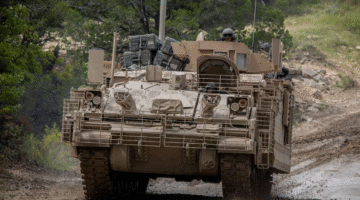
The era of uncontested GPS dominance is over. As counterspace threats and electronic warfare redefine the battlefield, learn how Exail’s Fiber Optic Gyro (FOG) technology provides the high-end stability and autonomous “source of truth” required for land maneuver and precision fires in GNSS-denied environments.
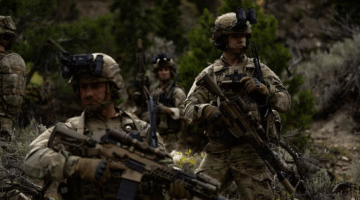
The forthcoming Wraith Shield software update uses the existing antenna to scan for drone control signals, identify enemy ones, and jam them, L3Harris executives told reporters.

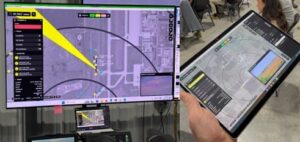
Architecture that linked sensors, C2, RF effects, and lasers into a distributed c-UAS kill chain.
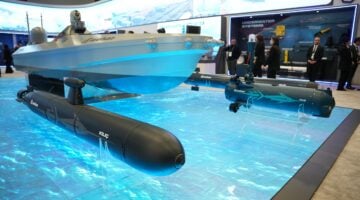
Unveiled at SAHA 2026, ASELSAN’s latest portfolio reflects a layered and integrated defense architecture, bringing together electronic warfare, counter-UAV, airborne and naval capabilities within a unified operational framework.

The Secure World Foundation's annual report also identified a trend towards bodyguard satellites that shadow and defend high-value military and intelligence satellites from adversary attack.
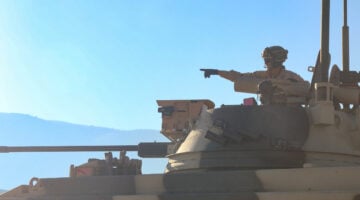
When drones can watch your every move and jammers scramble your communications, you need to keep your battle plans and your org chart simple, say officers from the Army’s National Training Center.

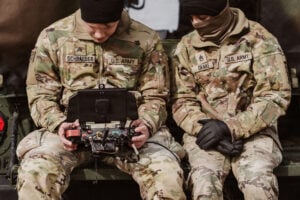
AI, autonomous systems, cyber, and EW converge as industry targets faster battlefield effects.