
From directed energy to AI and hardening, JIATF-401 is widening counter-UAS options
There is no single answer to the drone threat, pushing the Pentagon toward a broader mix of defenses.
There is no single answer to the drone threat, pushing the Pentagon toward a broader mix of defenses.

Boeing’s victory caps a significant turnaround for its defense business, while Breaking Defense reports from western Ukraine on technology and life in wartime.


Manufacturing scale, global sustainment, and next-gen tech are becoming inseparable.
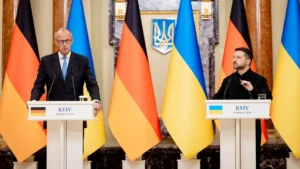
"Russia must know that we will take steps to defend ourselves against any further escalation," said German Chancellor Friedrich Merz.
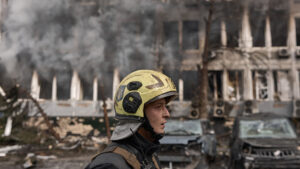
"Naturally, you cannot move everything underground. … So an important aspect is boosting Ukrainian anti-ballistic and anti-drone capabilities, which are already in critically short supply," Kateryna Chernohorenko, Ukraine's former deputy minister of defense for digital transformation, told Breaking Defense.

A splashy promo video published by Mykhailo Fedorov envisions humanoid robots in combat, but not everyone is convinced it's the right play.
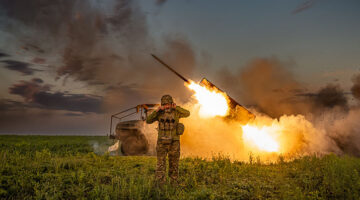
After underestimating Ukraine's forces, the Defense Intelligence Agency adopted a new analytical framework to try and quantify the unquantifiable.

Explore how software, edge AI and resilient connectivity can strengthen military logistics in contested environments. Join Breaking Defense on Oct. 21 and earn 1 CPE credit.
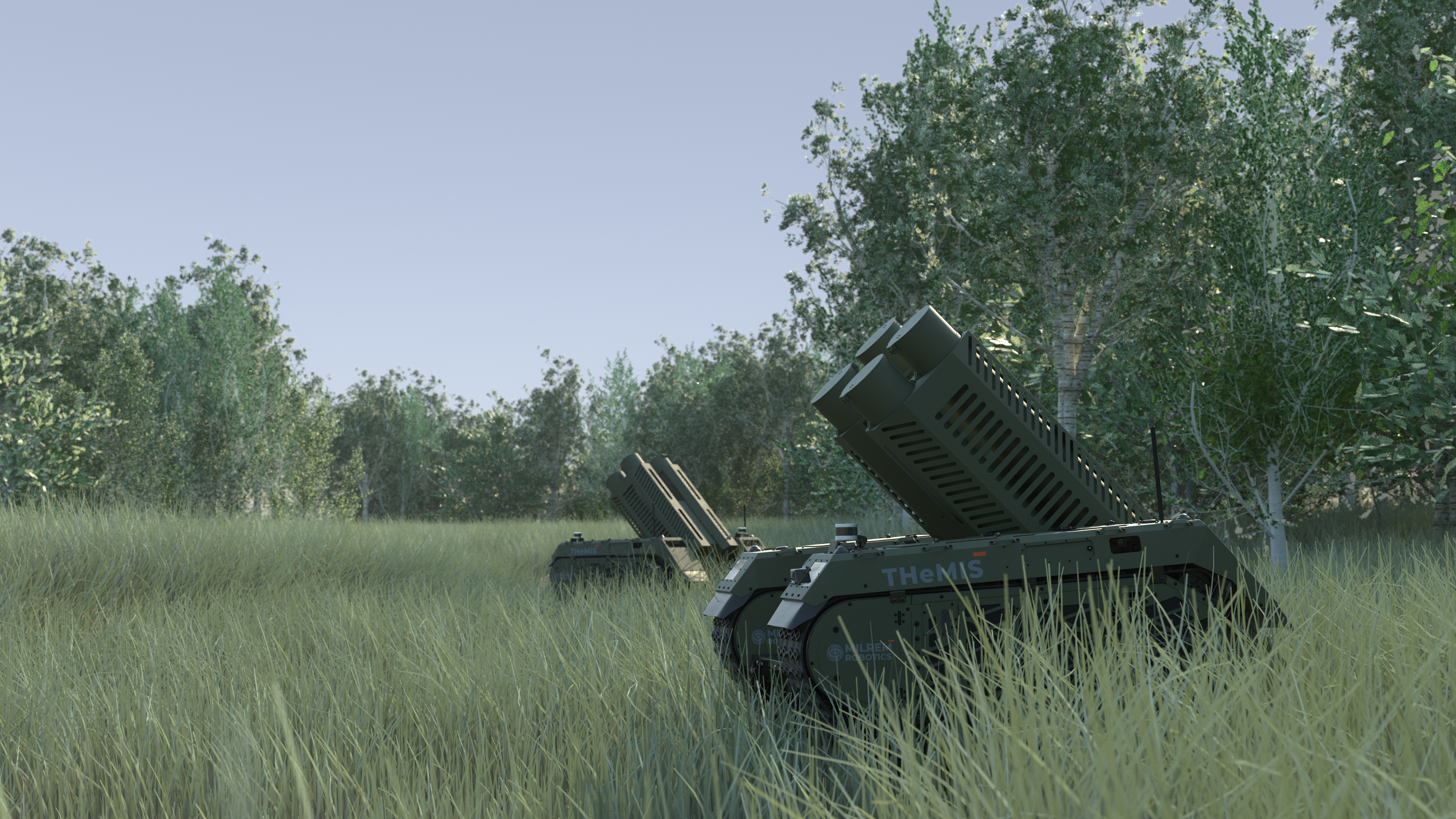
Despite Russia’s ongoing “reckless campaign of hostile actions,” it is “failing to undermine our unity and support for Ukraine,” NATO Secretary General Mark Rutte said today.
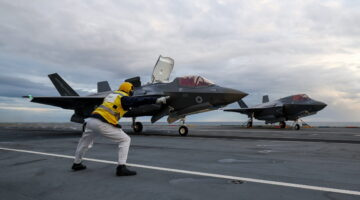
The government warned the Russian "state and its proxies knowingly seek to disrupt businesses and organisations that underpin the British way of life or are vital to the defence of Ukraine."

The drone age did not end armored warfare. It rewrote the terms of survival, and Chinese military analysts are paying attention.
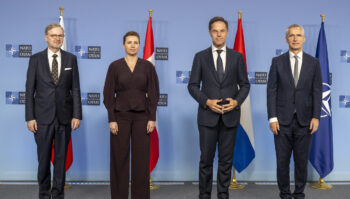
The nine-page document said that although the risk is low, the likelihood of Moscow launching a "limited military attack" is increasing against one or several NATO countries.

AI is reshaping the Army’s approach to cyber, electronic warfare and command and control. At TechNet Augusta 2026, leaders outlined how they’re turning emerging technology into capabilities for the battlefield.
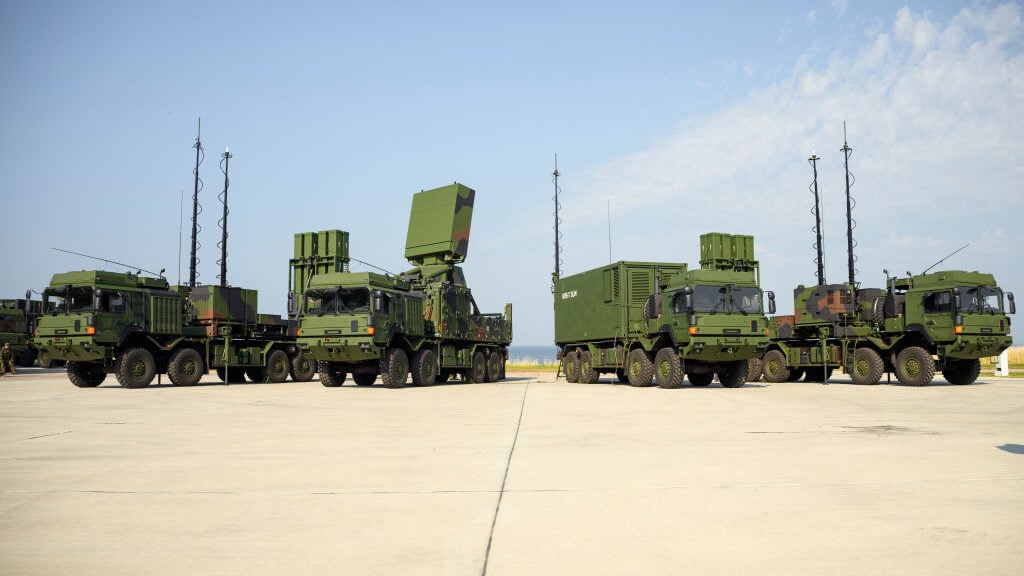
The push comes as German defense firm Diehl targets a first Safety Integrity Level (SIL) firing test of the surface-launched IRIS-T SLX in 2027.
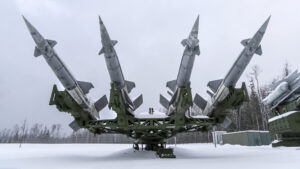
For NATO, reproducibility should become a distinct measure of Russian military capability, driving how the alliance plans for the future.

It's the latest small cruise missile to head to market, as militaries around the globe look to replenish their stocks.
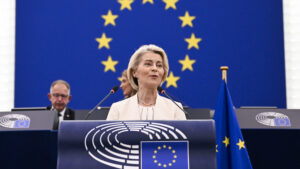
The security protocol could offer a solution when a state faces a significant security threat that is not clearly armed aggression, including cyberattacks, the severing of undersea cables, or the protection of critical infrastructure.