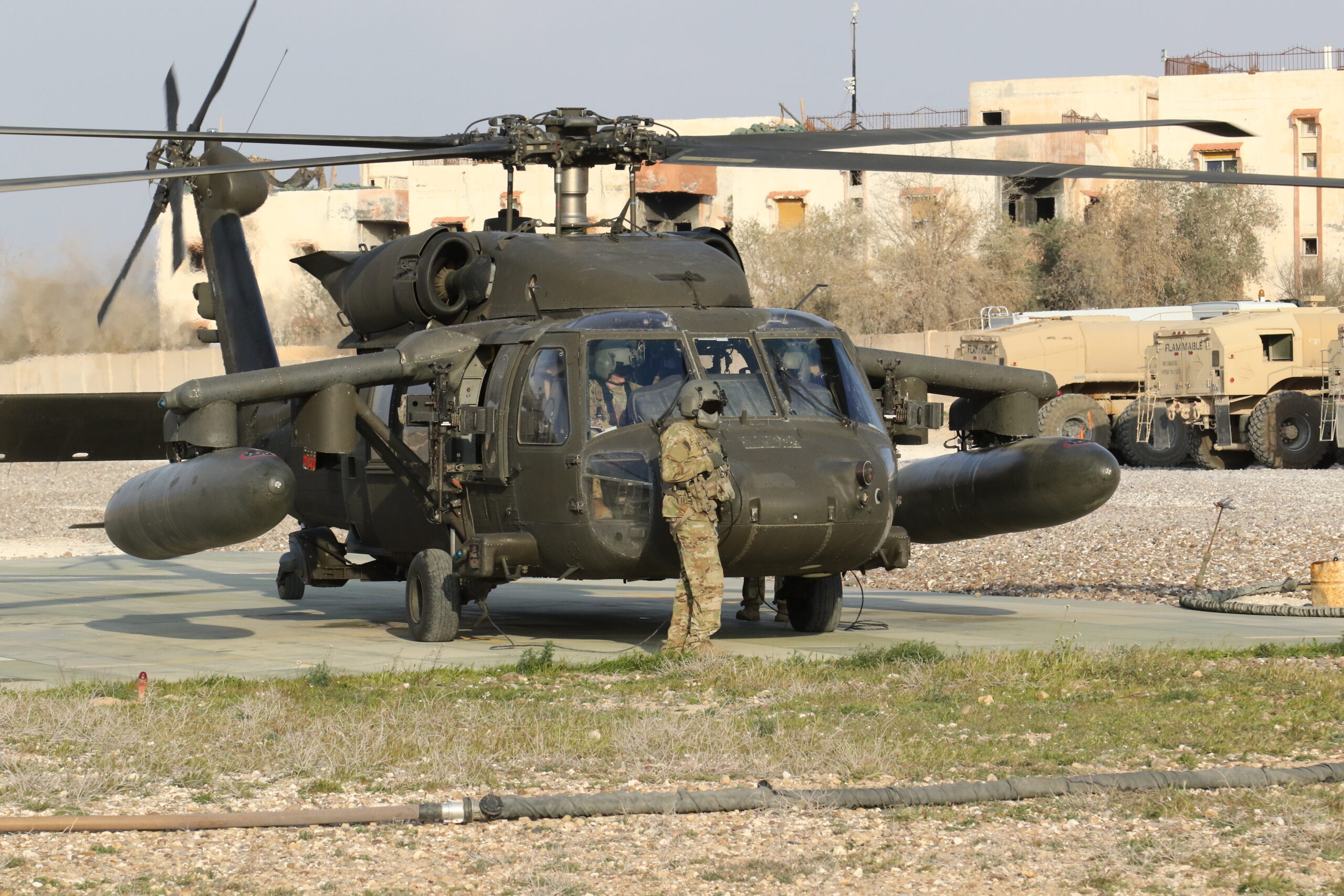
Army adds $234M in undefinitized contract funding for Black Hawk deal
The news comes as Sikorsky’s 10th multiyear deal, awarded in 2022 by the Army, is set to conclude by the end of next calendar year.
The news comes as Sikorsky’s 10th multiyear deal, awarded in 2022 by the Army, is set to conclude by the end of next calendar year.

“We are taking this opportunity to work with partners we have not worked with before, show them the products we have, and define what our path is to gaining share on those weapons,” CEO Kathy Warden told investors at the Morgan Stanley conference.

Lightning Surge exercises are turning soldier feedback on NGC2 into operational software changes in days, not years.
The approval comes a year after President Donald Trump announced Riyadh would be permitted to buy the highly advanced stealth fighters, though lawmakers could still block the sale.
The announcement did not include information about the scale or timeline for the production ramp up, nor the dollar amount associated with the agreement.
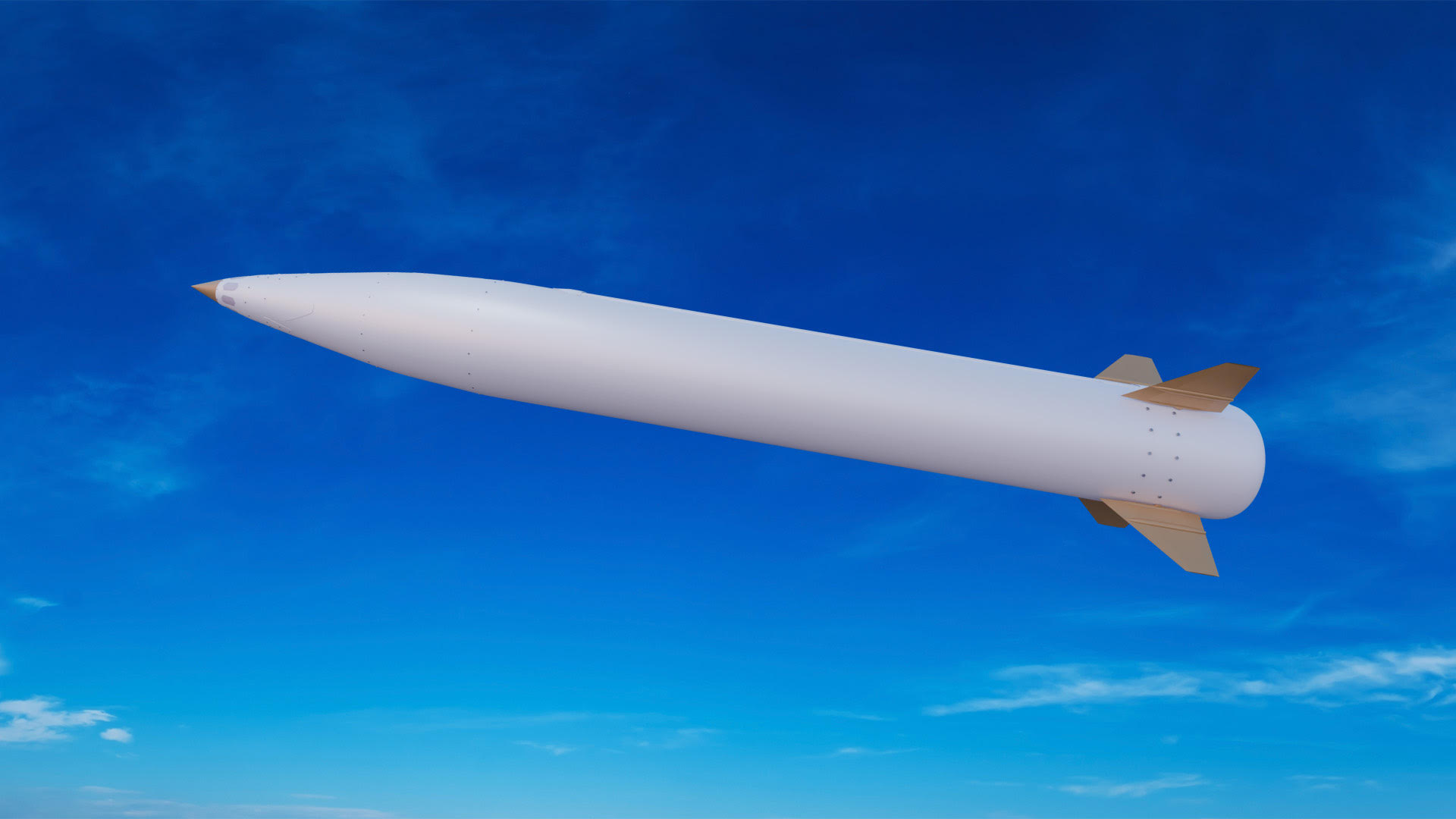
Monday’s announcement comes after Lockheed successfully launched its first PrSM Increment 2 missile in February.
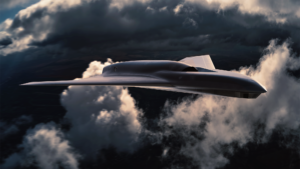
Lockheed now plans to build five Vectis prototypes, with the first on track to fly in 2027.

Architecture that linked sensors, C2, RF effects, and lasers into a distributed c-UAS kill chain.
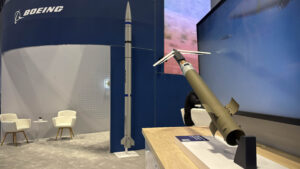
The companies' solutions will move into the developmental phase, an Army spokesperson told Breaking Defense.
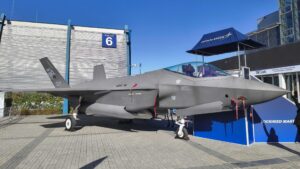
Though Warsaw did not disclose how the new money will be spent, it could be put toward an acquisition of 32 additional F-35s in support of an air superiority program requirement.
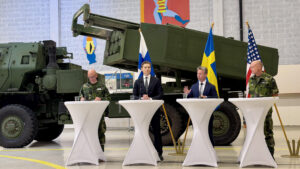
The $732 million acquisition comprises “just over” ten launchers together with a “substantial quantity” of ammunition, Defense Minister Pål Jonson said.
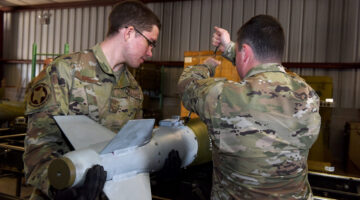
Roughly $6.1 billion of military equipment was cleared for potential sales to Saudi Arabia, Oman and Iraq, spanning precision munitions to fighter jet sustainment, according to the State Department.


Models that replicate real-world physics streamline design, testing and iteration processes.
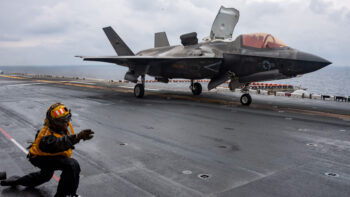
Compared to recent contracts, the average flyaway cost of an F-35A and F-35B rose by over 11 percent, while the price of an F-35C climbed over 8 percent, according to figures supplied by the F-35 Joint Program Office.
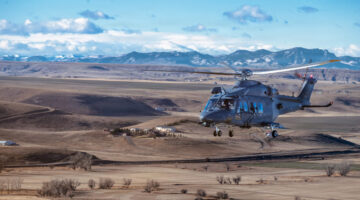
The Grey Wolf achieved initial operational capability Aug. 10, and will replace the Vietnam-era UH-1N to protect the Air Force’s nuclear missile fields.
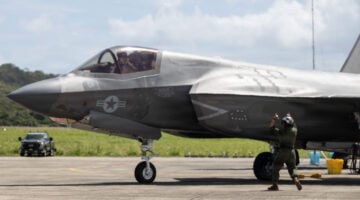
The Defense Department anticipates it will spend an additional $51 billion to acquire the stealth fighter, though revised estimates have pulled the program’s total cost beneath $2 trillion, according to a recent Pentagon report.
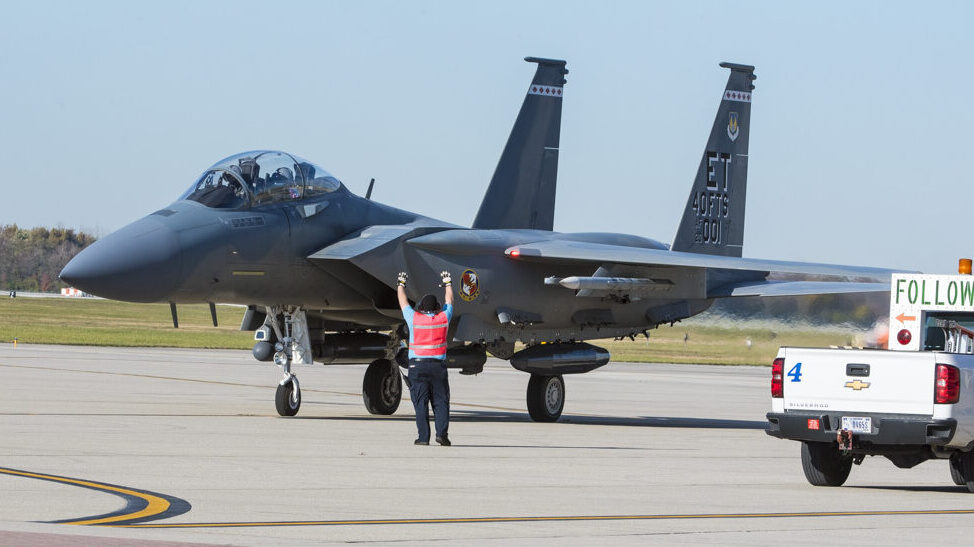
The contract covers over a decade of potential work for US and international F-15 fighter jets.